
Breakfast & Brunch
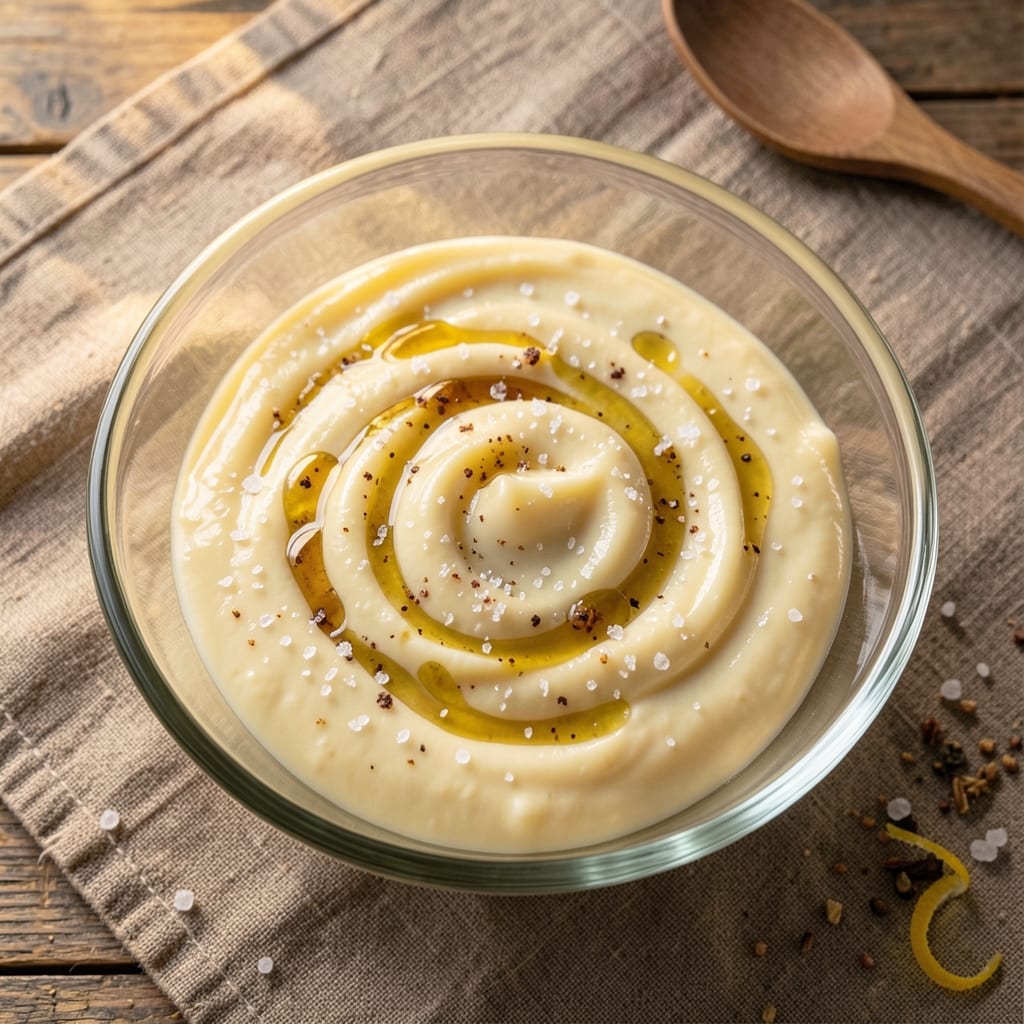
Cooked whole egg mayonnaise transforms classic mayo into a silky, rich sauce without raw eggs—perfect for those who prefer a cooked version. This recipe relies on a precise emulsification technique where cooked egg yolks bind oil and vinegar into a velvety texture. The result is a stable, creamy sauce with a smooth finish that's ideal for sandwiches, dressings, or dips.
The key to success lies in the slow, steady incorporation of oil while blending continuously. This method ensures the emulsion holds together without breaking, even when stored. Unlike traditional mayo, this version uses fully cooked eggs, eliminating any risk of salmonella while maintaining a luxurious mouthfeel. The addition of mustard and salt enhances depth, balancing the tangy acidity of the vinegar or lemon.
What sets this sauce apart is its versatility—use it as a spread for breakfast sandwiches, a base for creamy dressings, or a tangy dip for vegetables. The recipe yields about 1 cup of mayo, enough for multiple uses, and stores well in the refrigerator for up to 5 days. The emulsification process is foolproof, making it accessible even for beginners.
For an extra touch of richness, consider adding a pinch of sugar or a dash of smoked paprika. The texture remains consistent whether used immediately or after chilling, proving it’s both practical and delicious. Let’s make this mayo!
Ingredients for cooked whole egg mayonnaise
Eight ingredients transform into velvety mayo—no raw eggs, no risk, just rich flavor.
| Ingredient | Amount | Notes |
|---|---|---|
| Hard-Boiled Large Egg Yolks 🥚 | 4 whole | Cooked until fully set, room temperature |
| Extra-Virgin Olive Oil 🫒 | 1 cup | High-quality, fruity, cold-pressed |
| White Vinegar 🍋 | 1 tbsp | Distilled preferred for tang |
| Dijon Mustard 🌶️ | 1 tsp | Mellow, not hot, for balance |
| Granulated Sugar 🍚 | ½ tsp | Fine grain for smooth texture |
| Diamond Crystal Kosher Salt 🧂 | ½ tsp | Adjust to taste after emulsification |
| Lemon Juice 🍋 | 1 tsp | Freshly squeezed for brightness |
| Water 💧 | 1 tsp | For thinning if needed |
The egg yolks are the foundation—hard-boiled to 160°F ensures perfect emulsification without raw risk. Buy large eggs for optimal yolk quantity, and room temperature yolks blend smoother. For sourcing, local farms often sell eggs with richer yolks, or opt for organic pastured eggs at Whole Foods or Trader Joe's for deeper flavor. The yolks should be vibrant yellow, not pale or watery, indicating high quality. Separate yolks carefully to avoid whites, which can interfere with emulsification.
No Dijon mustard? Yellow mustard at half the amount works, though flavor will differ slightly. Prefer a sweeter touch? Maple syrup or honey (if vegetarian) can replace sugar, though texture may vary. For oil, avocado oil offers a neutral alternative to olive, while light olive oil reduces richness. The white vinegar should be distilled—apple cider vinegar adds complexity but may overpower. If your mayo breaks, add 1 tsp water at a time while blending to re-emulsify. For a nutty depth, toasted sesame oil can replace up to 1 tbsp of olive oil.
Store in an airtight glass jar in the fridge for up to 5 days, covered with a thin layer of oil to preserve freshness. The sauce thickens when chilled—whisk vigorously before use. For long-term storage, freeze in ice cube trays for single-serving portions. Leftovers can be re-blended with a splash of water if too thick. Avoid metal spoons when storing, as they can react with the acidity over time.
Why You'll Love This Recipe
- No Whisk Needed: I just blend yolks, oil, and vinegar until it magically thickens—no straining, no stress. The sugar cuts the sharpness of the Dijon while keeping it tangy, and honestly? That first spoonful of velvety smoothness feels like cheating.
- Rich Without Butter: The olive oil gives it a depth store-bought mayo can’t touch, while the cooked yolks add a subtle, warm richness. It’s creamy but not heavy, and that vinegar kick makes it bright enough for sandwiches or drizzled over salads.
- Meal Prep MVP: Make a big batch on Sunday, and you’ve got dressing for bowls, sandwich spread for the week, or even a quick pasta sauce. It keeps for days in the fridge, and I’ll be real—my lunches feel fancier just because of it.
- Pennies on the Dollar: Five ingredients, all budget-friendly, and you’re left with a jar of mayo that costs a fraction of what you’d pay for store-bought. That sugar? It’s the secret to making it taste luxurious without breaking the bank.
Step-by-step instructions for cooked whole egg mayonnaise
This method transforms hard-boiled yolks into a velvety, stable emulsion without raw eggs.
Prepare the Egg Yolks for Emulsification
Place the 4 whole hard-boiled large egg yolks in a clean, dry bowl. Using a small spoon or fork, gently mash them until smooth but still slightly textured—this creates small air pockets that help incorporate the oil. I like to leave a few tiny specks of white; over-blending releases too much moisture, making emulsification harder.
The yolks should be at room temperature for best results. If they're chilled, let them sit for 10 minutes before proceeding. This ensures even distribution when you begin adding the oil. For extra insurance against curdling, I add ½ teaspoon of granulated sugar and ½ teaspoon of diamond crystal kosher salt directly to the yolks now. These ingredients stabilize the emulsion by balancing acidity and sweetness.
Incorporate the Acidic and Stabilizing Components
Add 1 tablespoon of white vinegar, 1 teaspoon of Dijon mustard, and 1 teaspoon of lemon juice to the yolks. Whisk vigorously for 30 seconds until fully combined. The vinegar and lemon juice provide the necessary acidity to cut through the richness of the olive oil, while the mustard acts as an emulsifier and adds subtle depth. This mixture should look like a thick, pale yellow paste with no visible streaks.
Here's the thing—if you rush this step, the emulsion will break later. Take your time blending these ingredients thoroughly. The acid helps break down the egg proteins just enough to create a stable bond with the oil. If the mixture looks too thick, add 1 teaspoon of water now to loosen it slightly before adding the oil.
Gradually Emulsify the Olive Oil
With the whisk or an electric mixer running on low speed, begin adding the 1 cup of extra-virgin olive oil in a slow, steady stream. Start with just 1 tablespoon at a time, allowing the mixture to fully incorporate before adding more. This gradual approach prevents the oil from overwhelming the yolks and causing separation. You'll notice the mixture thicken and lighten in color as it emulsifies properly.
I use a whisk for the first 2 minutes, then switch to an electric mixer on low speed for better control. The key is patience—if you pour too quickly, the emulsion will break and you'll end up with a greasy, separated mess. Keep whisking until all the oil is incorporated and the mayonnaise reaches a thick, glossy consistency. It should coat the back of a spoon smoothly without dripping.
Refine and Adjust the Texture
Once all the oil is incorporated, continue whisking for an additional 1-2 minutes to ensure the emulsion is fully stable. Taste and adjust the seasoning if needed—add a pinch more diamond crystal kosher salt or a splash of lemon juice for brightness. The mayonnaise should be rich but balanced, with a smooth, velvety texture that clings to the back of the spoon.
If the mayonnaise is too thick, thin it with 1 teaspoon of water at a time until you reach the desired consistency. For a more refined finish, strain the mayonnaise through a fine-mesh sieve to remove any remaining lumps or bits of egg white. This step ensures a completely smooth sauce that's perfect for drizzling, dipping, or dressing. Store in an airtight container in the refrigerator for up to 5 days.
Pro Tips For Making Cooked Whole Egg Mayonnaise
- Strain Those Yolks: After hard-boiling, the yolks will be stubbornly stuck to their whites—no matter how gently you tap them. Run the whole egg under cold water first, then roll it firmly on a counter to crack the shell before peeling. The shock of cold water loosens them instantly, and you’ll save your nails from a battle you can’t win.
- Warm the Oil First: Cold olive oil and raw yolks are a recipe for lumps, no matter how slowly you whisk. Heat your oil to just warm—about 100°F (38°C)—before adding the yolks. It doesn’t need to be hot, but it needs to be cooperative. Think lukewarm bathwater, not boiling.
- Whisk Like You Mean It: The first 30 seconds of whisking are where the magic happens—or where it all goes wrong. Use a fork first to break up the yolks, then switch to a balloon whisk and don’t stop. If you let up, even for a second, you’re risking scrambled eggs in your mayo. (Yes, I’ve done it.)
- Vinegar First, Then Sugar: Adding vinegar to the yolks before the oil is the only way to guarantee smoothness. The acid cuts through the fat immediately, so when you drizzle in the oil, it emulsifies like it’s supposed to. Skip this order, and you’re fighting physics. Sugar goes in last—it’s the sweetener, not the stabilizer.
Perfect pairings for these flavors
Classic Sandwich Spread
This cooked whole egg mayonnaise transforms classic sandwiches into gourmet delights. Spread it generously on toasted sourdough or brioche for breakfast sandwiches, or use it as a base for BLT sandwiches with crispy bacon and fresh lettuce. I love pairing it with smoked turkey and avocado slices for a protein-packed lunch. The rich texture holds up perfectly to crispy fried chicken, making it ideal for chicken tenders or nuggets. 🥪
Creamy Dressing Base
Use this mayo as the foundation for tangy, velvety dressings. Mix it with chopped dill and cucumber for a refreshing cucumber salad dressing, or combine it with honey and soy sauce for an Asian-inspired sesame-ginger dressing. For a smoky twist, stir in 1 teaspoon of smoked paprika and a splash of apple cider vinegar—perfect for drizzling over grilled vegetables or roasted potatoes. The emulsion stays stable even when mixed with other ingredients.
Vegetable Dips
Dip crispy french fries, carrot sticks, or jicama slices into this mayo for a creamy, flavorful contrast. Add finely chopped chives and a pinch of garlic powder for a herby twist, or mix with sriracha and lime juice for a spicy kick. I also love using it as a base for spinach and artichoke dip—simply fold in cream cheese, chopped spinach, and marinated artichokes, then bake until bubbly. The cooked egg mayo adds richness without the risk of raw eggs. 🥕
Breakfast Enhancements
Elevate your breakfast game by mixing this mayo into scrambled eggs for extra creaminess, or use it as a topping for pancakes or waffles. Drizzle it over bacon and eggs for a decadent finish, or spread it on English muffins with lox and cream cheese for a luxurious bagel alternative. The smooth texture makes it perfect for avocado toast—just mix in a pinch of everything bagel seasoning for a gourmet touch.
Global Flavor Twists
For a Mediterranean twist, stir in finely chopped kalamata olives and feta cheese crumbles to create a Greek-inspired mayo. In Mexican cuisine, mix it with lime zest, cilantro, and Tajín for a crema-style sauce perfect with tacos or nachos. For a Japanese-inspired dip, blend in wasabi paste and sesame seeds—ideal for sushi rolls or tempura. The cooked egg base adapts beautifully to global flavors while keeping the emulsion stable. 🌍
Storage-Friendly Uses
This mayo stores well for up to 5 days in the fridge, making it perfect for meal prep. Use it as a protein boost in pasta salads (toss with rotini, cherry tomatoes, and mozzarella pearls), or as a dipping sauce for spring rolls or egg rolls. For a quick lunch, spread it on tortillas with shredded chicken and salsa for homemade burrito bowls. The versatility makes it a pantry staple worth making in bulk. ✨
Nutrition facts
Frequently asked questions
Why use cooked whole eggs instead of raw egg yolks for mayo?
Cooked whole eggs eliminate any risk of salmonella while still providing the fat and protein needed for emulsification. The yolks' natural lecithin binds oil and acid perfectly, creating a stable, creamy texture without compromising safety. This method also works better for those with egg allergies when properly cooked.
Can I substitute vinegar with lemon juice in this recipe?
Yes, but use 1 tablespoon of lemon juice plus ½ teaspoon of sugar to balance the sweetness. The acidity level matters most for emulsification—just ensure you have enough to properly cut through the oil. For extra tang, add an extra ½ teaspoon of lemon zest.
What should I do if my mayo breaks during emulsification?
Stop adding oil immediately and whisk in 1 teaspoon of water at a time until the mixture re-emulsifies. The key is patience—keep whisking vigorously while adding the water. If it's still too thick, add another ½ teaspoon of Dijon mustard to help stabilize it. This happens when oil is added too quickly.
How does this cooked egg mayo compare to traditional mayo?
The texture is slightly thicker and richer due to the fully cooked yolks, but it maintains the same creamy consistency. The flavor is deeper with a subtle eggy richness, while traditional mayo has a more neutral taste. This version also has a longer shelf life (up to 5 days) and is safer for those avoiding raw eggs.
Can I make this mayo ahead of time for meal prep?
Store it in an airtight container in the fridge for up to 5 days. For best results, whisk vigorously before using as it thickens when chilled. To extend storage, freeze in ice cube trays for single-serving portions. Thaw overnight in the fridge before blending again to restore smoothness.