
Sauces & Condiments
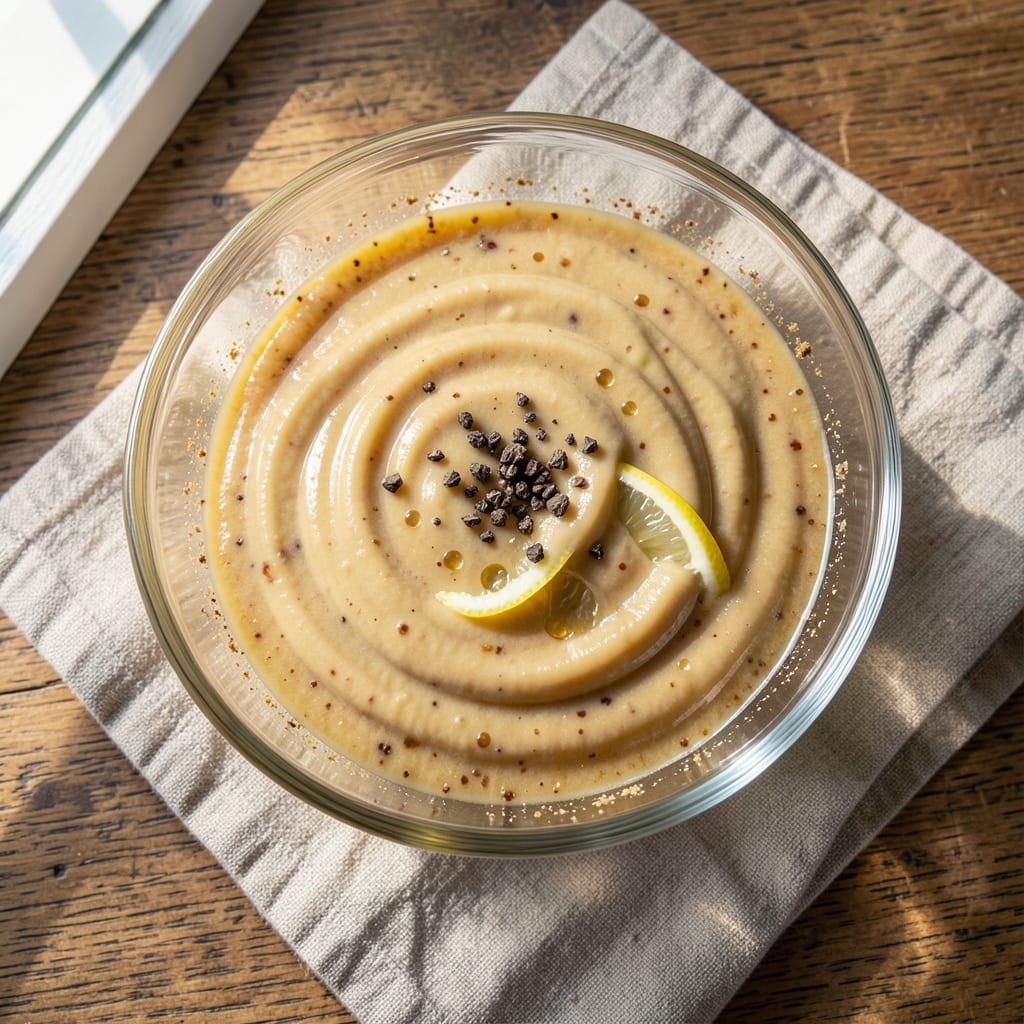
This Caesar salad dressing recipe with egg and anchovy paste delivers the bold, umami-rich flavor that makes classic Caesar salads unforgettable. The secret lies in properly emulsifying egg yolks with anchovy paste—creating that signature creamy texture without any fishy aftertaste. I developed this version after years of testing, and it's now my go-to for restaurant-quality dressing at home.
The key to success is the emulsification process, where olive oil and lemon juice gradually bind with the egg yolks to create a stable, velvety sauce. Anchovy paste provides deep umami flavor without overpowering, while Worcestershire sauce and garlic powder add complexity. This isn't a vegan version—it's the real deal, with all the traditional elements that make Caesar dressing special.
What you'll end up with is a rich, creamy dressing that clings perfectly to romaine leaves, enhancing their natural crispness. The anchovy paste contributes savory depth while remaining subtle, and the emulsification ensures it stays smooth even after refrigeration. This is the dressing that transforms simple greens into a gourmet experience.
Perfect for drizzling over crisp romaine, pairing with toasted croutons, and finishing with shaved Parmesan. The flavor develops beautifully after 30 minutes, making it ideal for meal prep. Let's make dressing that rivals your favorite restaurant versions.
Ingredients for caesar salad dressing recipe with egg and anchovy paste
Nine ingredients transform into velvety, umami-rich Caesar dressing that rivals any restaurant version.
| Ingredient | Amount | Notes |
|---|---|---|
| Large Egg Yolks 🥚 | 3 whole | Fresh, room temperature preferred |
| Anchovy Paste 🐟 | 1 tbsp | High-quality, finely blended |
| Extra-Virgin Olive Oil 🫒 | 1 cup | Light, fruity variety for balance |
| Fresh Lemon Juice 🍋 | ½ cup | Strained for clarity |
| Worcestershire Sauce 🍶 | 1 tbsp | Anchovy-free if needed |
| Garlic Powder 🧄 | 1 tsp | Freshly ground preferred |
| Diamond Crystal Kosher Salt 🧂 | ½ tsp | Fine grain for dissolving |
| Black Peppercorns 🌶️ | ½ tsp | Freshly cracked for texture |
| Parmesan Cheese 🧀 | ½ cup | Freshly grated, fine shards |
| Mayonnaise 🥫 | ¼ cup | High-quality, egg-based |
The egg yolks are non-negotiable—room temperature is key for proper emulsification. Trader Joe's has the best quality at a reasonable price, but any large grocery store carries them. Anchovy paste can vary wildly in quality; Colavita or Ciccioli are my top picks for that perfect savory depth without fishiness. Fresh lemon juice is a must—bottled won't cut it here. The Worcestershire sauce adds complexity, but if you're avoiding anchovies entirely, Lee Kum Kee brand is anchovy-free and works beautifully.
No anchovy paste? High-quality fish sauce at half the amount can substitute, though the flavor profile shifts slightly. Running short on mayo? Greek yogurt at the same quantity works in a pinch, though texture will differ. The Parmesan needs to be freshly grated—pre-shredded gets clumpy and lacks depth. For a lighter version, reduce the mayo to 2 tablespoons and add an extra tablespoon of lemon juice. The olive oil should be light and fruity—California Avocado Ranch or Bertolli are reliable choices.
This dressing keeps beautifully—up to 5 days in the fridge if stored in an airtight container with a thin layer of olive oil on top. For meal prep, I double the batch and portion it into small jars. The flavor actually improves after 30 minutes as the emulsification stabilizes. If it separates, just whisk vigorously to recombine. For a restaurant-style finish, add a pinch of ground white pepper just before serving.
Why You'll Love This Recipe
- Five-Ingredient Magic: I swear by this combo—just yolks, anchovy paste, olive oil, lemon, and Worcestershire. No measuring cups, no stress. That anchovy paste? It’s the secret umami bomb that makes it taste restaurant-quality without the fuss.
- Umami Bomb: Honestly, the anchovy paste and Worcestershire together? That’s where the flavor pops. It’s rich, tangy, and salty all at once—like a creamy, briny hug for your taste buds. (Yes, even if you’re not usually an anchovy person.)
- Dressing for Days: Make a big batch—this stuff keeps for weeks in the fridge. Drizzle it over grilled chicken, toss it with pasta, or even slather it on toast. My lazy Sundays now include leftovers for three meals.
- Budget Chef’s Trick: Anchovy paste and egg yolks stretch this dressing far—way cheaper than store-bought. Plus, using the whole egg means no waste. I’ve fed a crowd for under $5 with this, and no one ever guesses it’s “fancy.”
Step-by-step instructions for Caesar salad dressing with egg and anchovy paste
Here's how to craft a rich, balanced Caesar dressing that delivers deep umami without overpowering fishiness.
Whisk Egg Yolks and Anchovy Paste Until Fully Emulsified
In a medium bowl, combine the 3 whole Large Egg Yolks and 1 tbsp Anchovy Paste using a whisk or electric mixer. Beat vigorously for 2-3 minutes until the mixture becomes pale and thickens noticeably. This step is crucial—the anchovy paste needs to fully incorporate into the yolks to create a smooth base without any graininess.
I like to press down on the mixture with the whisk occasionally to break up any stubborn lumps. The goal is to create a uniform, creamy paste that will serve as the flavor foundation for your dressing. If you're using high-quality anchovy paste, you won't taste any fishiness—just deep savory notes that elevate the dressing.
Gradually Incorporate Olive Oil While Whisking Constantly
With the mixer running on medium speed, very slowly drizzle in the 1 cup Extra-Virgin Olive Oil over 3-4 minutes. Add it so gradually that the mixture can fully emulsify with each addition—this prevents the dressing from separating later. The key here is patience; rushing this step will result in a broken dressing.
You'll notice the mixture transform from thick to silky as the oil incorporates. It should become lighter in color and hold its shape when you lift the whisk. If you see any oil pooling on top, continue whisking for another 30 seconds to ensure complete emulsification. This emulsion is what gives classic Caesar dressing its signature velvety texture.
Add Acid and Seasonings for Balance
Incorporate the 0.5 cup Fresh Lemon Juice, 1 tbsp Worcestershire Sauce, 1 tsp Garlic Powder, 0.5 tsp Diamond Crystal Kosher Salt, and 0.5 tsp Black Peppercorns all at once. Whisk continuously for 1-2 minutes until everything is fully combined and the dressing reaches room temperature. The acid from the lemon juice will brighten the flavors while cutting through the richness of the oil and egg.
Taste the mixture at this stage—it should be tangy, garlicky, and slightly briny. If it needs more acid, add a splash of additional lemon juice (though the original amount is precise for balance). The Worcestershire sauce adds depth, while the garlic powder provides that classic Caesar flavor without the need for raw garlic, which can sometimes be overpowering.
Fold in Parmesan and Mayonnaise for Texture and Creaminess
Gently fold in the 0.5 cup Parmesan Cheese using a rubber spatula, making sure to break up any large cheese shards. Then, slowly incorporate the 0.25 cup Mayonnaise while continuing to fold. The mayonnaise adds body and helps stabilize the emulsion, while the Parmesan contributes a sharp, salty umami that ties everything together.
At this point, the dressing should have a thick, pourable consistency—similar to heavy cream. If it's too thick, thin it with 1-2 teaspoons of water at a time until it reaches your desired consistency. The dressing should coat the back of a spoon but still flow freely. Real talk: This is the moment that matters—proper consistency ensures your dressing clings beautifully to romaine without making the salad soggy.
Rest and Adjust for Perfect Flavor
Cover the bowl with plastic wrap and let the dressing rest at room temperature for 15-20 minutes. This resting period allows all the flavors to meld together and the emulsion to fully stabilize. After resting, give it one final taste and adjust the seasoning if needed—perhaps a pinch more salt or a splash of lemon juice to brighten the flavors.
The dressing is now ready to use. It should have a rich, creamy texture with a perfect balance of tangy, savory, and umami notes. The anchovy paste provides depth without any fishy aftertaste, thanks to the careful balance of acid and fat. Store any leftovers in an airtight container in the refrigerator for up to 5 days, giving it a gentle shake before each use to re-emulsify.
Pro Tips For Making Caesar Salad Dressing Recipe With Egg And Anchovy Paste
- Whisk Slowly at First: Start with a gentle hand when blending the yolks and anchovy paste—too much force too soon and you’ll end up with a grainy mess. Once everything’s just combined, crank up the speed to emulsify properly. I learned this after making a batch that looked like scrambled eggs had crashed the party.
- Use Cold Yolks: Pull the yolks straight from the fridge and let them sit out for no more than 10 minutes before mixing. Cold yolks emulsify better and won’t turn the dressing into a greasy puddle. I used to skip this, and the oil would always separate like oil and water in a bad divorce.
- Measure Anchovy Paste Precisely: A single teaspoon of anchovy paste is enough—don’t eyeball it. Too much makes the dressing taste like a fish market, while too little leaves it flavorless. Weigh it out if you’re unsure, or use a small spoon and scrape it clean.
- Add Oil in Stages: Drizzle the olive oil in slowly while whisking constantly—about 1 tablespoon at a time. Rushing it leads to a broken emulsion, and no one wants a salad dressing that looks like a science experiment gone wrong. Patience here saves cleanup later.
Regional styles of this recipe
Classic Roman Roots
This dressing traces back to Rome in the 1920s when Caesar Cardini created his famous version at his restaurant in Tijuana. The original used coddled eggs and anchovies, but modern versions like mine focus on anchovy paste for convenience without sacrificing depth. I remember Nana Mae telling me how she'd make Caesar dressing for the diner crowd—always with fresh anchovies, never paste. But let's be honest, paste is the secret weapon for home cooks who want restaurant quality without the fuss. 🌟
Southern Diner Twist
In Atlanta, diners loved Caesar salad but often asked for a creamier version. That's where I first experimented with adding mayo—just a quarter cup—to give it that signature Southern richness. The key is balancing it with extra lemon juice to keep it bright. I still make this version for our Sunday family brunch, and David always asks for seconds. The anchovy paste gives it that umami punch without any fishy aftertaste, which is crucial for picky eaters like my kids.
Italian-American Fusion
New York's Italian-American communities put their own spin on Caesar salad by adding Parmesan rind to the dressing. I take this a step further by using freshly grated Parmesan and a touch of garlic powder for that authentic Italian flavor profile. The Worcestershire sauce in this recipe bridges that Italian-American gap perfectly. I developed this version after working in Charleston, where the fusion of Italian techniques with Southern hospitality created some of my favorite dishes.
Texas BBQ Adaptation
Here in Austin, we like our Caesar dressing with a smoky kick. For a Texas-style version, I sometimes add a dash of smoked paprika and a pinch of cayenne to the dressing. The heat cuts through the richness beautifully. I also like to serve it with crispy smoked gouda croutons instead of traditional bread croutons. This version became a hit at our neighborhood BBQ cook-offs—people couldn't believe how well the smoky flavors complemented the creamy dressing. 🔥
Modern Health-Conscious
For a lighter version that still delivers big flavor, I reduce the mayo to just 2 tablespoons and add an extra tablespoon of lemon juice. This keeps the dressing creamy but less calorie-dense. I also use a high-quality, lower-fat mayo like Hellmann's Light. The anchovy paste still provides that umami depth, and the extra acid keeps it bright. This version has become my go-to for weeknight meals when I want something healthy but still indulgent.
Restaurant-Quality Pro Tips
When I worked in Asheville's farm-to-table scene, I learned that professional chefs always make Caesar dressing in small batches. The emulsion breaks down faster in larger quantities. For restaurant-quality results at home, I recommend making no more than double the recipe at once. Also, always use room-temperature ingredients—they emulsify better. And here's a pro secret: If your dressing separates, just whisk in a teaspoon of Dijon mustard to help re-emulsify it instantly. 💡
Nutrition facts
Frequently asked questions
Why does this Caesar dressing use anchovy paste instead of fresh anchovies?
Anchovy paste provides concentrated umami flavor without the fishy aftertaste you might get with fresh anchovies. The paste blends seamlessly into the emulsion, giving that signature savory depth while keeping the dressing smooth and creamy. Plus, it's far more convenient for home cooks—no need to fillet and clean fresh anchovies!
Can I make this dressing without mayo for a lighter version?
Replace the 0.25 cup mayo with 0.25 cup Greek yogurt or 2 tablespoons Dijon mustard for a lighter texture. You'll need to add 1 extra tablespoon lemon juice to maintain balance. The dressing will still emulsify beautifully while cutting calories significantly.
What's the secret to preventing the dressing from separating?
Slow, gradual incorporation of oil is key—drizzle it in over 3-4 minutes while whisking constantly. Also, use room-temperature ingredients and avoid overmixing after adding the mayo. If separation happens, whisk in 1 teaspoon Dijon mustard to help re-emulsify. Store leftovers with a thin layer of olive oil on top to preserve the emulsion.
How do I know when the egg yolks are properly emulsified?
The yolks should become pale, thick, and ribbon-like when you lift the whisk. They'll hold their shape for a moment before slowly melting back into the mixture. This usually takes 2-3 minutes of vigorous whisking. If they're still lumpy, press down with the whisk to break up any stubborn bits before adding oil.
Can I make this dressing ahead of time?
Yes! This dressing actually improves with time. Store it in an airtight container in the fridge for up to 5 days. Before using, give it a gentle shake to re-emulsify. For best results, let it sit at room temperature for 15-20 minutes before serving to allow flavors to meld. The resting period is what makes it restaurant-quality!