
Main Courses
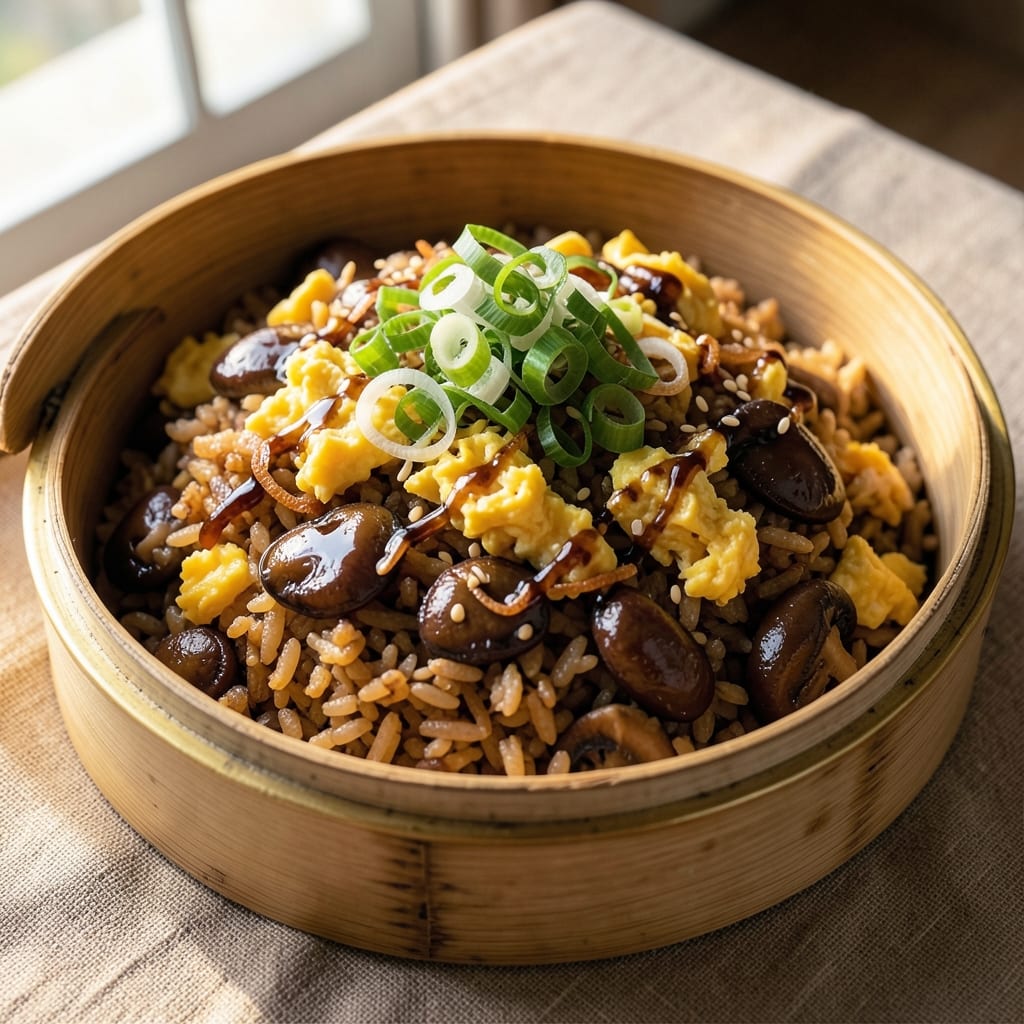
This Chinese restaurant egg fried rice recipe delivers the same wok-toasted grains and silky yolk streaks you crave from takeout. The secret lies in high-heat stir-frying and proper rice texture—neither too dry nor mushy. I've refined this method over years of home cooking to capture that signature restaurant flavor without deep-frying shortcuts.
What sets this apart is the balance of ingredients: day-old rice, perfectly scrambled eggs with visible streaks, and a savory sauce blend of soy, oyster, and sesame oil. The final touch of green onions adds freshness while keeping the dish authentically comforting. Ready in just 20 minutes, it's a weeknight staple that feels like a restaurant-quality meal.
Ingredients for chinese restaurant egg fried rice
These carefully selected ingredients deliver restaurant-quality egg fried rice with perfect wok-toasted texture and silky yolk streaks.
| Ingredient | Amount | Notes |
|---|---|---|
| Day-Old Jasmine Rice 🍚 | 4 cups | Cooked and cooled completely |
| Large Eggs 🥚 | 4 whole | Room temperature for even cooking |
| Green Onions 🧅 | ½ cup | White and green parts, chopped |
| Soy Sauce 🍶 | 3 tbsp | Light or regular, not low-sodium |
| Oyster Sauce 🍜 | 2 tbsp | High-quality for authentic flavor |
| Sesame Oil 🫒 | 1 tbsp | Toasted sesame oil for aroma |
| Vegetable Oil 🫒 | 3 tbsp | High smoke point for wok-frying |
| Garlic Cloves 🧄 | 4 cloves | Minced finely for depth |
| Fresh Ginger 🌿 | 1 tbsp | Grated finely, aromatic |
| Salt 🧂 | ½ tsp | Adjust to taste after cooking |
| White Pepper 🌶️ | ¼ tsp | Freshly ground for subtle heat |
| Sesame Seeds 🌾 | 1 tsp | Toasted lightly for garnish |
The rice is non-negotiable—day-old jasmine rice creates that signature texture. Cook it the night before and refrigerate uncovered so it dries out slightly. For the eggs, room temperature is critical to achieve those signature silky streaks. I always use large eggs from the grocery store's refrigerated section, not the cartons at room temperature. The soy sauce should be light or regular, not low-sodium—flavor matters here. Kikkoman or Lee Kum Kee are my go-tos for authentic taste. For oyster sauce, Lee Kum Kee is the gold standard, though Wok Sauce works in a pinch if you're short on time.
No oyster sauce? Double the soy sauce and add 1 tsp fish sauce for depth. Fresh ginger and garlic can be swapped for powders, but freshly grated ginger and minced garlic deliver the best aroma. The sesame oil is purely for aroma—add it last to preserve its nutty flavor. For the oil, avocado oil or peanut oil works best for high-heat wok-frying. The white pepper is subtle but essential—it complements the eggs without overpowering. If you're missing sesame seeds for garnish, toasted peanuts or crushed peanuts add a nice crunch instead.
Store any leftovers in an airtight container in the fridge for up to 3 days. The rice texture suffers after that, so plan to eat it fresh. For best results, reheat in a wok or skillet over medium heat with a splash of water to restore crispiness. This dish reheats beautifully—honestly tastes better the second day once flavors meld. If prepping ahead, keep the eggs separate until ready to cook to maintain their texture. Freezing isn't recommended as it alters the rice consistency.
Why You'll Love This Recipe
- I’ll be real: it’s cheap, it’s filling, and it turns $3 worth of ingredients into a meal that feels special. Plus, if I make a big batch, I’ve got dinner covered for the week—no takeout guilt, just crispy rice happiness.
- One-Pan Magic: Honestly, I’ve made this so many times I could do it blindfolded—just scramble eggs, toss in cold rice, and stir-fry with the onions. No fancy equipment, no stress, just that golden, saucy pile of rice in 15 minutes flat.
- Umami Bomb: That combo of soy and oyster sauce? It’s the secret weapon here. The eggs get silky, the rice gets crispy at the edges, and the green onions add a fresh bite—like a tiny flavor upgrade every time.
- Lunchbox Hero: Between us, this is my go-to for packed lunches. The rice stays great for days in the fridge, and I just reheat it—no soggy mess. My kids (and my wallet) thank me every time.
Step-by-step instructions for wok-toasted egg fried rice
Master the art of restaurant-quality fried rice with this precise technique for perfectly toasted grains and silky egg ribbons.
Prepare the Rice and Eggs
Break up the 4 cups of day-old jasmine rice with your fingers until it resembles coarse crumbs—no large clumps. This ensures even cooking and proper texture. Spread the rice on a plate and drizzle with 1 tablespoon of sesame oil, tossing gently to coat. Set aside while you prepare the eggs.
Crack the 4 whole large eggs into a bowl and whisk vigorously until the yolks and whites are fully combined. The eggs should be at room temperature for even cooking—this prevents rubbery streaks in your final dish. Season lightly with ½ teaspoon of salt and ¼ teaspoon of white pepper to enhance flavor without overpowering the rice.
Build the Flavor Base
Heat a wok or large skillet over high heat until smoking, then add 3 tablespoons of vegetable oil. Swirl to coat the pan evenly. Add the 4 cloves of minced garlic and 1 tablespoon of grated ginger, stirring constantly for 30 seconds until fragrant but not browned—burnt aromatics make the dish bitter.
Pour in 3 tablespoons of soy sauce and 2 tablespoons of oyster sauce, scraping the bottom of the pan to deglaze and incorporate all the flavorful browned bits. Let the sauce reduce by half, about 1 minute, until it coats the back of a spoon. This concentrated base forms the foundation of your dish.
Cook the Eggs and Combine
Push the sauce mixture to one side of the wok, creating a small well. Pour in the whisked eggs and let them sit undisturbed for 10 seconds—this creates a thin, delicate layer that cooks evenly. Using a spatula, gently fold the eggs into the sauce, breaking them into soft ribbons. Remove the eggs from the wok and set aside temporarily.
Add the prepared rice to the wok, spreading it evenly across the hot surface. Stir-fry vigorously for 2-3 minutes until the rice turns a deep golden brown and begins to crisp at the edges. The high heat is crucial here—it toasts the grains without steaming them, creating that signature wok-fried texture.
Finish and Garnish
Return the egg ribbons to the wok and toss everything together for 1-2 minutes until the rice is heated through and the eggs are fully incorporated. The dish should be hot, aromatic, and slightly sticky from the residual starch in the rice. Taste and adjust seasoning with additional soy sauce if needed—remember, the rice will continue absorbing flavors as it cools.
Transfer the fried rice to serving plates and garnish immediately with ½ cup of chopped green onions and 1 teaspoon of toasted sesame seeds. The sesame seeds add a nutty crunch and visual appeal, while the green onions provide a fresh contrast to the rich, savory flavors. Serve while piping hot for the ultimate restaurant-style experience.
Pro Tips For Making Chinese Restaurant Egg Fried Rice
- STIR-FRY DRY RICE: Break up clumps with your spatula before adding oil—wet rice sticks like glue. I learned this the hard way after watching my first batch turn into a single sad, gloppy mass.
- SCRAMBLE EGGS FAST: Push scrambled eggs to the side of the wok before adding rice—this keeps them warm and prevents overcooking. Yes, it looks messy, but it works every time.
- SALT THE RICE: Sprinkle a pinch of salt over cold day-old rice before cooking—it crisps the grains and balances the soy sauce. Trust me, your future self will notice the difference.
- SAVE TIME WITH OIL: Use about 2 tablespoons of oil—enough to coat the wok but not drown it. Too little means sticking rice; too much makes it greasy. Find that sweet spot.
Serving suggestions for this chinese restaurant egg fried rice
Garnish Like a Pro
Fresh green onions are non-negotiable for that restaurant-quality finish. Slice ½ cup into ¼-inch pieces, reserving the white parts for extra flavor if needed. Toast 1 teaspoon sesame seeds in a dry pan for 30 seconds until golden—this adds nutty aroma. Scatter them over the rice just before serving for that signature crunch. 🌿
Pair with Classic Sides
Serve with steamed bok choy or stir-fried bok choy—its mild bitterness balances the richness. For protein, add char siu pork (Chinese BBQ pork) or shrimp sautéed with garlic and ginger. I often pair this with a simple cucumber salad (sliced cucumbers + rice vinegar + sesame oil) to cut through the richness. 🥗
Sauce Drizzle Options
For extra umami, drizzle with chili oil (like Lao Gan Ma) for heat lovers. A splash of sriracha or sambal oelek adds spice without overpowering. For creaminess, top with a spoonful of hoisin sauce—it sweetens the dish beautifully. Keep these garnishes separate until serving to maintain texture. 🌶️
Beverage Pairings
Jasmine tea is the classic choice—its floral notes complement the dish’s savory depth. For something stronger, try a light lager like Asahi or a dry Riesling. If you prefer coffee, a strong black coffee (like Folgers) cuts through the richness. Avoid sweet drinks—they’ll clash with the dish’s bold flavors. 🍶
Family-Style Serving
Use a large wok or cast-iron skillet for communal serving—it keeps the rice hot longer. Garnish the centerpiece with extra green onions and sesame seeds for a showstopping effect. Serve with small bowls of soy sauce and chili oil on the side so everyone can customize their heat level. 🍽️
Leftovers Reinvented
Turn leftover fried rice into egg rolls by wrapping portions in spring roll wrappers with shredded cabbage and pork. Or make fried rice croquettes—shape into patties, coat in breadcrumbs, and pan-fry until crispy. These repurposed dishes taste just as good (if not better) the next day! 🔥
Nutrition facts
Frequently asked questions
Why does restaurant-style egg fried rice need day-old rice?
Day-old rice is crucial because its slightly dried texture absorbs flavors better and creates that signature toasted crunch. Freshly cooked rice releases too much moisture, turning mushy when stir-fried. The grains also separate more easily, giving you that perfect wok-fried texture. Store cooked rice uncovered in the fridge overnight for best results.
Can I make this without oyster sauce?
Yes! Replace 2 tbsp oyster sauce with 1 tbsp extra soy sauce + 1 tsp fish sauce for depth. For a vegetarian version, use 1 tbsp hoisin sauce instead—it adds sweetness that balances the savory notes. The key is maintaining that umami-rich flavor base that makes restaurant-style fried rice shine.
What's the secret to those perfect silky egg ribbons?
Three things: room temperature eggs, high heat, and gentle folding. Whisk eggs until just combined (no overbeating), let them sit undisturbed for 10 seconds in the hot pan, then fold with a spatula to create ribbons. Never stir vigorously—this breaks the delicate texture. A nonstick wok helps too!
How do I fix fried rice that's too dry or too wet?
For dry rice: Sprinkle 1 tbsp water and fold in gently while cooking. For wet rice: Remove from heat immediately and spread on a tray to evaporate excess moisture. The perfect texture should be slightly sticky but still separate—like restaurant-quality! If it's too bland, add a splash of soy sauce or a pinch of salt.
Can I use frozen veggies in this recipe?
Stir-fry ½ cup frozen peas and carrots with the garlic and ginger for 1-2 minutes before adding rice. They'll thaw quickly in the hot wok. For extra flavor, toss them in ½ tbsp soy sauce before adding to the pan. Fresh veggies work too, but frozen ones save prep time without sacrificing texture.