
Main Courses
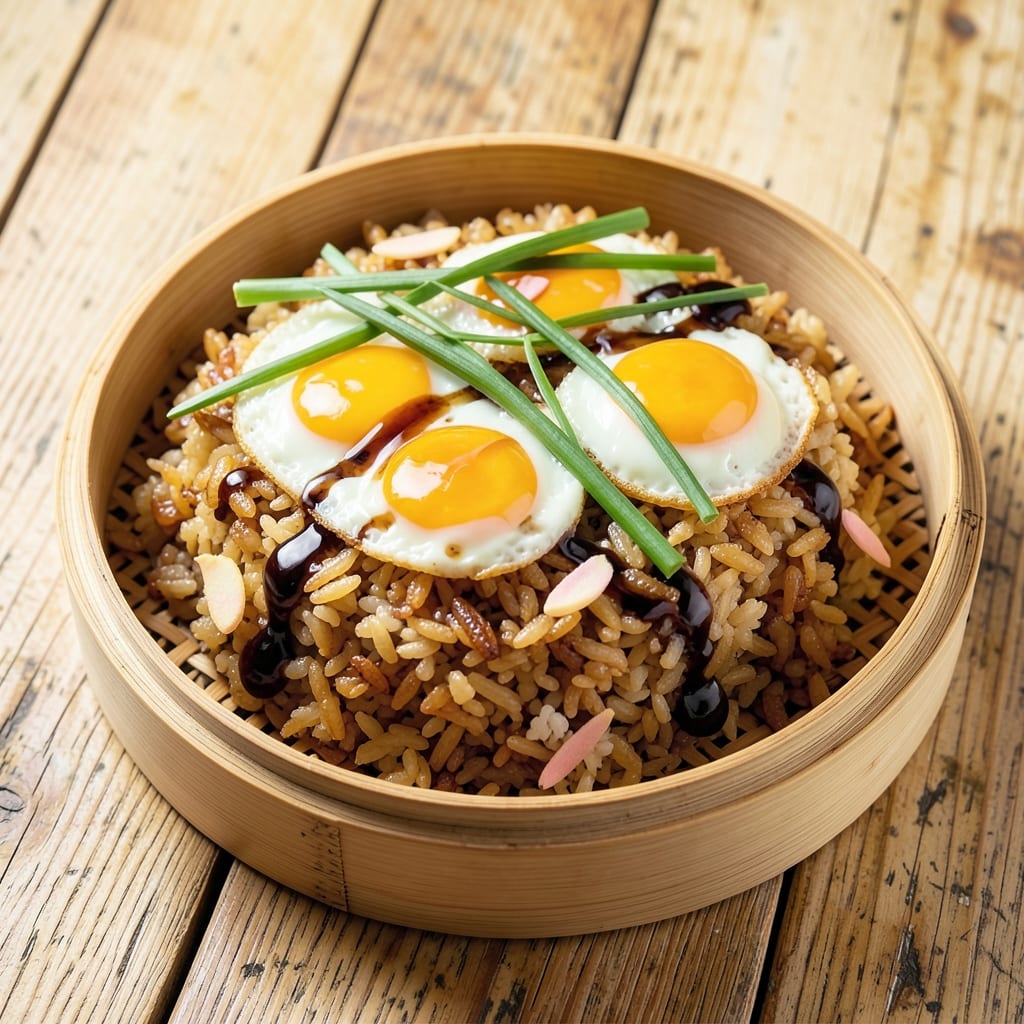
This Chinese egg fried rice recipe delivers the perfect balance of tender rice, silky egg ribbons, and bold wok-tossed flavors in just 15 minutes. The secret lies in high-heat stir-frying and a precise egg-cooking technique that creates those signature golden yolk streaks. I've perfected this version after years of testing—no soggy rice or overcooked eggs here.
What sets this recipe apart is the authentic technique: day-old rice fried in a hot wok with aromatic scallions, ginger, and a savory soy-vinegar sauce. The eggs are scrambled separately and tossed in at the end, creating those beautiful marbled yolk patterns. This is the kind of dish that transforms simple ingredients into a restaurant-quality meal with minimal effort.
Ingredients for chinese egg rice
Fourteen essential ingredients transform into wok-tossed perfection with silky egg ribbons and vibrant yolk streaks.
| Ingredient | Amount | Notes |
|---|---|---|
| Day-Old Cooked White Rice 🍚 | 4 cups | Cold and broken into pieces |
| Large Eggs 🥚 | 4 whole | Freshly beaten for silky texture |
| Green Onions (Scallions) 🧅 | ½ cup | Thinly sliced, white and green parts |
| Fresh Ginger 🌿 | 1 tbsp | Finely minced for aromatic depth |
| Light Soy Sauce 🍶 | 2 tbsp | High-quality for authentic flavor |
| Dark Soy Sauce 🍶 | 1 tbsp | For rich umami depth |
| Rice Vinegar 🍶 | 1 tbsp | White or seasoned variety |
| Sesame Oil 🫒 | 1 tsp | Toasted for nutty aroma |
| Vegetable Oil 🫒 | 2 tbsp | High smoke point for wok |
| Salt 🧂 | ½ tsp | Diamond Crystal preferred |
| Black Pepper 🌶️ | ¼ tsp | Freshly ground for heat |
| Garlic Cloves 🧄 | 2 cloves | Minced for aromatic base |
| Sesame Seeds 🌾 | 1 tsp | Toasted for garnish |
The rice is non-negotiable—day-old, cold rice fries up perfectly without turning mushy. Day-old jasmine or basmati works best, broken into rough pieces by hand for even cooking. For the eggs, freshness matters: room-temperature eggs scramble more evenly. I always grab Kosher or Diamond Crystal salt for better flavor control, and toasted sesame oil from Trader Joe's adds that authentic aroma. The ginger and garlic should be freshly minced—pre-minced jars lack the bright punch. Store-bought fried rice mixes? Don't even think about it.
No light soy sauce? Regular soy sauce at half the amount works, but you'll lose some depth. Fresh ginger too pungent? Substitute 1/2 teaspoon ground ginger, but it won't be the same. The eggs are scrambled separately—low and slow in a small pan—then tossed in at the end for those signature streaks. Need to stretch this for more servings? Add frozen peas or corn (thawed first) for extra volume. The sesame seeds can be omitted if you're avoiding nuts, but they add that final crunch. For extra heat, add a pinch of Sichuan peppercorns to the wok while cooking.
Rice keeps 5 days in the fridge—perfect for making this ahead. Scrambled eggs should be used within 2 days for best texture. Store components separately: rice in one container, eggs in another, sauce ingredients in a small jar. To reheat, high heat in a wok or large skillet for 2-3 minutes—no microwaving. The flavors actually improve after the first night as everything melds together. Freeze portions for up to 3 months by spreading in a single layer before bagging.
Why You'll Love This Recipe
- Uses Day-Old Rice: I swear by this trick—day-old rice is perfect here, no sticky mess, no extra drying needed. Honestly, it’s the secret to that ideal texture where every grain stays distinct while soaking up flavor.
- One-Pan Magic: Scramble eggs in the same pan you heat the rice, toss in ginger and scallions, and boom—done. Between us, this is the kind of dish where cleanup is just rinsing one pan. (Yes, even on a Tuesday night.)
- Savory Umami Bomb: That light soy sauce and ginger combo? It’s ridiculously good—bright, salty, and just enough kick to wake up your taste buds. The eggs add richness without overpowering, and the scallions? Fresh green finish every bite.
- Budget Breakfast for Days: Eggs, rice, and a few pantry staples—this feeds my family for three days straight. I’ll be real: it’s my go-to when I need something filling, cheap, and still feels like a treat. (My kids don’t even know it’s "leftovers.")
Step-by-step instructions for Chinese egg fried rice
Mastering this technique delivers restaurant-quality fried rice with silky yolk streaks and perfectly balanced flavors.
Prep Ingredients for Optimal Texture
Break the 4 cups day-old cooked white rice into small, uneven pieces using your hands—this creates more surface area for even cooking. Spread the rice on a baking sheet and let it cool completely if it's warm, as moisture is the enemy of crispy fried rice. While the rice cools, thinly slice the 0.5 cup green onions (scallions), separating the white and green parts for visual contrast.
Finely mince the 2 cloves garlic and 1 tbsp fresh ginger using a sharp knife—this ensures they disperse evenly and infuse flavor without becoming noticeable chunks. Crack the 4 whole large eggs into a bowl and beat them lightly with a fork until just combined, creating gentle swirls that will translate into beautiful yolk streaks when cooked. The key here is freshness—the eggs should be at room temperature for even cooking.
Build the Aromatic Base
Heat a 14-inch wok or large skillet over high heat until it's smoking hot. Add 2 tbsp vegetable oil and swirl to coat the surface evenly. Add the minced garlic and ginger, stirring constantly for 20-30 seconds until fragrant but not browned—this prevents bitterness. Immediately add the white parts of the scallions, stirring for another 10 seconds until they just begin to soften.
Here's where the magic happens: pour in 1 tbsp dark soy sauce and 1 tbsp light soy sauce, tossing vigorously to deglaze the pan. The sauce should sizzle and coat the aromatics completely. This step develops the deep umami foundation while preventing the rice from sticking later. If you notice any browned bits forming, scrape them up with a spatula—they're packed with flavor.
Cook the Eggs to Silky Perfection
Push the aromatics to one side of the wok, creating space in the center. Pour in the beaten eggs and let them sit undisturbed for 5-7 seconds until the edges begin to set. This initial pause creates that signature "sunny-side-up" effect before you gently scramble them with a spatula, creating soft, silky curds with glossy yolk streaks throughout.
Once the eggs are just set but still slightly runny in the center, quickly mix them with the aromatics. The residual heat will finish cooking the eggs while preventing them from overcooking into dry, rubbery curds. Remove the wok from heat for 10 seconds—this brief pause prevents the eggs from cooking further while you add the rice, ensuring they remain tender when combined.
Wok-Toss the Rice to Golden Perfection
Add the prepared rice to the wok and toss vigorously using a pair of heatproof tongs or a wide spatula. Work quickly to distribute the rice evenly, letting it sizzle and develop a light golden crust. After 1-2 minutes, when the rice is hot and the edges begin to crisp slightly, add the remaining 1 tbsp light soy sauce, 1 tbsp rice vinegar, 0.5 tsp salt, and 0.25 tsp black pepper. Toss continuously for another 2 minutes until the rice is evenly coated and slightly crispy in spots.
This is where precision matters: the rice should be hot throughout but not mushy. You'll know it's done when the grains are separated, the edges are lightly toasted, and the overall texture is a balance between tender and slightly crisp. If the rice feels dry, add 1-2 tablespoons of hot water and toss again—just enough to steam and rehydrate slightly without making it soggy.
Finish with Sesame Oil and Garnish
Turn off the heat and immediately drizzle in 1 tsp toasted sesame oil, tossing gently to coat each grain. The oil should sizzle briefly, releasing its nutty aroma and adding depth of flavor. Sprinkle the green parts of the scallions and 1 tsp toasted sesame seeds over the top, reserving a few seeds for garnish. The sesame oil and seeds not only add texture but also provide a visual contrast that makes the dish more appealing.
Serve immediately while the rice is still hot and the yolk streaks glisten. The perfect plate of Chinese egg fried rice should have a balance of textures—crispy edges, tender rice, and silky egg—with each bite delivering a harmonious blend of savory, umami, and slightly tangy flavors. The dark soy sauce should show as subtle streaks throughout, while the bright green scallions cut through the richness.
Pro Tips For Making Chinese Egg Rice
- USE DAY-OLD RICE: Fresh rice turns to mush when fried—no matter how careful you are. I learned this the hard way after making this dish twice with freshly cooked rice that ended up gloppy. Let the rice sit uncovered in the fridge overnight (or at least 4 hours), then spread it on a tray to dry out completely before using. This gives you that perfect crispy texture when the eggs cook into it.
- PREP GINGER LIKE THIS: Skip the grater or knife if you want to save time—just smash a 1-inch knob of ginger with the flat side of your knife, then slice thinly. This releases the oils and makes it easier to finely chop without losing bits to the cutting board. (Yes, even if you're impatient like me, this actually works better than mincing.)
- SCRAMBLE EGGS FAST: Crack the eggs directly into the hot pan over medium-high heat, then immediately push them around with a spatula to create small, loose curds. Don’t stir constantly—let them set for 10 seconds before folding. This gives you those signature soft, custardy egg pieces instead of a rubbery mess. (Your future self will thank you.)
- SALT THE RICE FIRST: Toss the day-old rice with a pinch of salt (about ¼ teaspoon per cup) before frying. This balances the soy sauce later and prevents the dish from tasting flat. I was skeptical until I tried it—now I can’t imagine making it any other way. Just don’t overdo it; you’ll add more salt with the soy.
Essential equipment for chinese egg rice
Wok Essentials
A 14-inch carbon steel wok is my go-to for authentic texture—it heats up fast and retains heat perfectly for that signature wok hei (breath of the wok) flavor. For beginners, a 12-inch cast iron wok from Lodge is a great budget-friendly alternative that still delivers excellent results. If you don’t have a wok, a large, heavy-bottomed skillet (like All-Clad) works in a pinch, though heat distribution won’t be as even. 🔥
Heat Control Tools
You’ll need a high-heat thermometer (I recommend Thermoworks Smoke) to monitor your wok’s temperature—ideal range is 450-500°F for that crispy edge on the rice. A pair of heatproof tongs (like OXO Good Grips) is essential for tossing without burning yourself, and a wide silicone spatula helps scrape up those flavorful browned bits from the bottom. Don’t skip the tongs—they’re the secret to even cooking and safe handling.
Egg Cooking Gear
For the eggs, a small nonstick skillet (like GreenPan) is ideal for scrambling them separately before tossing into the rice. I prefer nonstick because it prevents sticking while creating those silky yolk streaks. A fine-mesh strainer comes in handy for rinsing and draining the rice if it’s freshly cooked—just spread it on a towel to dry completely before breaking it into pieces. A microplane for ginger and garlic ensures even mincing without losing flavor to pre-minced jars.
Storage Solutions
Invest in glass airtight containers (like Pyrex) for storing day-old rice—it keeps the grains separate and prevents sogginess. For sesame oil and soy sauces, small amber glass bottles (such as Kirkland Signature) preserve freshness and block light. A small mixing bowl (preferably stainless steel) for beating eggs ensures no residue transfers, and a cutting board with a built-in juice groove (like John Boos) keeps your prep area tidy while mincing aromatics. ✨
Optional Upgrades
For next-level flavor, a cleaver (like Victorinox) makes quick work of breaking rice into even pieces, and a wok brush (with natural bristles) keeps your carbon steel wok seasoned and rust-free. If you love garnishes, a mortar and pestle lets you toast sesame seeds fresh for maximum aroma. A digital kitchen scale (like OXO Good Grips) ensures precise measurements for sauces, though most home cooks can eyeball the soy sauce amounts with practice.
Nutrition facts
Frequently asked questions
Why does the recipe call for day-old rice?
Day-old rice is crucial because it's dry and separates easily when fried, preventing that dreaded mushy texture. Freshly cooked rice contains too much moisture, which steams the grains instead of creating those perfect crispy edges. Pro tip: Spread freshly cooked rice on a tray and refrigerate uncovered for 30 minutes to dry it out faster.
Can I use freshly cooked rice if I don't have leftovers?
Yes, but you'll need to dry it first. Cook the rice, spread it on a baking sheet, and let it cool completely (about 30 minutes). Then break it into pieces before using. For extra insurance, microwave it for 1-2 minutes to evaporate any remaining moisture. The texture won't be identical, but it'll still work in a pinch!
How do I get those perfect yolk streaks in the egg?
Cook the eggs separately in a small pan over low heat until just set (about 2-3 minutes), then gently fold them into the rice at the end. The residual heat from the wok will finish cooking them while creating those signature marbled patterns. For extra drama, use room-temperature eggs and beat them lightly before cooking.
What's the secret to getting crispy fried rice without burning it?
High heat is key—your wok should be smoking hot before adding oil. Work quickly and toss continuously to prevent sticking. If the rice starts sticking, add 1-2 tablespoons of hot water and toss again. The rice should be slightly crispy on the edges but still tender inside. A well-seasoned wok helps too!
Can I make this vegetarian?
Skip the eggs and add 1 cup firm tofu (pressed and cubed) or 2 cups mixed vegetables like bell peppers, carrots, and peas. For umami depth, add 1 tbsp vegetarian oyster sauce or 1 tsp mushroom powder. The same technique applies—just adjust cooking times for veggies that need more time.