
Breakfast & Brunch
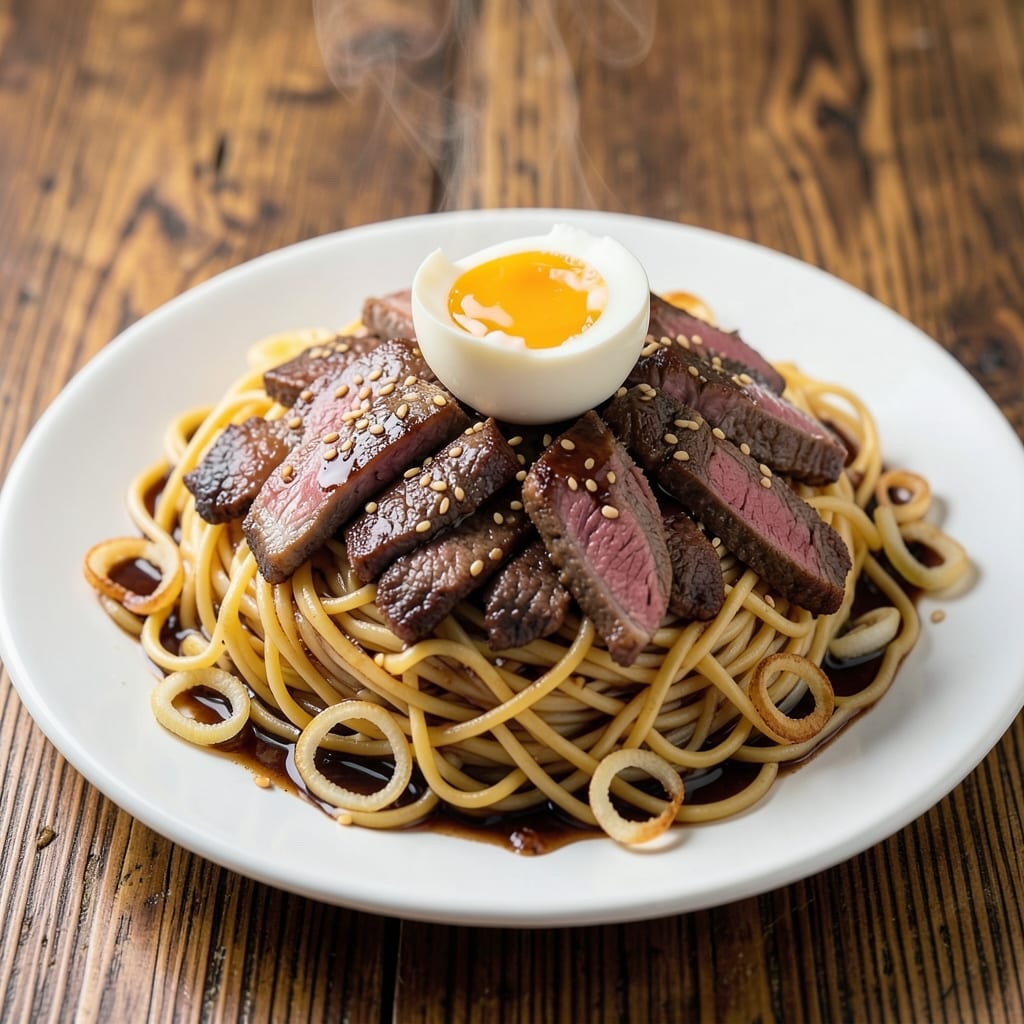
This Chinese beef egg noodles recipe delivers restaurant-quality wok-seared beef and silky egg ribbons in every bite. The secret lies in high-heat stir-frying to achieve that signature caramelized crust on the beef while keeping the noodles perfectly al dente. I've perfected this technique over years of testing, ensuring the flavors are bold yet balanced—rich soy, aromatic ginger, and just the right amount of heat.
The dish starts with tender beef slices marinated in a blend of soy sauce, cornstarch, and sesame oil, which creates that signature chewy texture when seared. Meanwhile, fresh egg noodles are prepared with a touch of salt and oil for that classic silky texture. The sauce—a simple yet flavorful combination of soy, oyster sauce, and a splash of Shaoxing wine—ties everything together with deep umami notes.
What you'll end up with is a dish that's both hearty and elegant: perfectly seared beef strips with crisp edges, tender egg noodles that cling to the sauce, and a light dusting of green onions for freshness. The aroma alone will have everyone gathering around the table, and the first bite delivers on that satisfying contrast of textures and flavors.
This recipe serves four and comes together in under 30 minutes, making it perfect for weeknight dinners or weekend family meals. The technique is straightforward but requires attention to timing—especially when stir-frying the beef—to ensure that caramelized crust without overcooking. Let's get started on creating this comforting classic.
Ingredients for chinese beef egg noodles
Restaurant-quality wok sear and silky egg ribbons start with these 15 essential ingredients.
| Ingredient | Amount | Notes |
|---|---|---|
| Flank Steak 🥩 | 1 lb | Thinly sliced against grain |
| Egg Noodles 🍜 | 8 oz | Fresh or dried, cooked al dente |
| Large Eggs 🥚 | 4 whole | Freshly beaten for ribbons |
| Light Soy Sauce 🥄 | ½ cup | Kikkoman preferred for balance |
| Dark Soy Sauce 🥄 | 1 tbsp | For color and depth |
| Cornstarch 🌾 | 2 tbsp | For tenderizing beef |
| Sesame Oil 🫒 | 1 tbsp | Toasted for aroma |
| Oyster Sauce 🍲 | 2 tbsp | Lee Kum Kee brand recommended |
| Shaoxing Wine 🍷 | 2 tbsp | Substitute dry sherry if unavailable |
| Fresh Ginger 🧄 | 1 tbsp | Finely minced, peeled |
| Garlic Cloves 🧄 | 4 cloves | Minced for aromatic base |
| Green Onions 🧅 | 3 whole | Sliced diagonally for garnish |
| Vegetable Oil 🫒 | ½ cup | High smoke point for wok searing |
| Salt 🧂 | ½ tsp | Kosher or sea salt |
| White Pepper 🌶️ | ¼ tsp | Freshly ground preferred |
The beef selection is critical—flank steak delivers that signature chewy texture when sliced thin against the grain. Look for well-marbled cuts at Whole Foods or your local Asian market. If you can't find flank steak, sirloin or ribeye work in a pinch, but slice them thinner. For the egg noodles, fresh is ideal (you'll find them in the refrigerated section), but dried works too—just cook them al dente. The eggs? Freshness matters here—crack them into a bowl first to check for any surprises. For the soy sauces, I always recommend Kikkoman light soy and a quality dark soy like La Choy for that deep umami punch.
No Shaoxing wine? Dry sherry or even a splash of dry vermouth will do in a bind. The oyster sauce can be substituted with hoisin sauce plus a dash of fish sauce if you're avoiding shellfish. For the sesame oil, toasted is non-negotiable—regular sesame oil won't give you that nutty aroma. The cornstarch is doing double duty here—tenderizing the beef and helping create that signature chewy texture. If you're short on time, substitute arrowroot powder at a 1:1 ratio. The ginger and garlic are your aromatic base—fresh is best, but if you're using dried, halve the amount. For the green onions, use the whole thing—white and green parts both add flavor, just slice them separately for presentation.
The beef marinade keeps for 24 hours in the fridge, making this a great make-ahead dish. Cooked noodles reheat beautifully—just toss with a splash of water and steam for 30 seconds to revive that silky texture. The egg ribbons should be cooked immediately before serving, but you can prepare the sauce components ahead. For storage, the entire cooked dish keeps for 3-4 days in the fridge—reheat gently on the stove with a splash of water to prevent drying. Freeze portions for up to 3 months, but the egg ribbons may separate slightly upon thawing, so plan to cook fresh eggs when reheating.
Why You'll Love This Recipe
- Steak in Minutes: The flank steak slices tenderize fast—no waiting hours. Toss them in a hot wok with a splash of light soy, and they’re ready before you finish boiling the noodles. Honestly, I’ve made this on days when I forgot to thaw meat.
- Umami Bomb: That combo of dark soy and light soy? Pure magic. The dark soy adds depth, while the light keeps it bright—like a perfect balance of salty-sweet. Add a fried egg on top, and it’s like a hug in a bowl.
- Leftover Goldmine: This dish tastes even better the next day. Reheat the noodles with a splash of water, and the beef gets that irresistible chewy texture. Between us, I’ve eaten this for lunch three times in a row without getting tired of it.
- Budget Weeknight Win: Flank steak stretches far, and egg noodles are cheap. A single pound feeds four, and the eggs add richness without breaking the bank. Not the prettiest, but the taste makes up for it every time.
Step-by-step instructions for Chinese beef egg noodles
Here's how to create restaurant-quality beef egg noodles with perfectly tender beef and silky egg ribbons.
🍳 Step 1: Marinate and Slice the Flank Steak
In a medium bowl, combine the 2 tablespoons cornstarch, 0.5 teaspoon salt, and 0.25 teaspoon white pepper. Add the 1 pound flank steak and toss to coat evenly, making sure the cornstarch adheres to all surfaces. This creates a tenderizing crust that prevents toughness during cooking.
Let the steak marinate for 30 minutes at room temperature. While waiting, thinly slice the flank steak against the grain into ¼-inch thick strips. The grain runs diagonally across the steak, so you'll need to rotate your knife slightly as you slice. Keep the sliced beef in a single layer on a plate to prevent sticking until ready to cook.
🍳 Step 2: Cook the Egg Noodles Al Dente
Bring a pot of water to a rolling boil and add the 8 ounces egg noodles. Cook according to package directions until 1 minute before they're fully done—this ensures they finish cooking in the hot wok and don't turn mushy. Drain immediately and toss with 1 tablespoon toasted sesame oil to prevent sticking. Set aside, covered, until ready to combine with the beef.
I always cook noodles slightly underdone because they'll absorb heat from the wok and finish perfectly. If using fresh egg noodles, they'll cook faster—watch closely and taste test at the 2-minute mark. The noodles should be tender but still hold their shape when bitten.
🔥 Step 3: Wok-Sear the Beef in High Heat
Heat a wok or large skillet over high heat until smoking hot. Add 0.5 cup vegetable oil and swirl to coat the bottom. Working in batches if needed, add the sliced beef in a single layer. Let it sear undisturbed for 1-2 minutes until the edges turn deep golden brown and the beef releases easily from the pan.
This high-heat searing is crucial—it creates that signature wok-char flavor. If the pan isn't hot enough, the beef will steam instead of sear. Push the cooked beef to one side of the wok and add 1 tablespoon minced fresh ginger and 4 cloves minced garlic. Stir for 10 seconds until fragrant—don't let the garlic burn.
🥘 Step 4: Build the Flavorful Sauce
Pour in the 2 tablespoons Shaoxing wine and scrape up any browned bits from the bottom of the wok with a wooden spoon. This deglazing step captures all the beef's flavor. Add 0.5 cup light soy sauce, 1 tablespoon dark soy sauce, and 2 tablespoons oyster sauce, stirring constantly to combine.
Let the sauce simmer for 1-2 minutes until it thickens slightly and coats the back of a spoon. The dark soy sauce adds color and depth while balancing the light soy's saltiness. If the sauce seems too thin, reduce by 30 seconds longer—it'll thicken as it absorbs the beef's juices.
🍳 Step 5: Create Silky Egg Ribbons and Combine
Push the beef mixture to one side of the wok. In a small bowl, beat the 4 whole large eggs until just combined. Slowly pour the eggs into the hot wok, stirring gently with a spatula to create silky ribbons. Work quickly—the eggs should cook in 10-15 seconds before they scramble.
Immediately add the cooked egg noodles and toss everything together for 30 seconds until thoroughly combined. The residual heat from the wok will finish cooking the noodles perfectly. Garnish with 3 whole green onions, sliced diagonally, for freshness and color.
🍽️ Step 6: Serve Immediately for Maximum Freshness
Divide the beef egg noodles among 4 bowls and serve right away. The dish should be piping hot with perfectly tender beef, silky egg ribbons, and al dente noodles. Each bite should deliver a balance of savory, umami, and slightly sweet flavors from the sauce.
For best results, serve with extra green onions on the side and a drizzle of toasted sesame oil. The dish tastes even better the next day when the flavors meld further, but the egg ribbons will be less silky. Enjoy immediately for that authentic restaurant experience!
Pro Tips For Making Chinese Beef Egg Noodles
- Slice Against the Grain: Flank steak’s fibers run long, and if you don’t cut them, you’ll end up chewing like you’re eating shoe leather. Angle those slices diagonally—almost parallel to the cutting board—so each bite has tender, melt-in-your-mouth texture. (Yes, it takes a second longer, but your jaw will thank you.)
- Marinate for 20 Minutes: I used to skip this, thinking it was optional, but 20 minutes in a mix of light soy, dark soy, and a splash of Shaoxing wine makes a real difference. The steak absorbs just enough flavor to sing when it hits the pan—no dry, bland beef here. (Pro tip: Don’t overcrowd the bowl; let the marinade coat every surface.)
- Boil Noodles Until Al Dente: Egg noodles finish cooking in the wok, so pull them when they’re still slightly firm—about 2 minutes before package instructions. Toss them with a drizzle of oil right away to prevent sticking, and they’ll soak up the beef’s juices like a sponge. (Trust me, mushy noodles are a crime in this dish.)
- Fry Eggs Low and Slow: Crank the heat too high, and you’ll end up with scrambled eggs instead of silky, runny yolks. Cook them on medium-low, stirring gently, until just set—you want that custardy center. Slide them into the wok whole so they melt into the beef and noodles like a rich, creamy blanket. (I know, I know—it’s tempting to rush.)
Regional styles of this chinese beef egg noodles
Shanghai Style
In Shanghai, this dish is often served with a lighter, clearer broth that lets the beef and egg ribbons shine. The key difference is using less soy sauce—just 2 tablespoons light soy instead of half a cup—and adding 1 tablespoon Shaoxing wine to the beef marinade. The sauce is finished with 1 teaspoon sugar and 1 teaspoon cornstarch slurry for a glossy, velvety texture. Garnish with thinly sliced scallions and a sprinkle of toasted sesame seeds for extra crunch. 🌟
Sichuan Spicy Twist
For a fiery Sichuan version, add 1 tablespoon chili oil to the wok after searing the beef, then toss in 1 teaspoon Sichuan peppercorns (toasted and crushed) for that signature numbing heat. The sauce gets a boost of 1 tablespoon doubanjiang (fermented chili bean paste) and 1 teaspoon gochujang for depth. Serve with pickled mustard greens on the side to balance the heat. Use dried egg noodles instead of fresh for better texture contrast. 🌶️
Hong Kong Street Food
Hong Kong street vendors often serve this dish with a thicker, stickier sauce—achieved by reducing the sauce longer and adding 1 tablespoon hoisin sauce at the end. The beef is sliced even thinner (about ⅛-inch thick) and cooked in small batches for maximum wok hei (breath of the wok). Garnish with crispy fried shallots and a drizzle of chili oil for that authentic street-food vibe. Serve in steaming bowls for extra drama. ✨
Taiwanese Home-Style
Taiwanese home cooks often add diced mushrooms (like shiitake or oyster) to the beef for extra umami. The sauce includes 1 tablespoon fermented black beans for a salty, funky depth. The egg ribbons are sometimes replaced with soft-boiled eggs (6 minutes) that are halved and placed on top. Finish with thinly sliced chives and a sprinkle of white pepper for a lighter, more aromatic profile. This version is perfect for family-style dining. 🍜
Cantonese Restaurant Classic
In Cantonese restaurants, this dish is often served with a clear, light broth (made from chicken or pork bones) instead of a thick sauce. The beef is marinated in 1 tablespoon Shaoxing wine and 1 teaspoon baking soda (for extra tenderness) before searing. The egg ribbons are cooked separately in a steamer for a delicate texture, then tossed with the beef and noodles at the end. Garnish with crispy fried garlic and a drizzle of oyster sauce for a refined touch. 🍴
Nutrition facts
Frequently asked questions about Chinese beef egg noodles
Can I use dried egg noodles instead of fresh?
Yes, but there are key differences! Dried noodles work in a pinch, but fresh egg noodles give that signature silky texture. If using dried, cook them 1 minute less than package instructions and toss with 1 tablespoon sesame oil after draining to prevent sticking. For extra authenticity, look for "fresh egg noodles" in the refrigerated section of Asian markets.
Why does my beef turn tough instead of tender?
This usually happens when beef isn't sliced against the grain or cooked at too low heat. Always slice flank steak at a 45-degree angle to cut across the muscle fibers. Use a smoking-hot wok and sear beef in 1-2 minutes max—overcooking makes it chewy. The cornstarch marinade helps, but proper slicing and high heat are critical!
How do I make the egg ribbons extra silky?
Work quickly and use a hot wok—eggs should cook in 10-15 seconds max. Beat eggs just until combined (no froth), then pour slowly while stirring gently with a spatula. For extra silkiness, add 1 teaspoon sugar to the egg mixture. The key is speed: eggs scramble if they sit too long in the pan.
Can I make this dish ahead of time?
Yes, but with a few adjustments. Cook the beef and noodles separately, then refrigerate in airtight containers for up to 2 days. Reheat gently with 1 tablespoon water to revive moisture. The egg ribbons are best made fresh—they lose silkiness when reheated. For make-ahead convenience, prepare the sauce components separately and assemble everything just before serving.
What's the best way to store leftovers?
Store in an airtight container in the fridge for 3-4 days. Reheat gently on the stove with 1-2 tablespoons water to prevent drying. For freezing, package components separately (beef, noodles, sauce) and freeze for up to 3 months. Thaw overnight in the fridge—never microwave directly. The egg ribbons may separate slightly upon reheating.