
Breakfast & Brunch
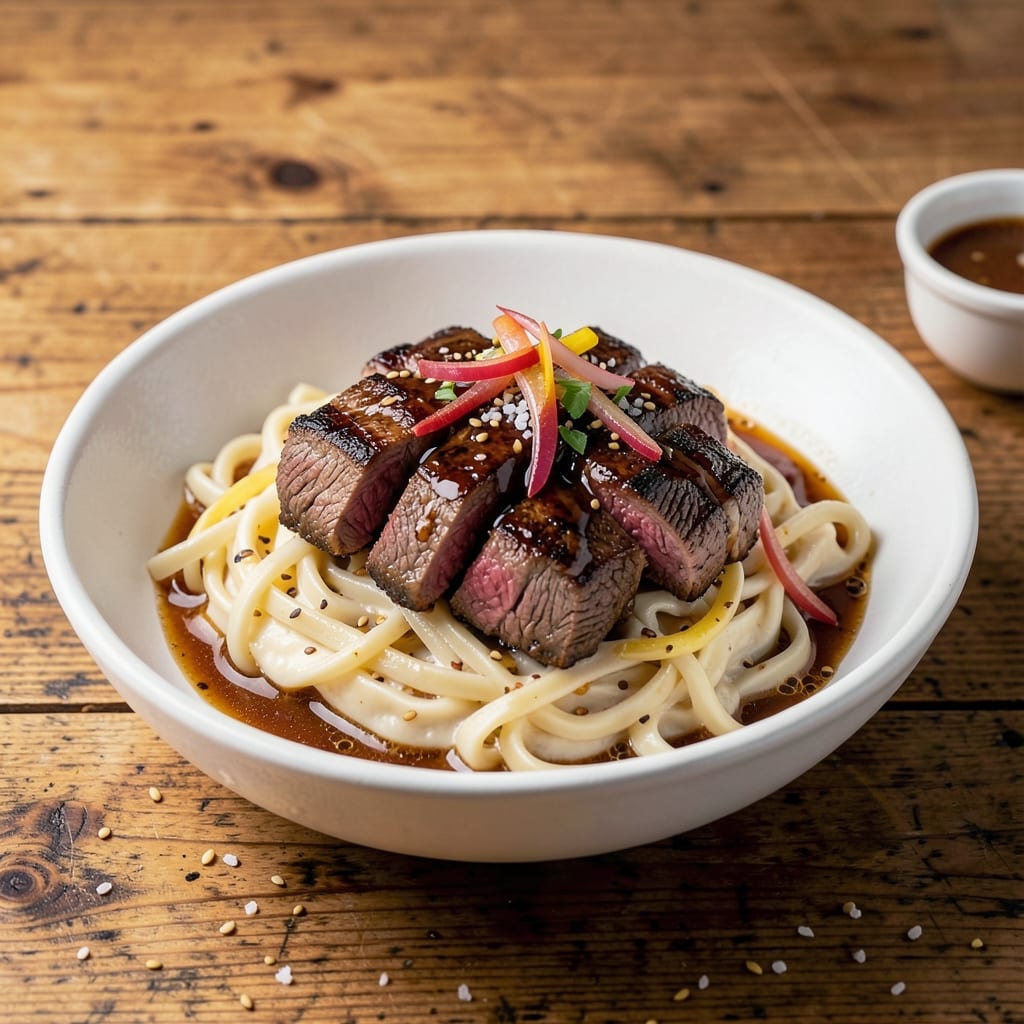
This beef over egg noodles recipe transforms a simple skillet into a restaurant-worthy dish with tender beef, silky egg noodles, and rich gravy. The secret lies in proper searing and slow simmering—techniques that build deep flavor without requiring advanced skills. I developed this version after realizing how much better homemade tastes compared to takeout, and it’s become my go-to for hearty breakfasts or cozy dinners.
The beauty of this recipe is its balance: crispy edges on the beef, perfectly cooked egg noodles that soak up the savory sauce, and a velvety gravy that ties everything together. Unlike many versions, this one uses a simple brown sauce base that you can customize with soy sauce, Worcestershire, or a splash of red wine for depth. The result is a dish that’s both comforting and restaurant-quality, ready in under 45 minutes.
What sets this apart is the technique—starting with a hot sear for the beef to lock in juices, then deglazing the pan to create a flavorful foundation. The egg noodles cook directly in the skillet, absorbing the rich beef broth and sauce while maintaining their signature silky texture. This method ensures every bite delivers the perfect combination of tender beef, chewy noodles, and savory sauce.
Serve it family-style with steamed vegetables or a simple side salad to round out the meal. The leftovers reheat beautifully, making it ideal for meal prep. Here’s how to make it perfectly every time.
Ingredients for beef over egg noodles
Restaurant-quality beef over egg noodles starts with these 15 essential ingredients, balancing rich beef with silky noodles and deep umami sauce.
| Ingredient | Amount | Notes |
|---|---|---|
| Top Sirloin Steak 🥩 | 1 ¼ lb | Cut into 1-inch cubes, trimmed of fat |
| Egg Noodles 🍜 | 12 oz | Fresh or dried, wide ribbons preferred |
| Yellow Onion 🧅 | 1 whole | Thinly sliced, about 1 cup |
| Garlic Cloves 🧄 | 4 cloves | Minced, about 1 tbsp |
| Beef Broth 💧 | 2 cups | Low-sodium preferred, homemade or high-quality |
| Soy Sauce 🍶 | 2 tbsp | Light or dark variety |
| Worcestershire Sauce 🍶 | 1 tbsp | For umami depth |
| Red Wine 🍷 | ½ cup | Dry variety like Cabernet Sauvignon |
| Tomato Paste 🍅 | 2 tbsp | Smooth, not chunky |
| Unsalted Butter 🧈 | 2 tbsp | For richness, high-fat preferred |
| Olive Oil 🫒 | 1 tbsp | For initial searing |
| Salt 🧂 | 1 ½ tsp | Kosher or sea salt, adjust to taste |
| Black Pepper 🌶️ | ½ tsp | Freshly ground for best flavor |
| Fresh Thyme 🌿 | ¼ cup | Leaves only, chopped |
| Green Onions 🧅 | 2 whole | Thinly sliced, for garnish |
The beef is the star—top sirloin delivers perfect tenderness when seared and slow-cooked. Look for well-marbled cuts at your butcher or grocery store's meat counter. Costco or Whole Foods often carry pre-cut cubes, saving you time. For egg noodles, fresh is ideal (they cook faster and maintain texture), but dried works in a pinch—just soak them in warm water for 5 minutes before adding to the skillet. The yellow onion should be sweet and crisp; avoid wilted or bitter varieties. Garlic? Freshly minced makes all the difference—pre-minced loses flavor quickly.
No red wine? Substitute beef broth with 1 tbsp balsamic vinegar for depth. Fresh thyme unavailable? Dried thyme at one-third the amount works, but the aroma won't be as vibrant. The tomato paste can be replaced with 1/4 cup crushed tomatoes if you prefer a smoother sauce. For a quicker version, swap the wine and broth for 2 cups beef stock plus 1 tbsp soy sauce. The green onions are purely decorative but add a bright finish—skip if you're short on time, but the dish will feel incomplete without them. Worcestershire sauce contains anchovies, so omit if avoiding fish products.
This dish reheats beautifully—cover with foil and warm on low heat for 5 minutes. Keeps for 3-4 days in the fridge, though flavor peaks on day 2. For meal prep, portion into airtight containers with a thin layer of butter on top to prevent drying. Freezes for up to 3 months—thaw overnight in the fridge before reheating. The sauce thickens as it cools, so add a splash of broth when reheating if it feels too stiff. Garnish with extra green onions and a crack of black pepper right before serving for maximum freshness.
Why You'll Love This Recipe
- I’ll be real: top sirloin isn’t cheap, but here’s the trick—you use less than you think. A single steak stretches over a heap of noodles, and the broth stretches it further. Leftovers? Even better. Reheat with a splash of water, and it tastes like you just made it fresh.
- One-Pan Magic: I swear by this recipe when I’m too tired to scrub pots. Sear the steak, toss in the onions and garlic, then dump in the noodles and broth—boom, done. The steak slices right over the top, soaking up that rich broth while the noodles soften perfectly.
- Umami Bomb: That first bite of tender steak cutting through the eggy, chewy noodles? It’s like a flavor hug. The beef broth deepens the taste, and the onions caramelize just enough to add a sweet, savory punch without extra effort.
- Lunchbox Hero: Between us, this is my go-to for meal prep. Cook a big batch, let it cool, and portion it into containers—steak stays juicy, noodles hold up, and the broth keeps it all moist. Pack it for work or school, and you’ve got a satisfying, no-fuss lunch that costs less than takeout.
Step-by-step instructions for savory beef over egg noodles
This one-skillet method delivers tender beef and silky noodles in perfect harmony.
Sear the Beef for Maximum Flavor
Heat the 1 tablespoon olive oil in a large skillet over medium-high heat until shimmering. Add the 1.25 lb top sirloin steak, cut into 1-inch cubes, and cook undisturbed for 3-4 minutes until deeply browned on all sides. This initial sear creates the Maillard reaction that builds rich flavor.
Work in batches if needed to avoid crowding the pan. Once all beef is browned, remove it from the skillet and set aside on a plate. Don't drain the rendered beef fat—this golden liquid is packed with flavor that will form the base of your sauce. I press down gently on the beef cubes during searing to prevent curling and ensure even contact with the pan.
Build the Flavorful Sauce Base
In the same skillet, reduce heat to medium and add 2 tablespoons unsalted butter. Let it melt completely, then add the thinly sliced yellow onion and cook for 5 minutes until softened and translucent. Add the minced garlic cloves and 2 tablespoons tomato paste, stirring constantly for 1 minute until fragrant.
Deglaze the pan by pouring in the 0.5 cup red wine and scraping up any browned bits from the bottom. Let it simmer for 2 minutes until reduced by half. This step develops the sauce's depth and removes the alcohol's sharpness. If you notice the onions sticking, add a splash of beef broth to loosen them.
Simmer the Beef in Rich Broth
Return the seared beef to the skillet and add the 2 cups beef broth, 2 tablespoons soy sauce, and 1 tablespoon Worcestershire sauce. Bring to a gentle simmer, then reduce heat to low and cover partially. Let it cook for 15-20 minutes, stirring occasionally, until the beef is fork-tender and the sauce has thickened slightly.
The beef should be tender enough to pierce easily with a fork but still hold its shape. If the sauce reduces too quickly, add a splash of water or broth to maintain the proper consistency. During this time, the beef will absorb all the savory flavors from the broth and aromatics, creating a deeply flavorful base.
Cook the Egg Noodles to Perfection
While the beef simmers, cook the 12 oz egg noodles according to package instructions until al dente. Drain and set aside, reserving ½ cup pasta water. The noodles should be tender but still have a slight bite. I like to use wide ribbons as they hold up better in the skillet and create a more substantial dish.
Add the cooked noodles to the beef mixture and toss gently to combine. If needed, add reserved pasta water 1 tablespoon at a time until the noodles are fully coated in the rich sauce. The starchy pasta water helps create a silky sauce that clings beautifully to each strand. Season with 1.5 teaspoons salt and 0.5 teaspoon black pepper, adjusting to taste.
Finish with Fresh Herbs and Garnish
Stir in the 0.25 cup chopped fresh thyme and cook for an additional 2 minutes to infuse the dish with bright, aromatic notes. Remove from heat and let it rest for 2 minutes to allow the flavors to meld together. The dish should be hot but not boiling when served.
Divide the beef and noodles among serving plates, garnishing each portion with thinly sliced green onions. The bright green color contrasts beautifully with the rich beef and golden noodles. Serve immediately while hot, as the noodles will continue to absorb the sauce as they cool. Each bite should deliver tender beef, silky noodles, and a complex sauce that balances savory, umami, and herbal notes.
Pro Tips For Making Beef Over Egg Noodles
- Slice Thin, Cook Fast: Thinly slice the top sirloin against the grain—about 1/8-inch thick—and sear it in one batch over high heat for 1-2 minutes per side. I used to cut it thicker, and the beef would turn chewy by the time the noodles were done. Thin slices stay tender while still holding up to the broth.
- Sweat Onions Low and Slow: Cook the onions in a dry pan over medium-low heat for 10-12 minutes until deeply caramelized, stirring occasionally. I learned the hard way—high heat burns them before they soften, and you end up with bitter bits instead of sweet depth. Patience here makes the whole dish richer.
- Salt the Broth Like the Sea: Use 1.5 teaspoons of salt per 4 cups of beef broth (or more if using homemade). Store-bought broth is often bland, and this recipe relies on it for flavor. Taste it before adding to the noodles—you can always adjust, but you can’t unsalt water.
- Rest the Beef, Not the Noodles: Let the sliced beef rest for 5 minutes under foil after searing, while you cook the noodles. I skipped this once and the beef turned rubbery by the time I plated it. The noodles don’t need resting—they’re fine al dente straight from the pot.
Pro cooking tips for great beef over egg noodles
Perfect Sear Technique
For restaurant-quality beef, sear your 1-inch cubes of top sirloin in a hot skillet with 1 tablespoon olive oil over medium-high heat for 3-4 minutes per side without moving them. This creates the Maillard reaction that builds deep flavor. I press down gently with a spatula to prevent curling—this ensures even browning and maximum surface contact. 🔥
Deglaze Like a Pro
After removing the beef, scrape up all the browned bits (fond) from the bottom of your skillet with a wooden spoon. These flavor-packed particles form the base of your sauce. Deglaze immediately with 0.5 cup red wine, letting it simmer until reduced by half. This step removes alcohol sharpness while concentrating flavors. Never skip this—it’s where 30% of your dish’s depth comes from!
Sauce Consistency Secrets
The perfect sauce should coat the back of a spoon but still be pourable. If it thickens too quickly while simmering, add 1-2 tablespoons beef broth at a time. For extra richness, stir in 2 tablespoons unsalted butter at the end—this creates a silky texture that clings beautifully to the noodles. I like to taste-test the sauce before adding noodles to adjust seasoning.
Noodle Timing Tricks
Cook your 12 oz egg noodles just until al dente (about 1 minute less than package instructions). Reserve ½ cup pasta water—this starchy liquid is liquid gold for creating a velvety sauce. Toss the noodles directly into the beef mixture and add pasta water 1 tablespoon at a time until everything is perfectly coated. The noodles will finish cooking in the hot skillet.
Resting for Flavor
After combining everything, let the dish rest for 2-3 minutes off the heat. This allows the sauce to thicken slightly and the flavors to meld together. I find this step transforms the dish from "good" to "wow." During this time, I also garnish with thinly sliced green onions—their bright color makes the rich beef and noodles pop on the plate. 💫
Equipment Must-Haves
Use a 12-inch cast iron skillet (like Lodge) for even heat distribution and superior searing. A wooden spoon helps scrape up fond without scratching your pan. For precise temperature control, invest in a thermometer—I use the ThermoWorks Smoke to monitor both skillet and beef temps. A fine-mesh strainer comes in handy for draining noodles while keeping that precious pasta water.
Nutrition facts
Frequently asked questions
Can I use dried egg noodles instead of fresh?
Dried egg noodles work perfectly—just soak them in warm water for 5 minutes before adding to the skillet. They'll absorb the rich beef sauce beautifully while maintaining their texture. For extra flavor, add them to the pan slightly undercooked and let them finish in the hot beef mixture.
What's the best cut of beef for this recipe?
Top sirloin is ideal for its tenderness and flavor, but flank steak or chuck roast also work well. Cut the beef into 1-inch cubes for even cooking. If using chuck, simmer it 5 minutes longer to ensure tenderness. Avoid lean cuts like sirloin tip—they can dry out during the long simmer.
How can I make this dish spicier? Add ½ teaspoon red pepper flakes when searing the beef, or stir in 1 tablespoon sriracha with the Worcestershire sauce. For heat lovers, top with chopped jalapeños or a sprinkle of gochujang (Korean chili paste) at the end.
Can I prepare this ahead of time?
Yes! Cook the beef and sauce up to 2 days ahead and refrigerate. Reheat gently on low heat, adding 1-2 tablespoons beef broth if the sauce thickens too much. For meal prep, store components separately (beef/sauce in one container, noodles in another) and combine when ready to eat. The flavors actually improve overnight!
Why did my beef turn out tough?
Overcooking or using lean cuts most often causes toughness. Always cut beef into 1-inch cubes and cook until just tender (145°F internal temp). For extra tenderness, marinate the beef for 30 minutes in soy sauce and garlic before cooking. Avoid stirring the beef constantly while simmering—this breaks down the fibers.