
Breakfast & Brunch
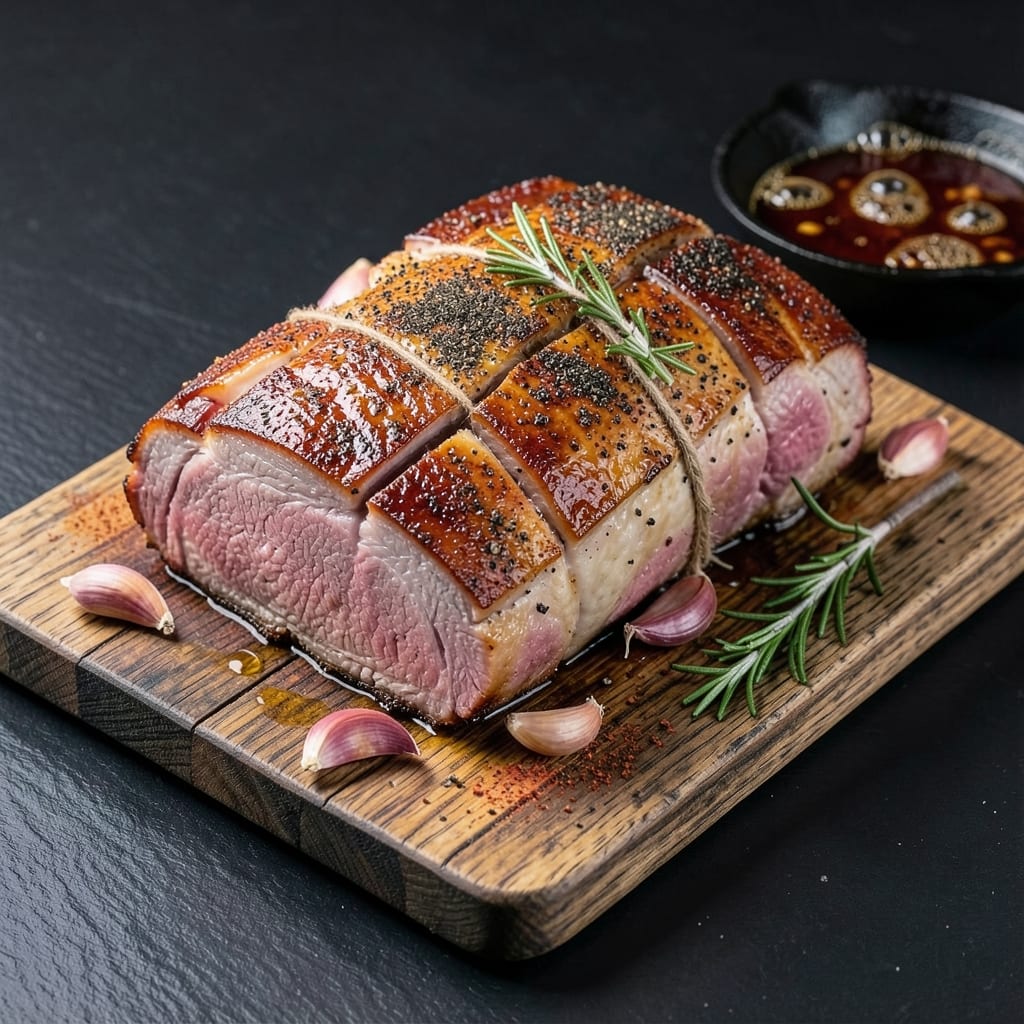
This Big Green Egg ribeye roast recipe delivers restaurant-quality results with a smoky charred crust and melt-in-your-mouth tenderness. The secret lies in mastering the Big Green Egg’s heat control—charcoal on the bottom, a hot lid, and precise temperature management to create that perfect crust while keeping the center juicy. I’ve perfected this technique after countless test runs, and it’s now a staple for weekend brunches or special occasions.
Start with a well-seasoned ribeye roast, searing it directly over the charcoal for that signature crust before moving it to indirect heat. The Big Green Egg’s even heat distribution ensures consistent cooking, while the lid traps moisture for a tender interior. A 300°F target temperature keeps the meat cooking gently after the initial sear, preventing overcooking while building deep, smoky flavors.
Once the internal temperature hits 125°F for medium-rare, let the roast rest for at least 15 minutes—this step is non-negotiable for retaining juices. Pair it with roasted garlic potatoes or grilled asparagus to round out the meal, and a bold red wine or whiskey cocktail to complement the rich, smoky notes. The result? A showstopping dish that tastes like it came from a high-end steakhouse.
This recipe isn’t just about the meat—it’s about the experience. The Big Green Egg’s versatility lets you control the heat, smoke, and timing with precision, while the open flame adds a level of flavor you can’t replicate on a stovetop. Whether you’re cooking for a crowd or treating yourself, this method guarantees a juicy, flavorful roast every time.
Ingredients for big green egg ribeye roast
Master these ingredients for a Big Green Egg ribeye that delivers smoky char and juicy perfection every time.
| Ingredient | Amount | Notes |
|---|---|---|
| Ribeye Roast 🥩 | 2 ½ lb | Bone-in, well-marbled, 1.5-inch thick |
| Kosher Salt 🧂 | 1 ½ tbsp | Diamond Crystal preferred |
| Freshly Ground Black Pepper 🌶️ | 1 tbsp | Coarse grind for texture |
| Smoked Paprika 🌶️ | 1 tsp | For subtle smoky depth |
| Garlic Powder 🧄 | 1 tsp | Freshly toasted preferred |
| Extra-Virgin Olive Oil 🫒 | 2 tbsp | For searing and basting |
| Charcoal Briquettes 🔥 | 10 pieces | Lump charcoal for best heat |
| Hardwood Chips 🌳 | ½ cup | Hickory or cherry preferred |
| Butter 🧈 | 4 tbsp | Unsalted, softened for basting |
| Fresh Rosemary 🌿 | 4 sprigs | For aromatic smoke infusion |
| Fresh Thyme 🌿 | 2 sprigs | Leaves only for subtle flavor |
| Red Wine 🍷 | ¼ cup | Bold Cabernet Sauvignon preferred |
| Beef Tallow 🧈 | 1 tbsp | For extra fat render during sear |
The ribeye is non-negotiable—look for bone-in cuts with good marbling from a butcher shop or high-end grocery like Whole Foods. I always buy from Snake River Farms when I can, but any reputable source with dry-aged options works. The 1.5-inch thickness ensures even cooking without drying out. For charcoal, Kingsford or Cowboy brand lump charcoal burns hotter and cleaner than briquettes. Soak your hardwood chips in water for 30 minutes before using—they'll smoke beautifully without burning.
No smoked paprika? Substitute with a pinch of liquid smoke (1/4 tsp) plus extra salt. Fresh rosemary and thyme are ideal, but dried works at one-third the amount. Running low on red wine? Beef broth with a splash of balsamic mimics the depth. The beef tallow is optional but worth it—it renders during the sear, adding extra richness. If you're avoiding fat, just use more olive oil. For the salt, Diamond Crystal dissolves differently than Morton, so adjust to taste. And trust me, skip the pre-mixed rubs—homemade seasoning makes all the difference.
Charcoal stays hot for about 2 hours in the Big Green Egg, so plan ahead. Store your ribeye uncovered in the fridge for 24 hours before cooking—this helps dry the surface for better crust. The hardwood chips can be pre-soaked and stored in the fridge for up to 2 days. Leftovers? Wrap tightly in butcher paper and refrigerate for 3-4 days. Freeze for up to 3 months—just thaw overnight in the fridge before reheating. The best part? This roast actually tastes better the next day as the flavors meld.
Why You'll Love This Recipe
- One-Pan Magic: I swear by this recipe—just the roast, a sprinkle of salt, and a quick rub of smoked paprika and garlic powder before it goes into the Big Green Egg. No fancy prep, no extra pans, and honestly, the cleanup is just wiping one surface.
- Smoky Garlic Kiss: That ribeye gets this perfect crust with a tender inside, and the smoked paprika and garlic powder? They turn it into something that tastes like a restaurant cut but made at home. My husband still asks for seconds even after I tell him it’s “just a roast.”
- Weeknight Hero: Between us, this is my go-to when I’m exhausted but need something impressive. The Big Green Egg does all the work—juicy, flavorful, and ready in under an hour. Even my picky teenager doesn’t complain.
- Leftover Luxury: Here’s what sold me—this roast makes enough for leftovers that taste just as good cold the next day. Slice it thin for sandwiches, or toss it into a salad. I’ll be real: I’ve eaten it straight from the fridge, and it’s still solid.
Step-by-step instructions for Big Green Egg ribeye roast
This method delivers that coveted smoky charred crust while keeping the heart juicy and tender.
Prep and Season the Ribeye Roast
Start by patting the ribeye roast completely dry with paper towels—this is crucial for that crispy crust. I like to use two layers of paper towels to get it bone dry. Then, rub the entire surface with the 1 tablespoon freshly ground black pepper, pressing it into the meat so it adheres well. This creates a flavorful barrier that prevents the roast from drying out during the long cook.
Next, create a dry rub by mixing the 1.5 tablespoons kosher salt, 1 teaspoon smoked paprika, and 1 teaspoon garlic powder in a small bowl. Generously coat the roast with this mixture, making sure to get into all the crevices. Let it sit at room temperature for 30 minutes while you prepare the grill—this allows the seasoning to penetrate and the meat to cook more evenly.
Set Up the Big Green Egg for Indirect Heat
Arrange the 10 pieces charcoal briquettes in a ring around the edge of the Big Green Egg, leaving the center empty. Add the 0.5 cup hardwood chips to the charcoal ring—this creates a smoke chamber that infuses the meat with deep, aromatic flavors. Light the charcoal and let it burn until it's covered with a thin layer of white ash, which usually takes about 15 minutes. This ensures a steady, even heat without flare-ups.
Once the charcoal is ready, adjust the heat to 275°F for indirect cooking. You'll want to maintain this temperature throughout the entire process—too hot and you'll dry out the meat, too cool and it won't develop that perfect crust. I always use an infrared thermometer to monitor the temperature, placing it just above the charcoal ring to get an accurate reading.
Sear and Smoke the Roast
Heat a cast-iron skillet over the direct heat area of the Big Green Egg until it's screaming hot. Add 1 tablespoon beef tallow and 2 tablespoons extra-virgin olive oil to the skillet—this combination gives you a high smoke point while adding rich flavor. Once the oil is shimmering, carefully place the ribeye roast in the skillet, fat-side down, and sear for 5 minutes until a deep brown crust forms.
Flip the roast and sear the other side for another 5 minutes. Then, transfer the roast to the indirect heat area of the Big Green Egg, placing it on the grill grates. Close the lid and let it smoke for 2.5 to 3 hours, or until the internal temperature reaches 125°F. This low-and-slow approach ensures the meat stays tender and juicy while developing that beautiful smoke ring.
Baste and Finish with Butter and Herbs
About 30 minutes before the roast is done, prepare the basting mixture by melting the 4 tablespoons butter in a small saucepan over low heat. Once melted, remove from heat and stir in the 4 sprigs fresh rosemary and 2 sprigs fresh thyme, letting the herbs infuse the butter for 5 minutes. This adds an aromatic depth that ties everything together.
Brush the roast generously with the herb-infused butter every 20 minutes during the last hour of cooking. This basting step not only adds flavor but also helps create a glossy, caramelized crust. When the internal temperature reaches 125°F, remove the roast from the grill and let it rest for 15 minutes before slicing. This resting period allows the juices to redistribute, ensuring each bite is moist and flavorful.
Deglaze and Serve
While the roast rests, deglaze the cast-iron skillet with the 0.25 cup red wine, scraping up all the browned bits from the bottom. Let it reduce by half over medium heat, then strain out any solids to create a rich, flavorful pan sauce. This sauce captures all the caramelized fond from the searing process, adding depth to every bite.
Slice the roast against the grain into ½-inch thick slices and serve immediately with the red wine reduction drizzled over the top. The result should be a perfectly balanced dish—smoky, charred on the outside, and juicy with a tender heart. Each slice should be rich, flavorful, and melt-in-your-mouth tender, making it a showstopper for any meal.
Pro Tips For Making Big Green Egg Ribeye Roast
- USE A MEAT THERMOMETER: The Green Egg’s thick cast iron walls trap heat differently than your stovetop or oven. I learned this the hard way—my first ribeye came out dry because I eyeballed it at 130°F instead of waiting for 135°F for medium-rare. The Green Egg runs hotter than it looks, so trust the probe, not the time.
- SALT THE ROAST 24 HOURS EARLY: This isn’t just about seasoning—it’s about texture. Ribeye roasts release moisture when salted fresh, which means a softer crust and less flavor penetration. My grandmother swore by this, and she was right: salt the roast the night before, then let it sit uncovered in the fridge. The crust will be perfect, and the meat stays juicier.
- SEAR IN BATCHES: The Green Egg’s lid traps steam, but if you crowd the roast, you’ll end up with a sad, pale crust instead of that beautiful caramelized bark. Sear the roast first over direct heat for 3–4 minutes per side, then move it to indirect heat. If you’re cooking multiple sides, work in batches—your patience will pay off with a restaurant-quality crust.
- ADD A SPLASH OF WATER: Sounds weird, but it works: After searing, add ¼ cup of water to the bottom of the Green Egg before closing the lid. The steam circulates and keeps the roast moist while the crust develops. I skip this when I’m lazy, but the dish is noticeably better when I don’t—especially with a big ribeye that can dry out.
Best sauces and condiments for these flavors
Classic Red Wine Reduction
Use the leftover red wine from your roast to create a silky pan sauce that ties everything together. After searing the ribeye, deglaze the cast-iron skillet with ½ cup bold Cabernet Sauvignon, scraping up all the caramelized fond. Reduce over medium-high heat for 5-7 minutes until it thickens slightly. Finish with 1 tablespoon cold butter for a glossy, velvety sauce that drizzles beautifully over each slice. 🍷
Garlic-Herb Compound Butter
For an elevated finishing touch, whip ½ cup softened butter with 2 minced garlic cloves, 1 tablespoon fresh thyme leaves, and ½ teaspoon smoked paprika. Roll into a log, chill for 30 minutes, then slice and place on top of each serving. The butter melts into the warm roast, adding richness and aroma with every bite.
Smoky Chipotle Aioli
Blend ½ cup mayonnaise, 1 chipotle pepper in adobo sauce, 1 teaspoon lime juice, ½ teaspoon cumin, and 1 tablespoon chopped cilantro for a bold, smoky dip. Serve alongside the roast for dipping or drizzle lightly over sliced meat. This adds a Mexican-inspired twist that complements the Big Green Egg's smoky flavors beautifully. 🌶️
Balsamic Glaze
Simmer ½ cup balsamic vinegar with 1 tablespoon brown sugar and 1 teaspoon Dijon mustard until reduced by half. Drizzle over sliced ribeye just before serving for a tangy, glossy finish. The acidity cuts through the richness, balancing the dish perfectly. I keep a bottle of Marco Polo balsamic vinegar on hand for this purpose—it's worth the investment.
Whiskey-Mustard Pan Sauce
For a boozy twist, deglaze the skillet with ¼ cup bourbon instead of wine, then add 1 tablespoon whole-grain mustard and 2 tablespoons beef broth. Simmer until thickened, then strain. This sauce adds depth and a subtle warmth that pairs wonderfully with the charred crust. Perfect for whiskey lovers who want to elevate their meal. 🥃
Fresh Herb Crème Fraîche
Mix ½ cup crème fraîche with 1 tablespoon chopped fresh rosemary, 1 tablespoon chopped chives, and ½ teaspoon lemon zest for a light, tangy topping. Dollop alongside the roast or spread on each slice. The cool, creamy texture contrasts beautifully with the warm, smoky meat. This is my go-to for a lighter sauce option that still packs flavor. 🌿
Nutrition facts
Frequently asked questions
What’s the best cut of ribeye for this Big Green Egg roast?
Look for a bone-in ribeye roast that’s 1.5 inches thick with good marbling. The bone adds flavor and helps retain moisture during the long cook. I recommend buying from a butcher shop or high-end grocer like Whole Foods for the best quality. A 2.5 lb roast serves 4 people generously.
How do I adjust cooking time for different ribeye sizes?
For every additional ½ inch of thickness, add 15-20 minutes to the total cooking time. A 3 lb roast will take about 3.5-4 hours total (including searing). Always use a meat thermometer—125°F for medium-rare is ideal. The Big Green Egg’s even heat makes timing more predictable than open flames.
Can I use lump charcoal instead of briquettes?
Lump charcoal burns hotter and cleaner, giving you better temperature control. Use about 8-10 pieces (instead of briquettes) arranged in a ring. The key difference is lump charcoal burns through faster, so you’ll need to add more as needed. I prefer Kingsford or Cowboy brand lump charcoal for this recipe.
What if my Big Green Egg isn’t maintaining the right temperature?
If the temperature fluctuates, check your charcoal placement—keep it in a tight ring around the edges. For 275°F indirect cooking, you may need to add 2-3 more briquettes every 30 minutes. A chimney starter helps get consistent heat. Never open the lid unnecessarily—each time you do, you lose 50°F of heat. Use an infrared thermometer for accuracy.
How can I make this ribeye ahead of time?
Cook the roast as directed, then let it cool completely. Wrap tightly in butcher paper (not plastic) and refrigerate for 3-4 days or freeze for up to 3 months. To reheat, warm in the Big Green Egg at 250°F for 15-20 minutes with a splash of beef broth. The flavors actually improve overnight as they meld!