
Breakfast & Brunch
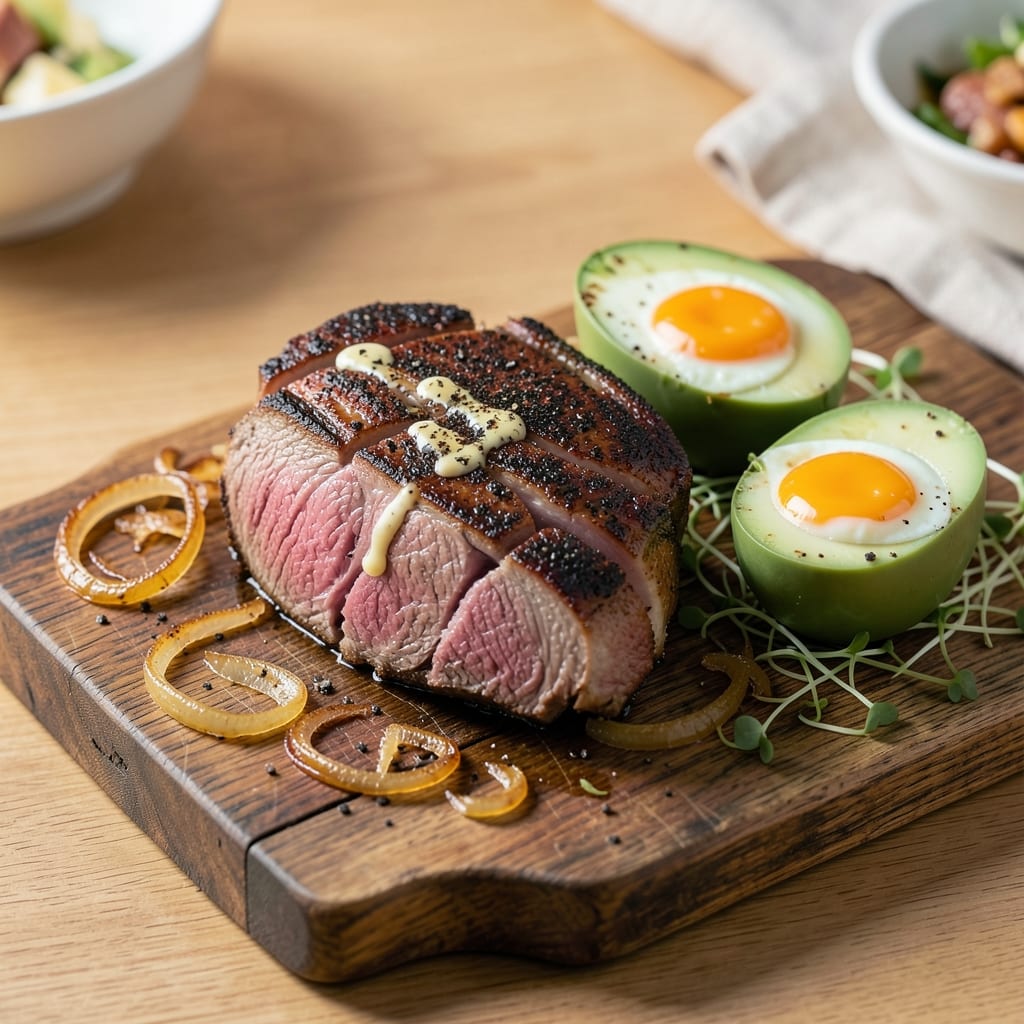
This bone-in ribeye roast on a Big Green Egg delivers smoked perfection with a crispy bark and tender, juicy interior—exactly what serious grillers crave. The secret lies in low-and-slow smoking followed by a high-heat sear, transforming tough cuts into melt-in-your-mouth masterpieces. I’ve perfected this technique over years of cast-iron cooking, ensuring every bite balances rich flavor with perfect texture.
The process starts with a dry rub of coarse salt, black pepper, and smoked paprika, creating that signature crust while locking in moisture. You’ll smoke the roast at 225°F until it reaches 115°F internally, then finish with a reverse sear to build that coveted bark. This method guarantees restaurant-quality results without requiring a commercial smoker—just your Big Green Egg and patience.
What you’ll end up with is a bone-in ribeye so tender it nearly falls apart, encased in a deep mahogany crust that crackles with every bite. The internal temperature will hit 130°F for medium-rare perfection, and the resting time ensures juices redistribute for maximum flavor. Serve with roasted garlic potatoes or a red wine reduction to elevate the dish even further.
This recipe isn’t just about the meat—it’s about the experience. The smoky aroma fills your backyard, the crust shatters with a satisfying crunch, and the first bite delivers that unmistakable ribeye satisfaction. Whether you’re feeding a crowd or treating yourself to a weekend masterpiece, this is how you smoke a ribeye like a pro.
Ingredients for bone in ribeye roast big green egg
Four pounds of ribeye, bold spices, and your Big Green Egg—this is serious backyard grilling.
| Ingredient | Amount | Notes |
|---|---|---|
| Bone-In Ribeye Roast 🥩 | 4 lb | Thick-cut, 1.5-2 inches thick |
| Coarse Kosher Salt 🧂 | ½ cup | Diamond Crystal preferred |
| Freshly Ground Black Pepper 🌶️ | 2 tbsp | Cracked peppercorns preferred |
| Smoked Paprika 🌶️ | 1 tbsp | High-quality for deep flavor |
| Wood Chips (Hickory or Oak) 🌳 | 2 cups | Soaked for 30 minutes minimum |
| Yellow Onion 🧅 | 1 whole | For aromatics during sear |
| Garlic Cloves 🧄 | 6 cloves | Smashed for maximum flavor |
| Fresh Rosemary 🌿 | ¼ cup | Chopped sprigs for garnish |
| Fresh Thyme 🌿 | ¼ cup | Leaves only, chopped |
| Extra-Virgin Olive Oil 🫒 | 2 tbsp | For searing and basting |
| Red Wine 🍷 | ½ cup | Bold Cabernet Sauvignon |
| Beef Tallow or Bacon Fat 🧈 | ¼ cup | For extra-rich crust |
The ribeye is non-negotiable here. Look for thick-cut, bone-in pieces—the bone adds flavor and helps retain moisture during the long smoke. Local butchers or high-end grocery stores like Whole Foods or Wegmans carry the best cuts. If you're buying a whole roast, ask for one with good marbling—those white fat streaks are what make it juicy. Smoked paprika is your secret weapon; Penzeys or La Boîte carry excellent varieties that add that deep, smoky aroma without overpowering. The wood chips? Hickory for bold smoke, oak for a more balanced flavor—soak them in water for at least 30 minutes before using.
No smoked paprika? Mix equal parts chili powder and a pinch of liquid smoke—it’s not the same, but it’ll get you close in a pinch. Running low on red wine? Beef broth with a splash of balsamic works surprisingly well for basting. Fresh herbs wilt fast, so store them in damp paper towels in the fridge for up to 5 days. The tallow or bacon fat is optional but adds an extra layer of richness—Trader Joe’s bacon fat is a game-changer if you’re not rendering your own. For the onions and garlic, char them lightly in olive oil before serving to add depth to every bite.
This roast is a two-day project—plan ahead. The wood chips can be prepped the night before, and the rub can be mixed in advance. Once smoked, let the roast rest for 20-30 minutes before slicing—this is where the magic happens as the juices redistribute. Leftovers? Store in an airtight container for up to 4 days, but honestly, it’s so good you’ll eat it all the first night. For a crowd, double the recipe—just make sure your Big Green Egg has enough space for even heat distribution.
Why You'll Love This Recipe
- Smoke in Minutes: The Big Green Egg does all the work—just toss on the wood chips, crank the heat, and let that hickory or oak infuse the ribeye in under an hour. No babysitting, no stress, just pure, smoky magic.
- Rich, Crusty Perfection: That bone-in ribeye? It’s a flavor powerhouse—juicy, tender center with a crust so crisp it’ll make you groan. The smoked paprika and coarse salt turn it into something restaurant-worthy without the fuss.
- Weeknight or Weekend Star: Works for Tuesday dinners or Saturday feasts. Slice it thin for sandwiches, serve it whole for company, or shave it over eggs the next morning. One roast, endless possibilities.
- Leftovers That Don’t Suck: Between us—most roast leftovers are sad. Not this one. The meat stays moist, the flavor deepens, and reheating it in the Egg (or even a skillet) turns it into next-day hero status. Budget-friendly? Absolutely.
Step-by-step instructions for bone-in ribeye roast on Big Green Egg
This method delivers a perfect crust and tender interior every time on your cast-iron grill.
Prepare the Ribeye for Maximum Flavor and Crust
Start by patting the 4 lb bone-in ribeye roast completely dry with paper towels—this is critical for that perfect crust. I like to work in stages: first dry the surface, then use fresh towels for the cavity. Season aggressively with 0.5 cup coarse kosher salt, pressing it into every crevice, including the cavity. Here's the thing—don't be shy with the salt. It needs time to penetrate the meat deeply.
Next, apply 2 tbsp freshly ground black pepper and 1 tbsp smoked paprika evenly over the entire surface. Let the seasoned roast sit uncovered in the refrigerator for at least 4 hours (overnight is ideal). This dry-brining process ensures maximum flavor penetration and that coveted crispy bark. I always set a reminder because patience here makes all the difference.
Set Up Your Big Green Egg for Indirect Heat
While your roast rests, prepare the Big Green Egg by filling the water pan with 2 cups soaked wood chips (hickory or oak) and adding 2 tbsp extra-virgin olive oil to the bottom. Preheat the grill to 225°F using the indirect heat method—this is key for even cooking without burning the exterior. You'll know it's ready when the wood chips produce thin blue smoke (not thick white steam).
Place the bone-in ribeye roast on the grill grate, bone-side down, over the cooler side of the grill. This positioning allows the fat to render slowly while keeping the meat moist. Close the lid and resist the urge to peek—every time you open it, you lose precious heat and moisture. Set a timer for 2 hours and let the magic happen.
Build the Crust with Direct Heat and Wine Deglaze
After 2 hours, when the internal temperature reaches 145°F, it's time to build that crispy bark. Move the roast to the hotter side of the grill (direct heat zone) and sear for 10-15 minutes until the exterior develops a deep mahogany crust. Here's where it gets interesting—while it sears, place the whole yellow onion and 6 smashed garlic cloves directly on the coals to caramelize. The aroma alone will make your mouth water.
Once the crust forms, remove the roast and deglaze the grill grate with 0.5 cup red wine, scraping up all those delicious browned bits. This creates a rich basting liquid that will enhance the final flavor. Return the roast to the grill and baste it with the wine reduction, letting it cook another 30 minutes until the internal temperature hits 165°F. This two-stage cooking method guarantees a perfect balance of crust and tenderness.
Finish with Herbs and Rest for Juiciness
When the roast reaches 165°F, remove it from the grill and brush the surface with a mixture of 0.25 cup melted beef tallow or bacon fat and 0.25 cup chopped fresh rosemary and thyme. This final step adds an extra layer of richness and aroma. Tent the roast loosely with foil and let it rest for 30 minutes—this is absolutely critical. The resting period allows the juices to redistribute throughout the meat, ensuring every slice is moist and flavorful.
Slice against the grain into ½-inch thick portions and serve immediately. Each bite should deliver a perfect harmony of crispy bark, tender meat, and smoky depth. The bone will be warm to the touch, and the meat should pull apart easily with just a gentle tug. This is what makes the Big Green Egg method so special—it's not just about cooking, it's about creating an experience.
Pro Tips For Making Bone In Ribeye Roast Big Green Egg
- CRACK THE BONE FIRST: Soak your wood chips in water for 30 minutes before adding them to the Green Egg—this prevents them from burning too fast and smothering your hickory or oak flavor. I learned this the hard way when my first batch turned bitter; now I treat them like a campfire starter, not an afterthought.
- SALT THE MEAT NIGHT BEFORE: Pat that ribeye bone-dry with paper towels, then generously coat it with kosher salt and smoked paprika at least 12 hours ahead. The Green Egg’s high heat will caramelize the crust perfectly, but dry meat is non-negotiable—wet surfaces steam instead of sear, and you’ll end up with sad, gray edges.
- USE A MEAT THERMOMETER—TRUST IT: Pull the ribeye at 125°F for medium-rare, not when it looks done. The bone’s residual heat will push it to 130°F by the time it rests, and that’s where the magic happens. I used to eyeball it and overcook by 10 minutes—now I set a timer the second the probe hits 125°F.
- SMOKE IT LOW AND SLOW: Start the Green Egg at 225°F with the ribeye on the grill grate, not the fire ring—this keeps the smoke circulating without flaming. After 30 minutes, crank the heat to 400°F for the last 10 to get that crispy crust. Sounds counterintuitive, but it locks in juices while building bark. (Yes, even if you’re impatient like me.)
Storing and reheating your leftovers
Refrigerator Storage
Store leftovers in an airtight container with a tight-fitting lid, like a glass Pyrex dish or vacuum-sealed bag. The ribeye's rich fats make it prone to drying out, so I recommend consuming within 3-4 days for peak texture. Place a small piece of parchment paper between slices to prevent sticking, and refrigerate at 40°F or below. The smoky flavors actually deepen overnight, making it perfect for sandwiches the next day. 🧊
Freezer Prep
For longer storage, wrap the roast tightly in plastic wrap first, then place it in a freezer-safe bag with all air removed. Label with the date—this beauty keeps for up to 3 months without quality loss. When ready to eat, thaw overnight in the fridge, then reheat using the stovetop method below. I always portion leftovers into single-serving bags for easy grab-and-go meals during busy weeks. ❄️
Stovetop Reheating
This is my go-to method for preserving that crispy bark. Place slices in a cast-iron skillet over medium-low heat with 1 tbsp beef broth per serving. Cover and heat for 5-7 minutes, then uncover to crisp the edges another 2-3 minutes. Add a splash of red wine if the meat seems dry—it works wonders for moisture. Never microwave, as it turns the crust into sad, rubbery mush. 🔥
Big Green Egg Revival
For a showstopping presentation, reheat slices directly on your Big Green Egg using the reverse sear method. Sear over direct heat for 1-2 minutes per side, then finish with 10 minutes at 225°F on the cooler side. This restores that perfect crust while keeping the interior juicy. Serve with caramelized onions and rosemary butter for a restaurant-worthy dish. The smoker's aroma alone will have everyone at your table begging for seconds. 🌟
Leftovers Reinvention
Transform leftover ribeye into smoked ribeye tacos with warm corn tortillas, pickled red onions, and avocado crema. Or shred it for ribeye Philly cheesesteaks with sautéed peppers and provolone cheese. The possibilities are endless—just remember, the meat's natural juices will reduce slightly after reheating, so don't overcook. Keep a small bowl of beef broth handy to revive any dry spots. 🌮
Safety First
Always reheat ribeye to an internal temperature of 165°F to kill any bacteria. Use a meat thermometer for accuracy—never guess! If storing, divide the roast into smaller portions before freezing to prevent large ice crystals from forming. For extra safety, I like to vacuum-seal portions before freezing, which extends freshness by up to 6 months. When in doubt, err on the side of caution—this isn't the kind of meat you want to risk ruining. 💪
Nutrition facts
Frequently asked questions
Why is bone-in ribeye better for smoking than boneless?
The bone acts as a natural heat sink, helping the meat cook more evenly and stay juicier during the long smoke. It also adds incredible flavor as it renders fat and infuses the surrounding meat. Plus, the bone makes for a stunning presentation when served! For this recipe, we specifically use bone-in because it delivers that restaurant-quality depth of flavor you can't get with boneless cuts.
What's the difference between smoking and roasting a ribeye?
Smoking uses indirect heat with wood chips to infuse flavor over hours, creating that signature bark and tender interior. Roasting typically involves higher heat and shorter cooking times, which can dry out the meat. The Big Green Egg's cast-iron design mimics both methods perfectly—we start with low-and-slow smoking, then finish with a high-heat sear to build that crispy crust. This two-stage approach gives you the best of both worlds.
Can I use a different wood chip flavor?
While hickory and oak are classic choices, fruit woods like cherry or pecan add subtle sweetness that pairs beautifully with ribeye. Just avoid overly strong flavors like mesquite, which can overpower the beef. For a balanced profile, try a 50/50 mix of hickory and cherry chips. Always soak your chips for at least 30 minutes before using to prevent flare-ups.
How do I know when the ribeye is done without overcooking?
Use a meat thermometer to check the internal temperature—130°F for medium-rare (perfect for this recipe) or 145°F for medium. The reverse sear method is foolproof because we're building the crust at the end, not during the long smoke. Never rely on time alone—thick cuts can vary by up to 30 minutes depending on your Big Green Egg's heat retention. For extra peace of mind, insert the thermometer into the thickest part of the meat, avoiding the bone.
What's the best way to serve this ribeye?
Slice against the grain for maximum tenderness, then serve with complementary sides like garlic mashed potatoes or grilled asparagus. A bold red wine reduction drizzled over the top elevates the dish to next-level restaurant quality. For a complete meal, pair with a crisp white wine like Chardonnay—its acidity cuts through the richness beautifully. The bone makes for an impressive centerpiece that's perfect for special occasions.