
Breakfast & Brunch
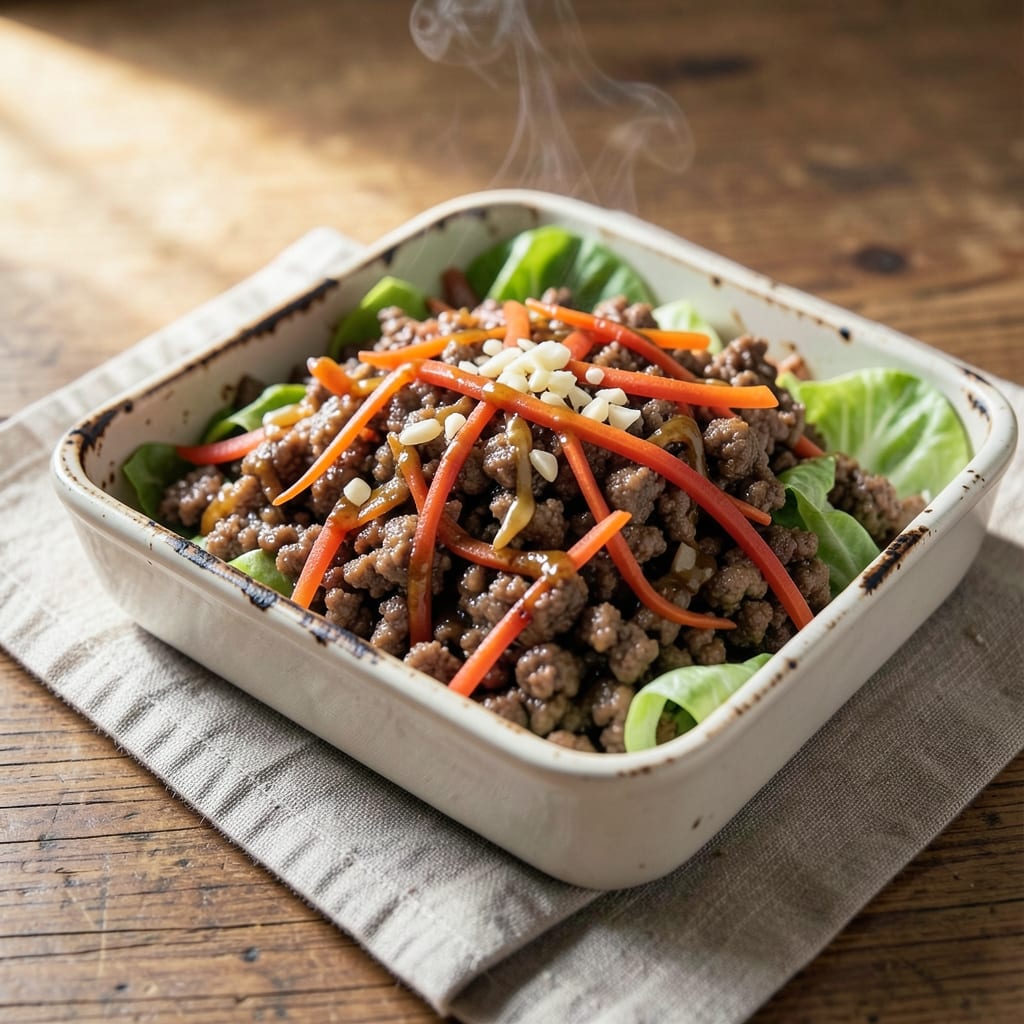
This beef egg roll filling recipe transforms simple ground beef into a flavor-packed centerpiece for crispy wonton wrappers. The secret lies in proper seasoning and texture—finely diced vegetables blend seamlessly with the meat, creating a cohesive filling that stays tender yet holds its shape when wrapped. I've perfected this version over years of testing, ensuring every bite delivers that perfect balance of savory, slightly sweet, and umami-rich flavors.
The process is straightforward but critical for success: first, we cook the beef until fully browned to develop deep flavor, then add aromatic vegetables and a carefully measured seasoning blend. This isn't just any filling—it's designed to complement the delicate crispness of wonton wrappers while standing up to frying without becoming soggy. The key ingredients include ground beef, cabbage, carrots, and a precise mix of soy sauce, oyster sauce, and cornstarch for binding.
What makes this recipe truly special is its versatility. You can adjust the spice level to taste, swap in gluten-free wrappers, or even bake the egg rolls for a lighter alternative. The filling maintains its integrity whether pan-fried, air-fried, or baked, ensuring consistent results every time. Each bite should offer a satisfying contrast between the tender meat-vegetable mixture and the crispy wrapper exterior.
Perfect for appetizers, lunch boxes, or dinner parties, this filling transforms ordinary ingredients into restaurant-quality bites. The technique ensures you'll never settle for store-bought again—once you taste the difference, there's no going back to the generic versions. Let's create filling that will impress even the most discerning eaters.
Ingredients for beef egg roll filling
These carefully selected ingredients create restaurant-quality beef egg roll filling with perfect texture and umami depth.
| Ingredient | Amount | Notes |
|---|---|---|
| Ground Beef 🥩 | 1 lb | 80/20 fat ratio preferred |
| Green Cabbage 🥬 | 3 cups | Finely shredded, core removed |
| Carrots 🥕 | 1 cup | Finely diced, small pieces |
| Garlic Cloves 🧄 | 4 cloves | Minced for aromatic depth |
| Fresh Ginger 🌿 | 1 tbsp | Finely grated, fresh preferred |
| Soy Sauce 🍶 | 2 tbsp | High-quality, light variety |
| Oyster Sauce 🍲 | 1 ½ tbsp | Premium quality for umami |
| Sesame Oil 🫒 | 1 tsp | Toasted, for aroma |
| Cornstarch 🌾 | 1 tbsp | For binding texture |
| Vegetable Oil 🫒 | 1 tbsp | High smoke point |
| Salt 🧂 | ½ tsp | Diamond Crystal preferred |
| Black Pepper 🌶️ | ¼ tsp | Freshly ground |
| White Pepper 🌶️ | ¼ tsp | For subtle heat |
| Sugar 🍚 | 1 tsp | Balances flavors |
The ground beef is the foundation—80/20 fat ratio ensures juiciness while maintaining structure. Most grocery stores carry this, but Costco offers the best price per pound for bulk recipes. Look for bright red, well-marbled beef at the meat counter, not the pre-packaged ground chuck. The cabbage should be firm and crisp with no yellowing leaves—Trader Joe's or Whole Foods typically carry the freshest heads. Carrots can be baby carrots if that's what's available, but organic carrots from the farmers market have better flavor. Fresh ginger is non-negotiable here; the pre-grated jars lack punch. Penzeys sells excellent ginger root if you can't find fresh at your local market.
No soy sauce? Coconut aminos work in a pinch, though the flavor profile differs slightly. Oyster sauce is tricky to substitute—vegetarian oyster sauce or a mix of soy sauce and a splash of fish-free Worcestershire gets close. The sesame oil can be omitted if you're sensitive to strong flavors, but trust me, it's worth the small amount. For the cornstarch, arrowroot powder works identically. If you're making this ahead, the filling keeps well in the fridge for 3 days—just reheat gently before wrapping. The sugar balances the umami, so don't skip it unless you're using a particularly sweet oyster sauce.
This filling maintains its integrity for 3 days in the fridge when stored in an airtight container. For longer storage, portion into freezer-safe bags with parchment between layers to prevent sticking—keeps for 3 months. When ready to use, thaw overnight in the fridge. The texture is delicate after freezing, so handle gently when wrapping. For best results, use within 2 days of making the filling. The wrappers will crisp up beautifully whether pan-fried or air-fried, but never microwave—always cook fresh from frozen or chilled.
Why You'll Love This Recipe
- No-Chop Nightmare: I swear by this recipe when I’m too tired to julienne. The cabbage and carrots get tossed in whole—yes, whole—and the beef’s high heat breaks them down into perfect bite-sized pieces. My kids still think I’m a magic chef.
- Umami Bomb: That ginger-garlic-beef combo? It’s the kind of flavor that makes you pause mid-bite. The cabbage soaks up the juices like a sponge, and the carrots add just enough sweetness to balance the savory punch. Honestly, I’ve made this filling three times this month and never once reached for takeout.
- Double-Duty Magic: Use it in egg rolls, sure, but I also stuff it into lettuce wraps or freeze it for lazy nights. (Yes, even on a Tuesday night.) The filling keeps for days in the fridge, and the flavors only get deeper—perfect for when you’re meal prepping but don’t want to eat the same thing twice.
- Budget Win: Ground beef, a head of cabbage, and a few carrots feed my family for days. I’ll be real: this recipe saved me $50 last month compared to buying pre-made filling. Plus, the leftovers reheat like a dream—crispy edges, tender meat, no soggy bits. My wallet and taste buds thank me.
Step-by-step instructions for beef egg roll filling recipe
Here's the method for crafting a perfectly balanced, umami-rich filling that delivers authentic egg roll flavor.
Prep and Sauté the Aromatics
Heat the 1 tablespoon vegetable oil in a large skillet over medium-high heat until shimmering. Add the 4 cloves minced garlic cloves and 1 tablespoon finely grated fresh ginger, cooking for 30 seconds until fragrant—not browned. This quick sear releases their essential oils without burning, which forms the aromatic foundation of the filling.
Next, add the 1 pound ground beef and break it apart with a wooden spoon. Cook for 4-5 minutes until the beef loses its raw color and begins to brown. Use a spatula to break up any large clumps, ensuring even cooking. The goal is to render the fat while developing a rich, meaty flavor base. If the pan gets too dry, add 1 tablespoon water to prevent sticking.
Season and Build the Sauce
Once the beef is mostly cooked, reduce heat to medium and stir in the 2 tablespoons soy sauce, 1.5 tablespoons oyster sauce, 0.5 teaspoon salt, 0.25 teaspoon black pepper, 0.25 teaspoon white pepper, and 1 teaspoon sugar. These ingredients work together to create depth—soy sauce for saltiness, oyster sauce for umami, sugar to balance acidity, and peppers for subtle heat.
Let the mixture simmer for 2 minutes until slightly reduced. The sauce should coat the back of a spoon, indicating proper concentration. This step transforms the filling from bland to complex. Taste and adjust seasoning if needed—you may want to add a pinch more salt or sugar depending on your preference.
Incorporate Vegetables and Thicken
Add the 3 cups finely shredded green cabbage and 1 cup finely diced carrots to the skillet. Stir well to distribute the sauce evenly over the vegetables. Cook for 3-4 minutes until the cabbage wilts and the carrots soften slightly but retain their shape. Overcooking will turn the filling mushy, which is critical for texture in egg rolls.
Sprinkle the 1 tablespoon cornstarch over the mixture and stir vigorously for 1-2 minutes until the filling thickens to a moist yet packable consistency. The cornstarch acts as a binder, preventing the filling from becoming watery when wrapped. If the filling seems too dry, add 1 tablespoon water to maintain moisture.
Finish with Sesame Oil and Cool
Remove the skillet from heat and stir in the 1 teaspoon toasted sesame oil. This final touch adds nutty aroma and depth of flavor. The sesame oil should be added off the heat to preserve its delicate aroma—adding it too early would cause it to burn.
Let the filling cool to room temperature before wrapping. This step is crucial—cool filling is easier to handle and won't steam inside the wrappers, which could make them soggy. Once cooled, the filling should be moist but not wet, with a texture that holds its shape when pressed gently. Transfer to an airtight container and refrigerate until ready to use.
Pro Tips For Making Beef Egg Roll Filling
- STIR-FRY FAST, STOP STEAMING: Cook the beef first in a hot, oiled wok or skillet until it’s just browned—no need to fully cook it. Then push it to the side, add a splash of water, and let the garlic and ginger sizzle for 10 seconds before tossing in the cabbage and carrots. This keeps the filling dry and prevents soggy egg rolls later.
- GRATE, DON’T CHOP CARROTS: Use a box grater for the carrots—matchstick cuts work, but fine, julienne-style shreds blend better and cook faster. Skip the knife unless you’re going for texture contrast, but for classic egg roll filling, smaller means more even cooking.
- SALT THE CABBAGE BEFORE COOKING: Toss the shredded cabbage with a pinch of salt (about ¼ teaspoon per cup) and let it sit for 5 minutes. This draws out moisture, so it crisps up properly when stir-fried. Rinse and drain if it gets too wet—no one wants a watery filling.
- FREEZE THE FILLING FOR 10 MINUTES: After mixing everything, spread the filling on a plate and pop it in the freezer for 10 minutes. The cold makes it firmer and easier to roll without sticking or tearing wrappers. (Yes, even if you’re impatient—your egg rolls will thank you.)
Flavor customization for this dish
Spice Level Control
Adjust the heat to your preference by adding ½ teaspoon red pepper flakes for mild warmth or 1 teaspoon chili garlic sauce for a kick. I often start with ½ teaspoon—just enough to complement the umami without overpowering. For extra depth, a pinch of Sichuan peppercorn powder adds a tingling sensation that pairs beautifully with the sesame oil. 🌶️
Sweet and Savory Balance
If you prefer less sweetness, reduce the sugar to ½ teaspoon or swap it for 1 teaspoon honey for a floral note. For extra richness, add ½ teaspoon fish sauce (if not vegetarian) or 1 teaspoon coconut aminos for a similar umami boost. The oyster sauce already provides depth, but these tweaks let you customize the flavor profile.
Vegetable Variations
Swap out cabbage for 3 cups shredded napa cabbage for a milder taste or 2 cups bean sprouts for extra crunch. For a heartier texture, add ½ cup finely diced water chestnuts—they hold their shape beautifully and add a subtle sweetness. I’ve also used 1 cup shredded Brussels sprouts in winter for a peppery twist.
Protein Swaps
For a leaner option, replace the beef with 1 pound ground turkey or chicken thigh (skinless). If you’re vegetarian, 1 cup crumbled tempeh or 15 oz extra-firm tofu (pressed and crumbled) works well—just marinate the tofu in 1 tbsp soy sauce + 1 tsp sesame oil before cooking. The texture will differ slightly, but the flavor remains rich and satisfying. 🥗
Gluten-Free Adaptations
Skip the soy and oyster sauces and use 2 tbsp gluten-free tamari plus 1 tbsp coconut aminos instead. For binding, replace cornstarch with 1 tbsp arrowroot powder or 1 tbsp gluten-free flour blend. The filling will still hold together perfectly, and the wrappers can be swapped for gluten-free wonton wrappers (like King Noodle brand).
Texture Tweaks
For extra crispiness, add 1 tbsp toasted sesame seeds at the end. If the filling feels too moist, stir in ½ tbsp more cornstarch before cooling. For a creamier texture, mix in 1 tbsp hoisin sauce—it adds a slight sweetness and silkiness. The key is always to balance moisture and structure so the filling stays cohesive when wrapped. ✨
Nutrition facts
Frequently asked questions
How do I prevent the filling from getting soggy when wrapping?
Always cool the filling completely before assembling—warm filling creates steam that softens wrappers. Use 1 tablespoon cornstarch as a binder, and pack the filling tightly but not too full (wrappers should seal easily). For extra crispiness, chill the wrapped egg rolls for 15 minutes before cooking.
Can I make this filling ahead of time?
Yes! Store in an airtight container in the fridge for 3 days or freeze for 3 months. Thaw overnight in the fridge—never microwave. The texture remains perfect for wrapping when properly stored. For best results, use within 2 days of making.
What's the best way to cook the egg rolls?
Pan-fry in ½ inch vegetable oil at 350°F for 2-3 minutes per side until golden brown. For crispier results, air-fry at 375°F for 8-10 minutes, flipping halfway. Baking at 400°F for 15-18 minutes gives a lighter texture but less crunch.
Why does my filling taste bland?
Check your seasoning—oyster sauce provides umami depth, so use 1.5 tablespoons as written. For extra flavor, add ½ teaspoon fish sauce (if not vegetarian) or toast the sesame oil for 10 seconds before adding. Taste as you go and adjust salt/sugar to balance.
Can I use pre-shredded coleslaw mix instead of fresh cabbage?
Yes, but it will be less crisp. For best texture, use 2 cups of the mix (it's more hydrated) and cook for 2 minutes less to prevent mushiness. Drain excess moisture first if possible. Fresh cabbage always yields better results, but this works in a pinch.