
Breakfast & Brunch
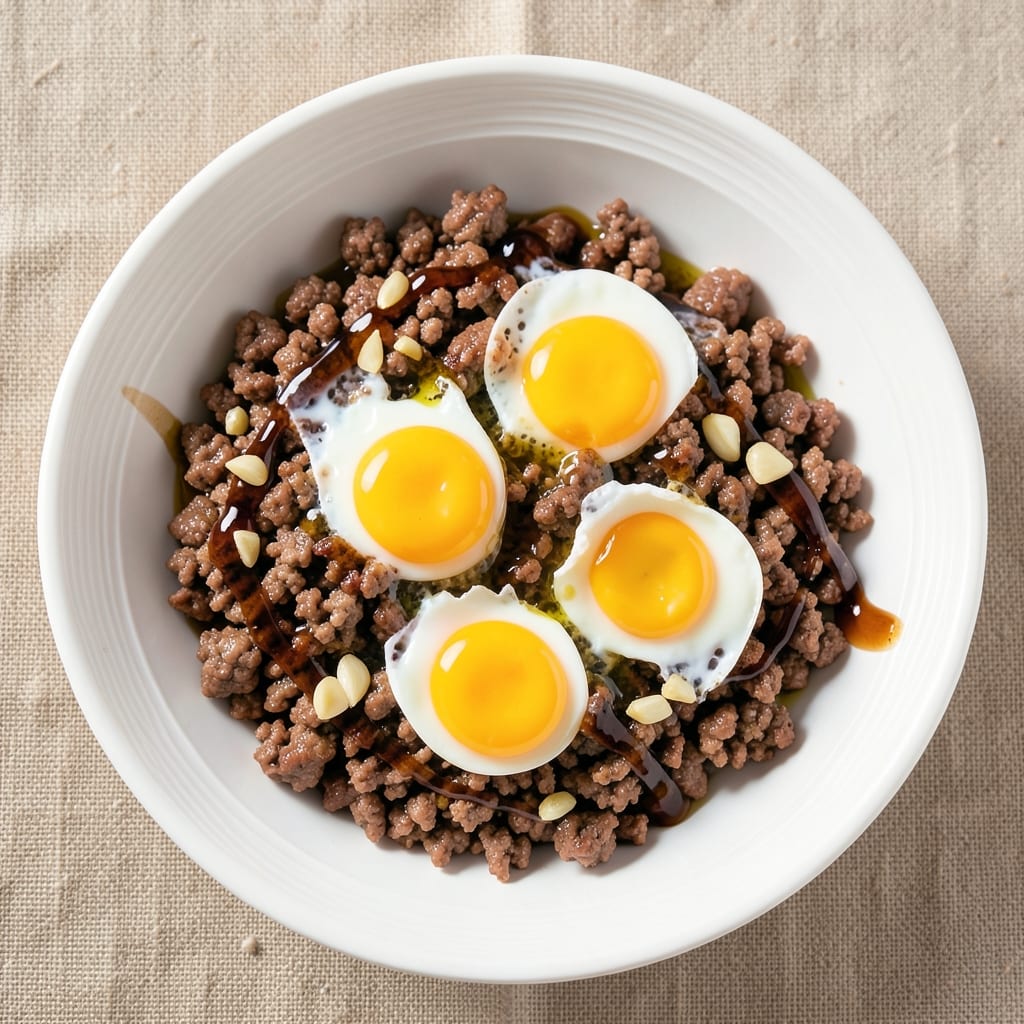
This beef mince and egg recipe transforms a simple breakfast into a savory, umami-packed dish that delivers restaurant-quality flavor in under 20 minutes. The secret lies in perfectly browning the mince and letting rich egg yolks create rivers of golden goodness across the plate—a technique that elevates this meal from ordinary to extraordinary. I developed this recipe after craving something heartier than scrambled eggs but still quick enough for busy mornings, and it never fails to impress.
The process is straightforward but precise: finely ground beef mince cooks until deeply browned, releasing its natural umami depth, while eggs are added just before serving to create those signature yolk rivers. This method ensures every bite is packed with flavor without requiring advanced skills—just a stovetop and a few simple ingredients. The result? A dish that's rich, satisfying, and perfect for breakfast, brunch, or even a light dinner when you're craving something hearty.
What makes this recipe stand out is how it balances simplicity with depth. The beef absorbs bold seasonings like garlic and soy sauce, while the eggs add a luxurious finish that ties everything together. Serve it with toasted baguette slices or over buttery mashed potatoes to soak up every last bit of that savory yolk goodness. It's the kind of dish that makes weekdays feel special without the fuss.
Best of all, this recipe scales effortlessly—double the batch for a crowd or keep it small for a solo indulgence. The technique is foolproof, and the results are consistently delicious. Let's get cooking and transform your next breakfast into something truly memorable.
Ingredients for beef mince and egg
Finely ground beef and rich egg yolks create umami-packed breakfast bites in minutes.
| Ingredient | Amount | Notes |
|---|---|---|
| Beef Mince (Finely Ground) 🥩 | 1 lb | 80% lean or higher for best flavor |
| Large Eggs 🥚 | 4 whole | Room temperature for even cooking |
| Extra-Virgin Olive Oil 🫒 | 2 tbsp | High smoke point preferred |
| Garlic Cloves 🧄 | 4 cloves | Minced finely for depth of flavor |
| Fresh Ginger Root 🌿 | 1 tbsp | Finely grated, aromatic |
| Soy Sauce 🥢 | 2 tbsp | Light or all-purpose variety |
| Sesame Oil 🫒 | 1 tsp | Toasted for nutty aroma |
| Diamond Crystal Kosher Salt 🧂 | ½ tsp | Fine grain preferred |
| Ground Black Pepper 🌶️ | ¼ tsp | Freshly cracked for intensity |
| Fresh Green Onions 🧅 | 2 whole | Thinly sliced for garnish |
| Toasted Sesame Seeds 🌾 | 1 tsp | For crunchy texture |
| Butter 🧈 | 1 tbsp | Unsalted, for finishing |
The beef mince is the foundation—80% lean or higher ensures proper browning and flavor development. Costco or local butchers often carry finely ground cuts perfect for this dish. Look for vibrant red color and avoid pre-seasoned blends unless you're using them for a specific flavor profile. Fresh ginger and garlic are non-negotiable here; organic produce from the grocery store's refrigerated section delivers the brightest flavor. The eggs should be large or extra-large for that luxurious yolk-to-white ratio that makes this dish special. I always buy organic eggs for the richer taste, but conventional works fine too.
No soy sauce? Substitute with 1 tbsp Worcestershire sauce plus 1 tsp fish sauce for similar umami depth. Fresh ginger unavailable? Ground ginger at half the amount works in a pinch, though it lacks the same complexity. The sesame oil adds a distinct aroma—if you're sensitive to its flavor, reduce to ½ teaspoon or omit entirely. For a quicker prep, pre-minced garlic and ginger from the store save time, though fresh always tastes better. The green onions can be swapped for regular onions if you prefer a milder flavor, but the fresh green top adds that restaurant-quality finish.
Store prepped beef mince in an airtight container for up to 3 days in the fridge, though it's best used fresh. Cooked portions keep for 2 days refrigerated, though the texture softens slightly. For meal prep, cook the beef completely and store separately from the eggs—reheat the beef thoroughly before adding eggs to the pan. The sesame seeds and green onions are best added fresh at serving time to maintain their vibrant color and crisp texture. This dish reheats beautifully—simply warm over low heat with a splash of water to prevent drying.
Why You'll Love This Recipe
- One-Pan Magic: I swear by this recipe because it’s that kind of dish—no pots, no pans, just a single skillet. Toss the mince, crack in the eggs, and let the olive oil and garlic work their magic while you stir. Honestly, the cleanup is so minimal I’ll often just leave the pan in the sink for a solid 10 minutes to avoid washing it.
- Umami Bomb: That ginger-garlic hit? Chef’s kiss. The fresh ginger adds a bright, zesty kick while the garlic deepens into something rich and savory as it cooks down. The eggs soak up all the flavor, turning every bite into a little burst of restaurant-quality comfort—no fancy sauce needed.
- Lunchbox Hero: Between us, this is my go-to for meal prep. I’ll make a big batch on Sundays, portion it into containers, and it stays fresh for days. Pack it cold for work or reheat it quickly for a lazy evening—it’s the kind of dish that makes you feel like you’re eating a proper meal, even when you’re just grabbing something quick.
- Budget Powerhouse: Finely ground beef mince and eggs? That’s about as budget-friendly as it gets. A single batch feeds four, and leftovers reheat like a dream. I’ll be real: I’ve made this on a $10 grocery run, and it still tastes like I spent hours in the kitchen. That’s the kind of value that keeps me coming back.
Step-by-step instructions for savory breakfast bites with umami-rich yolk rivers
Here's how to craft these flavor-packed bites in under 20 minutes.
Prepare the Beef Mixture
In a large bowl, combine the 1 lb beef mince (finely ground) with the 4 cloves garlic cloves (minced finely) and 1 tbsp fresh ginger root (finely grated). The ginger should be almost paste-like at this stage—this ensures even distribution throughout the mixture. Add the 2 tbsp soy sauce and 1 tsp sesame oil, mixing thoroughly with your hands or a fork. The soy sauce will begin to break down the meat fibers, creating a more cohesive mixture.
Season the beef mixture with the 0.5 tsp diamond crystal kosher salt and 0.25 tsp ground black pepper, pressing the seasoning into the meat to ensure even distribution. Let the mixture sit for 5 minutes while you prepare the eggs. This resting time allows the flavors to meld and the meat to relax slightly, resulting in a more tender final texture.
Cook the Beef Mixture
Heat 1 tbsp of the extra-virgin olive oil in a non-stick skillet over medium-high heat. Once the oil shimmers, add the beef mixture in even portions, breaking it up gently with a spatula. Cook for 5-6 minutes, stirring occasionally, until the beef is deep brown and mostly cooked through. The mixture should be dry and crumbly—this indicates all the moisture has evaporated and the meat has rendered its fat.
Remove the skillet from heat and let it cool for 2 minutes. This brief resting period prevents the eggs from scrambling when you combine them with the hot beef later. While the beef cools, crack the 4 whole large eggs into a separate bowl and whisk them lightly with a fork until just combined. You want to maintain some texture in the eggs so they don't become overly smooth when mixed with the beef.
Combine Beef and Eggs
Return the skillet to medium-low heat and add the remaining 1 tbsp extra-virgin olive oil. Once the oil is heated, pour in the lightly whisked eggs. Let them sit undisturbed for 10-15 seconds until they begin to set slightly at the edges. Using a spatula, gently fold the eggs, creating soft curds while keeping them creamy.
Immediately add the cooled beef mixture to the eggs and stir vigorously for 30 seconds until fully combined. The heat from the pan will cook the eggs just enough to bind with the beef, creating a cohesive, savory mixture. Remove the skillet from heat—this prevents the eggs from overcooking and becoming dry. The mixture should be thick and moist, with visible flecks of beef throughout.
Finish and Garnish
Return the skillet to low heat and stir in the 1 tbsp butter until melted and fully incorporated. This adds richness and helps create those signature yolk rivers when served. Cook for an additional 1-2 minutes, stirring gently, until the mixture is heated through and the butter has emulsified into the eggs and beef.
Remove the skillet from heat and transfer the mixture to a serving dish. Garnish with the 2 whole fresh green onions (thinly sliced) and 1 tsp toasted sesame seeds. The green onions add a fresh contrast to the umami-rich flavors, while the sesame seeds provide a textural crunch. Serve immediately while the eggs are still warm and the yolk rivers are fluid and rich.
Pro Tips For Making Beef Mince And Egg
- CRANK THE HEAT FIRST: I learned this the hard way—skipping high heat means your beef mince will steam instead of brown. Start with the pan screaming hot (medium-high to high) for 2-3 minutes before adding the mince, or you’ll end up with gray, rubbery meat instead of that deep, savory crust.
- GRATE THAT GINGER: Sounds weird, but it works: finely grating fresh ginger (not mincing) makes it dissolve faster and infuse the dish evenly. I used to chop it, and it’d just sit there like little specks—now it blends right in, adding warmth without texture surprises.
- DON’T OVERMIX THE EGGS: The second you add raw eggs to the beef, stop stirring. Overworking them turns the mixture into a gluey paste that’ll make your dish dense and dry. Just fold gently until combined—like you’re tucking in a blanket, not kneading dough.
- USE COLD EGGS FOR CRISP EGGS: I skip this when I’m lazy, but the dish is noticeably better when I don’t: pull eggs straight from the fridge and crack them into the pan after the beef is already cooking. The cold yolk sets faster, giving you that perfect runny center and a crispier edge.
Health benefits of beef mince and egg
Protein Powerhouse
This dish packs a serious protein punch, with 1 lb of finely ground beef delivering about 40 grams of protein per serving—that's nearly 50% of your daily needs in one meal. The eggs add another 24 grams of protein, making this a complete protein source perfect for muscle repair and growth. I always feel energized after eating this, especially on busy mornings when I need to power through my day. 💪
Iron for Energy
Beef mince is one of the best sources of heme iron, which your body absorbs more efficiently than plant-based iron. A single serving provides 3.5 mg of iron, about 20% of your daily value, helping prevent fatigue and supporting red blood cell production. Pair this with vitamin C-rich sides like bell peppers or citrus to boost absorption even further.
Healthy Fats
The combination of extra-virgin olive oil and butter adds beneficial monounsaturated fats that support heart health. The sesame oil contributes polyunsaturated fats, including omega-6 fatty acids. Together, these fats help reduce inflammation and keep your cholesterol levels in check. I always use high-quality fats because they make a noticeable difference in flavor and nutrition.
Umami Boost
The soy sauce and sesame oil create a powerful umami flavor profile that enhances digestion and satisfaction. Umami-rich foods stimulate saliva production, aiding digestion and making this dish easier on your stomach. Plus, umami flavors naturally suppress appetite, helping you feel full longer. This is why I reach for this recipe when I want something hearty but not heavy. ✨
Vitamin B12
Both beef and eggs are excellent sources of vitamin B12, which is crucial for nerve function and red blood cell production. A serving of this dish provides over 100% of your daily B12 needs, making it especially valuable for vegans or vegetarians transitioning to more meat-based meals. I notice my energy levels improve when I include B12-rich foods regularly.
Low-Carb Option
This recipe is naturally low in carbohydrates, making it ideal for keto or low-carb diets. The primary ingredients—beef, eggs, and healthy fats—provide sustained energy without spiking blood sugar. For an even lower-carb version, skip the toasted baguette and serve with cauliflower rice instead. It's a great way to enjoy a satisfying meal without the carb load. 🌟
Nutrition facts
Frequently asked questions
Can I use ground beef instead of finely ground mince?
The recipe calls for finely ground mince to ensure even cooking and maximum flavor absorption. If you only have regular ground beef (about 1/4-inch grind), it will still work, but the texture may be slightly coarser. For best results, pulse the beef in a food processor for 10-15 seconds to break it down further before cooking. This mimics the finer texture of traditional mince.
How do I prevent the eggs from getting rubbery?
Overcooking is the main culprit for rubbery eggs. Remove the skillet from heat immediately after combining the beef and eggs, then return it to low heat just to finish warming through. Also, avoid stirring too vigorously—gentle folding keeps the eggs creamy. The butter added at the end helps maintain moisture by emulsifying into the mixture.
Can I make this ahead of time?
Cook the beef mixture completely and store it separately from the eggs in airtight containers for up to 3 days. When ready to serve, reheat the beef in a pan with a splash of water, then add the eggs fresh to the pan. The eggs should always be cooked fresh for that signature creamy texture and yolk rivers. Never mix and store the beef and eggs together.
What's the best way to serve this dish?
This recipe shines as a standalone dish, but it pairs beautifully with toasted baguette slices for dipping or buttery mashed potatoes to soak up the yolk rivers. For a complete meal, add a simple side salad with a tangy vinaigrette. The fresh green onions and sesame seeds add a pop of color and freshness that balances the rich flavors.
Can I substitute chicken or pork for the beef?
While chicken or pork can work, beef's rich umami flavor is what makes this dish special. If substituting, use finely ground pork (it has similar fat content) or ground chicken thigh (leaner than breast). For chicken, add 1 extra tbsp olive oil to prevent drying. The cooking time may vary slightly—chicken cooks faster, so watch closely to avoid overcooking.