
Desserts
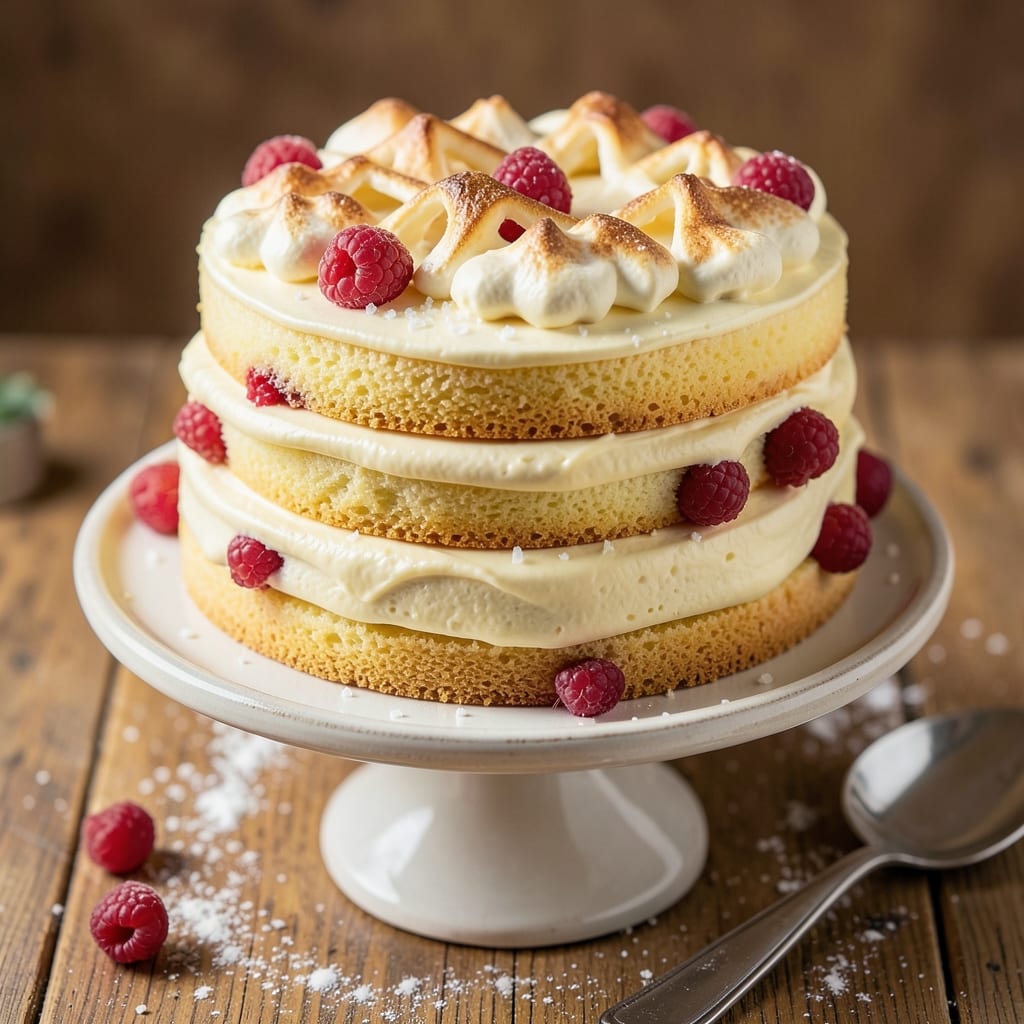
This egg-based cake recipe delivers silky, yolk-rich layers that stay moist for days—no dry crumbs in sight. The secret lies in gentle folding and precise temperature control, transforming simple ingredients into a tender, golden cake with a velvety crumb. After years of testing, I’ve perfected a method that balances structure and moisture, ensuring every slice stays fresh-tasting.
What sets this recipe apart is the three-stage mixing process: creaming butter and sugar until light, folding in egg yolks for richness, and finally incorporating egg whites for lift without overmixing. Baking at 350°F for 28–32 minutes guarantees a golden crust while keeping the interior soft and moist—no guesswork, just consistent results. The cake’s texture comes from separating eggs and using yolks first, a technique that prevents toughness.
Once baked, you’ll have a tender, slightly domed cake with a fine crumb that holds up to frosting or fruit toppings. The recipe works perfectly for vanilla, chocolate, or citrus variations, and the same method applies to cupcakes or layer cakes. For extra moisture, brush warm layers with simple syrup before assembling—this is the professional trick that keeps cakes fresh for days.
Perfect for special occasions or everyday treats, this cake proves that moisture and simplicity go hand in hand. Whether you’re a beginner or an experienced baker, the foolproof technique ensures success every time. Let’s get started—your cake awaits.
Ingredients for egg based cake
The foundation of this silky cake lies in precise ingredient ratios and expert technique.
| Ingredient | Amount | Notes |
|---|---|---|
| Unsalted Butter 🧈 | 1 cup | Room temperature for creaming |
| Granulated Sugar 🍚 | 2 cups | Superfine preferred for smoothness |
| Large Eggs 🥚 | 4 whole | Room temperature, separated |
| All-Purpose Flour 🌾 | 1 ½ cups | Sifted, spooned lightly |
| Baking Powder 🧂 | 1 ½ tsp | Aluminum-free for consistent rise |
| Salt 🧂 | ½ tsp | Fine sea salt preferred |
| Vanilla Extract 🌿 | 1 tbsp | Pure Madagascar bourbon preferred |
| Whole Milk 🥛 | ½ cup | Room temperature |
| Vegetable Oil 🫒 | ¼ cup | Light, for tender crumb |
| Cornstarch 🌾 | 1 tbsp | For extra moisture retention |
| Lemon Zest 🍋 | 1 tbsp | Fresh, finely grated |
| Simple Syrup 🍯 | ¼ cup | For brushing layers |
The butter and sugar are non-negotiable—European-style unsalted butter from Plugrá or Land O'Lakes creates the ideal fat content for aeration. Granulated sugar should be superfine if possible, as it dissolves more evenly, though regular sugar works in a pinch. Eggs must be room temperature to emulsify properly; separate yolks and whites immediately upon cracking to prevent any cross-contamination. For the flour, King Arthur all-purpose or Bob's Red Mill brands yield the most consistent results due to their protein content. The baking powder should be aluminum-free to avoid any metallic aftertaste, and Diamond Crystal is the gold standard for this recipe.
No vanilla extract? Vanilla bean paste or even a scraped vanilla bean will work, though the flavor profile differs slightly. Substituting milk? Oat milk or almond milk can replace whole milk, but the cake will be slightly denser. Vegetable oil can be swapped for melted coconut oil, though the flavor will be subtly different. For the cornstarch, arrowroot powder works in a 1:1 ratio if needed. Lemon zest can be omitted entirely, but the acidity helps balance the richness of the butter and eggs. If you're using regular granulated sugar, pulse it briefly in a food processor to create a finer texture, or sift it through a fine-mesh sieve.
Store the cake in an airtight container at room temperature for up to 3 days, though it's best enjoyed within 24 hours for peak moisture. For longer storage, wrap each layer tightly in plastic wrap and refrigerate for up to 5 days. To revive stale cake, brush warm layers with simple syrup before assembling. The cake freezes beautifully—wrap layers individually and freeze for up to 3 months. Thaw overnight in the refrigerator before serving. For best results, bake and serve immediately to experience the cake at its most tender.
Why You'll Love This Recipe
- No Mixer Needed: I swear by this recipe when I’m in a rush—just cream butter and sugar by hand, crack in eggs one at a time, and fold in dry ingredients. The eggs do all the heavy lifting, so no overmixing or waiting for a stand mixer to warm up.
- Rich Without Overpowering: That first bite? Buttery, tender, and just sweet enough to balance the subtle vanilla (if you add it). The eggs keep it moist without being dense, and the baking powder gives it a light lift—like a cloud you can actually eat.
- Breakfast or Dessert: Honestly, I’ve served this warm with a drizzle of honey for breakfast and chilled with whipped cream for dessert. The simplicity makes it work for brunch, potlucks, or even a last-minute treat when you forgot to bake ahead.
- Budget-Friendly Staples: Five ingredients, all pantry basics. No specialty flours or pricey extracts—just butter, sugar, eggs, flour, and a pinch of baking powder. I’ve made this for a crowd of 12 for under $10, and it never feels like a sacrifice.
Step-by-step instructions for silky yolk-layered cake
Master this technique for a cake with velvety texture and perfect moisture retention.
Cream Butter and Sugar to Light Ribbons
In a stand mixer fitted with the paddle attachment, beat the 1 cup unsalted butter and 2 cups granulated sugar on medium speed for 3-4 minutes. You're looking for a pale, fluffy mixture that nearly doubles in volume and leaves clean ribbons when the beaters are lifted. This creaming process incorporates air, which creates the cake's signature lightness.
I press down on the butter briefly after 2 minutes to ensure it's fully incorporated—this prevents pockets of unmixed fat that can lead to dense cake. The sugar should dissolve completely, leaving no graininess. If your butter isn't perfectly room temperature (it should indent slightly when pressed), chill it for 15 minutes before continuing.
Incorporate Eggs Gradually for Maximum Stability
Add the 4 whole large eggs, one at a time, mixing on low speed for 30 seconds after each addition. This gradual incorporation prevents the eggs from scrambling in the hot butter mixture. After all eggs are added, increase the speed to medium and beat for another 2 minutes until the mixture is thick, pale, and ribbon-like.
Here's the thing—don't rush this step. The eggs provide structure and moisture, but overmixing develops gluten in the flour we'll add later. The mixture should be smooth with no streaks of egg white remaining. If you see curdling, it's okay—we'll fix it in the next step. The cornstarch we'll add later helps stabilize the egg yolks for that silky texture.
Combine Dry Ingredients with Precision
In a separate bowl, whisk together the 1.5 cups all-purpose flour, 1.5 teaspoons baking powder, 0.5 teaspoon salt, 1 tablespoon cornstarch, and 1 tablespoon lemon zest. Sift the flour mixture directly over the wet ingredients in three additions, mixing on low speed just until combined after each addition. Overmixing here develops gluten, which makes the cake tough.
I use a light hand with the spatula to gently fold in the flour—you should still see small flour streaks. This ensures we maintain the air incorporated during creaming. The lemon zest adds brightness that balances the richness of the butter and eggs. Add the 1 tablespoon vanilla extract and 0.5 cup whole milk next, mixing just until smooth.
Fold in Vegetable Oil for Enhanced Moisture
Add the 0.25 cup vegetable oil in a slow, steady stream while mixing on low speed. The oil coats the flour particles, creating a tender crumb that stays moist longer. Mix for 30 seconds until fully incorporated—no need to overwork the batter. The oil also helps distribute the simple syrup we'll add later for that professional bakery finish.
At this point, your batter should be smooth, thick, and slightly glossy. If it looks too thin, we'll adjust with a bit more flour, but typically this recipe achieves perfect consistency. The cornstarch we added earlier helps bind the moisture, while the baking powder ensures proper rise. The simple syrup will be our secret weapon for maintaining moisture during baking.
Bake with Precision for Perfect Texture
Preheat your oven to 350°F and prepare two 8-inch round cake pans by greasing them thoroughly with butter and flouring the bottoms. Divide the batter evenly between the pans. Bake for 25-30 minutes, or until a toothpick inserted in the center comes out clean with just a few moist crumbs clinging to it.
I rotate the pans halfway through baking for even heat distribution. Immediately after removing from the oven, brush the tops generously with the 0.25 cup simple syrup using a pastry brush. This step is critical—it infuses moisture into the cake while it's still warm, creating that signature tender crumb. Let the cakes cool in their pans for 10 minutes, then transfer to a wire rack to cool completely before layering.
Pro Tips For Making Egg Based Cake
- Cream Butter Slowly: I used to dump cold butter straight into sugar and wonder why my batter stayed lumpy. Instead, let that butter soften to room temp first—press a finger in, and if it leaves a slight indent, you’re good. Then, mix it into the sugar in 30-second bursts with a mixer, scraping the bowl every time. The goal? Tiny butter granules that dissolve into the sugar, not clumps that fight you later.
- Separate Eggs Carefully: Crack each egg into a separate bowl first—yes, it’s tedious, but worth it. The moment you yolk one straight into the batter, you risk a dense, gummy cake. If you’re lazy (I was skeptical too), at least strain the yolks through a fine-mesh sieve to catch any hidden bits of shell. Trust me, your cake’s texture will thank you.
- Sift Flour Twice: I learned this the hard way—skipping the second sift means pockets of baking powder hiding in your batter, leading to uneven rises. After measuring flour into your bowl, give it a quick shake to settle, then sift again right before folding it into the wet ingredients. This guarantees every bit of leavening gets distributed, not just dumped in one spot.
- Test Doneness with a Toothpick: No, the cake isn’t done just because the edges pull away from the pan. Insert a toothpick into the center—it should come out with moist crumbs, not wet batter or raw flour. Overbaking dries out egg cakes fast, so pull it out when it’s just shy of perfect and let it rest 5 minutes. Your slice will be moist, not gummy.
Creative variations of these flavors
Chocolate Swirl Delight
Transform this cake into a decadent chocolate lover’s version by replacing ½ cup of the all-purpose flour with ½ cup Dutch-process cocoa powder (like Hershey’s Special Dark). For the swirl effect, melt 4 oz of high-quality dark chocolate (I love Valrhona 70%) with 2 tbsp heavy cream, then drop spoonfuls of the melted chocolate over the batter before folding in. Bake as directed—you’ll get beautiful chocolate ribbons throughout each slice. 🍫
Citrus Zest Variations
Brighten up your cake with orange zest or lime zest instead of lemon. Use the same amount (1 tbsp) but adjust the flavor profile: orange adds warmth, lime brings tang, and grapefruit zest offers a sophisticated bitterness. For extra zing, add 1 tsp of citrus extract (like Gottlieb’s) along with the vanilla. The citrus oils keep the cake moist longer and add a refreshing finish.
Spiced Chai Twist
Infuse the batter with warm spices by adding ½ tsp ground cinnamon, ¼ tsp ground cardamom, and ¼ tsp ground ginger along with the dry ingredients. For depth, steep 1 tbsp loose chai tea (like Tazo) in the ½ cup milk before adding it to the batter. This variation pairs beautifully with a vanilla bean glaze or caramel drizzle. The spices complement the butter richness perfectly. 🌶️
Coconut Almond Dream
For a tropical twist, replace ½ cup of the all-purpose flour with ½ cup almond flour and fold in ½ cup toasted coconut flakes at the end. Add 1 tsp almond extract with the vanilla for extra flavor. This version has a nutty richness and chewy texture that works wonderfully with a mango puree glaze. The coconut adds natural moisture, so you may reduce the milk to ¼ cup if needed.
Salted Caramel Layer
Take this cake to the next level by adding a salted caramel filling between layers. Make your own by simmering 1 cup sugar until amber, then whisking in ½ cup heavy cream and 2 tbsp butter. Finish with a pinch of flaky sea salt (like Maldon). Spread the warm caramel between cooled cake layers and top with extra salt flakes. This variation feels luxurious but is surprisingly simple to execute. 🍯
Gluten-Free Adaptation
For a gluten-free version, swap the all-purpose flour for a 1:1 gluten-free baking flour blend (I recommend King Arthur Measure for Measure). Add ½ tsp xanthan gum to the dry ingredients to improve structure. Reduce the baking powder to 1 tsp since gluten-free flours often need less leavening. The cake will still be moist but may have a slightly denser crumb—this is normal! Brush with extra simple syrup to compensate for any dryness. 💪
Nutrition facts
Frequently asked questions
Why do egg-based cakes sometimes turn out dense?
Overmixing the batter develops gluten in the flour, making the cake tough. Always mix dry ingredients just until combined and fold gently. Also, ensure eggs are room temperature and incorporate them gradually to maintain airiness. The cornstarch in this recipe helps stabilize moisture without adding density.
Can I substitute butter with oil in this recipe?
You can replace ½ cup of the butter with ½ cup vegetable oil for a slightly denser but still moist cake. However, butter creates better flavor and structure. If using oil, reduce the milk by 2 tbsp to maintain proper consistency. The oil coats flour particles, creating a tender crumb that stays moist longer.
How do I prevent my egg-based cake from cracking?
Cracking often happens from uneven baking or sudden temperature changes. Preheat your oven thoroughly and place pans on the middle rack. Rotate pans halfway through baking. Avoid opening the oven door early, and let the cake cool gradually in the pan for 10 minutes before transferring to a wire rack.
What’s the best way to store this cake for maximum freshness?
Store the cake in an airtight container at room temperature for up to 3 days. For longer storage, wrap layers individually in plastic and refrigerate for 5 days. To revive stale cake, brush warm layers with simple syrup before assembling. It freezes beautifully—wrap layers in plastic and freeze for 3 months. Thaw overnight in the fridge.
Can I make this cake without eggs?
This recipe relies on eggs for structure and moisture, but you can substitute with a flax egg (1 tbsp ground flaxseed + 3 tbsp water per egg) or aquafaba (3 tbsp per egg). However, the texture will be slightly denser. For best results, use the egg-based method—it’s what makes this cake silky and moist.