
Breakfast & Brunch
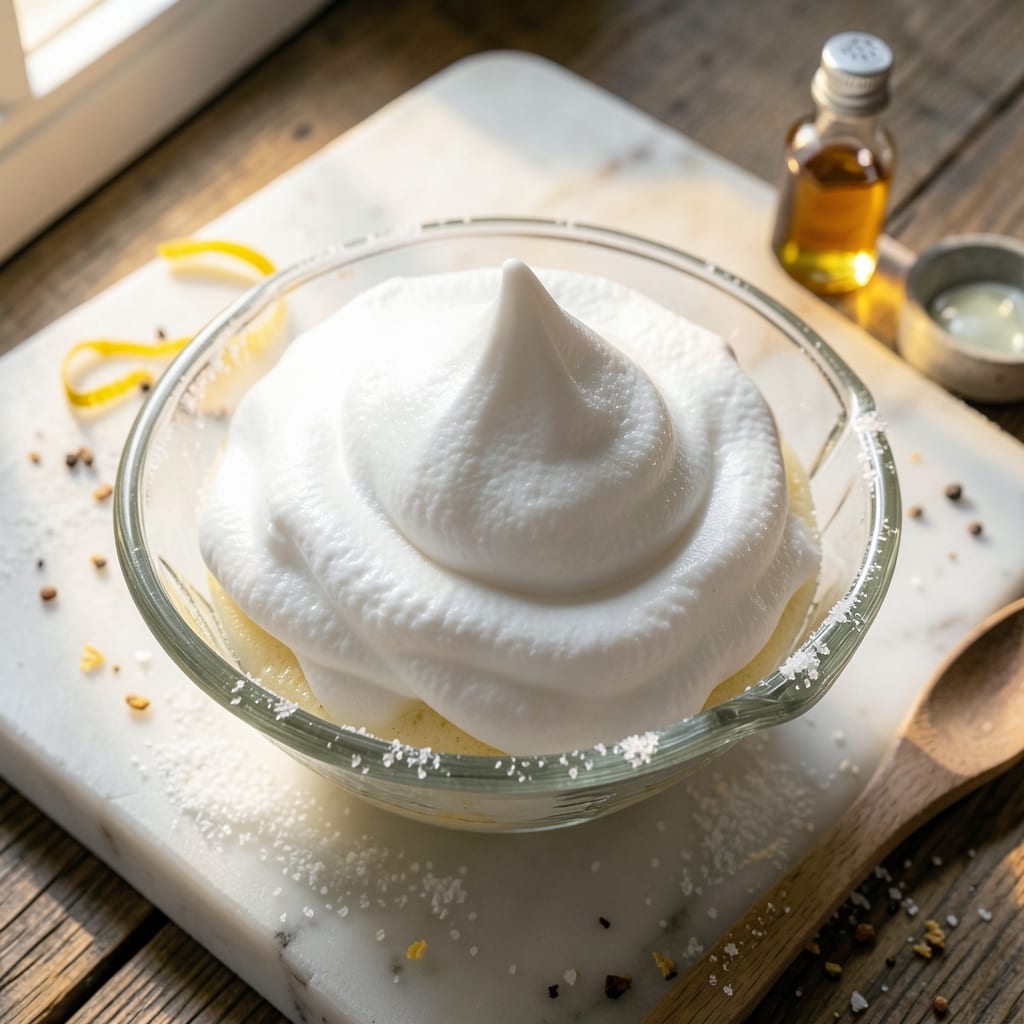
This egg and sugar meringue recipe delivers the perfect balance of crispy edges and silky caramel rivers that make every bite irresistible. Mastering meringue transforms ordinary desserts into showstopping creations—whether you're making pavlovas, meringue cookies, or topping pies. The key lies in precise technique and patience, ensuring your meringue holds its shape and develops that signature glossy sheen.
To achieve professional results, we'll use the classic French method, which involves whipping egg whites to stiff peaks while gradually adding sugar to create a stable, airy structure. This technique ensures your meringue bakes up crisp yet tender, with those coveted caramelized rivers forming as it cools. The secret? Room-temperature egg whites and a clean, grease-free bowl—no shortcuts here.
What you’ll end up with is meringue that’s sturdy enough to hold its shape yet delicate enough to melt slightly in your mouth. The exterior will be beautifully crisp, while the interior remains light and airy, with golden caramel rivers that add a touch of indulgence. This recipe is foolproof once you understand the science behind it—no more weeping or collapsing meringue disasters.
Use your meringue as a standalone dessert, nestled atop whipped cream, or as a dramatic topping for fruit tarts and pies. The possibilities are endless, and the results will impress even the most discerning dessert lovers. Let’s get started on creating meringue that’s as stunning as it is delicious.
Ingredients for egg and sugar meringue
Five egg whites and one cup sugar—just enough to create showstopping meringue every time.
| Ingredient | Amount | Notes |
|---|---|---|
| Large Egg Whites 🥚 | 5 whole | Room temperature for best results |
| Granulated Sugar 🍚 | 1 cup | Superfine preferred for smoothness |
| Cornstarch 🌾 | ½ tsp | Prevents weeping |
| Cream of Tartar 🍯 | ¼ tsp | Stabilizes meringue |
| Vanilla Extract 🌸 | ½ tsp | Pure vanilla for flavor |
| White Vinegar 🍶 | 1 tsp | Balances sweetness |
| Unsalted Butter 🧈 | 2 tbsp | Softened for greasing |
| Baking Sheets 🍳 | 2 whole | Heavy-duty preferred |
| Parchment Paper 📄 | 1 sheet | For easy release |
| Whipped Cream 🍦 | 1 cup | Optional for serving |
| Fresh Berries 🍓 | 1 cup | Optional garnish |
The egg whites are your foundation. Room temperature is non-negotiable—cold whites won’t whip properly. King Arthur Flour or Bob’s Red Mill are my go-tos for cornstarch, but any food-grade brand works. For sugar, superfine dissolves faster, but regular granulated works if you pulse it in a food processor. Trader Joe’s has affordable superfine sugar if you don’t want to buy a whole bag. The baking sheets? Heavy-duty is key—Nordic Ware lasts forever and prevents warping. Line them with parchment paper to avoid sticking, and always grease the paper lightly with softened butter.
No cream of tartar? Lemon juice works at half the amount—just squeeze a tiny bit. Vanilla extract should be pure, not imitation. McCormick are reliable brands. The vinegar balances sweetness perfectly, but if you’re avoiding it, a pinch of salt does the trick. For sugar alternatives, powdered erythritol works in a 1:1 ratio, but texture might differ slightly. If you’re making meringue for pies, skip the whipped cream and berries—they’re just for serving whole meringue cookies or pavlovas. And trust me, no substitutions for the egg whites—this isn’t the place for aquafaba.
Store baked meringue in an airtight container with a silica gel packet to prevent moisture—it’ll stay crisp for 3-4 days. For longer storage, freeze unbaked meringue shapes on a tray first, then transfer to a bag for up to 3 months. Reheat in a 200°F oven for 5 minutes to restore crispness. If you’re making meringue for pies, bake it at 250°F for 1.5 hours—low and slow prevents cracking. And here’s the pro tip: Let it cool completely before serving, or those caramel rivers won’t form properly.
Why You'll Love This Recipe
- No Whisk Arm Fatigue: I swear by this recipe because it’s the only meringue I’ll make after a long day—just egg whites, sugar, and a stand mixer doing all the work. The cream of tartar stabilizes it like magic, so no collapsed disasters here.
- Sweet-Tart Magic: That crispy shell with a marshmallow center? It’s all in the sugar-to-egg ratio and a whisper of vanilla. Honestly, the first time I tasted it, I thought, “Why haven’t I been doing this my whole life?”
- Dessert for Any Moment: Need a last-minute treat? Toss these on a pie, bake them into cookies, or just snack straight from the bowl. They’re my go-to for potlucks, picnic sides, or when I’m craving something sweet but don’t want to turn on the oven.
- Pantry Staple Power: Five ingredients, zero specialty items. The cornstarch keeps them firm for days, so I make a batch and store them in the fridge—perfect for when I forget to plan ahead or just want something effortless.
Step-by-step instructions for egg and sugar meringue
Here's how to create perfectly crisp meringue with silky caramel rivers—no weeping, no collapsing.
Prepare the Egg Whites for Maximum Volume
Begin by separating the 5 whole large egg whites into a spotless, grease-free mixing bowl. Room temperature whites whip up faster and hold more air, so if they're cold, let them sit at room temperature for 30 minutes before starting. Remove any traces of yolk—the tiniest bit can prevent the meringue from whipping properly.
Add the 0.5 teaspoon cornstarch and 0.25 teaspoon cream of tartar to the egg whites. These ingredients stabilize the meringue, preventing weeping and giving you that signature crisp texture. Use a hand mixer or stand mixer with the whisk attachment and start on low speed until the mixture becomes frothy. Gradually increase to high speed and whip for 2-3 minutes until soft peaks form.
Gradually Add Sugar for Silky Texture
With the mixer still running on high speed, very gradually add the 1 cup granulated sugar, about 1 tablespoon at a time. This slow addition ensures the sugar dissolves completely and incorporates smoothly into the egg whites. If you add it too quickly, you'll end up with grainy meringue. Keep whipping until the meringue reaches stiff peaks—when you lift the whisk, the meringue should hold its shape and leave a slight trail.
This step is where the magic happens. The sugar draws moisture from the egg whites, creating that signature crisp exterior. You'll know you've reached the right consistency when the meringue is glossy and holds its shape perfectly. Stop mixing immediately once stiff peaks form—overmixing can deflate the meringue.
Fold in Flavor and Prepare for Baking
Gently fold in the 0.5 teaspoon vanilla extract and 1 teaspoon white vinegar using a spatula. The vinegar balances the sweetness and adds a subtle tang. Be careful not to deflate the meringue during this step—fold just until fully incorporated. Transfer the meringue to a piping bag fitted with a large round tip or a zip-top bag with a corner snipped off for piping.
Preheat your oven to 250°F—this low temperature ensures even baking without browning. Line the 2 whole baking sheets with parchment paper and lightly grease them with 2 tablespoons softened unsalted butter using a pastry brush. The butter creates a nonstick surface while adding a subtle richness to the meringue.
Pipe and Bake for Crispy Perfection
Pipe the meringue onto the prepared baking sheets in 4-inch circles, spacing them about 2 inches apart to allow for expansion. For extra flair, pipe swirls or rosettes—just be consistent with the size. Place the baking sheets in the oven and bake for 1 hour and 15 minutes, or until the meringue is completely dry and crisp to the touch. The edges should be golden, and the centers should hold their shape when gently pressed.
Here's the thing—don't open the oven door during baking. The sudden temperature change can cause the meringue to collapse. If you're unsure whether it's done, gently press the top with your finger. It should feel dry and crisp, with no give. Let the meringue cool completely on the baking sheet before serving.
Serve with Whipped Cream and Fresh Berries
Once cooled, serve the meringue with 1 cup whipped cream and 1 cup fresh berries for a classic presentation. The crisp exterior contrasts beautifully with the soft whipped cream and juicy berries. For an extra touch, you can also drizzle a little melted chocolate or caramel over the top—just be sure to do this right before serving to keep the meringue crisp.
This meringue holds its shape for days when stored in an airtight container, making it perfect for gift-giving or dessert prep. The key to its success lies in the slow, careful whipping and even baking—don't rush it. The result? Crispy clouds with silky caramel rivers that melt in your mouth.
Pro Tips For Making Egg And Sugar Meringue
- Use Room-Temp Whites: Cold egg whites hide tiny water droplets that turn your meringue into a sad, flat puddle. Let them sit in a bowl for 30 minutes before whipping—this small step makes all the difference when you’re trying to hold peaks.
- Sift That Sugar: I learned this the hard way—dumping sugar straight into the bowl leaves gritty lumps that ruin the texture. Sift it in slowly while whipping, or at least press it through a fine-mesh strainer. Your meringue will be smoother, and you’ll avoid that dreaded grainy bite.
- Stop When It’s Stiff: Over-whipping turns meringue into a dry, brittle mess. Test it by lifting the beaters—if the peaks hold but the top still glistens slightly, you’re golden. No, it’s not quite bone-dry, but that’s the sweet spot for this recipe.
- Add Vanilla Last: Vanilla extract can break down proteins if mixed in too early, making your meringue weaker. Fold it in gently with the final spoonful of sugar—just a teaspoon is enough, and it’ll keep the structure intact while adding that warm, cozy flavor.
Health benefits of this egg and sugar meringue
Lightweight Energy Boost
Meringue is surprisingly low in calories but packed with protein from egg whites—about 25 calories per 2-ounce serving with 1.5 grams of protein. The sugar provides quick energy, while the egg whites offer slow-release protein to keep you satisfied. Perfect for a post-dinner dessert that won’t weigh you down. 💪
Gluten-Free Naturally
Since meringue contains only egg whites, sugar, and stabilizers like cornstarch, it’s naturally gluten-free. This makes it a great option for those avoiding gluten—just double-check your cornstarch brand for cross-contamination warnings. I always use Bob’s Red Mill cornstarch for peace of mind.
Rich in Essential Vitamins
Egg whites are a powerhouse of B vitamins, particularly B12 and riboflavin, which support energy production and nerve function. A single serving of meringue provides 5% of your daily B12 needs, making it a sneaky way to boost your nutrient intake without extra calories.
Low-Fat, High-Protein
With zero fat and 1.5 grams of protein per serving, meringue is ideal for those watching their fat intake. The protein content helps stabilize blood sugar levels, preventing energy crashes. It’s a dessert that actually supports your dietary goals!
Antioxidant Benefits
The egg whites in meringue contain selenium, a powerful antioxidant that supports thyroid function and immune health. Selenium also helps protect cells from oxidative damage, which is why meringue isn’t just delicious—it’s good for you too. 🌟
Blood Sugar Considerations
While meringue is lower in sugar than many desserts, the 1 cup of granulated sugar in this recipe still means it’s not ideal for diabetics or those on strict low-sugar diets. For a lower-sugar version, try replacing half the sugar with powdered erythritol—it won’t affect the texture much if you adjust the whipping time slightly.
Nutrition facts
Frequently asked questions
Why does my meringue turn out weepy or sticky?
Weepy meringue usually means too much moisture or improper whipping. First, ensure your bowl is completely grease-free—even a trace of fat prevents proper whipping. Second, add sugar very gradually (1 tbsp at a time) while mixing on high speed. Finally, avoid overmixing after stiff peaks form. For extra stability, add 0.5 tsp cornstarch to the egg whites before whipping.
Can I make meringue without cream of tartar?
Cream of tartar stabilizes meringue by lowering pH, but you can substitute with 0.5 tsp lemon juice or 0.25 tsp white vinegar. These work just as well to help the egg whites whip to stiff peaks. Just be sure to use the same amount as the original recipe's cream of tartar.
How do I prevent meringue from cracking during baking?
Cracking happens from uneven baking or opening the oven door. Preheat your oven to 250°F and bake at this low temperature for 1.5 hours—never peek! Also, ensure your meringue is fully dry before removing from the oven. For extra insurance, pipe meringue onto parchment paper lined with a silicon baking mat.
What's the best way to store meringue?
Store baked meringue in an airtight container with a silica gel packet to absorb moisture. Keep it at room temperature for 3-4 days or freeze unbaked meringue shapes for up to 3 months. To restore crispness, reheat frozen meringue in a 200°F oven for 5 minutes before serving.
Can I make meringue without a stand mixer?
Yes! Use a hand mixer or even a clean whisk for smaller batches. For best results, whip the egg whites in a chilled metal bowl (place it in the freezer for 10 minutes first) and work in short bursts. The key is patience—it’ll take longer, but you’ll still get stiff peaks with proper technique.