
Salads
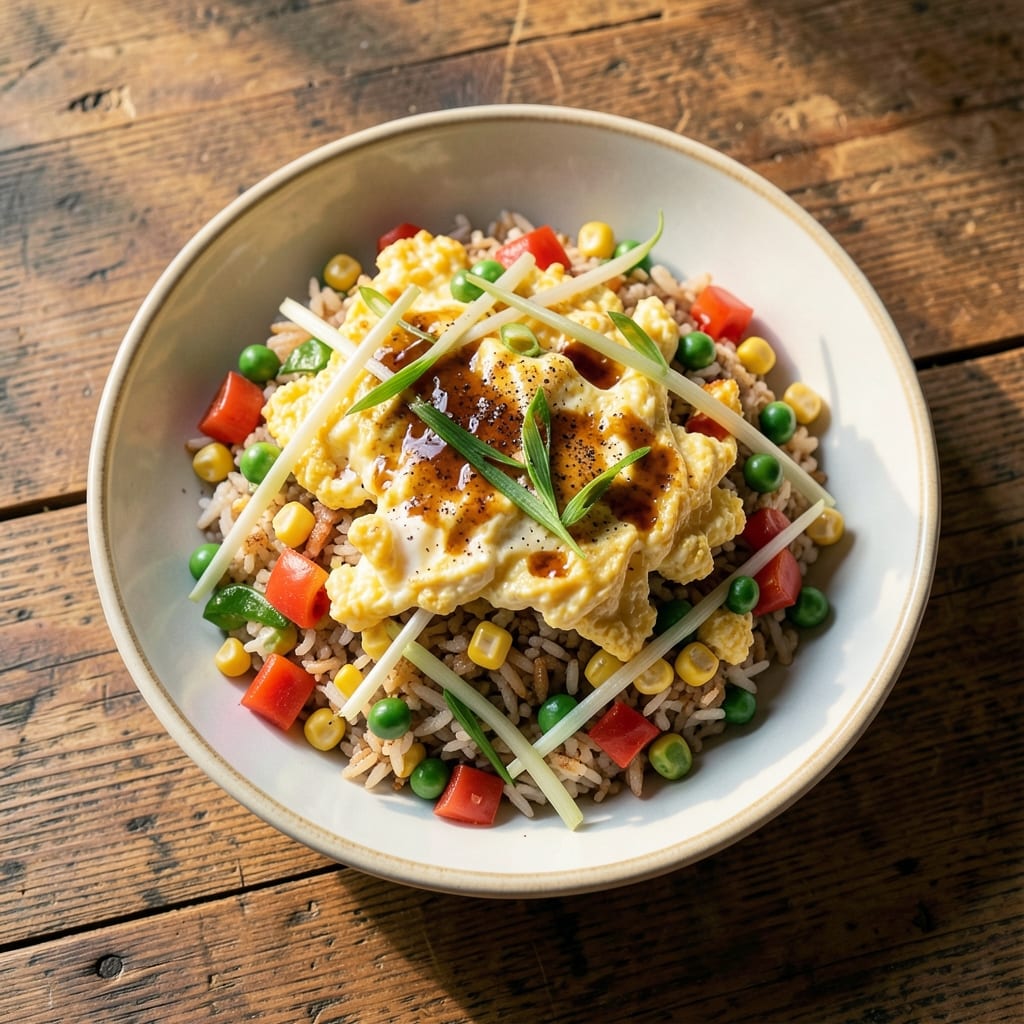
This easy fried rice recipe with egg and frozen vegetables delivers restaurant-quality results in just 15 minutes—perfect for busy weeknights when you need a protein-packed meal without the fuss. The secret lies in high-heat stir-frying, which transforms frozen veggies into tender, flavorful bites while keeping the rice perfectly crisp around the edges. No chopping, no special ingredients—just one pan and a handful of staples.
What sets this recipe apart is its foolproof technique: scramble the eggs first for a rich, savory base, then toss in thawed frozen vegetables and day-old rice (fresh rice makes fried rice soggy). A splash of soy sauce and a sprinkle of garlic powder elevate every bite, while a quick stir-fry locks in those wok-like textures. By the time you plate it, you’ll have a golden, aromatic dish that’s as satisfying as it is simple.
Ingredients for easy fried rice recipe with egg and frozen vegetables
Restaurant-quality fried rice starts with these simple, high-impact ingredients—no exotic finds required.
| Ingredient | Amount | Notes |
|---|---|---|
| Day-Old Cooked White Rice 🍚 | 4 cups | Cold rice preferred for crisp texture |
| Large Eggs 🥚 | 4 whole | Room temperature for even cooking |
| Frozen Mixed Vegetables 🥕 | 2 cups | Peas, carrots, corn preferred |
| Light Soy Sauce 🍶 | 3 tbsp | Low-sodium preferred for balance |
| Vegetable Oil 🫒 | 2 tbsp | High smoke point for stir-frying |
| Garlic Powder 🧄 | 1 tsp | Fresh minced preferred if available |
| Black Pepper 🌶️ | ½ tsp | Freshly ground for best flavor |
| Sesame Oil 🫒 | 1 tsp | Toasted for aromatic finish |
| Green Onions 🧅 | 3 whole | Thinly sliced for garnish |
| Salt 🧂 | ½ tsp | Adjust to taste after cooking |
| Butter 🧈 | 1 tbsp | For extra richness if desired |
The rice is the foundation, so day-old, cold rice is non-negotiable—fresh rice will turn mushy under high heat. Most grocery stores sell pre-cooked microwaveable rice in the freezer section, which works perfectly for this recipe. For vegetables, frozen mixed stir-fry blends save time, but you can mix your own (peas, carrots, and corn are ideal). The eggs should be large and room temperature—whisk them well before cooking for a silky texture. Light soy sauce is preferred over dark for its cleaner flavor, though dark adds depth if you like it richer.
No fresh garlic? Garlic powder works perfectly—just use a bit more than you would minced. Running short on sesame oil? A pinch of toasted sesame seeds can mimic the aroma, though it won’t have the same depth. Substitute vegetable oil for butter if you’re avoiding dairy, but the butter adds a luxurious finish that’s worth the extra tablespoon. For extra protein, add cooked shrimp or diced chicken—just stir-fry it with the eggs at the start. If you’re using pre-shredded green onions, pat them dry first to prevent excess moisture in the pan.
Store cooked fried rice in an airtight container for up to 4 days in the fridge, though it reheats best within 2 days. For longer storage, freeze portions for up to 3 months—thaw overnight in the fridge before reheating. To reheat, use a nonstick skillet over medium heat with a splash of water or broth to restore crispiness. Leftovers taste even better the next day as flavors meld further. Portion into individual containers for easy grab-and-go meals during the week.
Why You'll Love This Recipe
- I’ll be real: this recipe saves me money. Day-old rice? That’s just rice I’d toss otherwise. Frozen veggies? They last forever and cost half as much as fresh. And the oil and soy sauce? Basic staples I already have. It’s the kind of meal that turns scraps into something worth eating—no guilt, no waste.
- Fridge-to-Fork Magic: Honestly, I’m always digging through my freezer for something to use, and those frozen veggies? They’re my secret weapon here. No chopping, no wilting—just toss them straight from the bag into the pan with the rice, and they crisp up like they’re fresh. That’s 10 minutes I didn’t waste prepping.
- Savory Crispy Perfection: Here’s what sold me—the way the egg gets scrambled into fluffy little pockets while the rice stays separate but sticky. Then that light soy sauce? It ties everything together with this perfect umami punch. Not too salty, not too bland—just ridiculously satisfying.
- Lunchbox Hero: Between us, this is my go-to for packed lunches. I make a big batch on Sunday, and it reheats like a dream—no soggy rice, no weird textures. My kids (yes, even the picky one) grab it without complaint. Throw in a fried egg on top, and suddenly it’s dinner too.
Step-by-step instructions for easy fried rice with egg and frozen vegetables
Master this one-pan technique for restaurant-quality fried rice every time—crispy, flavorful, and ready in minutes.
Prep the Eggs and Vegetables
Crack the 4 whole large eggs into a bowl and whisk vigorously with a fork until the yolks and whites are fully combined and frothy. This ensures even cooking and prevents rubbery eggs in your fried rice. In a separate small bowl, thinly slice the 3 whole green onions—white and green parts separated for different uses. Set aside.
Keep the 2 cups frozen mixed vegetables in their frozen state—no need to thaw. This prevents them from turning mushy during cooking. The cold temperature also helps maintain their vibrant color and crisp texture in the final dish. Have your 3 tablespoons light soy sauce, 1 teaspoon garlic powder, ½ teaspoon black pepper, 1 teaspoon sesame oil, ½ teaspoon salt, and 1 tablespoon butter measured and ready within arm's reach.
Scramble the Eggs in the Pan
Heat a large skillet or wok over medium-high heat until hot. Add the 2 tablespoons vegetable oil and swirl to coat the entire surface evenly. Pour in the whisked eggs and let them sit undisturbed for 10-15 seconds—you'll see the edges start to set while the centers remain runny. Here's the thing: gentle stirring at this stage creates soft, silky curds rather than tough scrambled eggs.
Using a spatula, gently push the cooked edges toward the center, tilting the pan to let the uncooked egg flow to the edges. Continue folding the eggs until they reach soft curds—still slightly moist but no longer liquid. Remove the eggs from the pan and set aside on a plate. The residual heat will keep them warm while you cook the rest of the components.
Stir-Fry the Vegetables and Rice
Return the same skillet to medium-high heat and add the 1 tablespoon butter along with the 2 cups frozen mixed vegetables. Stir-fry for 3-4 minutes until the vegetables begin to soften and release their moisture. Here's where it gets important: don't overcrowd the pan. If needed, work in batches to ensure even cooking and prevent steaming.
Add the 4 cups day-old cooked white rice, breaking up any large clumps with your spatula. Sprinkle the 1 teaspoon garlic powder, ½ teaspoon black pepper, and ½ teaspoon salt over the rice and vegetables. Stir-fry for another 2-3 minutes, letting the rice absorb the flavors and begin to crisp slightly at the edges. The cold rice will help create that signature texture—this is why day-old rice works best.
Combine and Season
Return the scrambled eggs to the skillet and stir everything together for 1-2 minutes until the rice is heated through and the eggs are evenly distributed. Pour in the 3 tablespoons light soy sauce and the 1 teaspoon sesame oil, tossing vigorously to coat every grain of rice. The sesame oil adds that signature aromatic finish—don't skip this step. Cook for an additional 1-2 minutes until the rice is lightly golden in spots and the flavors meld together.
Taste and adjust seasoning if needed—you can add a splash more soy sauce if the dish tastes bland, or a pinch of salt if it needs more depth. Real talk: this is where most home cooks go wrong. Many under-season, so don't be shy with the soy sauce. The rice should be flavorful but not overly salty.
Garnish and Serve
Transfer the fried rice to serving plates and garnish with the sliced green onion whites (for color) and green onion greens (for freshness). Drizzle with an extra teaspoon of sesame oil if desired for added richness. Serve immediately while hot—fried rice loses its crisp texture as it cools. The ideal serving temperature is steaming hot, with each bite delivering a perfect balance of crisp rice, tender vegetables, and silky eggs.
For extra flair, you can serve with a side of steamed greens or a simple cucumber salad to complement the hearty fried rice. This dish makes 4 servings, so it's perfect for a quick family meal or meal prep for the week ahead. Don't walk away from the stove—fried rice tastes best fresh out of the pan!
Pro Tips For Making Easy Fried Rice Recipe With Egg And Frozen Vegetables
- CRANK THE HEAT FIRST: The wok or pan needs to scream hot—think smoke starting to rise—before you add oil. I learned this the hard way after making three batches where the egg turned rubbery instead of silky. Once the oil shimmers, toss in the veggies and rice immediately, or they’ll steam instead of sear.
- BREAK EGGS IN A BOWL: Crack the eggs into a separate bowl, whisk them until the yolks and whites are fully combined, then slide them into the pan in one smooth pour. This keeps the egg from splattering everywhere and ensures it forms a cohesive, creamy ribbon rather than breaking into uneven chunks.
- THAW VEGETABLES FIRST: Skip the frozen veggies straight from the freezer—microwave them for 2-3 minutes or run them under warm water until just thawed. Cold veggies will steal heat from the pan, making the rice soggy and the egg undercooked. A quick thaw guarantees they crisp up alongside the rice.
- STOP STIRRING WHEN IT LOOKS DONE: The second the rice is evenly coated in sauce and the veggies are tender-crisp, pull it off the heat. Overworking it turns the rice mushy and the egg stringy. Let the residual heat finish cooking it—your pan’s heat memory does the work better than your arm.
Regional styles of easy fried rice recipe with egg and frozen vegetables
Chinese Home-Style
This classic version keeps it simple with light soy sauce and a touch of sesame oil for that authentic aroma. I like adding 1 teaspoon of sugar to balance the flavors—it mimics the slight sweetness in many Chinese takeout fried rice recipes. For extra depth, stir in 1 tablespoon of oyster sauce during the final minute of cooking. Garnish with toasted sesame seeds and serve with a side of steamed bok choy for a traditional pairing. 🥢
Thai-Inspired
Transform your fried rice into a Thai-inspired dish by adding 1 tablespoon of fish sauce and 1 teaspoon of curry powder when combining the rice and vegetables. Swap the green onions for thinly sliced Thai basil and finish with a squeeze of lime juice before serving. For heat, toss in ½ teaspoon of chili flakes or a few sliced Thai chilies. Serve with a side of cucumber salad for a refreshing contrast. 🌶️
Japanese Okonomiyaki Style
For a Japanese twist, replace the soy sauce with 3 tablespoons of tonkatsu sauce and add 2 tablespoons of Worcestershire sauce for umami depth. Mix in ½ cup of shredded cabbage with the frozen vegetables and top with 2 tablespoons of Japanese mayonnaise and bonito flakes before serving. This version is heartier and slightly sweeter, perfect for a comforting meal. 🍢
Korean Kimchi Fried Rice
Add a ½ cup of chopped kimchi to the pan with the vegetables for a tangy kick. Increase the garlic powder to 1½ teaspoons and add ½ teaspoon of gochugaru (Korean chili flakes) for heat. Finish with a drizzle of gochujang (Korean chili paste) and a sprinkle of sesame seeds. Serve with a fried egg on top for a Korean-style breakfast or lunch. 🌱
American Southwestern
Swap the soy sauce for 3 tablespoons of taco seasoning mix and add ½ cup of black beans with the vegetables. Top with ½ cup of shredded cheddar cheese and ¼ cup of diced avocado before serving. A sprinkle of cilantro and a squeeze of lime complete this Tex-Mex-inspired twist. Serve with sour cream or guacamole for dipping. 🌵
Nutrition facts
Frequently asked questions
Can I use fresh vegetables instead of frozen?
You can, but frozen veggies are actually better for this recipe! Fresh vegetables release more moisture during cooking, which can make your fried rice soggy. If you prefer fresh, pat them completely dry with paper towels and cut them into small, even pieces for faster cooking. For best results, use a mix of peas, carrots, and corn—just like the frozen blend.
Why does my fried rice turn out mushy?
Mushy fried rice usually means one of two things: using fresh rice (which has too much moisture) or not cooking it long enough. Always use day-old, cold rice and stir-fry over medium-high heat for at least 4-5 minutes total. The high heat is key—it creates those crispy edges that make fried rice special.
Can I make this recipe with brown rice?
Technically yes, but it won't have the same texture. Brown rice stays chewier and absorbs more liquid, making it harder to get that signature crispy exterior. If you must use it, cook it until very dry and consider reducing the soy sauce slightly. For best results, stick with white rice—it's what works perfectly for this quick stir-fry.
How do I make this recipe spicier?
Add heat by sprinkling in ½ teaspoon of red pepper flakes or 1 teaspoon of sriracha during the final minute of cooking. For a smoky kick, swap the garlic powder for ½ teaspoon of smoked paprika. If you love fresh chili, toss in 1-2 thinly sliced jalapeños with the vegetables. Always taste first—you can always add more!
Can I prep this ahead of time for meal prep?
This recipe stores beautifully for 4-5 days in an airtight container. For meal prep, cook it as directed and let it cool completely before refrigerating. When reheating, use a nonstick skillet over medium heat with a splash of water or broth to restore crispiness. It actually tastes better the next day as flavors meld together!