
Breakfast & Brunch
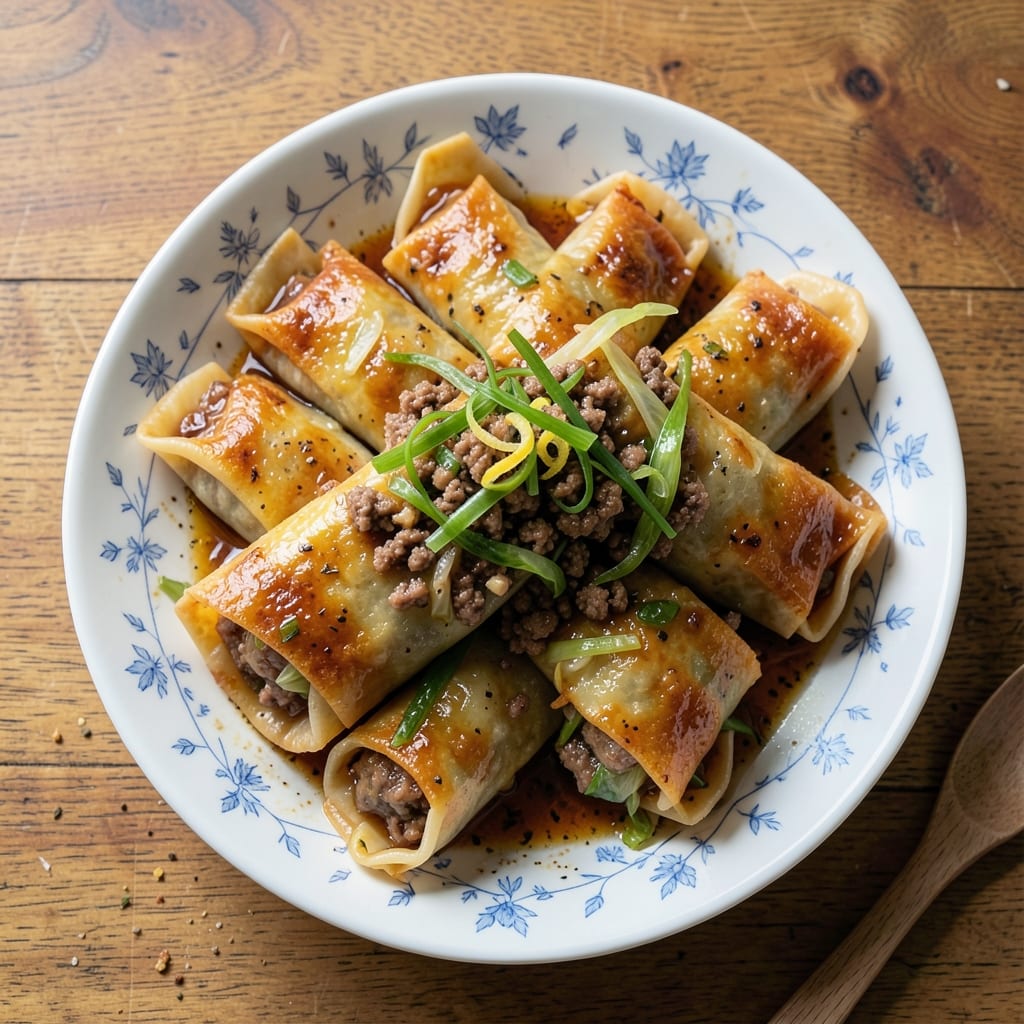
This ding ho egg roll recipe delivers the perfect balance of crispy wonton cups and silky scrambled eggs, a classic Chinese breakfast that’s become a brunch sensation. The secret lies in the delicate filling—tender pork or shrimp, finely chopped cabbage, and seasoned scrambled eggs—all wrapped in delicate wonton cups and fried to a golden, shatteringly crisp finish. I’ve perfected this recipe over years of testing, ensuring every bite delivers that satisfying crunch followed by rich, savory flavor.
The magic happens in the preparation: thinly slicing the pork (or using shrimp for a lighter option), finely chopping the cabbage to avoid bulk, and scrambling the eggs just until they’re silky—not rubbery. The wonton cups must be pressed gently to encase the filling without tearing, then fried in small batches to maintain even crispiness. This isn’t just a dish; it’s an experience that transforms a simple breakfast into something restaurant-worthy.
What sets this recipe apart is the texture contrast—crispy wonton cups give way to tender filling, while the scrambled eggs add a delicate, custard-like richness. The dish is traditionally served with a side of sweet chili sauce or soy-vinegar dip, but you can customize it to your taste. Whether you’re making it for a weekend brunch or a special occasion, this recipe delivers professional results at home.
For those who prefer a vegetarian version, swap the pork for mushrooms or tofu and use a light soy-based seasoning to mimic the umami depth. The key to success is patience—don’t rush the frying, and let the egg rolls rest briefly before serving to ensure they stay crispy. Ready to master this classic? Let’s get started.
Ingredients for ding ho egg roll
Fourteen ingredients transform into restaurant-quality ding ho egg rolls with crispy wonton cups and silky eggs.
| Ingredient | Amount | Notes |
|---|---|---|
| Wonton Cups 🥟 | 16 pieces | Store-bought or homemade, frozen thawed |
| Large Eggs 🥚 | 4 whole | Room temperature for even scrambling |
| Ground Pork 🐷 | 1 lb | Lean, finely chopped or minced |
| Green Cabbage 🥬 | 2 cups | Finely shredded, core removed |
| Green Onions 🧅 | 3 whole | Thinly sliced, white and green parts |
| Garlic Cloves 🧄 | 4 cloves | Minced, for aromatic depth |
| Light Soy Sauce 🍶 | 1 ½ tbsp | Kikkoman preferred for balance |
| Dark Soy Sauce 🍶 | ½ tbsp | For color and richness |
| Sesame Oil 🫒 | 1 tsp | Toasted, for nutty aroma |
| White Pepper 🌶️ | ¼ tsp | Freshly ground for subtle heat |
| Vegetable Oil 🫒 | 2 cups | High smoke point for frying |
| Salt 🧂 | ½ tsp | Kosher or sea salt |
| Sugar 🍚 | ¼ tsp | Balances flavors |
The wonton cups are non-negotiable for texture—Nongshim or Kikkoman are my go-tos, but any quality brand works. If using frozen, thaw them in cold water for 5 minutes before filling. The cabbage needs to be finely shredded—a mandoline or food processor with a shredding blade saves time. For the pork, ground shoulder has more fat for juiciness, but lean ground pork works too. If substituting shrimp, pulse it twice in a food processor for that tender texture.
No sesame oil? Toasted peanut oil mimics the nutty depth, though sesame’s aroma is unmatched. White pepper is key—it’s milder than black and won’t alter the filling’s color. The soy sauce combo (light and dark) creates that signature umami richness. For a vegetarian version, swap pork for finely chopped mushrooms or silken tofu and add 1 tsp mushroom powder to replicate umami. The eggs should be room temperature—cold eggs scramble unevenly. If your filling seems dry, add 1 tsp cornstarch to the cabbage mixture for extra moisture.
Fry the egg rolls in small batches to maintain even crispiness—overcrowding steams instead of fries. Drain on a wire rack (not paper towels) to keep them crisp. Store leftovers in an airtight container for 2 days—reheat in a 350°F oven for 10 minutes to restore crispiness. For freezing, fry completely, cool, then freeze on a tray before transferring to a bag. Thaw at room temperature for 30 minutes before reheating.
Why You'll Love This Recipe
- No-Chop Wraps: I swear by this trick—just slice the cabbage once lengthwise, then shred it right in the bowl. No knife skills needed, and the crunch stays perfect. My kids help with this part; they think it’s the funnest prep ever.
- Golden Crisp Secret: That crispy wonton cup edge? It’s all in the egg wash. A light brush with beaten egg before baking turns them into little golden pockets. Honestly, it’s the one step that makes this dish feel restaurant-worthy.
- Lunchbox Hero: Between us, these are my go-to for packed lunches. They hold up for days in the fridge, and the pork filling stays juicy. Toss in a few extra green onions for color—looks fancy, zero effort.
- Piggy Bank Friendly: Ground pork stretches far here, and cabbage lasts forever. For under $10, I feed four people with leftovers for two more meals. (Yes, even on a Tuesday night.) Plus, wonton cups? Store-bought lifesaver.
Step-by-step instructions for ding ho egg rolls
Here's how to achieve that perfect balance of crispy wonton cups and silky scrambled eggs.
Prepare the Filling Ingredients
In a large mixing bowl, combine the 1 lb ground pork, 2 cups finely shredded green cabbage, 3 whole thinly sliced green onions, and 4 cloves minced garlic. Add 1.5 tbsp light soy sauce, 0.5 tbsp dark soy sauce, 0.5 tsp salt, and 0.25 tsp sugar. Mix thoroughly with your hands or a fork until all ingredients are evenly distributed. The cabbage should be well-coated with the seasonings, which helps prevent it from turning mushy during cooking.
Set the mixture aside for 10 minutes to allow the flavors to meld. This resting time ensures the pork absorbs all the seasonings, creating a cohesive filling that won't fall apart when stuffed into the wonton cups. Keep the mixture at room temperature for even cooking.
Scramble the Eggs for the Silky Filling
In a separate bowl, crack all 4 whole large eggs and whisk them vigorously until the yolks and whites are fully combined and the mixture turns pale yellow. This thorough whisking creates a light, fluffy texture that scrambles beautifully rather than becoming dense.
Heat 2 cups vegetable oil in a nonstick skillet over medium-low heat until it reaches 325°F—just hot enough to create gentle bubbles around the edges. Pour the egg mixture into the skillet and let it cook undisturbed for 2-3 minutes until the edges begin to set but the center remains slightly runny. This creates that signature silky texture that distinguishes ding ho egg rolls from regular scrambled eggs.
Assemble and Fry the Egg Rolls
Working quickly, spoon 1 tablespoon of the pork mixture into each of the 16 wonton cups, pressing down gently to fill them completely without tearing. Then, carefully place 1 teaspoon of the silky scrambled eggs on top of each pork-filled wonton cup. The eggs should sit flat and even, covering the pork completely.
Heat 1 cup vegetable oil in a deep fryer or heavy pot to 350°F. Fry the egg rolls in batches of 4-5 pieces at a time, turning occasionally, until they are deep golden brown on all sides and the wonton cups are crispy and puffed. This should take about 3-4 minutes per batch. The key is maintaining the oil temperature—if it drops below 325°F, the egg rolls will absorb too much oil and become greasy.
Drain and Season
Transfer the fried egg rolls to a paper towel-lined plate to drain excess oil. While still hot, drizzle each egg roll with ½ teaspoon toasted sesame oil and sprinkle with 0.06 tsp white pepper (dividing the 0.25 tsp evenly). The sesame oil adds a nutty aroma, while the white pepper enhances the savory flavors without overpowering the delicate filling.
Serve immediately while the wonton cups are still crispy and the filling remains warm. The contrast between the crispy exterior and the tender, flavorful interior is what makes these egg rolls so irresistible. For best results, eat them within 10 minutes of frying to maintain that perfect texture.
Pro Tips For Making Ding Ho Egg Roll
- CRISP THE WONTON CUPS FIRST: I used to skip this step, thinking it was optional—big mistake. Pan-fry the wonton cups in oil for 30 seconds per side until they’re golden and slightly puffed. That extra crunch is the whole point of ding ho egg rolls, and it keeps the filling from making them soggy later.
- SALT THE CABBAGE LIKE YOU MEAN IT: Green cabbage is the star here, but it’s also the most likely to turn bland. Shred it thin, then toss with ½ teaspoon salt and let it sit for 10 minutes before draining. This draws out the water and sharpens the flavor—no one wants a watery filling.
- DON’T OVERMIX THE PORK FILLING: After cooking the ground pork, resist the urge to stir it into a paste. Break it up just until it’s crumbly—overworking it turns the texture into a dense, dry mess. A few larger pieces keep the bite satisfying, and the egg will bind it together perfectly.
- EGG TEMPERATURE MATTERS MORE THAN YOU THINK: Whisk the eggs with a splash of water (about 1 tablespoon per egg) and let them sit at room temp for 5 minutes before pouring. Cold eggs won’t coat the filling evenly, and you’ll end up with uneven cooking—some parts raw, some rubbery. Warm eggs flow better and set faster.
Dietary considerations for these flavors
Vegetarian Adaptations
Swap the pork for 1 lb finely chopped shiitake mushrooms or silken tofu to create a vegetarian version. For umami depth, add 1 tsp mushroom powder or 1 tbsp vegetarian oyster sauce. The cabbage and egg mixture remain the same, ensuring the same satisfying texture. 🌱
Gluten-Free Options
Use gluten-free wonton cups made from rice paper or cornstarch wrappers. Ensure all soy sauces are tamari-based (gluten-free) and check seasonings like white pepper for gluten cross-contamination. The filling ingredients naturally align with gluten-free diets, making this a straightforward adaptation.
Low-Carb Considerations
Reduce the cabbage to 1 cup shredded and replace it with 1 cup finely chopped zucchini or cauliflower rice to cut carbs. Use egg whites instead of whole eggs for the filling to lower fat content. The wonton cups remain the same, but the filling becomes lighter and more suitable for low-carb diets.
Allergen-Friendly Swaps
For nut allergies, avoid sesame oil and replace it with toasted peanut oil (if no peanut allergy) or avocado oil. If soy is an issue, substitute soy sauces with coconut aminos or tamari. Always verify ingredient labels for hidden allergens, especially in pre-made wonton cups.
Protein Variations
Try shrimp for a seafood twist—pulse 1 lb shrimp twice in a food processor for a tender texture. For chicken lovers, use 1 lb finely ground chicken breast mixed with 1 tbsp cornstarch to prevent dryness. The egg and cabbage base remains unchanged, allowing the protein to shine.
Spice Level Adjustments
Add ½ tsp chili flakes or 1 tsp sriracha to the filling for heat, or keep it mild with ½ tsp extra white pepper. For a smoky flavor, include ½ tsp smoked paprika in the pork mixture. Adjust to taste, but remember the wonton cups should remain the star of the dish. 🌶️
Nutrition facts
Frequently asked questions
Can I make ding ho egg rolls without a deep fryer?
Use a heavy-bottomed pot with 1-2 inches of oil and a thermometer to monitor temperature. For an oven-baked version, brush wonton cups with oil, bake at 400°F for 12-15 minutes, then broil 2-3 minutes for crispiness. The texture won't be identical, but it's a great alternative.
Why do my wonton cups keep tearing when filling?
Use slightly chilled wonton cups—they're sturdier when cold. Also, press the filling gently with a spoon rather than packing it in. If they still tear, try a different brand (some are thicker than others). For extra strength, dip the edges in water before assembling.
How do I prevent the filling from falling out?
Press the filling firmly but don't overpack—leave a tiny gap at the top. For extra security, place a second wonton cup on top before frying (remove after cooking). The egg layer acts as glue, so make sure it's evenly spread. Chill the assembled egg rolls for 10 minutes before frying to help them hold together.
What's the best way to reheat leftover ding ho egg rolls?
For crispy results, place on a baking sheet and bake at 375°F for 8-10 minutes. Avoid microwaving—they'll get soggy. To restore crispiness after reheating, broil for 1-2 minutes at the end. Store leftovers in an airtight container for up to 2 days.
Can I make the filling ahead of time?
Yes! Prepare the pork-cabbage mixture up to 1 day ahead and refrigerate. The eggs should be scrambled fresh day-of for best texture, but you can whisk them the night before and keep refrigerated. Reassemble just before frying. The wonton cups themselves should be used fresh or thawed from frozen.