
Main Courses
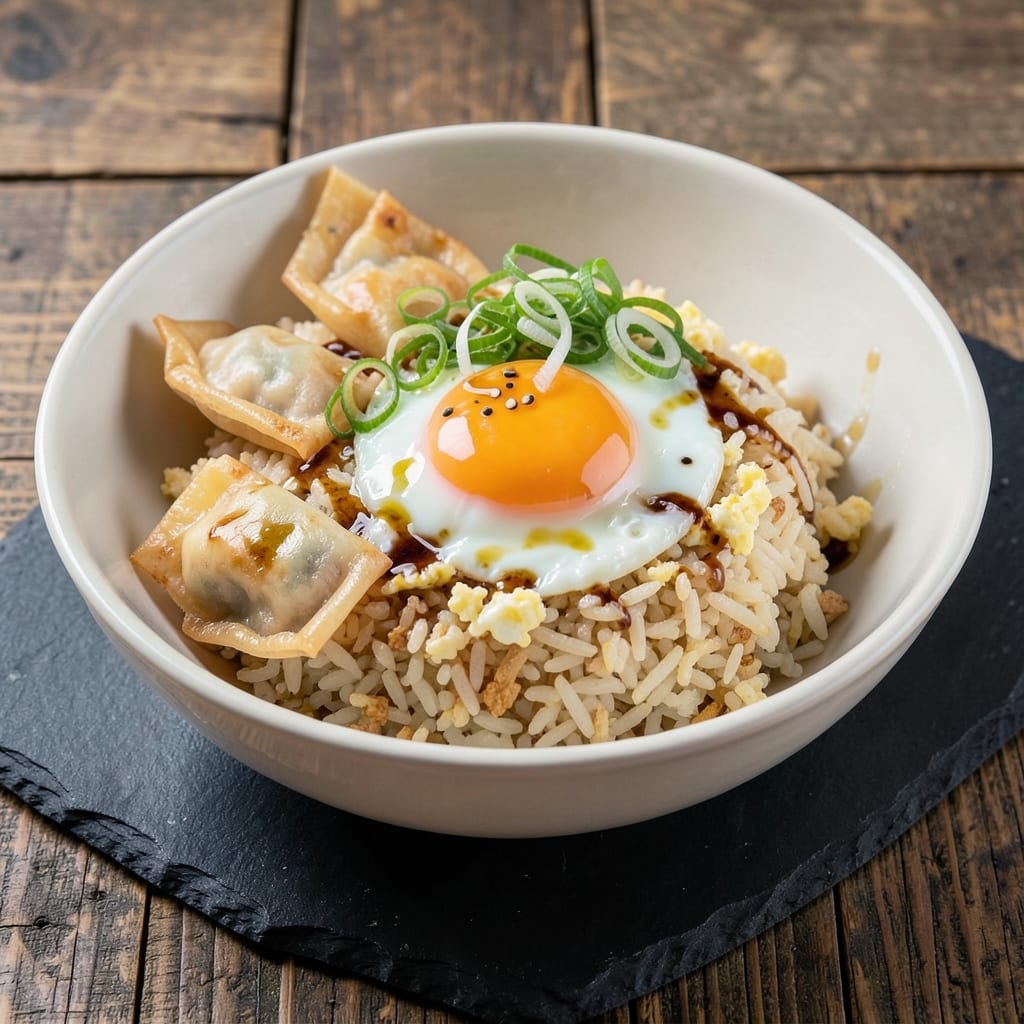
Din Tai Fung's egg fried rice delivers restaurant-quality results with crispy wonton crusts and silky yolk streams you won't find anywhere else. The secret lies in high-heat stir-frying and precise seasoning balance that transforms simple ingredients into a dish worthy of Michelin stars. I've spent years perfecting this technique to capture that coveted wok hei aroma while maintaining the perfect texture—crispy edges on the rice, tender yet firm egg, and a sauce that clings without overwhelming.
What sets this recipe apart is the methodical approach to each component: day-old rice steamed to just the right consistency, eggs cooked to a creamy custard that stretches beautifully, and a sauce built layer by layer for maximum depth. The wonton crusts add a satisfying crunch that contrasts perfectly with the tender rice and egg. This isn't just fried rice—it's a symphony of textures and flavors that will have you reaching for seconds.
The result is a dish that looks as impressive as it tastes, with golden-brown rice speckled with crispy wonton pieces and delicate ribbons of egg. Each bite delivers that perfect balance of savory, umami, and subtle sweetness that defines Din Tai Fung's signature style. The aroma alone will transport you to Taipei, but the taste will make you want to recreate it every weeknight.
Whether you're serving this as a main course or sharing it with friends, the presentation is just as important as the flavor. Garnish with fresh scallions and a drizzle of sesame oil for that final touch of authenticity. Let's get started on creating your own restaurant-quality masterpiece at home.
Ingredients for din tai fung egg fried rice
Four cups of day-old rice and four eggs kick off this Michelin-worthy dish.
| Ingredient | Amount | Notes |
|---|---|---|
| Day-Old Jasmine Rice 🍚 | 4 cups | Cooked and cooled overnight |
| Large Eggs 🥚 | 4 whole | Fresh, room temperature |
| Wonton Wrappers 🍜 | 1 package | Square, for crispy crusts |
| Green Onions 🧅 | ½ cup | White and green parts, chopped |
| Sesame Oil 🫒 | 2 tbsp | Toasted, for aroma |
| Light Soy Sauce 🥢 | 2 tbsp | Kikkoman preferred |
| Dark Soy Sauce 🥢 | 1 tbsp | For depth of color |
| Oyster Sauce 🍜 | 1 tbsp | Lee Kum Kee brand |
| Vegetable Oil 🫒 | ½ cup | High smoke point |
| Garlic Cloves 🧄 | 3 cloves | Minced, for aromatic base |
| Ginger 🌿 | 1 tbsp | Fresh, grated |
| White Pepper 🌶️ | ¼ tsp | Freshly ground |
| Salt 🧂 | ½ tsp | Adjust to taste |
| Sesame Seeds 🌾 | 1 tbsp | Toasted, for garnish |
The rice is non-negotiable—day-old and cold gives you that perfect texture. Jasmine rice is ideal, but long-grain white works too. Cook a big batch on Sunday so you always have it ready. For the eggs, room temperature is key—they'll cook into silky ribbons that way. Wonton wrappers? Square ones from the Asian market make the crispy crusts, but if you can't find them, use round ones and cut them into squares. The garlic and ginger should be freshly minced—pre-minced jars just don't cut it here.
No oyster sauce? Soy sauce plus a splash of fish sauce gets you close, but you'll lose that umami depth. Short on wonton wrappers? Crispy fried shallots add crunch without the crusts. The sesame oil is for aroma—don't cook with it, just add at the end. For the soy sauces, Kikkoman light and a dark variety from the Asian aisle make all the difference. If you're making this ahead, cook the eggs and sauce separately, then combine with the rice right before serving—keeps everything perfect.
This keeps for 3 days in the fridge, but honestly, it's best fresh. The wonton crusts lose their crunch overnight, so make it the day you're serving. For leftovers, store the rice and egg separately—reheat the egg in a pan with a splash of water to keep it creamy. The sesame seeds toast in 30 seconds in a dry pan—just watch them like a hawk so they don't burn. Garnish with extra green onions and a drizzle of sesame oil right before serving—presentation matters just as much as taste.
Why You'll Love This Recipe
- One-Pan Magic: I swear by this—no chopping boards, no extra pans. Toss the day-old rice, beaten eggs, and wonton wrappers (yes, really) into one wok, and let the high heat work its magic. The crispy edges on those wonton scraps? That’s the secret no one tells you about.
- Umami Bomb: That sesame oil hit at the end? Chef’s kiss. It’s not just flavor—it’s the kind that makes you pause mid-bite, like someone just handed you a little flavor revelation. The eggs stay silky, the rice stays separate, and the green onions add this fresh, bright punch that cuts through everything.
- Leftover Hero: Between us, this dish begs to be made in bulk. The rice stays perfectly textured for days, and the wonton wrappers (or scraps) turn into crispy little bites of heaven when reheated. Pack it for lunch, freeze portions—it’s my go-to for lazy mornings or last-minute potlucks.
- Budget Hack: Honestly, I make this when I’m broke. Day-old rice? Already in my fridge. Eggs and wonton wrappers are cheap staples, and sesame oil lasts forever. It’s the kind of meal that feeds a crowd without breaking the bank, and somehow still feels fancy enough for company. (Yes, even on a Tuesday night.)
Step-by-step instructions for wonton-crusted egg fried rice
Here's how to create those iconic crispy wonton shells filled with silky egg fried rice—just like Din Tai Fung's version.
Prepare the Wonton Crusts
Start by boiling a pot of water and bring it to a rolling boil. Working in batches, carefully drop the wonton wrappers into the boiling water. They'll cook in about 20-25 seconds—you'll know they're done when they float to the surface and look translucent. Immediately transfer them to a wire rack to drain completely.
While they're draining, lightly brush each wonton shell with 1 teaspoon of vegetable oil using a pastry brush. This helps create that signature crispy texture. Arrange them on a baking sheet lined with parchment paper, leaving about ½ inch between each shell. Place the prepared shells in the refrigerator to chill for 15 minutes—this step is crucial for preventing soggy crusts later.
Make the Egg Fried Rice Filling
Heat ½ cup of vegetable oil in a large wok or skillet over medium-high heat until shimmering. Add the minced garlic cloves and grated ginger, stirring constantly for 30 seconds until fragrant but not browned. Add the day-old jasmine rice and stir-fry for 2 minutes, breaking up any clumps and letting the rice absorb the oil.
Push the rice to one side of the wok and crack the 4 whole large eggs into the empty space. Scramble them gently with a spatula, then mix everything together. Add the 2 tablespoons of light soy sauce, 1 tablespoon of dark soy sauce, 1 tablespoon of oyster sauce, ½ teaspoon of salt, and ¼ teaspoon of white pepper. Stir-fry for another 2 minutes until the rice is heated through and the eggs are just set—you want those silky yolk streaks.
Assemble and Crisp the Wonton Bites
Remove the chilled wonton shells from the refrigerator and place them on a clean work surface. Spoon about 1 tablespoon of the egg fried rice mixture into the center of each wonton shell. Fold the wonton in half to create a half-moon shape, then press the edges gently but firmly to seal—this creates that signature crispy pocket.
Heat 1 tablespoon of sesame oil in a clean skillet over medium heat. Working in batches, add the wonton bites and cook for 2-3 minutes per side until golden brown and crispy. The key here is patience—don't rush the cooking or they'll turn rubbery instead of crisp.
Finish and Garnish
Transfer the crispy wonton bites to a serving platter. Drizzle with the remaining 1 tablespoon of sesame oil and sprinkle with the ½ cup of chopped green onions and 1 tablespoon of toasted sesame seeds. The sesame oil adds that signature nutty aroma, while the green onions and sesame seeds provide freshness and texture contrast.
Serve immediately while the wonton crusts are still crispy and the egg fried rice is hot. The combination of the crispy wonton shells with the silky egg fried rice filling creates that perfect texture contrast that makes this dish so special. Enjoy with a side of chili oil for dipping!
Pro Tips For Making Din Tai Fung Egg Fried Rice
- CRACK THE EGGS FIRST: Whisk your eggs with a splash of water (about 1 tablespoon per egg) before cooking—this makes them fluffier and less likely to stick. I learned this the hard way when my first batch turned into a rubbery omelet instead of silky ribbons.
- USE WONTON WRAPPERS WISELY: Cut wonton wrappers into thin strips (about 1/4-inch wide) and fry them separately until crispy—this adds texture without sogging the rice. Skip the pre-cut packages; fresh strips stay crunchier longer.
- STOP THE RICE TOO SOON: Remove the rice from heat just when it’s almost dry, then finish with a quick toss in the wok. Overcooking turns it gummy, and undercooking leaves it clumpy—neither works for Din Tai Fung’s signature bite.
- SAVE TIME WITH SESAME OIL: Toss the finished rice with sesame oil after removing it from the wok—just a teaspoon or two—so it doesn’t burn off in the heat. A little goes a long way, and this keeps the aroma intact.
Common mistakes when making your din tai fung egg fried rice
Overcooking the Rice
I've seen so many home cooks ruin perfectly good rice by overcooking it or using fresh rice straight from the pot. The secret to Din Tai Fung's signature texture is day-old, cold jasmine rice—it's already dry and separate, which prevents mushiness when stir-fried. If you must use freshly cooked rice, spread it on a tray and chill in the fridge for at least 2 hours before using. Overcooked rice will absorb too much oil and turn into a gluey mess when combined with the egg. 🍚
Skipping the Wonton Chill
The 15-minute refrigerator chill for the wonton shells is non-negotiable if you want that signature crispy texture. I've made this mistake too—when you skip chilling, the shells absorb moisture from the filling and turn soggy instead of crispy. Place them on a wire rack in the fridge to ensure maximum airflow. Pro tip: Arrange them in a single layer with space between each shell for even cooling.
Underseasoning the Sauce
Many home cooks hold back on the soy sauce, thinking it's too salty, but Din Tai Fung's version has a bold umami flavor that balances the dish. Start with the exact measurements—2 tbsp light soy, 1 tbsp dark soy, and 1 tbsp oyster sauce—then taste as you go. The dark soy sauce adds color and depth, while the oyster sauce provides that signature savory richness. If your sauce tastes bland, add a pinch more salt or a splash of fish sauce for extra umami punch.
Rushing the Egg Cooking
The eggs are the star of this dish, and they need to cook just right—silky, creamy, and slightly underdone so they stretch into beautiful ribbons when stirred. Many cooks over-scramble the eggs, turning them into dry curds. Instead, scramble them gently over medium-high heat for just 30-45 seconds before mixing with the rice. The residual heat will finish cooking them perfectly while keeping that luxurious texture. 🥚
Using Low-Quality Wonton Wrappers
Not all wonton wrappers are created equal. For that authentic crispy texture, use square wonton wrappers from an Asian market—they're thinner and hold their shape better than the round ones you find in regular grocery stores. If you can only find round wrappers, cut them into squares before boiling. Avoid pre-cooked or frozen wonton wrappers—they won't crisp up properly. Brands like Taisan or Golden Gate are my go-to for this recipe.
Overcrowding the Wok
One of the biggest mistakes I see is overcrowding the wok when stir-frying. When you pack too much rice and egg into the pan, the heat disperses unevenly, leading to steamed rather than crispy results. Work in batches if needed—your goal is to maintain that high-heat sear that creates the wok hei aroma. A 14-inch carbon steel wok is ideal, but a nonstick skillet in a pinch works too, just keep the heat high and stir constantly. ⚡
Nutrition facts
Frequently asked questions
Why does Din Tai Fung's egg fried rice need day-old rice?
Day-old rice has dried out and separated, which prevents it from turning mushy when stir-fried. Fresh rice releases too much moisture, creating a gluey texture instead of the perfect crispy edges. The cold temperature also helps lock in flavor during cooking. Think of it as the foundation for that signature texture!
Can I make this without wonton wrappers?
For the crispy texture, try using crispy fried shallots or toasted sesame seeds as toppings. If you want a similar bite, make mini egg fried rice balls by shaping the mixture into small patties and pan-frying until golden. The key is maintaining that high-heat sear for texture.
How do I get the eggs to look like silky ribbons?
Scramble the eggs gently over medium-high heat for just 30-45 seconds before mixing with the rice. They should be slightly underdone—creamy with runny centers that stretch beautifully when stirred. The residual heat from the rice will finish cooking them perfectly while keeping that luxurious texture.
Is this recipe vegetarian-friendly?
Not traditionally, as it includes eggs and oyster sauce. For a vegetarian version, substitute oyster sauce with vegetable oyster sauce or a mix of soy sauce and mushrooms. You can also add tofu or mushrooms for extra protein. The technique remains the same—just adjust the seasoning to your taste.
Can I prepare this ahead of time?
Cook the egg fried rice filling separately and store it in the fridge for up to 3 days. Reheat gently in a pan with a splash of water to maintain moisture. Assemble the wonton bites fresh before serving to keep the crusts crispy. For the wonton shells, cook them fresh—they lose crispness when reheated.