
Breakfast & Brunch
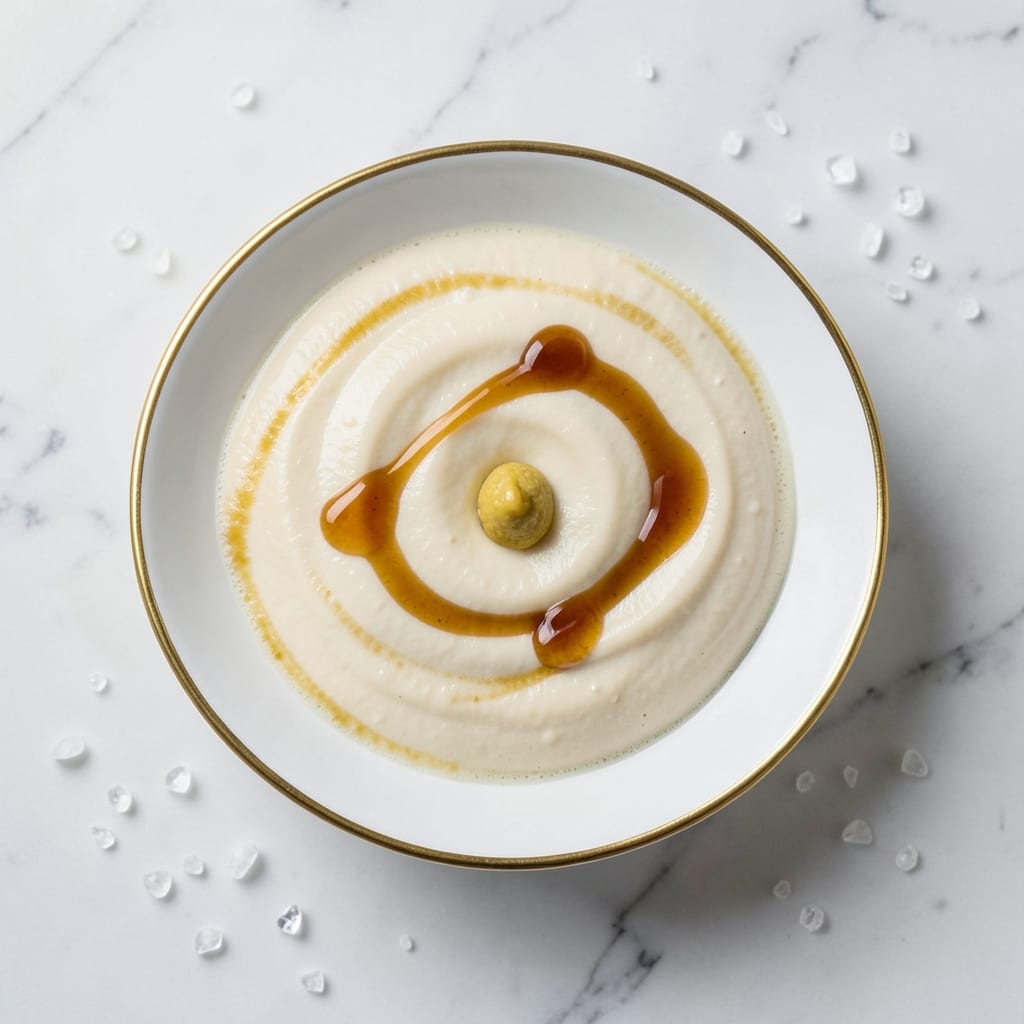
This dairy-free egg-free mayonnaise recipe transforms simple pantry staples into a velvety, creamy condiment that rivals traditional mayo. The secret lies in aquafaba—chickpea brine—whipped to light, frothy peaks that bind oil and vinegar into a stable emulsion. I developed this recipe after years of testing plant-based alternatives, and it finally delivers that perfect balance of tang, richness, and smooth texture without dairy or eggs.
The process is surprisingly straightforward: blend aquafaba with Dijon mustard and apple cider vinegar, then gradually drizzle in neutral oil while blending continuously. This method ensures a silky, glossy finish that clings beautifully to sandwiches, salads, and dips. What makes it special is how versatile it is—use it as a base for garlic aioli, herb-infused spreads, or even vegan Caesar dressing.
What you'll end up with is a mayo that's just as creamy and rich as the classic version, but with a lighter texture and cleaner flavor profile. The aquafaba adds subtle bean notes that disappear into the final product, leaving only that familiar tangy, buttery mouthfeel. This recipe also keeps beautifully in the fridge for up to two weeks, making it perfect for meal prep.
Ready to make this dairy-free mayo? The ingredients are simple—aquafaba, oil, vinegar, mustard, and a pinch of salt—but the technique is what transforms them into something extraordinary. Whether you're vegan, allergic to dairy and eggs, or simply looking for a lighter option, this recipe delivers restaurant-quality results at home.
Ingredients for dairy free egg free mayonnaise
Eight simple pantry staples create a velvety mayo without dairy or eggs.
| Ingredient | Amount | Notes |
|---|---|---|
| Aquafaba 🥜 | ½ cup | Freshly drained from canned chickpeas |
| Neutral Oil 🫒 | 1 cup | Avocado or light olive oil preferred |
| Apple Cider Vinegar 🍎 | 1 tbsp | Raw, unfiltered for best flavor |
| Dijon Mustard 🌶️ | 1 tsp | High-quality, smooth variety |
| Fine Sea Salt 🧂 | ½ tsp | Adjust to taste after blending |
| White Vinegar 💧 | ½ tsp | For additional tang if needed |
| Sugar 🍬 | ¼ tsp | Balances acidity, optional |
| Lemon Juice 🍋 | ½ tsp | Freshly squeezed for brightness |
The aquafaba is the star here—always use freshly drained from a can of chickpeas (the brine is what matters). Trader Joe's or Whole Foods sell chickpeas with the highest-quality brine, but any canned chickpeas work in a pinch. For the oil, avocado oil gives the cleanest flavor, but light olive oil is a great budget-friendly alternative. The vinegar matters too—raw, unfiltered apple cider vinegar adds depth that white vinegar can't match. If you're using store-bought aquafaba, check the label for added salt or preservatives, which can throw off the balance.
No Dijon mustard? Yellow mustard at half the amount works, though it'll be less refined. The sugar is optional but helps balance the acidity—maple syrup or agave can substitute if you prefer. Short on lemon juice? Extra vinegar does the trick, but the citrus brightness is worth the effort. For a garlic aioli, add 1 minced garlic clove to the initial blend. Want it herb-infused? Toss in 1 tbsp fresh dill or chives after blending. The key is patience—drizzle the oil slowly to avoid breaking the emulsion, and blend until it's completely smooth before adding any extras.
This mayo keeps beautifully in an airtight jar in the fridge for up to 2 weeks, though it's best within a week. For longer storage, freeze in ice cube trays—thaw and whisk to restore texture. The flavor actually improves over time as the ingredients meld. If it separates, just whisk vigorously to re-emulsify. Store any unused oil in a separate container for future batches—waste not, want not. Leftovers make perfect sandwich spreads, salad dressings, or a quick vegan Caesar base.
Why You'll Love This Recipe
- Five-Ingredient Magic: I swear, this is the kind of recipe where you’ll stare at your pantry and think, "I already have this?" Aquafaba—yes, chickpea brine—does the heavy lifting here, and all you’re adding is oil, vinegar, mustard, and salt. No whisking like crazy, no waiting for eggs to temper. Just blend, emulsify, and boom—creamy magic in minutes.
- Tangy Twist: Honestly, the apple cider vinegar and Dijon mustard give this mayo a depth that store-bought versions can’t touch. It’s bright, slightly sharp, and just sweet enough—like a grown-up’s ranch dressing. Drizzle it over sandwiches or mix it into coleslaw, and suddenly everything tastes intentionally good.
- Potluck Hero: Between us, this is my secret weapon for gatherings. No one needs to know it’s not the "real" mayo—it holds up in mac salads, deviled eggs (if you’re making those), and even as a sandwich spread. Plus, it’s vegan, egg-free, and still foolproof. Bring a jar, and you’ll be the MVP of the spread.
- Pantry Goldmine: I make a big batch and keep it in the fridge for weeks—it’s my go-to for last-minute meals or when I’m too tired to shop. A splash of olive oil for dressings, a dollop in dips, or a quick fix for takeout leftovers. And because it’s cheap to make? My wallet thanks me every time.
Step-by-step instructions for dairy-free egg-free mayonnaise
Here's how to create a velvety, stable mayonnaise without eggs or dairy—every step ensures perfect emulsification.
Whisk Aquafaba Until Foamy
Measure the 0.5 cup aquafaba into a heatproof bowl and place it over a pot of simmering water (double boiler). This gentle heat helps stabilize the protein structure for better emulsification. Whisk continuously for 3-4 minutes until the aquafaba becomes foamy and triples in volume.
You'll notice the texture transform from liquid to thick, glossy foam—this is your signal it's ready. If you're using canned chickpeas, drain them thoroughly first; any excess liquid will dilute the final product. The foam should hold its shape when you lift the whisk, indicating proper protein activation.
Gradually Add Neutral Oil in a Slow Stream
Remove the bowl from the heat and let the aquafaba cool slightly. Attach a hand mixer or stand mixer fitted with the whisk attachment. With the mixer running on low speed, very slowly drizzle in the 1 cup neutral oil—about 1 teaspoon at a time. This gradual addition is critical; rushing causes the emulsion to break.
Watch carefully as the mixture transforms from thin to thick, then back to thin again before stabilizing into a creamy emulsion. If it separates at any point, don't panic—just keep mixing and add 1 teaspoon of the apple cider vinegar to help re-emulsify. The key is patience; a proper emulsion forms when the oil and aquafaba become one smooth, velvety texture.
Incorporate Acid and Seasonings
Once the oil is fully incorporated, reduce the mixer speed to low and add the 1 tablespoon apple cider vinegar, 0.5 teaspoon white vinegar, and 1 teaspoon Dijon mustard. Mix for 30 seconds to distribute evenly. The acidity helps stabilize the emulsion while the mustard adds depth of flavor.
Next, add the 0.5 teaspoon fine sea salt, 0.25 teaspoon sugar, and 0.5 teaspoon lemon juice. The sugar balances the acidity, while the lemon juice brightens the final flavor. Taste and adjust the seasoning—you may need a touch more salt or vinegar depending on your preference. The mixture should taste tangy, slightly sweet, and well-seasoned.
Test Stability and Adjust Consistency
Transfer the mayonnaise to a clean jar or airtight container. To test its stability, drop a spoonful into a glass of ice water. If it holds its shape and doesn't separate, it's ready. If it breaks, whisk in 1 teaspoon of aquafaba to help re-emulsify. For a thicker consistency, chill the mayonnaise in the refrigerator for 30 minutes before using.
This dairy-free, egg-free mayonnaise keeps well in the fridge for up to 1 week when stored properly. Its silky texture and rich flavor make it perfect for sandwiches, dressings, or as a base for vegan recipes. The key to success lies in the slow, steady incorporation of oil and proper seasoning—don't rush these steps for the best results.
Pro Tips For Making Dairy Free Egg Free Mayonnaise
- Whisk Like You Mean It: Start slow to emulsify, then crank the whisk (or immersion blender) to high for 30 seconds—this chases down every last drop of aquafaba and oil. I used to stop too soon and ended up with a greasy mess instead of smooth mayo.
- Use Cold Aquafaba: Stick your chickpea brine in the fridge for at least 2 hours before using—cold aquafaba emulsifies better and won’t turn grainy. I learned this after making mayo that separated like oil and water (yes, even with Dijon mustard as a stabilizer).
- Add Oil Gradually: Pour the oil in very thin streams, letting the whisker catch up between each. Dumping it all at once guarantees a broken emulsion—no amount of whisking will fix it after that point.
- Salt the Mustard First: Mix the Dijon with the vinegar and salt before adding aquafaba—this pre-dissolves the salt and balances flavor from the start. Skipping this step means your mayo tastes flat or overly tangy, no matter how much you adjust later.
Creative variations of dairy free egg free mayonnaise
Garlic Aioli Twist
Transform your base mayo into a bold garlic aioli by blending in 1-2 minced garlic cloves with the aquafaba before adding oil. For extra depth, infuse 2 tbsp neutral oil with 1 minced garlic clove and ¼ tsp red pepper flakes by heating gently for 2 minutes, then cooling before using. This version pairs perfectly with grilled veggies or vegan burgers. 🌶️
Herb-Infused Variations
Brighten your mayo with fresh herbs by whisking in 1 tbsp chopped dill, chives, or tarragon after blending. For a Mediterranean twist, blend 1 tsp dried oregano and ½ tsp lemon zest directly into the aquafaba. Store herbs separately in the fridge and mix in just before serving to preserve freshness. 🌿
Spicy Sriracha Mayo
Add heat with 1-2 teaspoons sriracha (adjust to taste) mixed into the finished mayo. For smoky depth, swap ½ tsp white vinegar for ½ tsp smoked paprika> and add ½ tsp liquid smoke>. This version elevates tacos, loaded fries, or vegan sloppy joes. Balance spice with a pinch of sugar if needed. 🔥
Creamy Avocado Base
For a richer texture, replace ¼ cup of the neutral oil with ¼ cup blended avocado> (peeled and pitted). The natural fats create a lusciously smooth consistency perfect for dips or sandwich spreads. Use ripe avocados for best results—avoid over-blending to prevent separation. 🥑
Citrus-Lime Dressing
Swap apple cider vinegar for 1 tbsp lime juice> and add ½ tsp grated lime zest> to create a zesty dressing ideal for seafood salads or tacos. Boost brightness with 1 tsp honey or agave> to balance acidity. This version keeps for 5 days in the fridge when stored in an airtight container. 🍋
Nutrition facts
Frequently asked questions
Can I use store-bought aquafaba instead of homemade?
Yes, but check the label first! Store-bought aquafaba often contains added salt or preservatives that can affect the emulsion. If it's unsalted, it works perfectly. For best results, use 0.5 cup homemade aquafaba (freshly drained from chickpeas) which has the ideal protein structure for binding oil.
Why did my mayo separate after blending?
This usually happens when oil is added too quickly or the mixer speed is too high. Slow down the oil stream to 1 teaspoon at a time and keep the mixer on low speed. If it separates, whisk in 1 teaspoon of apple cider vinegar or 1 teaspoon of aquafaba to help re-emulsify. Patience is key—don't rush the process!
How can I make this mayo thicker or thinner?
For a thicker consistency, chill the mayo in the fridge for 30 minutes—it will naturally thicken. To thin it out, add 1 teaspoon of water or vinegar at a time while blending. Avoid adding more oil, as this can break the emulsion. The ideal texture should be smooth, creamy, and hold its shape on a spoon.
Can I use this mayo in place of regular mayo in recipes?
This dairy-free, egg-free mayo works perfectly in all recipes that call for traditional mayo, including sandwiches, dressings, deviled eggs (use vegan egg substitutes), and dips. Its tangy, creamy texture makes it a great substitute for vegan cooking or allergy-friendly menus. Just remember it has a slightly lighter flavor, so adjust seasoning as needed.
What’s the best oil to use for flavor?
For neutral flavor, use avocado oil or light olive oil—they won’t overpower the taste. For a richer flavor, try toasted sesame oil (add 1 teaspoon at the end) or walnut oil for a nutty twist. Avoid strong oils like extra virgin olive oil, as they can dominate the mayo’s delicate balance.