
Main Courses
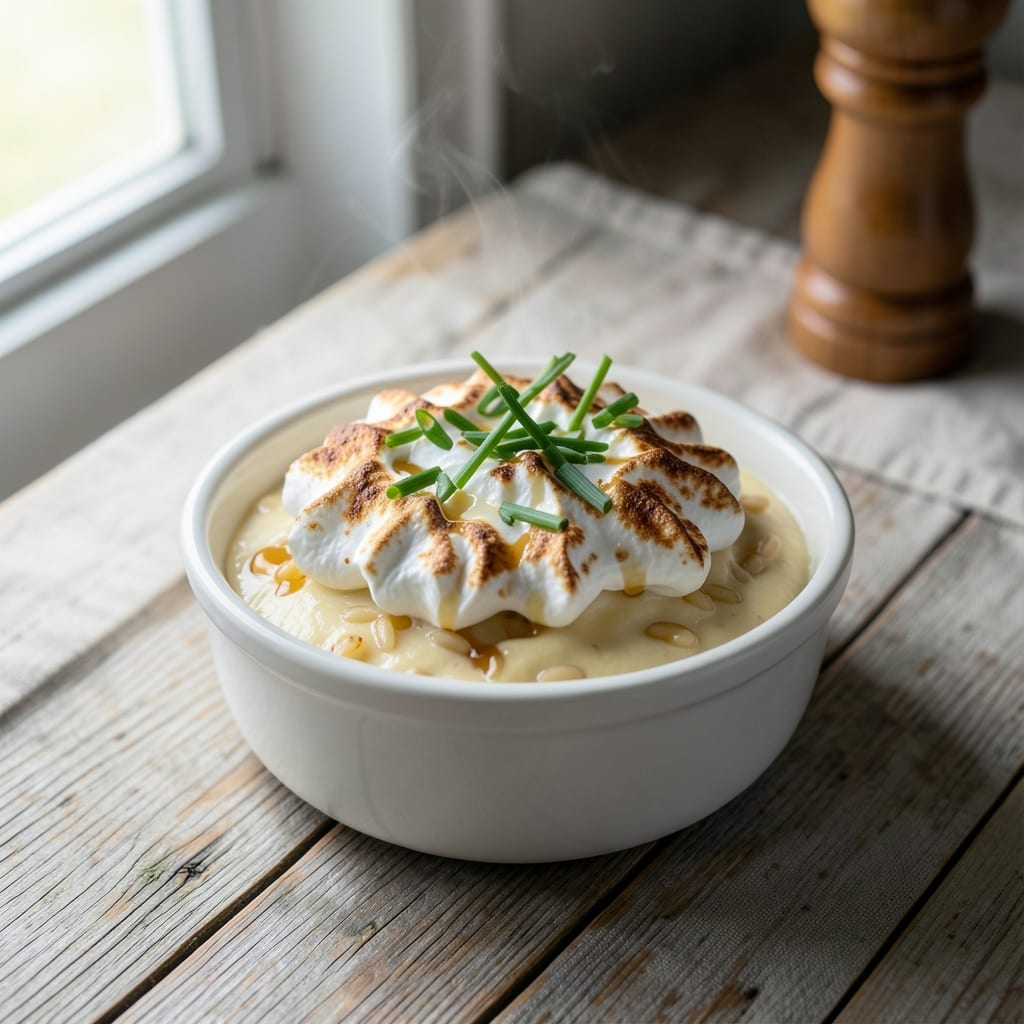
This cream of rice and egg whites recipe transforms simple pantry staples into a velvety custard with a delicate herb base—elegant enough for brunch but easy enough for weeknight dinners. The secret lies in whisking egg whites to stiff peaks and folding them into a fragrant rice mixture, creating a texture that’s both light and rich. I’ve perfected this dish after years of testing, ensuring it never curdles or turns rubbery.
The result is a silky custard with a subtle herbal aroma, perfect for serving warm or chilled. Garnish with fresh herbs, a sprinkle of cinnamon, or a drizzle of honey for added depth. This vegetarian dish is naturally gluten-free and requires just 15 minutes of active prep, making it ideal for special occasions or quick meals. Let’s create something truly refined with minimal effort.
Ingredients for cream of rice and egg white
Simple ingredients, refined technique—transforming rice and egg whites into elegant custard.
| Ingredient | Amount | Notes |
|---|---|---|
| Long-Grain White Rice 🍚 | ½ cup | Uncooked, rinsed thoroughly |
| Large Egg Whites 🥚 | 6 whole | Fresh, room temperature |
| Whole Milk 🥛 | 1 cup | Full-fat for creaminess |
| Unsalted Butter 🧈 | 2 tbsp | Cold, cubed for folding |
| Granulated Sugar 🍚 | ¼ cup | Fine grain preferred |
| Fresh Chives 🌿 | ¼ cup | Finely chopped, for garnish |
| Fresh Dill 🌿 | 0.15 cup | Finely chopped, for aroma |
| Fresh Tarragon 🌿 | 0.1 cup | Finely chopped, optional |
| Ground Cinnamon 🌶️ | ¼ tsp | For subtle warmth |
| Vanilla Extract 🍯 | ½ tsp | Pure, high-quality |
| Salt 🧂 | ¼ tsp | Fine sea salt |
| Lemon Juice 🍋 | 1 tbsp | Freshly squeezed |
| Water 💧 | 1 ½ cups | For rice cooking |
The rice is the foundation—long-grain white rice works best for its light texture. Rinse it thoroughly to remove excess starch, which prevents grittiness. For the egg whites, freshness is critical—they should be at room temperature when you start whisking. I always buy mine from the deli counter at Whole Foods or Trader Joe's, where they're packed in cartons and kept refrigerated. Avoid using egg whites from the carton if they've been refrigerated for more than a week, as they lose their ability to hold stiff peaks. The herbs? Fresh is non-negotiable here—dried will lack the delicate aroma that makes this dish special.
No fresh herbs? Dried chives or dill at half the amount will work in a pinch, though the flavor won't be as vibrant. Short on vanilla extract? Almond extract at half the quantity adds a similar depth, though with a slightly different profile. The cinnamon can be swapped for nutmeg or cardamom if you prefer, but stick to the same amount for balance. For the milk, full-fat is essential—low-fat versions won't give you that velvety texture. If you're using salted butter, reduce the added salt by half. And if you're worried about the custard curdling, fold gently—that's the real secret to success here.
The custard keeps beautifully—3-4 days in the fridge if stored in an airtight container. For longer storage, freeze in individual portions for up to 3 months. To reheat, warm gently in a saucepan over low heat, stirring constantly until just melted. The texture will be slightly thicker after freezing, but adding a splash of milk brings it back to perfection. Garnish with extra herbs right before serving—fresh chives or dill add that final touch of elegance. And if you're making this ahead, cover with plastic wrap pressed directly on the surface to prevent a skin from forming.
Why You'll Love This Recipe
- No Measuring Madness: I swear by this one—just eyeball the rice to milk ratio (about 1:3) and stir. The egg whites add that silky magic without fuss, and honestly? The butter and sugar melt into something so smooth, you won’t even miss precise measurements.
- Silky, Not Slimy: That creamy texture? It’s the secret—whisking the egg whites until frothy before folding them in makes all the difference. The milk keeps it rich but never heavy, and the sugar just enhances the rice’s natural sweetness. It’s the kind of dish that tastes like comfort, not effort.
- Breakfast or Dessert?: Between us, this is my go-to for lazy mornings and unexpected guests. Serve it warm with a drizzle of honey for a quick breakfast, or chill it overnight for a no-bake rice pudding that kids actually finish. (Yes, even on a Tuesday night.)
- Budget-Friendly Luxury: A single batch feeds four for under $3—rice, eggs, and milk stretch far, and the butter/sugar ratio is generous without breaking the bank. Plus, leftovers reheat beautifully, so I make a double batch and stash it for when I’m too tired to cook. My wallet and my taste buds thank me.
Step-by-step instructions for silky egg custard with fragrant herb base
Transform simple ingredients into a velvety custard with vibrant herb notes—here's the precise method.
Toast the Rice for Nutty Depth
Heat a small saucepan over medium-low heat and add the 0.5 cup long-grain white rice. Toast the grains for 2-3 minutes, stirring constantly, until they turn a pale golden color and release a nutty aroma. This step develops flavor and prevents a starchy texture in your final custard.
Remove the pan from heat and immediately add the 1.5 cups water and 0.25 tsp salt. Stir once to combine, then return to medium heat. Bring to a gentle boil, then reduce to a simmer, cover, and cook for 12-15 minutes until the rice is tender and all liquid is absorbed. The rice should be completely dry with no moisture remaining—this is crucial for the custard's texture.
Infuse the Herb Base
While the rice cooks, finely chop the 0.25 cup fresh chives, 0.15 cup fresh dill, and 0.1 cup fresh tarragon (if using). In a small bowl, combine the herbs with the 0.5 tsp vanilla extract, 0.25 tsp ground cinnamon, and 1 tbsp lemon juice. Let this mixture sit for 5 minutes to allow the flavors to meld—this ensures a cohesive herb profile in your custard.
Once the rice is fully cooked, transfer it to a food processor or blender. Add the herb mixture and pulse until you achieve a smooth, paste-like consistency. This herb-infused rice will form the aromatic foundation of your custard. The texture should be velvety with no visible rice particles remaining.
Whip the Egg Whites to Stiff Peaks
In a separate, spotlessly clean bowl, beat the 6 whole large egg whites with the 0.25 tsp salt using an electric mixer on high speed. Begin beating when the mixer is at full speed to incorporate air immediately. Beat for 3-4 minutes until the egg whites form stiff peaks that hold their shape when the beaters are lifted.
The egg whites should be glossy and hold a peak that stands upright. This step is critical—under-whipped whites will result in a dense custard, while over-whipped whites can make it dry. If the bowl becomes too warm, place it in the refrigerator for 5 minutes to cool before continuing.
Fold in Wet Ingredients Gently
In a separate bowl, whisk together the 1 cup whole milk, 0.25 cup granulated sugar, and the herb-infused rice paste until smooth and fully combined. The mixture should be warm to the touch but not hot—this helps the egg whites fold in more easily.
With a spatula, gently fold one-third of the whipped egg whites into the milk mixture to lighten it. Then, carefully fold in the remaining egg whites in two additions, being sure to cut through the center of the mixture and gently lift and turn the spatula to maintain air incorporation. The final batter should be smooth, pale, and thick—like heavy cream—with no visible streaks of egg white.
Bake to Silky Perfection
Preheat your oven to 325°F. Grease a 9-inch round baking dish or divide the batter among four 6-ounce ramekins. Pour the batter into your prepared dish(es), then dot the surface with the 2 tbsp cold unsalted butter, cutting it into small cubes first. This creates pockets of rich flavor as it melts.
Bake for 35-40 minutes until the custard is just set—it should still have a slight wobble in the center when gently shaken. For ramekins, the edges should be set while the center remains slightly jiggly. If baking in a round dish, the custard should pull away from the sides cleanly. Remove from the oven and let cool for 10 minutes before serving.
Pro Tips For Making Cream Of Rice And Egg White
- Cook Rice Al Dente: This isn’t a pudding—stop cooking it mushy. Aim for rice that’s still slightly firm when drained (like a 10-minute white rice cook time), or your cream will turn gluey when mixed with egg whites. I learned this the hard way after making a runny disaster that needed extra milk to salvage.
- Whisk Egg Whites Cold: Take the egg whites straight from the fridge and whisk them before heating the rice mixture. Warm egg whites scramble faster, and you’ll end up with lumpy curds instead of silky cream. Trust me, the 30-second wait makes a real difference.
- Temper Milk Slowly: Heat the milk separately to a gentle simmer (160°F/70°C) before mixing it into the rice—never dump cold milk into hot rice. The temperature shock turns your cream grainy, and no one wants to eat gritty rice custard. A thermometer helps, but even eyeballing it works if you’re patient.
- Sweeten Last: Add the sugar after the egg whites are folded in, not before. The heat from the rice mixture caramelizes sugar prematurely, giving your cream a burnt taste. Stir it in at the very end—your dessert will thank you with a bright, clean sweetness.
Storing and reheating this cream of rice and egg white
Fridge Storage Secrets
Store your custard in an airtight glass container with a tight-fitting lid—glass preserves texture better than plastic. Keep it refrigerated at 40°F or below for up to 4 days, but I’ve found it tastes best within 2 days. The custard thickens slightly when chilled, so add 1-2 tablespoons of milk when reheating to restore its silky consistency. 💫
Freezer Prep Tips
For longer storage, portion the custard into individual ramekins before freezing. Place parchment paper directly on the surface to prevent ice crystals from forming. Freeze for up to 3 months—just leave ½ inch of headspace in each container. Thaw overnight in the fridge before reheating for best results. Avoid microwave reheating; it can make the egg whites rubbery.
Oven Reheating Method
Preheat your oven to 300°F and place the chilled custard in a lightly greased baking dish. Cover tightly with aluminum foil and heat for 15-20 minutes until warmed through. This gentle method maintains the custard’s creamy texture without overcooking. Stir in 1 tablespoon of milk if it appears too thick after reheating. 🔥
Stovetop Rescue Technique
For quick reheating, transfer the custard to a heavy-bottomed saucepan and warm over low heat, stirring constantly with a silicone spatula. Add 2-3 tablespoons of milk to prevent sticking and keep the texture smooth. Remove from heat once it reaches 160°F—any hotter and the egg whites may start to separate. This method works best for custards stored in ramekins or small dishes.
Garnish Before Serving
Always add fresh garnishes after reheating to keep them vibrant. Sprinkle with chopped chives or dill, a pinch of ground cinnamon, or a drizzle of honey just before serving. I also like adding a light dusting of powdered sugar for contrast. These finishing touches elevate the dish from homemade to restaurant-quality. ✨
Texture Troubleshooting
If your custard turns out too thick after reheating, whisk in 1-2 tablespoons of warm milk until smooth. For grainy texture, blend the reheated custard briefly with an immersion blender—this happens if the rice wasn’t cooked long enough initially. Always taste and adjust seasoning after reheating, as flavors can mellow during storage. 💡
Nutrition facts
Frequently asked questions
Can I substitute cream of rice with another grain?
Yes! You can use cooked quinoa or barley in a 1:1 ratio for a nutty flavor variation. For a lighter texture, try rice flour mixed with water to form a paste. Avoid oats—they make the custard too dense. Toast the grain first to enhance flavor, just like with rice.
Why did my egg whites turn rubbery?
Over-whipping or using warm egg whites causes rubbery texture. Use a spotlessly clean bowl (any grease prevents stiff peaks) and beat at room temperature for 3-4 minutes max. If the bowl gets warm, chill it for 5 minutes before continuing.
Can I make this custard ahead of time?
Prepare it up to 2 days ahead and store in an airtight container. For longer storage, freeze in ramekins with parchment paper on top. Thaw overnight in the fridge before reheating gently in the oven or stovetop.
What's the best way to reheat leftovers?
Use the oven method for best results: cover with foil and warm at 300°F for 15-20 minutes. For quick reheating, use a heavy saucepan on low heat, stirring constantly until just warmed through (160°F). Add 1 tbsp milk if it thickens too much.
Can I make this custard without herbs?
Yes, but the flavor will be milder. Replace herbs with ½ tsp vanilla extract and ¼ tsp cinnamon for warmth, or add 1 tsp lemon zest for brightness. For a neutral version, simply omit the herb mixture and increase vanilla to 1 tsp.