
Main Courses
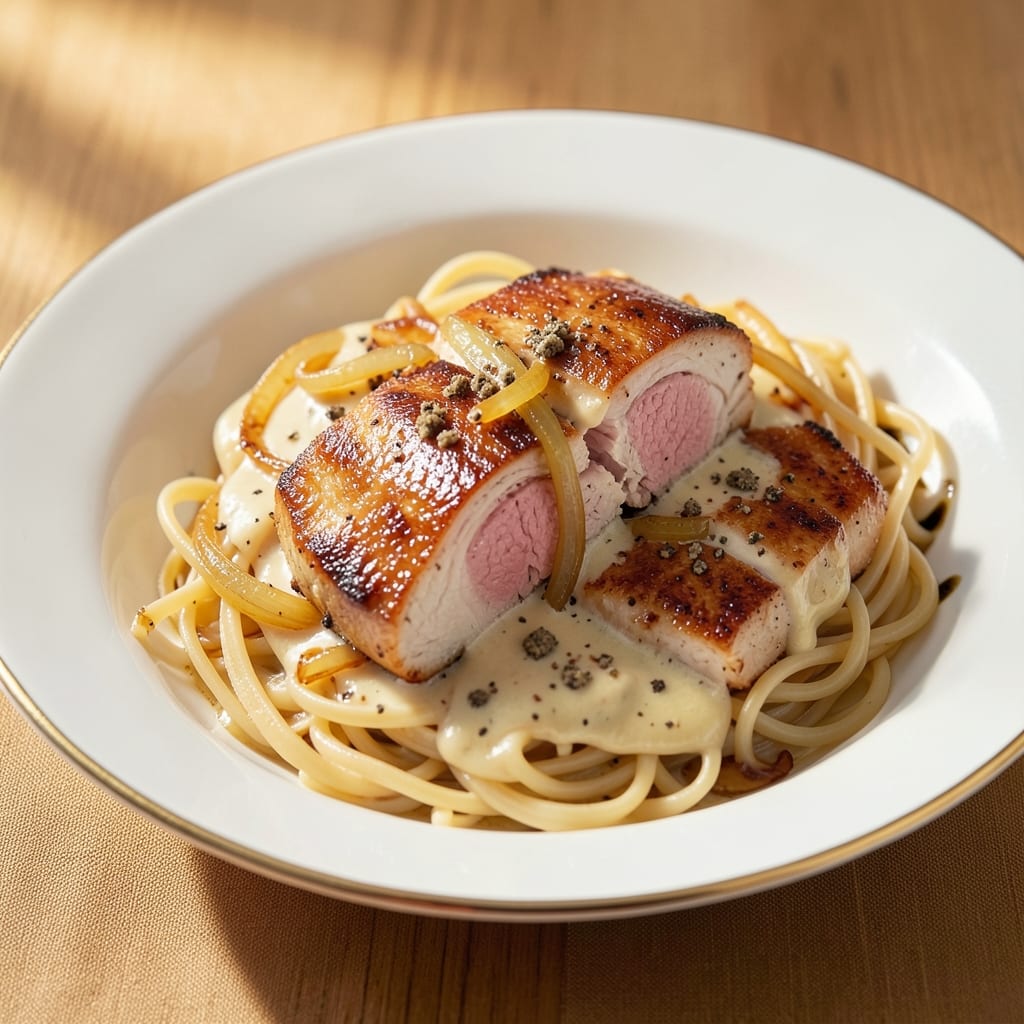
This cream of chicken and egg noodles recipe delivers the ultimate in comforting, restaurant-quality soup that transforms simple ingredients into something deeply satisfying. The velvety broth, rich with chicken and herbs, perfectly cradles tender egg noodles, creating a dish that feels like a warm hug on a chilly day. I perfected this recipe during a particularly cold winter in Charleston, where hearty soups became our go-to for quick, nourishing meals.
The secret lies in creating a smooth, well-seasoned broth that thickens just enough to coat the noodles without becoming gluey. We'll start with a simple sauté of onions and garlic, then build flavor with chicken stock and a touch of cream—just enough to add richness without overpowering the chicken's natural taste. The egg noodles absorb the broth beautifully, turning this into a meal that's both comforting and elegant.
What you'll end up with is a bowl of soup that's creamy, flavorful, and perfectly balanced—each spoonful delivers tender chicken, silky broth, and al dente noodles. This is the kind of dish that disappears quickly, leaving everyone asking for seconds. The best part? It comes together in under an hour, making it ideal for busy weeknights when you still want to feel like you've created something special.
Serve it with a sprinkle of fresh parsley and a side of crusty bread to soak up every last drop of that velvety broth. The technique is straightforward, but the result is undeniably comforting—exactly what you need when you're craving a bowl of warmth. Let's get started on this classic that never fails to impress.
Ingredients for cream of chicken egg noodles
Simple ingredients that transform into velvety comfort—just like Charleston winters deserve.
| Ingredient | Amount | Notes |
|---|---|---|
| Boneless Chicken Breast 🍗 | 1 ½ lb | Cut into bite-sized pieces |
| Egg Noodles 🍜 | 8 oz | Uncooked, medium width |
| Yellow Onion 🧅 | 1 whole | Diced, about 1 cup |
| Garlic Cloves 🧄 | 3 cloves | Minced, for depth of flavor |
| Chicken Broth 💧 | 4 cups | Low-sodium preferred |
| Heavy Cream 🥛 | ½ cup | Full-fat for richness |
| Unsalted Butter 🧈 | 2 tbsp | For sautéing base |
| All-Purpose Flour 🌾 | 2 tbsp | For thickening broth |
| Fresh Parsley 🌿 | ¼ cup | Chopped, for garnish |
| Salt 🧂 | 1 ½ tsp | Adjust to taste |
| Black Pepper 🌶️ | ½ tsp | Freshly ground |
| Dried Thyme 🌿 | ½ tsp | Or 1 tsp fresh thyme |
| Crusty Bread 🍞 | 4 slices | For serving (optional) |
The chicken breast is your flavor anchor here. Look for plump, boneless pieces—the grocery store pre-cut ones work fine, but if you're feeling fancy, grab a whole breast and cut it yourself. Kroger or Harris Teeter usually have great deals on chicken, and I always grab extra to use in salads later. For the broth, Swanson or Pacific Foods low-sodium options are my go-tos—they won't overpower your dish. The egg noodles? Barilla or De Cecco are my favorites—they hold up perfectly in the broth without getting mushy. If you're in a pinch, any medium-width egg noodles will do, but don't grab those pre-cooked ones from the fridge section—they're a game-changer for texture.
No heavy cream? Half-and-half or coconut cream works in a pinch, though the flavor will be slightly different. Fresh thyme is ideal, but dried works at half the amount—just make sure it's not ancient dust in your spice rack. The butter matters for that rich base—Land O'Lakes or Kerrygold are my picks, but any good-quality unsalted will do. For the flour, if you're gluten-sensitive, gluten-free all-purpose blend thickens just as well. The parsley? Fresh is best, but if you're out, dried parsley at one-third the amount will give you that pop of color. And trust me, the crusty bread? Any good sourdough or baguette will soak up every last drop of that creamy goodness.
This soup tastes even better the next day—honestly, the flavors meld beautifully overnight. Store leftovers in an airtight container for 4-5 days in the fridge, or freeze for 3 months. I always make a double batch because it disappears so fast. The noodles reheat perfectly—just add a splash of broth or water to loosen them up. For serving, I like to keep the parsley and bread on the side so everyone can customize their bowl. And if you've got extra broth, freeze it in ice cube trays for future soups—waste not, want not!
Why You'll Love This Recipe
- Here’s what sold me: chicken breast is affordable, egg noodles are cheap, and a single pot of broth stretches for two meals. I’ll often double the batch and freeze half because it’s cheaper than takeout, way better for you, and still feels like a treat. Not the prettiest, but the taste makes up for it every time.
- One-Pot Magic: I swear by this recipe because it’s actually one-pot—no fussing with multiple pans or sauces gone wrong. Just sear the chicken, toss in the onions and garlic, pour in the broth and noodles, and let it simmer. The broth thickens right into that velvety sauce without extra stirring or stress.
- Garlic-Loaded Comfort: Between us, this dish is secretly a garlic lover’s dream. I don’t skimp on the cloves—three or four, minced and bloomed in the chicken fat—because that’s what turns this from "dinner" to "I’ll have seconds." The onion softens into sweetness, but the garlic? It lingers in every bite like a warm hug.
- Lunchbox Hero: Honestly, this is my go-to for meal prep because it reheats like a champ. Pack the leftovers in containers, and they’re still creamy and satisfying the next day—no soggy noodles here. My kids (and my picky husband) actually ask for it, which is basically a parenting win.
Step-by-step instructions for cream of chicken and egg noodles
Here's how to make this comforting classic with tender chicken and velvety broth.
Sear the Chicken Thoroughly
Heat a large skillet over medium-high heat and melt 2 tablespoons unsalted butter until foaming. Add the 1.5 lb boneless chicken breast, cut into bite-sized pieces, in a single layer. Let them sear undisturbed for 3-4 minutes until golden brown on one side.
Flip the chicken pieces and continue cooking for another 3-4 minutes until they're cooked through and no longer pink in the center. You'll know they're ready when they release easily from the pan. Transfer the chicken to a plate and set aside, leaving the browned bits in the skillet—these are packed with flavor.
Build the Flavorful Base
In the same skillet, add the diced yellow onion and cook for 5 minutes until softened and translucent. Stir in the 3 cloves minced garlic and 0.5 teaspoon dried thyme, cooking for another 30 seconds until fragrant. The garlic should smell pungent but not burnt.
Sprinkle 2 tablespoons all-purpose flour over the onions and garlic, stirring constantly for 1 minute to cook off the raw flour taste. Gradually pour in 4 cups chicken broth, whisking continuously to create a smooth sauce. Bring to a gentle simmer and let it cook for 5 minutes to thicken slightly.
Create the Creamy Sauce
Return the seared chicken pieces to the skillet and stir to coat them in the sauce. Add the 0.5 cup heavy cream, 1.5 teaspoons salt, and 0.5 teaspoon black pepper, stirring gently to combine. Let the mixture simmer for 5-7 minutes until the sauce has thickened to a creamy consistency that lightly coats the back of a spoon.
Taste and adjust seasoning if needed—this is where you can really make the dish your own. The sauce should be rich but not overly heavy, with a perfect balance of chicken flavor and creamy texture. Remove from heat and stir in the 0.25 cup chopped fresh parsley just before serving.
Cook the Perfect Noodles
While the sauce simmers, bring a large pot of salted water to a rolling boil. Add the 8 oz egg noodles and cook according to package instructions until al dente—about 8-10 minutes. The noodles should be tender but still have a slight bite. Reserve 1 cup of pasta water before draining.
Drain the noodles and immediately return them to the pot. Add 2 tablespoons of the creamy chicken sauce and toss vigorously to coat the noodles. This step prevents them from sticking together and adds extra flavor. If the noodles seem dry, add a splash of the reserved pasta water to create a silky texture.
Combine and Serve
Transfer the creamy chicken sauce to a large serving bowl and gently fold in the coated noodles. Stir just until everything is evenly combined—you want the noodles to be coated in sauce but still visible. The dish should look rich and inviting, with tender chicken pieces peeking through the creamy sauce.
Ladle the creamy chicken and egg noodles into bowls and serve immediately with the 4 slices crusty bread on the side. The contrast of the crispy bread with the velvety noodles makes this dish truly comforting. Garnish each serving with an extra sprinkle of parsley for freshness and color.
Pro Tips For Making Cream Of Chicken Egg Noodles
- Sear Chicken First: After shredding your chicken, hit the skillet with a splash of oil and sear the pieces for 2-3 minutes per side until golden. I used to skip this and ended up with bland, gray shreds—now the broth actually tastes like chicken, not just broth.
- Sweat Onions Low: Don’t rush the onions—cook them over medium-low heat for 8-10 minutes until they’re soft and translucent, not browned. I learned this the hard way when my first batch tasted bitter from overcooking. (Yes, even if you’re impatient like me.)
- Deglaze Aggressively: After browning the chicken, immediately pour in a splash of chicken broth and scrape the fond off the pan with a wooden spoon. That bit of caramelized flavor is what turns a basic soup into something rich and layered—skip it, and you’re missing the soul of the dish.
- Reserve Broth Early: Strain your chicken broth after cooking the chicken, but save ½ cup of the unstrained liquid before filtering. The bits of fat and protein in that raw broth will make your finished soup creamier without needing extra heavy cream. (I know, it sounds weird, but it works.)
Essential equipment for great cream of chicken egg noodles
Skillet Essentials
Your 10-inch cast iron skillet is non-negotiable for this recipe—it retains heat beautifully and creates that perfect sear on the chicken. I swear by my Lodge Pre-Seasoned Cast Iron skillet, but any well-seasoned cast iron will work. If you don't have one, a heavy-bottomed stainless steel skillet like All-Clad Stainless is a great alternative. The key is to use a pan that can handle medium-high heat without warping, so avoid thin, flimsy pans that might overheat. 🔥
Noodle Cooking Tools
For the egg noodles, you'll need a large pot with a tight-fitting lid—something that holds at least 8 quarts of water. I use a Calphalon Nonstick Stockpot because it heats evenly and prevents the noodles from sticking. If you're cooking for a crowd, consider a 6-quart pasta pot like the Cuisinart MultiCooker, which boils water faster than standard pots. Always reserve some pasta water—it's liquid gold for adjusting sauce consistency! ⚡
Sauce Thickening Gear
A whisk is your best friend for creating that silky sauce. I prefer a balloon whisk like the OXO Good Grips because it handles both delicate sauces and vigorous whisking. For measuring the 2 tablespoons flour and 2 tablespoons butter, a stainless steel measuring spoon set ensures accuracy. Pro tip: Use a fine-mesh strainer if you want to remove any stray onion bits from your broth before thickening—it makes a noticeable difference in texture. 💫
Optional Upgrades
Want to take this to the next level? A thermometer like the Thermoworks Thermapen helps monitor the broth temperature—ideal simmer range is 190-200°F. For extra flavor, a mortar and pestle lets you crush whole thyme sprigs instead of using dried. And if you're serving a crowd, a large serving spoon with a deep well helps scoop up those creamy noodles without spilling. Trust me, these small upgrades make a big difference in presentation and flavor. 💡
Nutrition facts
Frequently asked questions
Can I use chicken thighs instead of breast for more flavor?
Chicken thighs add incredible richness and stay juicier than breast meat. Use 1.5 lb boneless thighs, cut into bite-sized pieces, and increase cooking time to 5-6 minutes per side until golden and cooked through (165°F internal temp). The skin-on version adds extra flavor—just remove it before adding to the skillet.
How do I make this dish gluten-free?
Swap the all-purpose flour for a gluten-free 1:1 blend (like Bob's Red Mill) when thickening the broth. Use gluten-free egg noodles—check labels for certified GF options. The rest of the recipe stays the same, but taste as you go since GF flours can vary in thickening power.
Can I make this ahead of time?
This soup actually tastes better the next day! Store leftovers in an airtight container for 4-5 days in the fridge. Reheat gently on the stove with a splash of broth or water to restore creaminess. For freezing, cool completely first, then freeze for up to 3 months. Thaw overnight in the fridge before reheating.
What if my sauce gets too thick?
Don't panic—just whisk in 1-2 tablespoons warm broth or pasta water to loosen it. The reserved pasta water works best because it contains starch that helps bind the sauce perfectly. Stir gently until you reach your desired consistency—it should coat the back of a spoon but still flow smoothly.
Can I add vegetables to this recipe?
Yes! Sauté 1 cup diced carrots or ½ cup frozen peas with the onions for extra color and nutrients. For heartier versions, add 1 cup chopped celery or ½ cup sliced mushrooms. Just cook them until tender before adding the broth to prevent mushiness.