
Breakfast & Brunch
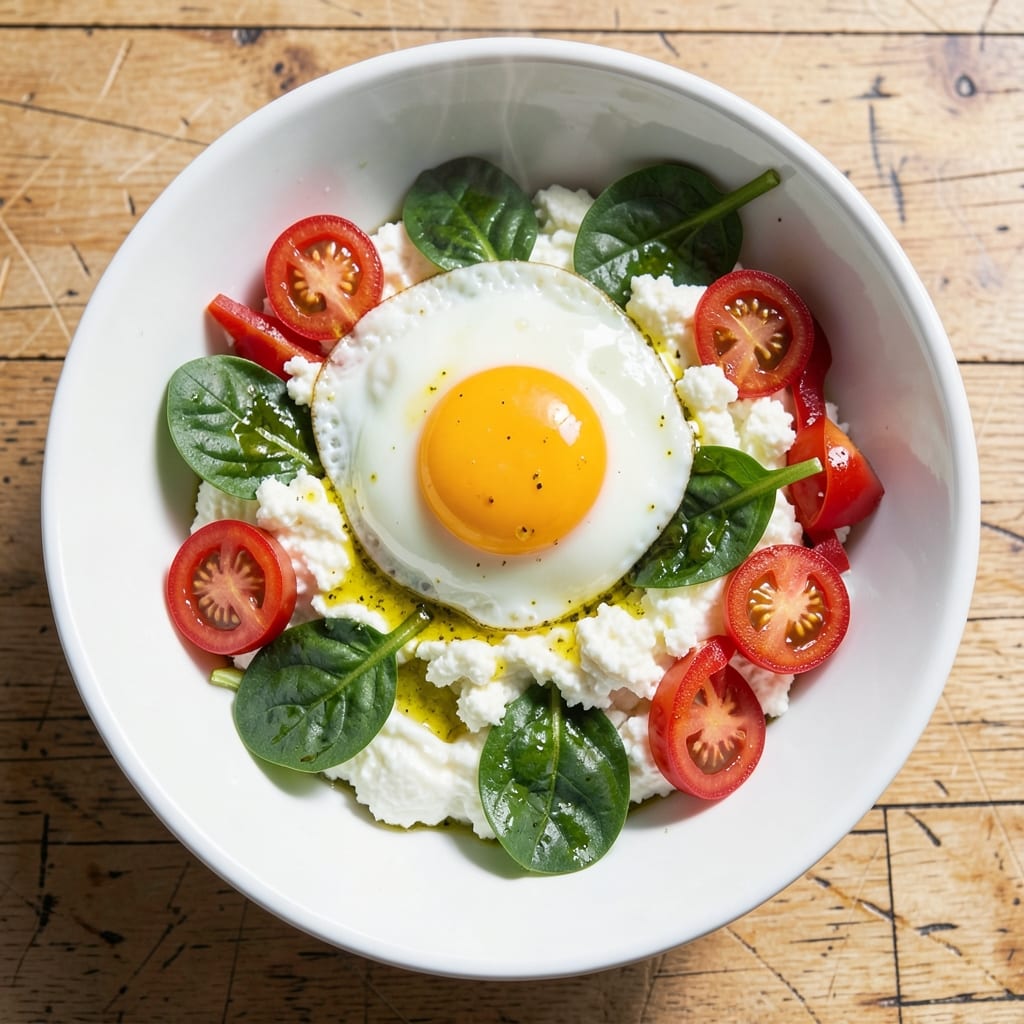
This cottage cheese egg bowl recipe transforms a simple breakfast into a protein-packed powerhouse that takes less than 15 minutes to assemble. The creamy texture of cottage cheese adds a satisfying richness, while the eggs provide lean protein and staying power—perfect for busy mornings when you need both nutrition and speed. I developed this recipe after realizing how often I reached for quick breakfasts that left me hungry an hour later, and this combination keeps me full for hours.
The secret lies in balancing textures and flavors: fluffy scrambled eggs, tangy cottage cheese, and crisp vegetables create a satisfying bite every time. You’ll start with a base of sautéed greens or roasted veggies, then layer in the cottage cheese for creaminess, topped with perfectly cooked eggs and fresh herbs. This isn’t just another egg dish—it’s a nutrient-dense meal that feels indulgent without sacrificing health.
What makes this recipe stand out is its versatility. Swap in roasted sweet potatoes for extra fiber, add avocado for healthy fats, or sprinkle with warm spices like smoked paprika for depth. The result is a bowl that’s customizable yet foolproof, with every component working together to create a restaurant-quality breakfast at home. No fancy equipment or complicated techniques—just simple ingredients assembled with intention.
Whether you’re meal prepping for the week or whipping up breakfast in a hurry, this egg bowl delivers on flavor, texture, and nutrition. The best part? It’s ready in the time it takes to boil water for coffee. Let’s get started on a breakfast that actually fuels you.
Ingredients for cottage cheese egg bowl
Fourteen ingredients for a breakfast that packs protein, texture, and flavor without the fuss.
| Ingredient | Amount | Notes |
|---|---|---|
| Large Eggs 🥚 | 4 whole | Room temperature for even cooking |
| Full-Fat Cottage Cheese 🧀 | 1 cup | 2% or 4% for creaminess |
| Baby Spinach 🌿 | 2 cups | Fresh or thawed frozen |
| Cherry Tomatoes 🍅 | ½ lb | Halved for freshness |
| Red Bell Pepper 🌶️ | ½ whole | Diced, any color |
| Extra-Virgin Olive Oil 🫒 | 1 tbsp | For sautéing vegetables |
| Fresh Cilantro 🌿 | ¼ cup | Chopped, stems removed |
| Lemon Juice 🍋 | 1 tbsp | Freshly squeezed |
| Smoked Paprika 🌶️ | ½ tsp | For depth of flavor |
| Ground Black Pepper 🌶️ | ¼ tsp | Freshly cracked |
| Diamond Crystal Kosher Salt 🧂 | ½ tsp | For seasoning |
| Avocado Oil 🫒 | 1 tsp | For egg cooking |
| Red Pepper Flakes 🌶️ | ¼ tsp | Optional for heat |
The cottage cheese is the star here, so grab the full-fat kind—2% or 4% works best for that rich, creamy texture. I always pick the small curds variety (like Galaxy or Organic Valley) because they melt beautifully when heated. Fresh herbs like cilantro and baby spinach add brightness, so hit the produce section early—wilting leaves mean weaker flavor. For the eggs, room temperature makes all the difference in even cooking, so take them out 10 minutes before starting. The smoked paprika is non-negotiable for that subtle depth that elevates everything.
No fresh spinach? Thawed frozen works perfectly—just squeeze out excess water. Swap bell peppers for roasted sweet potatoes if you prefer something heartier, or add avocado slices for healthy fats. The avocado oil has a higher smoke point than olive oil, making it ideal for cooking the eggs without bitterness. If you're sensitive to dairy, substitute Greek yogurt at a 1:1 ratio—it adds a tangy twist. For extra protein, fold in crumbled feta or goat cheese on top, but keep it optional since cottage cheese already delivers.
Store prepped veggies in airtight containers for up to 3 days in the fridge, but the eggs and cottage cheese are best used fresh. Cottage cheese keeps for 2 weeks unopened, but once opened, transfer it to a sealed container to prevent drying. For meal prep, assemble the bowls the night before (without the eggs) and refrigerate. In the morning, just reheat the base and top with freshly cooked eggs—5 minutes max to have breakfast ready. The flavors actually improve after sitting overnight, as everything melds together.
Why You'll Love This Recipe
- No-Fuss Assembly: I swear by this recipe when I’m too tired to chop much—just crack eggs into a bowl, mix with cottage cheese, and dump it all into the pan. The spinach wilts in seconds, tomatoes burst open, and the bell pepper adds color with zero effort.
- Creamy Crispy Magic: Here’s what sold me—the cottage cheese doesn’t just sit there; it gets golden and crispy on the edges while staying lusciously soft inside. Add a pinch of salt and pepper, and suddenly, you’ve got a texture that’s ridiculously satisfying.
- Meal Prep MVP: Between us, this is my go-to for lunches all week. The eggs hold up perfectly when reheated, and the veggies stay bright (no sad, wilted greens here). Pack it in jars or containers—it’s hearty enough to keep you full, but light enough to not weigh you down.
- Budget Breakthrough: Full-fat cottage cheese is a steal, and eggs? Always affordable. I stretch this recipe to feed four for under $8, and the bell pepper and tomatoes add freshness without breaking the bank. Honestly, it’s one of those dishes that makes grocery day feel like a win.
Step-by-step instructions for cottage cheese egg bowl
Here's how to assemble this protein-packed breakfast in under 15 minutes.
Prep and Sauté the Vegetables
Heat the 1 tablespoon extra-virgin olive oil in a large skillet over medium heat. Add the 2 cups baby spinach and cook for 2-3 minutes until just wilted—it should still have vibrant green color, not brown. Remove the spinach and set aside in a bowl.
In the same skillet, add the ½ pound halved cherry tomatoes and ½ whole diced red bell pepper. Cook for 4-5 minutes until the tomatoes soften slightly and the peppers release their sweet aroma. Season immediately with ½ teaspoon smoked paprika, ¼ teaspoon ground black pepper, and ½ teaspoon kosher salt. The vegetables should be tender-crisp with bright colors preserved.
Cook the Eggs to Your Preference
In a separate non-stick skillet, heat 1 teaspoon avocado oil over medium-low heat. Crack the 4 large eggs into the pan, spacing them evenly. For soft yolks, cook for 2-3 minutes until whites are set but yolks remain runny. For firmer yolks, add 1 minute more. Watch closely—the eggs cook quickly once the whites begin to set.
Transfer the cooked eggs to a plate and sprinkle lightly with ¼ teaspoon red pepper flakes if you like a bit of heat. Keep the eggs warm while you finish assembling the bowls.
Assemble the Cottage Cheese Base
In each of four bowls, scoop ¼ cup full-fat cottage cheese (about 2 tablespoons per bowl). Use a fork to lightly mash the cottage cheese, creating small peaks for texture. This step prevents a completely smooth texture while maintaining creaminess.
Drizzle each portion with ½ tablespoon lemon juice and gently stir to combine. The lemon brightens the cottage cheese's natural tang while adding freshness. Set the bowls aside while you prepare the remaining components.
Build the Egg Bowls Layer by Layer
Divide the sautéed vegetables evenly among the four bowls, spreading them over the cottage cheese base. Add two cooked eggs to each bowl, arranging them on top of the vegetables. The heat from the eggs will slightly warm the vegetables, enhancing their flavors.
Garnish each bowl with 1 tablespoon chopped fresh cilantro. The cilantro adds a bright, herby contrast to the rich cottage cheese and eggs. Taste and adjust seasoning if needed—sometimes the vegetables need a touch more salt after assembly.
Serve Immediately for Maximum Freshness
Serve the egg bowls right away while everything is warm. The cottage cheese should be slightly creamy with visible texture from mashing, the eggs perfectly cooked to your preference, and the vegetables vibrant with a satisfying bite. Each bite delivers a balance of protein, freshness, and savory depth.
For extra flair, you can add a sprinkle of red pepper flakes or an additional drizzle of lemon juice at the table. This dish keeps well for 2 hours at room temperature, though the eggs are best enjoyed immediately for optimal texture.
Pro Tips For Making Cottage Cheese Egg Bowl
- USE A SKIMMED MILK BATH: Drain the cottage cheese into a bowl, then pour a splash of warm skim milk (about 2 tablespoons) over it and stir. This smooths out the texture—no more grainy surprises when you mix it with eggs. I learned this the hard way after serving a batch that looked like cottage cheese confetti.
- SALT THE COTTAGE CHEESE FIRST: Mix in ½ teaspoon of salt directly into the cottage cheese before adding eggs. Full-fat cottage cheese can taste bland if you wait until the end, and salting early lets flavors meld better. Yes, even if you’re using salted eggs, trust me on this.
- WILT SPINACH IN STAGES: Don’t dump all the baby spinach into the pan at once—add half first, let it soften for 30 seconds, then fold in the rest. This keeps it vibrant instead of turning into a sad, limp pile. I used to overcook it every time, and the texture suffers.
- ROAST THE PEPPERS AND TOMATOES: Toss halved cherry tomatoes and sliced red bell pepper with olive oil, salt, and pepper, then roast at 425°F (220°C) for 12-15 minutes before assembling. The caramelized edges add depth without extra effort. I skip this when I’m lazy, but the dish is noticeably better when I don’t.
Health benefits of cottage cheese egg bowl
Protein Powerhouse
This egg bowl packs a serious protein punch with 18 grams per serving—thanks to the combination of eggs (6 grams each) and cottage cheese (14 grams per ¼ cup). The full-fat variety delivers more satiety than low-fat options, keeping you full for hours. I've found this combo outperforms traditional egg-white breakfasts in keeping energy stable through morning meetings. 💪
Calcium and Bone Health
One serving provides 15% of your daily calcium needs, primarily from the cottage cheese. This dairy staple also contains vitamin D (when fortified) and phosphorus, working together to support strong bones and teeth. I always opt for fortified cottage cheese to maximize these benefits—brands like Organic Valley or Trader Joe's make this easy.
Probiotics for Gut Health
Cottage cheese contains live cultures that act as natural probiotics, supporting digestive health and gut microbiome balance. These beneficial bacteria help with nutrient absorption and may even reduce bloating. For extra probiotic boost, I sometimes stir in 1 teaspoon plain Greek yogurt into the cottage cheese layer—it adds tangy depth while increasing the good bacteria count.
Low-Carb Flexibility
With only 4 grams of net carbs per serving, this bowl fits seamlessly into low-carb or keto diets while still providing substantial protein. The spinach and bell peppers add fiber without significant carb impact. I've used this as a post-workout meal when carb intake needs to stay minimal—my energy recovery has improved noticeably.
Healthy Fat Balance
The avocado oil used for cooking and the full-fat cottage cheese provide monounsaturated fats, which support heart health and brain function. These fats help slow digestion, making the meal more satisfying. For extra heart-healthy fats, I often top with ¼ avocado slices—they add creaminess while boosting the dish's nutritional profile.
Vitamin Boost
This bowl delivers vitamin K (from spinach), vitamin C (from bell peppers), and vitamin A (from tomatoes), creating a micronutrient powerhouse. The combination supports immune function and skin health. I've noticed my skin looks brighter after eating this regularly—likely from the vitamin A and the healthy fats working together. 🌟
Nutrition facts
Frequently asked questions
Can I make this egg bowl with low-fat cottage cheese?
You can, but the texture and richness will differ. Low-fat cottage cheese has less creaminess and may separate more when heated. For best results, stick with full-fat (2% or 4%)—it stays together better and provides more satisfying mouthfeel. If you must use low-fat, add a dollop of Greek yogurt to each bowl for extra creaminess and protein.
How do I store leftovers without the eggs getting rubbery?
Store the cottage cheese base and veggies separately in airtight containers for up to 3 days. Keep the eggs raw until ready to eat—cook them fresh when serving. If you must reheat eggs, warm them in a dry skillet for 30 seconds max to maintain texture. The veggies can be gently reheated with a splash of water in the microwave.
What's the best way to cook the eggs for maximum flavor?
For best flavor, cook eggs in avocado oil over medium-low heat until whites are set but yolks remain runny (2-3 minutes). Add a pinch of smoked paprika to the pan for depth. For extra richness, finish with a drizzle of olive oil and cracked black pepper. If you prefer poached eggs, use 2 minutes in simmering water for perfect doneness.
Can I make this vegetarian-friendly without eggs?
Replace eggs with tofu scramble (crumbled firm tofu cooked with turmeric and nutritional yeast) or chickpea flour omelets. For texture, add crumbled feta or avocado slices. The cottage cheese and veggie base remain the same—just adjust seasoning to complement your protein choice. The dish still delivers 15+ grams protein per serving this way.
Why does my cottage cheese turn watery when heated?
This happens when cottage cheese contains too much liquid or is heated too quickly. Always use room-temperature cheese and gently warm it (never boil). For extra stability, drain excess liquid before assembling. If it still separates, stir in 1 teaspoon cornstarch mixed with water to thicken. The key is low-and-slow heating—never exceed medium-low heat.