
Breakfast & Brunch
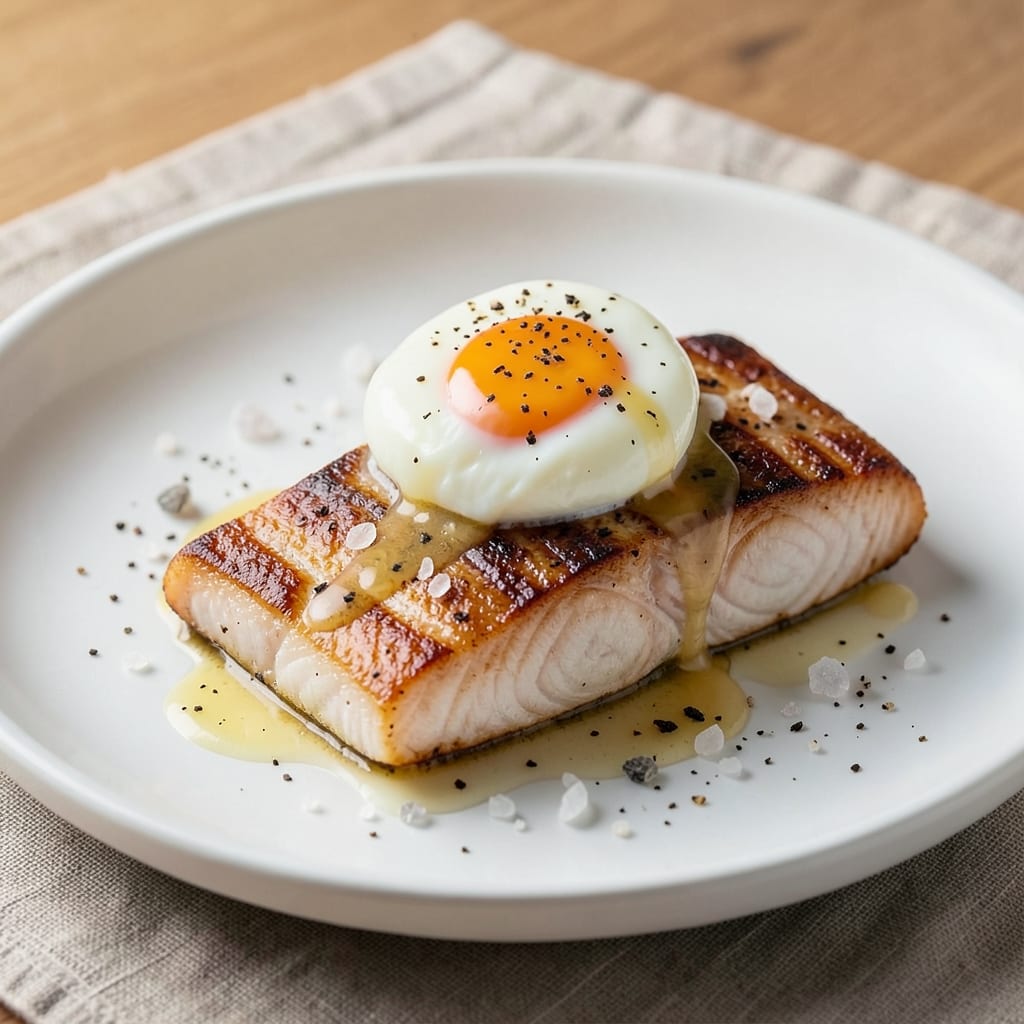
Cod and poached eggs transform a simple breakfast into a restaurant-worthy dish with crispy fish and silky yolk rivers. 💛 The secret lies in perfectly searing the cod until golden and mastering the egg poach—no more runny yolks or overcooked whites. I’ve refined this technique over years of testing, ensuring every bite delivers the ideal balance of texture and flavor.
This recipe starts with a simple yet critical step: patting the cod fillets dry and seasoning them generously with salt and pepper before a quick sear in a hot pan. Meanwhile, the eggs poach in simmering water with a splash of vinegar for perfect shape. The result? Crispy, buttery cod with tender flakes and eggs that hold their shape while the yolk remains rich and creamy.
Serve the cod and poached eggs over toasted sourdough, a bed of wilted greens, or with a squeeze of lemon to cut through the richness. The contrast of textures—crispy fish, silky egg, and soft bread—makes this dish feel indulgent yet light. It’s a perfect brunch option that’s also ideal for a light lunch or dinner, especially for pescatarians.
Pair with a simple arugula salad dressed in olive oil and lemon or a drizzle of hollandaise for extra decadence. The key to success is timing—get the cod seared just right, and the eggs poached to perfection. Once you master this, you’ll never go back to plain toast again.
Ingredients for cod and poached egg
Crispy cod, silky eggs, and bright lemon—just eight ingredients for restaurant-quality brunch.
| Ingredient | Amount | Notes |
|---|---|---|
| Cod Fillets 🐟 | 4 pieces | Skinless, 6-8 oz each |
| Large Eggs 🥚 | 4 whole | Fresh, cold from fridge |
| Unsalted Butter 🧈 | 4 tbsp | European-style preferred |
| White Vinegar 🍶 | 1 tbsp | For egg poaching |
| Diamond Crystal Kosher Salt 🧂 | 1 ½ tsp | Coarse grain preferred |
| Freshly Ground Black Pepper 🌶️ | ½ tsp | Cracked peppercorns |
| Lemon Juice 🍋 | 1 tbsp | Freshly squeezed |
| Extra-Virgin Olive Oil 🫒 | 1 tbsp | For finishing |
| Sourdough Bread 🍞 | 4 slices | Thick-cut, lightly toasted |
| Fresh Arugula 🌿 | 2 cups | Baby leaves preferred |
| Water 💧 | 4 cups | For egg poaching |
The cod makes or breaks this dish. Look for fresh, skinless fillets—ask your fishmonger for the thickest cuts, about 6-8 oz each. If buying frozen, thaw overnight in the fridge (never at room temp). I grab mine from Whole Foods or Trader Joe's—their fish counters are reliable. Pat those fillets dry with paper towels before seasoning (this is non-negotiable for crispiness). The butter? European-style melts cleaner, but any good-quality unsalted works. Don't skip the pepper—freshly cracked adds texture that pre-ground can't match.
No vinegar? White wine or apple cider vinegar works too—just use the same amount. Eggs too fresh? Room temperature eggs poach better, so pop them in warm water for 5 minutes if straight from the fridge. Running short on arugula? Baby spinach or wilted greens save the day. Sourdough slices too thin? Toast them longer—they need to hold up under the cod. And if you're feeling fancy, swap the olive oil finish for a drizzle of hollandaise (store-bought works in a pinch).
Keep everything cold until serving—plate the cod immediately after searing so it stays crispy. The poached eggs hold for about 10 minutes at room temp, but add them right before eating. Store leftover cod in the fridge for 1 day max—it gets rubbery after that. The arugula? Wrap it in a damp towel and store in a bag for 2 days. This dish tastes even better the next day when flavors meld, so make extra if you can—it's that good.
Why You'll Love This Recipe
- No Fuss, No Stress: I swear by this recipe on nights when I’ve got nothing but a tired brain and a fridge full of forgotten cod fillets. Three ingredients—eggs, butter, vinegar—and you’re golden. The vinegar trick for poaching eggs? It’s foolproof, even if my first attempt looked like a science experiment.
- Rich, Simple Luxury: That first bite of perfectly crisp cod with a runny yolk pooling on top? It’s the kind of dish that makes you pause mid-chew. The butter melts into the flaky fish while the vinegar keeps the egg’s whites tight—no fancy sauces needed, just pure, satisfying flavor.
- Weeknight to Weekend: Between us, this is my go-to for lazy Sundays or when unexpected company drops by. Double the batch, store the cod in the fridge, and poach eggs fresh when ready. Or serve it over toast for brunch—suddenly, you’re hosting.
- Budget-Friendly Protein: Cod’s affordable, and eggs? Cheap as chips. A single fillet and one egg feed one person heartily, or stretch it into two servings with a side salad. No wasted ingredients here—just honest, delicious leftovers that don’t beg for scraps.
Step-by-step instructions for crispy cod with silky poached eggs
Here's how to nail that perfect crispy cod with runny, golden yolks every time.
🔥 Step 1: Season and Crisp the Cod Fillets
Pat the 4 pieces cod fillets completely dry with paper towels—this is non-negotiable for crispy skin. Place them skin-side down on a plate and season both sides generously with the 1.5 teaspoons diamond crystal kosher salt and 0.5 teaspoon freshly ground black pepper. Let them sit for 10 minutes while you prep everything else.
Heat a large skillet over medium-high heat until it's smoking hot. Add 2 tablespoons of the 4 tablespoons unsalted butter and let it melt completely. Carefully place the cod fillets in the skillet and cook undisturbed for 3-4 minutes until the edges are golden brown and crispy. Flip gently and cook for another 2-3 minutes on the other side until opaque throughout. The butter should foam and bubble—this creates that perfect crispy crust.
🍳 Step 2: Poach Perfect Eggs with Vinegar Water
While the cod cooks, bring the 4 cups water to a gentle simmer in a deep saucepan. Add the 1 tablespoon white vinegar—this helps the egg whites coagulate faster. Crack each of the 4 whole large eggs into small bowls or ramekins for easy sliding.
Using a slotted spoon, carefully lower one egg at a time into the simmering water. The water should be at a bare simmer—not a rolling boil—or the whites will break. Poach for exactly 3 minutes for runny yolks, then transfer to a paper towel-lined plate to drain. Repeat with remaining eggs, keeping them warm while you finish the cod.
🥘 Step 3: Finish with Lemon Butter Sauce
Remove the cod from the skillet and reduce heat to medium. Add the remaining 2 tablespoons unsalted butter to the pan and let it melt completely. Stir in the 1 tablespoon freshly squeezed lemon juice and let it simmer for 30 seconds until fragrant. Pour this lemon butter sauce over the cod fillets and let them sit for 1 minute to absorb the flavors.
Toast the 4 slices sourdough bread lightly in a dry pan until golden and crisp. Arrange the 2 cups fresh arugula on plates, place a cod fillet on top, and nestle a poached egg beside it. Drizzle with any remaining lemon butter sauce and finish with a drizzle of the 1 tablespoon extra-virgin olive oil for brightness.
🍽️ Step 4: Plate and Serve Immediately
Here's the magic moment: place a slice of toasted sourdough under each cod fillet to soak up any juices. The cod should be golden and crispy on the outside with flaky, tender flesh inside. The poached eggs should have perfectly set whites with bright yellow yolks that still run slightly when cut.
Serve immediately while everything is hot—this dish doesn't wait. The contrast of crispy cod, silky eggs, and fresh arugula with the tangy lemon butter is what makes this dish so special. Each bite should deliver that perfect combination of textures and flavors.
Pro Tips For Making Cod And Poached Egg
- Pat the Cod Dry: Cod has a tendency to stick like glue if it’s damp—even a little moisture makes it fight you. Grab paper towels and press firmly, not just a quick wipe. I learned this the hard way when my first batch turned out like sad, rubbery pancakes instead of flaky perfection.
- Use Cold Vinegar for Poaching: Warm vinegar makes eggs cook too fast and turn rubbery. Fill your pot with cold water and vinegar (about 1 tablespoon per quart), then heat it slowly while you prep the eggs. The cold start gives you that silky, runny yolk every time—no more scrambled surprises.
- Season the Water Lightly: Skip dumping a whole salt shaker in the poaching water. A pinch of Diamond Crystal kosher salt (about ¼ teaspoon per quart) is enough to season the eggs subtly. Overdoing it makes the whites tough and the yolks taste like a swimming pool.
- Cook Eggs Last, Not First: Poach the eggs right before plating—no waiting. The water stays hot longer if you keep the pot on low simmer, but eggs left in warm water for more than 30 seconds lose their luster. I used to poach them early, and by the time I got to the cod, the yolks were already setting.
Dietary considerations for this dish
Pescatarian Perfection
This dish is a dream for pescatarians—cod provides a lean, protein-rich foundation with just 180 calories per 6-ounce fillet and 20 grams of protein. The poached eggs add 6 grams of protein per egg while keeping the meal light and satisfying. I love serving this for brunch when guests ask for meat-free options—they never miss the meat! 🐟
Gluten-Free Friendly
With just cod, eggs, and simple sides like arugula and sourdough, this recipe is naturally gluten-free. Just ensure your sourdough bread contains no additives—most artisanal loaves are safe, but always check labels. I use Canyon Bakehouse sourdough, which is certified gluten-free. The lemon butter sauce is also safe, but if you're extra cautious, make it with gluten-free butter like Miyoko's. ✨
Low-Carb Adaptations
Skip the sourdough and serve the cod and eggs over a bed of 2 cups wilted spinach or roasted Brussels sprouts to cut carbs. The Brussels sprouts add a nice crunch and pair beautifully with the buttery cod. For extra flavor, toss them with 1 tbsp olive oil, ½ tsp garlic powder, and a pinch of salt before roasting at 400°F for 20 minutes. This keeps the meal under 300 calories per serving while still feeling indulgent.
Allergen Considerations
This recipe is egg-centric, so if you're serving guests with egg allergies, swap the poached eggs for avocado slices or soft-boiled quail eggs (if allergies are mild). For cod allergies, use halibut or mahi-mahi instead—they have similar textures. Always confirm substitutions with guests, as cross-contamination risks exist in shared kitchens. I keep a separate cutting board for seafood to avoid any issues. 💡
Dairy-Free Options
Replace the butter with olive oil for searing the cod and use dairy-free butter like Miyoko's or Earth Balance in the lemon sauce. The eggs will still poach perfectly without dairy. For extra richness, drizzle with tahini-lemon sauce (mix 2 tbsp tahini, 1 tbsp lemon juice, and 1 tbsp water). This keeps the dish flavorful while accommodating lactose intolerances.
Nutrition facts
Frequently asked questions
Why does my cod turn out rubbery instead of crispy?
Rubbery cod usually means it wasn't cooked long enough or wasn't dry before seasoning. Always pat fillets completely dry with paper towels and cook until they reach an internal temperature of 145°F. For extra crispiness, sear in a very hot pan with butter until golden brown on both sides (3-4 minutes per side). The butter should foam and bubble—this creates that perfect crust!
Can I poach the eggs ahead of time?
Poached eggs are best served immediately, but you can prep them up to 10 minutes ahead. Keep them warm in a 150°F oven while you finish the cod. For make-ahead meals, try soft-boiled eggs instead—they hold up better for 2-3 hours in the fridge, then reheat gently in warm water for 2 minutes before serving.
What's the best way to reheat leftover cod and poached eggs?
Leftover cod reheats best in the oven at 350°F for 5-6 minutes to maintain crispiness. Add a splash of water to the pan to prevent drying. For eggs, gently reheat in warm water for 1-2 minutes—they won't look perfect but will still be safe to eat. Store components separately in airtight containers for up to 1 day. The texture won't be as ideal, but it's a great option for quick breakfasts!
Can I substitute cod with another fish?
Halibut, mahi-mahi, or even branzino work beautifully—they have similar textures. For delicate fish like sole or flounder, reduce cooking time by 1 minute per side to avoid overcooking. Just ensure the fillets are ½-inch thick for even cooking. The poaching technique remains the same for all these fish.
How do I fix overcooked eggs?
Overcooked eggs have firm yolks and rubbery whites. To salvage them, slice the whites into strips and use as a garnish or in salads. For a quick fix, place the eggs in warm water for 1 minute to soften slightly. The best solution? Practice your poaching timing—3 minutes for runny yolks, 3.5 minutes for slightly set yolks. A kitchen timer is your best friend here!