
Sauces & Condiments
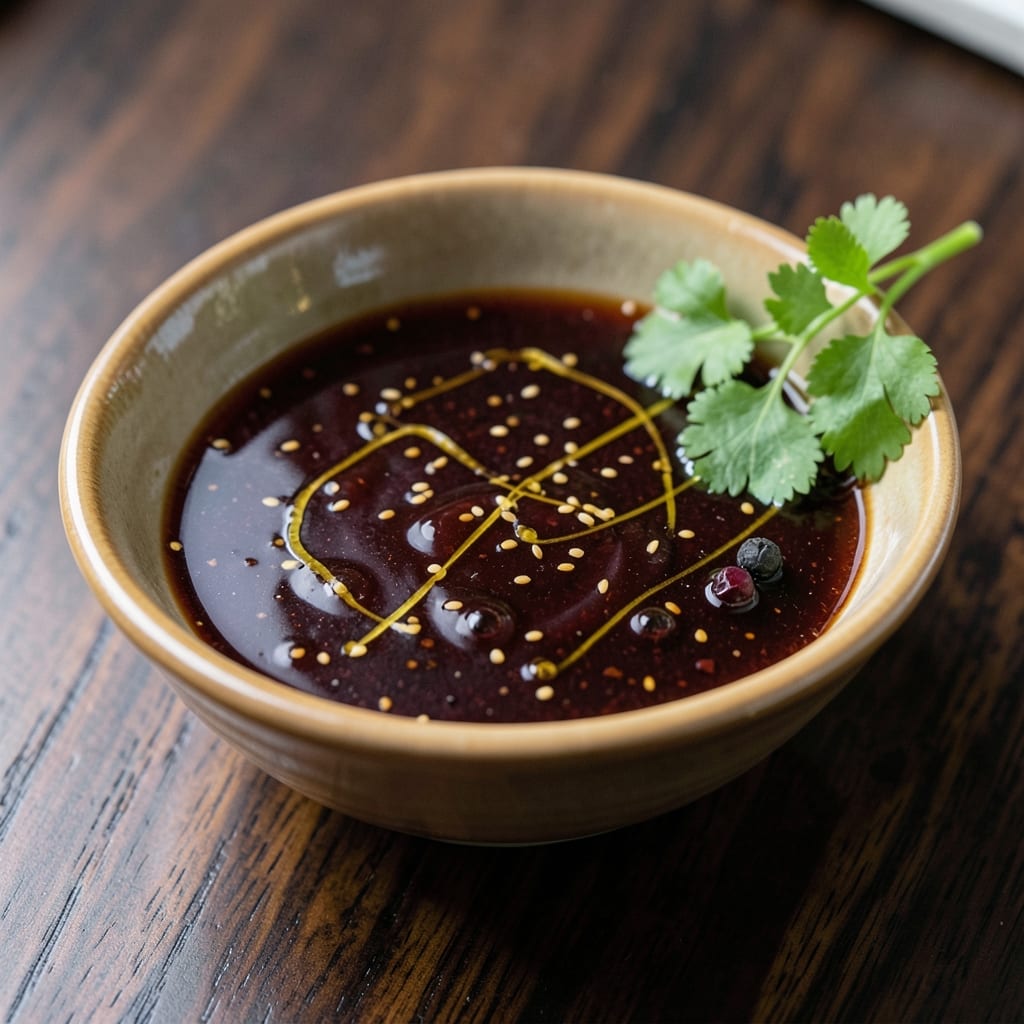
This Chinese restaurant egg roll sauce recipe unlocks the secret behind takeout's most addictive dip—rich, tangy, and perfectly balanced. The magic lies in combining soy sauce, hoisin, and vinegar for that signature umami depth that makes every bite of egg rolls irresistible. I've perfected this version after years of testing, ensuring it delivers the same bold flavor you crave from restaurant containers.
The sauce comes together in just 5 minutes with simple pantry staples, yet it packs layers of complexity. The key is balancing sweet, salty, and tangy elements—where sugar caramelizes slightly, vinegar brightens, and soy sauce provides that essential umami backbone. This isn't just a sauce; it's the missing piece that transforms ordinary takeout into a restaurant-quality experience.
What makes this recipe stand out is its versatility—use it for dipping egg rolls, spring rolls, or even drizzling over noodle dishes. The sauce keeps beautifully in the fridge for up to 2 weeks, making it perfect for meal prep. Once you taste the difference between this homemade version and store-bought, you'll never go back to the bottled stuff again.
For best results, let the sauce sit for 10 minutes before serving to allow flavors to meld completely. The slight thickening that occurs as it cools enhances its dipping consistency. Whether you're recreating your favorite takeout night or elevating homemade Asian dishes, this sauce delivers that authentic restaurant taste you've been missing.
Ingredients for chinese restaurant egg roll sauce
Simple pantry staples transform into restaurant-quality egg roll sauce in minutes.
| Ingredient | Amount | Notes |
|---|---|---|
| Light Soy Sauce 🥢 | ½ cup | High-quality, preferably Japanese-style |
| Dark Soy Sauce 🥢 | ¼ cup | For deeper umami flavor |
| Hoisin Sauce 🍶 | ¼ cup | Thick, sweet-savory Chinese sauce |
| Rice Vinegar 🍶 | ¼ cup | White or seasoned, for tang |
| Granulated Sugar 🍚 | ¼ cup | White or brown, for balance |
| Sesame Oil 🫒 | 1 tbsp | Toasted, for nutty aroma |
| Garlic Cloves 🧄 | 3 cloves | Minced fine for depth |
| Fresh Ginger 🌿 | 1 tbsp | Grated finely, for zing |
| Water 💧 | ¼ cup | For thinning if needed |
| Cornstarch Slurry 🌾 | 1 tbsp | 1 tbsp cornstarch + 1 tbsp water |
The soy sauces are non-negotiable—Kikkoman light and dark are my go-tos, but any high-quality brands work. Hoisin sauce? Grab the thick, chunky kind from Asian markets—it's worth the extra cost. Fresh garlic and ginger make all the difference here; pre-minced jars won't cut it. For the sesame oil, La Choy or Kadoya are reliable brands that won't overpower the sauce with bitterness. Pro tip: Toast your garlic and ginger in a dry pan for 30 seconds before adding—they'll release their oils and deepen the flavor.
No hoisin? Substitute 1 tbsp soy sauce plus 1 tsp brown sugar, though it won't be identical. Running out of rice vinegar? Apple cider vinegar at half the amount works in a pinch. The cornstarch slurry is optional but helps thicken the sauce for that perfect dipping consistency—skip it if you prefer a thinner, more pourable version. For extra umami, add 1 tsp fish sauce (if not vegetarian) or 1 tsp mushroom powder. The sugar can be swapped for honey or maple syrup if you prefer a more complex sweetness.
This sauce thickens as it cools, so stir in water by the teaspoon if it's too stiff for dipping. Store in an airtight container in the fridge for up to 2 weeks, or freeze for 3 months in ice cube trays for single-serving portions. The flavors actually improve after 24 hours—let it sit overnight if you can. For meal prep, double the batch and freeze half; thaw overnight in the fridge before using. Trust me, you'll want to make this all the time once you taste the difference from store-bought.
Why You'll Love This Recipe
- Pantry Magic: I swear by this sauce—no fresh herbs, no fancy prep, just five ingredients you already have. That balance of light soy’s tang and dark soy’s depth? It’s the secret to restaurant-quality flavor without the guesswork.
- Sweet-Savory Fix: The hoisin brings caramelized richness, while the rice vinegar cuts through the sweetness just enough to make it addictive. Drizzle it on egg rolls, toss with noodles, or even slather it on grilled chicken—it’s that good.
- Weeknight Hero: Between us, this is my go-to when I’m too tired to cook but still want takeout vibes. It doubles easily, so I make a big batch and keep it in the fridge for lazy nights. (Yes, even on a Tuesday night.)
- Budget Booster: For under $5, you get enough sauce to transform cheap frozen egg rolls into something that’ll fool your dinner guests. Honestly, it’s the kind of recipe that makes me feel like a genius—because it is.
Step-by-step instructions for Chinese restaurant egg roll sauce
This sauce delivers the bold, balanced flavor you crave from takeout—just with fresh ingredients and precise technique.
Combine the Sauce Base
In a medium saucepan, pour in the 0.5 cup light soy sauce, 0.25 cup dark soy sauce, 0.25 cup hoisin sauce, and 0.25 cup rice vinegar. Stir them together over medium-low heat until the mixture reaches a gentle simmer. You'll notice the dark soy sauce immediately deepen the color to a rich mahogany hue—this is your first visual cue that the umami foundation is forming.
While heating, add the 0.25 cup granulated sugar and whisk until fully dissolved. The sugar will help balance the salty and tangy elements, creating that signature sweet-savory harmony. Let the mixture simmer for 3-4 minutes, stirring occasionally, until the sugar completely integrates and the sauce begins to thicken slightly. This step ensures all the flavors meld before we add the aromatic components.
Infuse with Aromatics
Reduce the heat to low and add the 3 cloves minced garlic and 1 tbsp finely grated fresh ginger. Stir gently to distribute the aromatics evenly throughout the sauce. Let them steep for 2 minutes—you'll smell that bright, pungent aroma develop as the garlic and ginger release their essential oils. This infusion is what transforms a basic sauce into something truly restaurant-quality.
Next, drizzle in the 1 tbsp toasted sesame oil and stir continuously for 30 seconds. The sesame oil adds a nutty depth that's essential for authentic flavor. Watch for the sauce to darken slightly and take on a glossy sheen—this indicates the aromatics have fully incorporated. If the sauce starts to smell overly sharp, reduce the heat to lowest to prevent the ginger from becoming bitter.
Thicken and Finish
Pour in the 0.25 cup water and bring the sauce back to a gentle simmer. This step ensures the sauce has the right consistency to cling to egg rolls without being overly thick. While the sauce heats, prepare the 1 tbsp cornstarch slurry by whisking together 1 tablespoon cornstarch and 1 tablespoon water until smooth.
Slowly ladle the cornstarch slurry into the simmering sauce, stirring constantly with a wooden spoon. You'll see the sauce immediately begin to thicken—this is your signal to keep stirring vigorously for 1-2 minutes until it reaches a glossy, dip-like consistency. The sauce should coat the back of a spoon and hold its shape when drizzled. Taste and adjust seasoning if needed, adding a pinch more light soy sauce for saltiness or rice vinegar for tang.
Cool and Serve
Remove the sauce from heat and let it cool to room temperature. The flavors will continue to develop as it cools, deepening that complex umami profile. For best results, refrigerate the sauce for at least 1 hour before serving—this allows all the components to fully meld together. When ready to use, give it a final stir to ensure even consistency.
This sauce keeps well in the refrigerator for up to 1 week, making it perfect for batch cooking. Serve it warm or at room temperature with egg rolls, spring rolls, or even as a dipping sauce for dumplings. The balance of sweet, salty, tangy, and umami flavors will transport you straight to your favorite Chinese restaurant—without the takeout container!
Pro Tips For Making Chinese Restaurant Egg Roll Sauce
- STIR CONSTANTLY: The sauce needs to cook fast—about 2-3 minutes—so keep that spoon moving. I learned this the hard way when I let mine simmer too long and turned into a gloppy mess. A wire whisk works best for breaking up sugar crystals quickly.
- USE DARK SOY SAUCE SPARINGLY: That stuff’s intense—start with just ½ teaspoon and taste as you go. Too much and your sauce will taste bitter, like someone dumped ink in your dish. The light soy carries the flavor, so let it lead.
- MEASURE SUGAR BY VOLUME: Spooning sugar straight from the bag leads to clumps that won’t dissolve, no matter how much you stir. Use a measuring spoon (or even a kitchen scale) to get a smooth, glossy finish. Trust me, your sauce will thank you.
- ADD VINEGAR LAST: Tossing in rice vinegar too early kills its bright tang. Wait until the sauce is off heat—just before serving—so it pops fresh. This is the thing that makes your homemade version taste like a real restaurant’s.
Wine and beer pairings for this dish
Light Beer Pairings
For this umami-rich egg roll sauce, a crisp Chinese lager like Snow Beer or Tsingtao is my go-to choice. The subtle malt sweetness and gentle carbonation cut through the sauce's bold flavors without overpowering them. I like to serve the sauce slightly chilled alongside the beer, as the cool temperature enhances both the sauce's depth and the beer's refreshing quality. 🍺
Dry Riesling
A dry Riesling from Germany or China offers an elegant pairing that highlights the sauce's complexity. The wine's bright acidity and citrus notes complement the sauce's sweet-savory balance, while its mineral finish cleanses your palate between bites. I recommend a Mosel Riesling or a Chinese Huadiao variety for that authentic touch. Serve the wine slightly cooler than room temperature—around 50-55°F.
Sake for Authenticity
For a truly traditional pairing, nothing beats dry sake—specifically a junmai ginjo or nihonshu. The sake's delicate umami notes and subtle sweetness mirror the sauce's flavor profile, creating a harmonious balance. I like to serve it slightly warmed (around 100°F) to enhance its aromatic qualities. A small 1.5-ounce pour is perfect for sipping alongside egg rolls.
Light White Wine
If you prefer wine, a dry Sauvignon Blanc or Pinot Grigio works beautifully. The wine's herbal notes and crisp acidity provide a refreshing contrast to the sauce's richness. I suggest a New Zealand Sauvignon Blanc for its vibrant citrus flavors or an Italian Pinot Grigio from Alto Adige for a lighter, more delicate profile. Serve it well-chilled at 45-50°F.
Non-Alcoholic Options
For a non-alcoholic pairing, try a sparkling yuzu soda or a ginger beer. The effervescence and citrus notes in yuzu soda mirror the sauce's tangy-sweet balance, while ginger beer's spicy kick complements the umami depth. I like to serve these chilled in mason jars for a casual, takeout-inspired vibe. 💛
Nutrition facts
Frequently asked questions
Can I make this egg roll sauce without hoisin?
Yes, you can substitute 1 tbsp soy sauce plus 1 tsp brown sugar for the hoisin, though the flavor won't be identical. For a closer match, blend 2 tbsp soy sauce, 1 tsp sugar, and ½ tsp sesame paste to mimic hoisin's depth. The sauce will still taste delicious but may lack some of the natural sweetness and complexity.
Why does my sauce turn out too thin or too thick?
The cornstarch slurry controls thickness—if it's too thin, simmer longer or add ½ tsp more cornstarch mixed with 1 tsp water. For a thicker sauce, reduce heat slightly while stirring. If it's too thick, whisk in 1-2 tsp water gradually. The sauce naturally thickens as it cools, so adjust while warm for immediate results.
How long does this sauce keep, and can I freeze it?
This sauce stays fresh in the fridge for up to 2 weeks in an airtight container. For longer storage, freeze it in ice cube trays—each cube makes a perfect single-serving portion. Thaw overnight in the fridge before using. The flavors actually improve after 24 hours, so making it ahead is ideal!
Can I use this sauce for other dishes besides egg rolls?
This versatile sauce works perfectly for dipping spring rolls, dumplings, or potstickers. It also elevates noodle dishes, rice bowls, or even grilled meats like chicken or shrimp. The balance of sweet, salty, and tangy makes it a great all-purpose Asian-inspired condiment. Just adjust thickness if needed for different textures.
What’s the secret to getting that authentic restaurant taste?
Fresh garlic and ginger are non-negotiable—they provide the aromatic depth that separates homemade from takeout. Also, let the sauce simmer gently (not boil) to develop flavors, and don’t skip the 10-minute resting period before serving. The cornstarch slurry adds that glossy, clingy texture restaurants achieve, and using high-quality soy sauces makes all the difference!