
Breakfast & Brunch
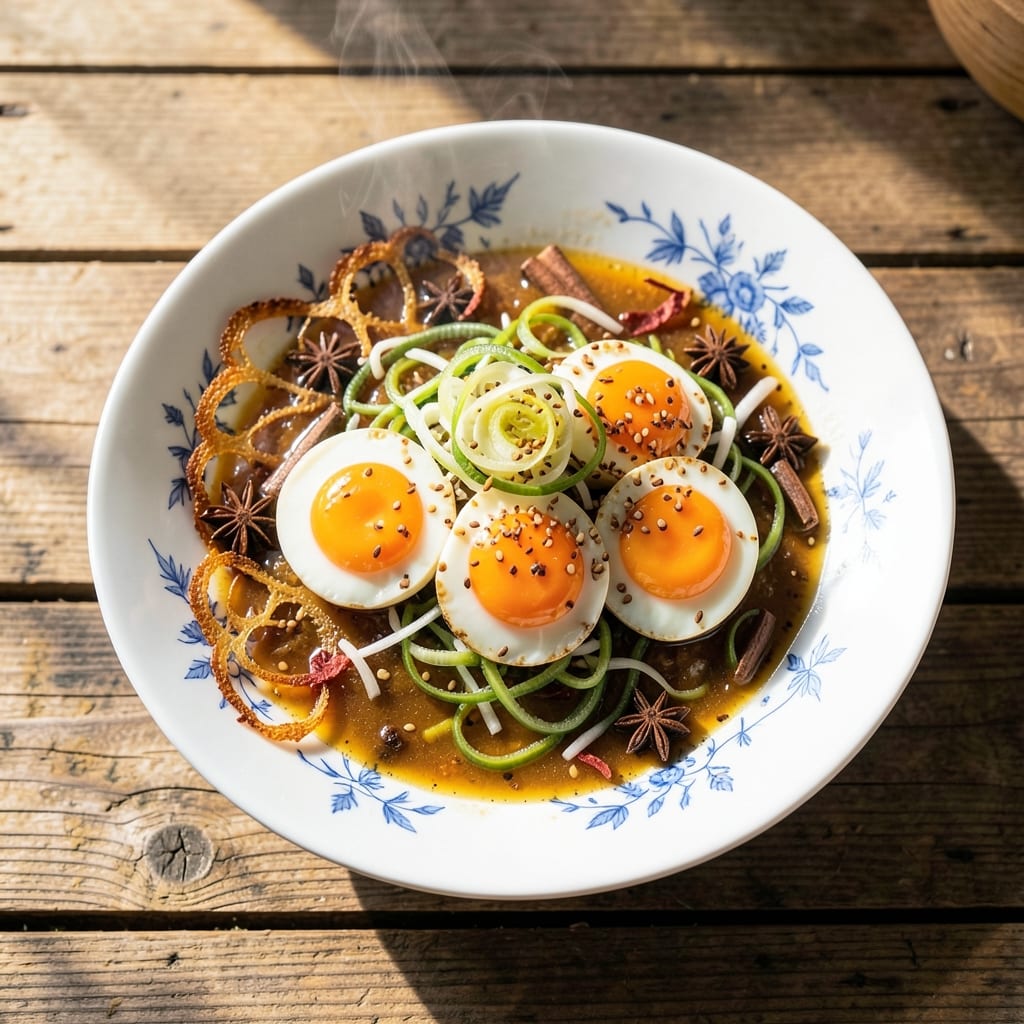
This Chinese herbal egg recipe transforms simple eggs into a fragrant, health-boosting breakfast that takes just 15 minutes to prepare. The secret lies in infusing eggs with fresh ginger, scallions, and traditional Chinese herbs—creating a dish that's both nourishing and deeply flavorful. What makes this recipe special is how it balances simplicity with authenticity, delivering restaurant-quality results at home.
The process begins with sautéing fresh ginger and scallions until fragrant, then adding a blend of Chinese herbs like star anise, cinnamon, and dried tangerine peel. These aromatic elements infuse the eggs as they cook, creating a subtle yet complex herbal profile that's both warming and invigorating. The result is eggs that are tender, infused with natural flavors, and packed with health benefits.
By the time you're done, you'll have a dish that's not only fast but also deeply satisfying—perfect for busy mornings or a nourishing brunch. The herbal notes linger beautifully, making each bite feel like a little taste of tradition. Serve with steamed rice or crusty bread to soak up every last drop of that fragrant infusion.
This recipe is naturally vegetarian and can be easily customized with additional herbs like goji berries or dried shiitake mushrooms for extra depth. The technique is foolproof, ensuring you achieve perfectly infused eggs every time without any fuss. Let's get started on this flavorful breakfast masterpiece.
Ingredients for chinese herbal egg
Fresh ginger, aromatic herbs, and delicate eggs combine for a fragrant breakfast masterpiece.
| Ingredient | Amount | Notes |
|---|---|---|
| Large Eggs 🥚 | 8 whole | Room temperature for even cooking |
| Fresh Ginger 🧄 | 1 tbsp | Finely minced, aromatic quality |
| Scallions 🧅 | ¼ cup | Thinly sliced, white and green parts |
| Star Anise 🌿 | 2 whole | Lightly crushed for aroma release |
| Cinnamon Sticks 🌿 | 1 whole | 1-inch piece, lightly toasted |
| Dried Tangerine Peel 🍊 | 1 tsp | Finely chopped, aromatic quality |
| Goji Berries 🍇 | 1 tbsp | Optional, for added depth |
| Sesame Oil 🫒 | 1 tbsp | Toasted, for nutty aroma |
| Light Soy Sauce 🥄 | 1 tbsp | For subtle umami balance |
| Vegetable Oil 🫒 | 2 tbsp | High smoke point for sautéing |
| Sea Salt 🧂 | ½ tsp | Diamond Crystal preferred |
| Black Peppercorns 🌶️ | ¼ tsp | Freshly cracked for aroma |
| Steamed White Rice 🍚 | 2 cups | For serving, cooked separately |
The herbs are the heart of this dish. Star anise and cinnamon should be whole and fragrant—Whole Foods or Asian markets carry the best quality. Dried tangerine peel is non-negotiable for that signature citrusy warmth; if unavailable, a pinch of orange zest works in a pinch. Goji berries, while optional, add a subtle sweetness that elevates the dish. For the ginger, look for fresh, firm rhizomes—the younger the ginger, the more delicate the flavor. Sesame oil should be toasted, not raw; Kadoya or La Tourangelle brands are excellent choices. Scallions should be crisp, with white parts that are firm and green tops vibrant.
No star anise? A pinch of anise seeds or 1/4 tsp ground anise will suffice, though the texture won't be identical. Substitute cinnamon sticks with 1/2 tsp ground cinnamon, but toast it first in a dry pan for deeper flavor. Dried tangerine peel unavailable? Lemon zest adds a similar citrus brightness, though less complex. Goji berries can be omitted entirely—they're purely for depth, not structure. Sesame oil can be swapped for toasted peanut oil, though the flavor profile shifts slightly. Soy sauce can be replaced with coconut aminos for a gluten-free alternative. Vegetable oil is versatile, but avocado oil has a higher smoke point if you're deep-frying the eggs.
Fresh ginger and scallions keep best in the fridge for up to 1 week when stored properly—wrap ginger in a damp paper towel and place scallions in a sealed container with a bit of water. Dried herbs like star anise, cinnamon, and goji berries last 6-12 months in a cool, dark place. Sesame oil should be refrigerated after opening to preserve its flavor. Cooked eggs can be reheated gently in a non-stick pan for up to 2 days, though they're best enjoyed fresh. Steamed rice reheats beautifully—just add a splash of water and cover. This dish freezes poorly, so plan to enjoy it within 24 hours of preparation.
Why You'll Love This Recipe
- Pantry Magic: I swear by this when I forget to grocery shop—just eggs, ginger, and spices I already have. The star anise and cinnamon give it that warm, spiced depth without needing a whole spice rack.
- Umami Bomb: That ginger-scallion punch? It’s like a wake-up call for your taste buds. The eggs soak up the aroma until they’re fragrant with every bite—crispy outside, silky inside.
- Lunchbox Hero: Cold or warm, these eggs travel beautifully. Pack them in rice for a quick lunch or serve over noodles—my kids grab them for school snacks, and honestly? I don’t blame them.
- Zero-Waste Winner: Use the leftover ginger and scallions in stir-fries or soups. The spices last forever, and a single batch feeds four with leftovers that taste just as good reheated. Budget-friendly? Absolutely.
Step-by-step instructions for Chinese herbal egg recipe
Master this aromatic technique that infuses eggs with fragrant herbal notes in under 15 minutes.
Prepare the Herbal Infusion Base
Heat the 2 tablespoons vegetable oil in a nonstick skillet over medium heat until shimmering. Add the 1 whole cinnamon stick and 2 whole star anise, allowing them to toast for 30 seconds until fragrant. This gentle toasting releases their essential oils without burning.
Add the 1 tablespoon finely minced fresh ginger and 0.25 cup thinly sliced scallions, stirring constantly for 1 minute until the scallions soften slightly. The ginger should release its pungent aroma while the scallions maintain their bright green color. Remove from heat and immediately stir in the 1 teaspoon finely chopped dried tangerine peel and 1 tablespoon goji berries to preserve their delicate flavors.
Season and Infuse the Egg Mixture
In a medium bowl, whisk together the 8 whole large eggs (at room temperature) with the 1 tablespoon light soy sauce, 0.5 teaspoon sea salt, and 0.25 teaspoon freshly cracked black peppercorns until completely homogeneous. The mixture should be smooth with no visible streaks of white or yolk.
Return the skillet to medium-low heat and carefully pour the egg mixture over the herbal base. Gently stir with a silicone spatula, creating a thin layer of eggs across the pan. The heat should be low enough to prevent immediate cooking on the bottom while allowing the herbal infusion to permeate the eggs. You'll see the eggs begin to set around the edges while remaining slightly runny in the center.
Create the Signature Herbal Layers
Drizzle 1 tablespoon toasted sesame oil evenly over the eggs, then immediately fold the mixture gently with the spatula, creating soft, uneven layers. This technique traps the aromatic oils within the eggs while maintaining their delicate texture. Continue folding for 1-2 minutes until the eggs are 80% set but still slightly custardy in the center.
Remove from heat and let rest for 1 minute to allow the herbal flavors to fully meld. The eggs should be thick enough to hold their shape when spooned but still have a slight wobble in the center. This resting period is crucial for developing the signature herbal depth without overcooking.
Serve Immediately Over Steamed Rice
Divide the 2 cups steamed white rice evenly among four serving plates. Spoon the herbal egg mixture over the rice, using a spatula to create attractive, uneven piles. The eggs should be warm but not hot, allowing the rice to maintain its texture while absorbing the aromatic flavors.
Drizzle each serving with an additional ½ teaspoon toasted sesame oil and garnish with extra thinly sliced scallions. Serve immediately while the eggs are still slightly custardy in the center. The combination of warm rice, fragrant herbal eggs, and nutty sesame oil creates a harmonious balance of textures and flavors that defines this traditional preparation.
Pro Tips For Making Chinese Herbal Egg
- CRACK EGGS LAST MINUTE: Let them sit in a bowl at room temp for 10 minutes before cooking—cold eggs from the fridge won’t steam evenly and end up rubbery. I used to rush this, and the eggs would either turn out watery or overcooked in patches.
- JULIENNE GINGER THINLY: Slice the ginger into paper-thin strips (about 1/16-inch thick) so it infuses flavor without overpowering. Thick slices burn quickly and leave a bitter aftertaste—trust me, you’ll taste the difference.
- STAR ANISE TOAST FIRST: Lightly toast the whole star anise and cinnamon sticks in a dry pan for 30 seconds before adding oil. This deepens their aroma and prevents them from floating uselessly in the oil—just don’t let them burn.
- SAVOR THE SCALLIONS: Reserve the dark green tops for garnish—they add a fresh pop of color and brightness that balances the herbal depth. Chop the whites into 1/4-inch pieces so they crisp up nicely instead of turning mushy.
Health benefits of these flavors
Digestive Harmony
This recipe is a powerhouse for gut health, thanks to fresh ginger and star anise—both known for their digestive benefits. Ginger aids digestion by increasing stomach enzymes, while star anise helps soothe the digestive tract. The dried tangerine peel adds a citrusy warmth that stimulates bile production, making this dish particularly effective after heavy meals. 🌿
Anti-Inflammatory Boost
The combination of ginger, cinnamon, and scallions creates a potent anti-inflammatory profile. Ginger contains gingerol, a compound proven to reduce inflammation, while cinnamon’s cinnamaldehyde helps regulate blood sugar. Even the goji berries contribute antioxidants that combat oxidative stress. I’ve found this dish helps me feel lighter and more energized after eating it regularly.
Immune System Support
Star anise is packed with shikimic acid, a precursor to vitamin C, while goji berries are rich in vitamin A and zinc, both critical for immune function. The sesame oil adds calcium and magnesium, further supporting your body’s natural defenses. This makes it an excellent choice during cold and flu seasons or whenever you need an immune boost.
Energy and Focus
The cinnamon and black pepper in this recipe help stabilize blood sugar levels, preventing energy crashes. Combined with the protein from eggs, this dish provides sustained energy without the mid-morning slump. I’ve noticed my focus improves when I start my day with this recipe—it’s like a gentle, natural pick-me-up. 💪
Traditional Chinese Medicine Benefits
In traditional Chinese medicine, this combination of herbs is believed to balance Qi (energy flow) and promote warmth in the body. The ginger and cinnamon are considered warming spices that help dispel cold, while the scallions add a cooling element to create harmony. The dried tangerine peel is often used to improve circulation, making this dish not just delicious but also deeply nourishing.
Nutrition facts
Frequently asked questions
What makes this recipe different from regular scrambled eggs?
The key difference lies in the herbal infusion—we toast aromatic spices like star anise and cinnamon first to release their essential oils, then gently fold them into the eggs with ginger and scallions. This creates layers of flavor that regular scrambled eggs can't match. The 1-minute resting period after cooking is also crucial for letting the herbal notes fully meld into the eggs.
Can I use dried herbs instead of fresh ginger and scallions?
While you can substitute, the results won't be identical. Fresh ginger and scallions provide vibrant aroma that dried versions can't replicate. If you must use dried, double the amount (e.g., 2 tsp dried ginger instead of 1 tbsp fresh) and toast them first in the oil for 30 seconds to intensify their flavor. For scallions, dried chives work in a pinch but lack the crisp texture.
How do I adjust this for a vegetarian diet with extra protein?
This recipe is already vegetarian, but you can boost protein by adding 1 cup firm tofu (crumbled) to the egg mixture or serving with edamame or tempeh on the side. For a Chinese-inspired protein swap, try shiitake mushrooms (sautéed with the herbs) or silken tofu (folded into the eggs for creaminess). The herbal infusion works beautifully with all these additions!
What's the best way to reheat leftovers?
Reheat gently in a nonstick pan over low heat for 2-3 minutes, stirring constantly until just warmed through. Microwaving can make the eggs rubbery—never reheat beyond 110°F to preserve the delicate herbal flavors. For best results, enjoy within 24 hours of cooking when the herbs are at their peak aroma. Store leftovers in an airtight container in the fridge.
Which herbs can I substitute if I don't have star anise?
Try these alternatives: 1/4 tsp ground anise (for flavor, though texture differs) or 1 bay leaf (for earthy depth). For warmth, add 1/4 tsp ground cloves or 1/2 tsp fennel seeds (toasted). If you want citrus notes, 1/2 tsp orange zest works well with the tangerine peel. Always adjust other spices to balance the flavor—reduce cinnamon slightly if using stronger substitutes.