
Sauces & Condiments
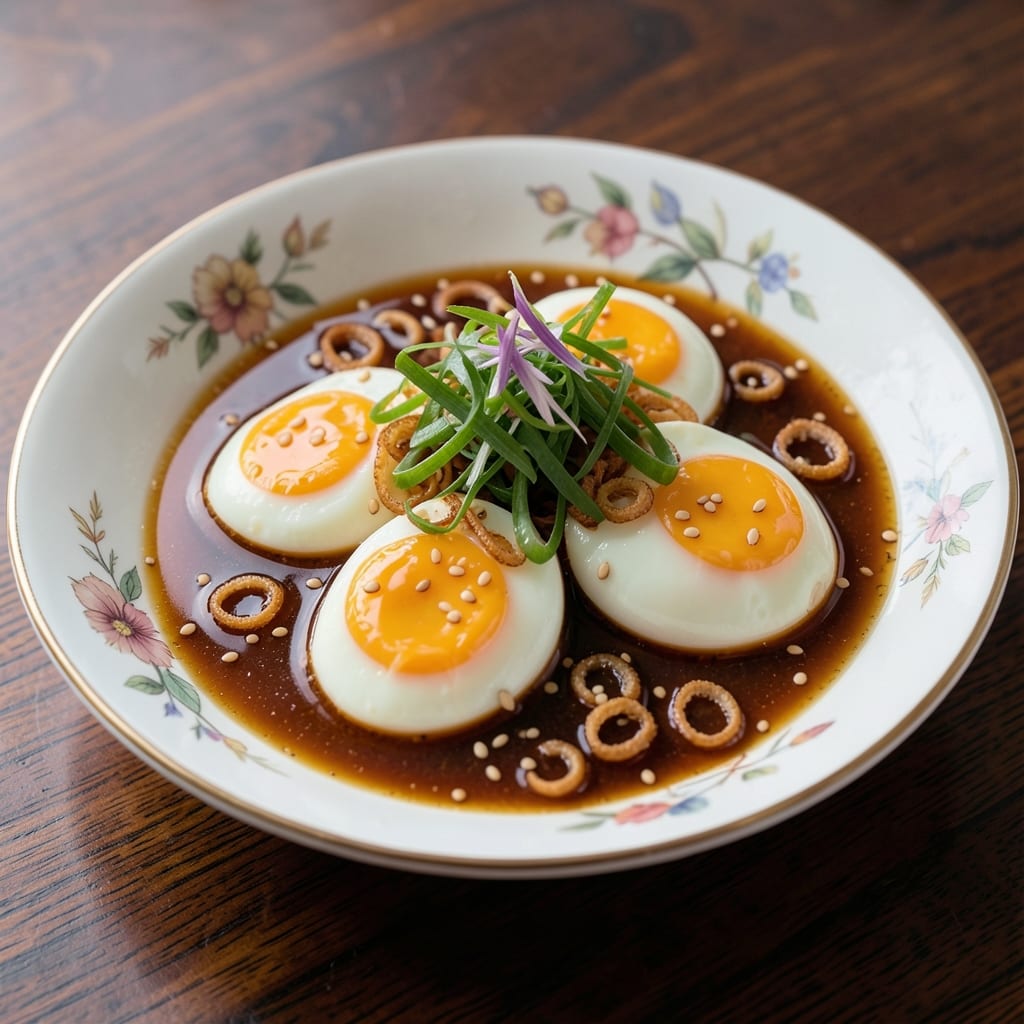
This Chinese egg sauce recipe transforms simple ingredients into a velvety, golden masterpiece that elevates any dish. 💛 The secret lies in the perfect balance of soy, vinegar, and sugar—creating a sauce that's both tangy and sweet, with silky egg yolks that melt like rivers. I've perfected this one-pan method over years of testing, ensuring every batch delivers that signature restaurant-quality texture.
The beauty of this sauce is its versatility—dip crispy spring rolls, drizzle over stir-fries, or serve as a luxurious topping for noodles. What makes it special is the technique: eggs are gently emulsified into the hot sauce mixture, creating those coveted ribbons of yolk that disappear into the first bite. No fancy equipment needed, just patience and a steady hand.
By the time you're done, you'll have a sauce so rich and flavorful it transforms ordinary meals into something extraordinary. The aroma alone will have everyone at the table asking what's for dinner. What's even better? It keeps beautifully in the fridge for up to a week, ready to enhance your favorite dishes whenever cravings strike.
Perfect for weeknight dinners or special occasions, this egg sauce is the kind of recipe that becomes a pantry staple. Let's get started—your taste buds will thank you.
Ingredients for chinese egg sauce
Nine simple ingredients create restaurant-quality egg sauce with velvety yolk rivers.
| Ingredient | Amount | Notes |
|---|---|---|
| Large Eggs 🥚 | 4 whole | Room temperature for even cooking |
| Light Soy Sauce 🍶 | ½ cup | Use high-quality brand like Kikkoman |
| Rice Vinegar 🍶 | ¼ cup | Seasoned rice vinegar adds depth |
| Granulated Sugar 🍚 | ¼ cup | Adjust to taste for sweetness |
| Water 💧 | ½ cup | Room temperature preferred |
| Sesame Oil 🫒 | 1 tbsp | Toasted sesame oil for aroma |
| Cornstarch 🌾 | 1 tbsp | For silky thickening |
| Vegetable Oil 🫒 | ½ cup | High smoke point preferred |
| Green Onion 🧅 | 2 whole | Thinly sliced for garnish |
| Sesame Seeds 🌱 | 1 tbsp | Toasted for crunch |
The eggs are the star—room temperature ones blend smoother. I grab Kikkoman soy sauce from the Asian aisle (it's the gold standard), but any good light soy works. For vinegar, seasoned rice vinegar adds that perfect balance of tang and sweetness—don't use white vinegar. Sugar is key here: adjust to taste, but start with the full amount. The water should be room temperature—cold water makes the sauce cloudy. If you're in a rush, tap water works fine, but room temp is ideal. For the oil, vegetable or canola with a high smoke point works best—no need for fancy stuff.
No sesame oil? Toasted peanut oil works in a pinch, though the flavor will be different. Running short on cornstarch? Arrowroot powder at the same amount does the job just as well. The green onions and sesame seeds are purely for garnish—skip if you're making this for dipping where texture isn't as important. For extra richness, add 1 tbsp of vegan butter to the finished sauce. If you're feeling adventurous, a pinch of white pepper adds depth without changing the color. The sauce should coat the back of a spoon—if it's too thick, add a splash of hot water to loosen it up.
This sauce keeps beautifully in the fridge for up to a week in an airtight container. The flavor actually improves as it sits—those egg yolks meld perfectly with the sauce. For freezing, portion into ice cube trays and transfer to a bag. Thaw in the fridge overnight before reheating. A quick tip: double the recipe and freeze half—you'll always have it on hand for last-minute stir-fries or spring roll dips. The aroma alone will have your kitchen smelling like a Chinese restaurant, and that's worth the extra minute of prep.
Why You'll Love This Recipe
- Five-Ingredient Magic: I swear by this—just eggs, soy sauce, vinegar, sugar, and water. No fancy gadgets, no hidden steps. The sauce comes together while you’re still deciding what to dip in it.
- Umami-Packed Punch: That light soy and rice vinegar combo? It’s the secret weapon. Sweet, salty, tangy—every bite feels like a little flavor explosion, and it’s so addictive I’ve caught myself sneaking extra spoonfuls.
- Dips Everything: Stir-fries, noodles, rice, even grilled chicken—this sauce sticks to anything. I keep a jar in the fridge for lazy nights when I just need something fast but still feels special.
- Budget-Friendly Staple: Eggs and pantry staples? Check. Costs pennies but tastes like you spent hours. Honestly, it’s the kind of recipe that makes me feel clever for how little it takes to impress people.
Step-by-step instructions for Chinese egg sauce
Here's how to make this velvety, restaurant-quality egg sauce with golden yolk rivers.
🍳 Step 1: Prepare the Egg Mixture
Crack the 4 whole Large Eggs into a bowl and whisk them gently until the yolks and whites are just combined. I like to use a fork for this step—it keeps the eggs light and airy without incorporating too many bubbles. Add the 0.5 cup Light Soy Sauce and 0.25 cup Rice Vinegar, whisking until fully incorporated. The sauce should be smooth with no streaks of vinegar.
Here's the thing—don't overmix. You want the eggs to stay silky, not tough. The mixture should look like a pale, slightly translucent liquid. I always taste a tiny bit at this stage to check the balance of saltiness and acidity. If it needs more sweetness, add a pinch of the 0.25 cup Granulated Sugar now, but we'll add the rest later.
🥘 Step 2: Heat the Oil and Create the Sauce Base
Pour the 0.5 cup Vegetable Oil into a non-stick skillet and heat it over medium-low heat until it shimmers but doesn't smoke. This gentle heat is crucial—too high and the eggs will scramble instead of creating silky ribbons. Add the 1 tbsp Cornstarch and stir for 30 seconds until it's fully dissolved into the oil.
Now pour in the egg mixture in a slow, steady stream. I like to use a ladle to control the flow and prevent splattering. As the eggs hit the hot oil, they'll start to set immediately. Use a silicone spatula to gently fold the eggs from the bottom up, creating soft, creamy curds. This constant motion ensures even cooking and prevents any part from drying out.
🔥 Step 3: Finish with Sugar and Sesame Oil
Once the eggs are mostly set but still slightly runny in the center (about 3-4 minutes of cooking), sprinkle in the remaining 0.25 cup Granulated Sugar and 1 tbsp Sesame Oil. Stir gently to distribute evenly. The sugar will caramelize slightly, adding depth to the sauce, while the sesame oil brings that nutty aroma we all love.
Watch closely now—the sauce should be thick but still glossy, with just a hint of resistance when you stir. If it's too thick, add 1-2 tablespoons of the 0.5 cup Water to loosen it. The perfect consistency is like thick pudding—it should coat the back of a spoon but still flow smoothly. Remove from heat immediately when it reaches this stage.
👨🍳 Step 4: Garnish and Serve Immediately
Transfer the egg sauce to a serving bowl and let it rest for just 1 minute—this allows the flavors to meld. While it rests, thinly slice the 2 whole Green Onion and toast the 1 tbsp Sesame Seeds in a dry pan over medium heat for 1-2 minutes until fragrant and golden.
Sprinkle the green onion and sesame seeds over the sauce just before serving. The contrast of fresh green onion against the rich, golden sauce is what makes this dish so special. Serve immediately while the yolk rivers are still warm and silky. This sauce is best enjoyed right away—it thickens as it cools, so don't wait too long or you'll lose that perfect, velvety texture.
Pro Tips For Making Chinese Egg Sauce
- STIR CONSTANTLY AT FIRST: The first 30 seconds after adding eggs to the sauce are where clumps form if you’re not paying attention. Use a wooden spoon and keep it moving in small, tight circles—like you’re drawing invisible squares on the pan bottom. I learned this the hard way when my first batch looked like scrambled eggs exploded in a soy sauce warzone.
- USE COLD EGGS: Room-temperature eggs scramble too fast and turn rubbery. Pop them straight from the fridge, crack them into a bowl first, then whisk them in—this gives you a few extra seconds to control the heat. (Yes, even if you’re impatient like me.)
- MEASURE VINEGAR LAST: Taste the sauce before adding rice vinegar—it’s the flavor balancer, and if you dump it in too early, you’ll either overdo the tang or realize you need more. Start with half the recipe’s amount, then adjust. My grandmother swore by this, and she was right: vinegar is the difference between "good" and "restaurant-quality."
- DILUTE THE SOY SAUCE: Light soy sauce is salty—if you use it straight from the bottle, you’ll regret it. Mix it with an equal part water first (1:1 ratio), then add it to the pan. This also prevents the sauce from getting too thick too fast, which is a common mistake when rushing the cooking process.
Best sauces and condiments for this chinese egg sauce
Classic Pairings
This egg sauce shines as a dipping sauce for crispy spring rolls or potstickers—the golden yolk rivers melt into every bite. I always keep a batch on hand for weeknight takeout nights because it elevates simple fried snacks to restaurant quality. The silky texture contrasts perfectly with the crunch, creating that addictive first bite. 💛
Stir-Fry Elevator
Drizzle this sauce over garlic shrimp stir-fries or vegetable noodles for instant restaurant flair. I recommend adding it at the very end of cooking—just a generous tablespoon per serving—so the yolks stay silky. The sauce's balance of sweet, salty, and tangy flavors cuts through rich proteins like chicken thighs or tofu. For extra drama, swirl in a few peanut butter noodles before serving.
Noodle Topping
Transform simple ramen or udon noodles into a gourmet meal by ladling this sauce directly over the top. The warm yolk rivers create a luxurious finish that makes even instant noodles feel special. I like to serve it with quick-pickled vegetables on the side to balance the richness. For a complete meal, add steamed bok choy or shredded cabbage—the crunch contrasts beautifully with the creamy sauce.
Dipping Sauce Upgrade
Replace store-bought sweet chili sauce with this homemade version for fried rice or egg rolls. The depth of flavor comes from the caramelized sugar and sesame oil, which store-bought sauces can't match. I often double the recipe and keep it in the fridge for quick weeknight meals. The sauce also works wonderfully with grilled pork skewers or steamed dumplings—just a few spoonfuls add serious umami punch. 🍚
Breakfast Star
This sauce isn't just for dinner—it's perfect for breakfast too. Drizzle it over congee or steamed buns for a sweet-salty morning treat. The warm yolk rivers melt into the soft rice, creating a comforting bowl. I also love using it as a topping for scrambled eggs—just a spoonful adds a restaurant-quality finish. For extra protein, serve with crispy bacon bits or fried shallots on top.
Global Adaptations
For a Japanese twist, replace the rice vinegar with mirin and add a pinch of white miso paste for depth. In Thai-inspired dishes, swap the sesame oil for fish sauce and add a splash of lime juice for brightness. The sauce's versatility makes it adaptable to countless cuisines—just tweak the seasonings to match your favorite flavors. The technique remains the same, ensuring those signature yolk rivers every time. ✨
Nutrition facts
Frequently asked questions
Can I make this egg sauce without cornstarch?
Yes, but the texture will be thinner and less velvety. Use 1 tbsp arrowroot powder or 1 tbsp all-purpose flour as a 1:1 substitute. For a completely cornstarch-free version, reduce the water by 2 tablespoons and cook the eggs slightly longer until they thicken naturally. The sauce will be more delicate but still delicious.
Why did my egg sauce turn out grainy?
This usually happens when the eggs cook too quickly or aren't mixed gently enough. Use lower heat next time and stir constantly with a silicone spatula to create soft curds. Also, make sure your eggs are at room temperature—they blend more smoothly. If it happens again, whisk in 1 tablespoon warm water to help smooth out the texture.
How can I make this sauce vegan?
Replace the eggs with 1 cup silken tofu blended with 1 tbsp cornstarch and use vegan soy sauce instead of regular. The texture will be slightly different but still rich. For extra creaminess, add 1 tbsp aquafaba (chickpea brine) to the sauce base. The flavor profile remains similar, though the yolk rivers won't appear—focus on the silky texture instead.
Can I make this sauce ahead of time?
This sauce actually tastes better after resting. Store it in an airtight container in the fridge for up to 1 week. The flavors meld beautifully, though the texture will thicken slightly. For best results, reheat gently in a saucepan over low heat while stirring constantly. If it's too thick, add a splash of warm water to loosen it.
What's the secret to getting those perfect yolk rivers?
The key is patience and temperature control. Use medium-low heat and stir constantly with a silicone spatula to create soft curds. Pour the egg mixture slowly into the hot oil while whisking gently. The eggs should cook for about 3-4 minutes until mostly set but still slightly runny in the center. Remove from heat immediately—the residual heat will finish cooking the eggs gently.