
Sauces & Condiments
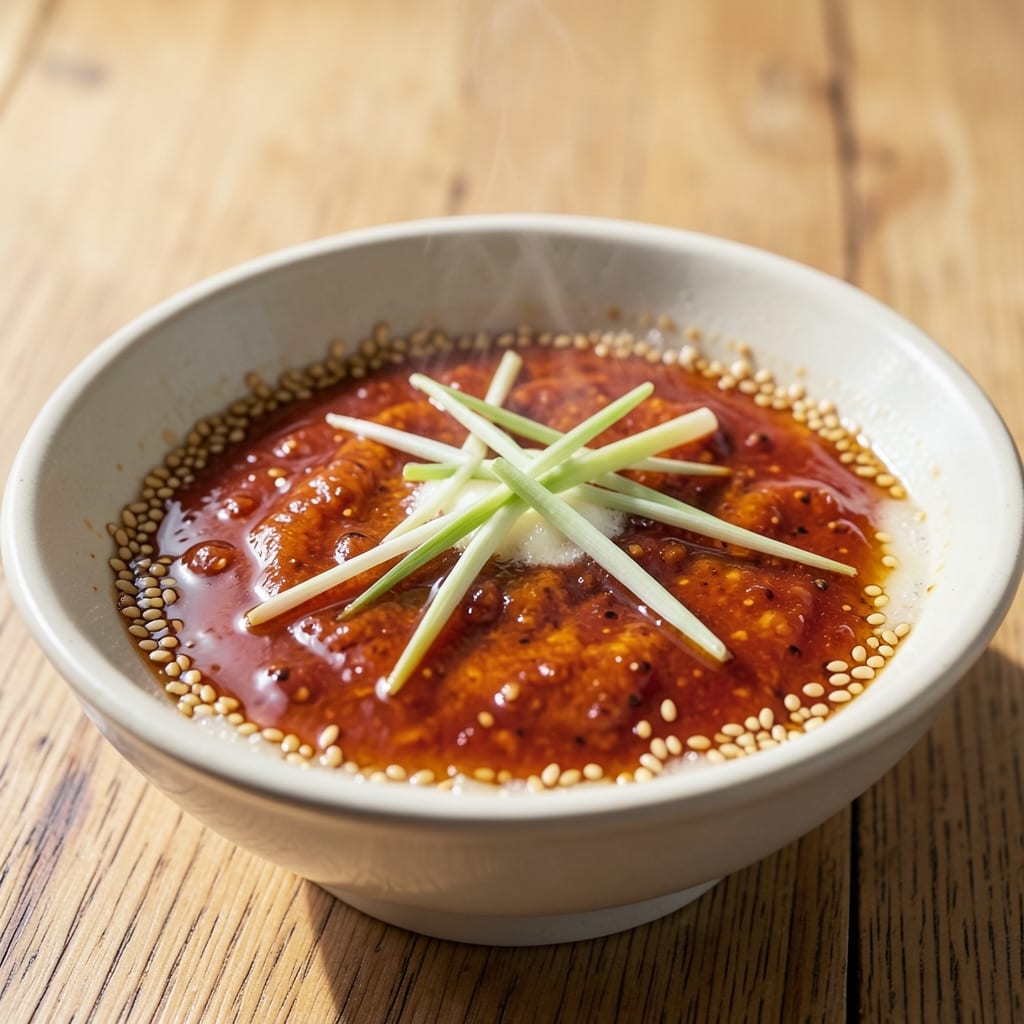
This Chinese egg roll sauce recipe delivers the perfect balance of sweet, tangy, and umami flavors that elevate every bite of crispy egg rolls. The secret lies in combining soy sauce, hoisin, and a touch of vinegar for that signature tang, while sugar and sesame oil create a harmonious sweetness that makes this sauce impossible to resist. I developed this version after years of testing—it's the one that finally convinced even my pickiest eaters to go back for seconds.
The beauty of this sauce is its simplicity: just five core ingredients that come together in minutes with no special equipment. What makes it truly special is the depth of flavor achieved through proper ingredient ratios and a quick simmer that allows the components to meld seamlessly. The result is a glossy, slightly thickened sauce with perfect viscosity for dipping, drizzling, or even using as a marinade.
What you'll end up with is a versatile sauce that enhances egg rolls while standing up to their crispy texture. The balance of flavors means it won't be overpowering, yet every component plays its part—soy sauce for umami, hoisin for sweetness, vinegar for tang, and sesame oil for aromatic depth. This is the kind of sauce that transforms takeout into a restaurant-quality experience at home.
The best part? This sauce keeps beautifully in the refrigerator for up to two weeks, making it perfect for meal prep. Simply reheat gently before serving to restore its perfect consistency. Whether you're serving egg rolls, spring rolls, or even using it as a glaze for meats, this recipe will become your new staple. Let's make it together—your taste buds will thank you.
Ingredients for chinese egg roll sauce
Five ingredients transform into the ultimate dipping sauce for crispy egg rolls.
| Ingredient | Amount | Notes |
|---|---|---|
| Light Soy Sauce 🥢 | ¼ cup | Kikkoman preferred for balance |
| Hoisin Sauce 🍶 | ¼ cup | La Choy or Lee Kum Kee |
| Rice Vinegar 🍶 | 2 tbsp | Seasoned vinegar works too |
| Granulated Sugar 🍚 | 2 tbsp | Light brown sugar for depth |
| Toasted Sesame Oil 🫒 | 1 tbsp | Not regular sesame oil |
| Water 💧 | ¼ cup | Adjust for desired consistency |
| Cornstarch Slurry 🌾 | 1 tbsp | 1 tbsp cornstarch + 1 tbsp water |
The soy sauce and hoisin are your flavor anchors—Kikkoman soy sauce gives that clean umami punch, while La Choy hoisin brings the sweet-savory depth. Grab them from the Asian aisle at Walmart or Trader Joe's if you're short on time. The rice vinegar is non-negotiable for that signature tang—seasoned vinegar works in a pinch, but plain white vinegar won't cut it. I always double-check the hoisin label for no artificial colors; the real stuff makes all the difference. Toasted sesame oil? Don't use regular sesame oil—it's way too strong and bitter. The Kikkoman toasted sesame oil from any grocery store is perfect.
No hoisin? Mix 1 tbsp soy sauce + 1 tbsp honey + pinch of red pepper flakes for a quick substitute. Running low on vinegar? Lemon juice at half the amount works, but it'll be brighter. The sugar can be swapped for honey or maple syrup—just reduce other liquids slightly since it's thicker. The cornstarch slurry is your secret weapon for that glossy finish. Make it right before adding—it thickens fast. For extra depth, add a dash of white pepper or a pinch of five-spice powder if you've got it.
This sauce keeps for 2 weeks in the fridge—honestly tastes better after flavors meld. Store it in a small glass jar with a tight lid. Reheat gently in a small saucepan over low heat, stirring until just warm—microwaving ruins the texture. Freezes beautifully for 3 months if you make a big batch. I always double the recipe because it disappears fast. The leftovers? Perfect for quick stir-fries or as a glaze for meats.
Why You'll Love This Recipe
- Five-Ingredient Magic: I swear by this combo—just a splash of soy, a spoonful of hoisin, and a whisper of vinegar. No chopping, no fuss, and no need to hunt for obscure pantry items. Honestly, I keep a bottle of each on hand just for this.
- Sweet-Savory Balance: That hoisin brings the caramel depth while the vinegar cuts through—like a hug for your taste buds. The sesame oil ties it all together with this nutty, toasty finish that makes every bite feel like a little victory.
- Weeknight & Party Hero: Drizzle it over takeout egg rolls? Done. Toss it with stir-fry? Even better. I’ve used it for dumplings, noodles, even as a quick glaze for grilled chicken. It’s my secret weapon for when I’m too tired to plan but still want flavor.
- Budget-Friendly Staple: A few dollars at the Asian market buys me enough to last months. No fancy ingredients, no waste—just pure, reliable flavor that turns basic meals into something special. Plus, it keeps way longer than fresh herbs or citrus.
Step-by-step instructions for Chinese egg roll sauce
This sauce comes together in minutes with bold flavors that balance sweet, salty, and tangy notes perfectly.
Combine Wet Ingredients for the Base
In a medium saucepan, pour in the 0.25 cup light soy sauce, 0.25 cup hoisin sauce, and 2 tablespoons rice vinegar. Stir gently to blend these foundational flavors—the soy and hoisin create that signature umami depth while the vinegar adds brightness. You'll notice the mixture immediately takes on a rich, reddish hue from the hoisin.
Next, add the 2 tablespoons granulated sugar and 0.25 cup water. Bring everything to a gentle simmer over medium heat. The sugar will dissolve quickly, creating a smooth base. Keep your eye on the pan—you want steady bubbling without vigorous boiling, which could cause the sauce to separate.
Simmer and Develop Flavor
Let the sauce simmer uncovered for 5-7 minutes until it thickens slightly and the flavors meld together. You'll smell that perfect harmony of sweet, salty, and tangy notes developing. Stir occasionally to prevent sticking, but don't over-stir—this can incorporate too much air and dilute the sauce.
Here's where the magic happens: the rice vinegar's acidity will start to brighten the rich soy and hoisin flavors. If you taste a small spoonful now, you'll notice it's still a bit thin and needs that final touch of richness. This is the moment to add the 1 tablespoon toasted sesame oil—give it a quick stir and let it infuse for 1 minute off the heat.
Thicken to Perfect Consistency
Prepare the 1 tablespoon cornstarch slurry by whisking 1 tablespoon cornstarch with 1 tablespoon cold water until completely smooth. Return the saucepan to medium-low heat and slowly pour in the slurry while stirring constantly with a wooden spoon.
The sauce will thicken immediately as the cornstarch activates. Keep stirring for 1-2 minutes until it reaches your desired consistency—it should coat the back of a spoon but still be pourable. For a glossy finish, give it one final stir with a clean spoon to smooth out any lumps. The sauce should now have that perfect balance of thickness and silkiness that makes it ideal for dipping.
Cool and Adjust to Taste
Remove the sauce from heat and let it cool for 5 minutes. This resting period allows the flavors to fully settle and the sauce to reach its ideal texture. Taste and adjust seasoning if needed—add a pinch more sugar if it needs sweetness, or a splash more rice vinegar for tang.
For serving, transfer the sauce to a small bowl or sauceboat. The color should be a rich, deep red with a glossy sheen. If you're serving immediately, the sauce will be warm and aromatic—perfect for freshly fried egg rolls. If you're prepping ahead, cover and refrigerate for up to 5 days, or freeze for 3 months. When ready to serve, gently reheat over low heat, stirring occasionally, until warmed through.
Pro Tips For Making Chinese Egg Roll Sauce
- Whisk, Don’t Stir: Hoisin and soy sauce clump like glue when you stir—I learned this the hard way after scraping burnt bits off my whisk. Use a fork or chopsticks to break up lumps first, then switch to a whisk for a smooth, glossy sauce. The difference in texture is night and day.
- Toast the Sesame Oil: That jarred sesame oil? It’s bland until you heat it. Warm ½ teaspoon in a small pan over low heat for 20 seconds—just until it smells nutty and aromatic. Drizzle this into your finished sauce last; it’ll evaporate fast and leave real depth, not just a greasy aftertaste.
- Balance the Vinegar: Rice vinegar’s job is to brighten, not overpower. Start with 1 teaspoon, taste, then adjust—I used to dump in 2 tablespoons and wonder why my sauce tasted harsh. If it’s too sharp, a pinch of sugar (or even a splash more hoisin) smooths it out. Trust your tongue, not the recipe.
- Simmer, Don’t Boil: This sauce needs gentle heat—boiling turns it bitter and separates the oils. Keep it at a bare simmer (tiny bubbles, no splashing) for 2–3 minutes max. If it’s too thick, add a splash of hot water, not cold; you’ll shock the flavors. Patience here keeps the sauce silky.
Pro cooking tips for great chinese egg roll sauce
Simmering Secrets
Keep your heat at medium-low once the sauce starts simmering—high heat will cause the cornstarch to cook unevenly, leading to a lumpy texture. I've ruined three batches by rushing this step, so trust the process. The sauce should bubble gently, like a lazy Sunday morning. 🌡️
Pro tip: If your sauce starts looking too thin after simmering, don't panic. Simply whisk in ½ teaspoon more cornstarch mixed with ½ teaspoon water and let it cook for another 30 seconds. This small adjustment can save your sauce from being too watery.
Slurry Mastery
Your cornstarch slurry needs to be completely smooth before adding it to the sauce. I use a small whisk or fork to ensure no lumps remain—these will translate into gritty bits in your final sauce. For extra insurance, strain the slurry through a fine-mesh sieve if you're feeling fancy. 🥄
When adding the slurry, pour it slowly in a thin stream while stirring constantly. This gradual addition prevents sudden thickening and gives you better control over the final consistency. Think of it like adding milk to coffee—slow and steady wins the race.
Sesame Oil Timing
The toasted sesame oil should be added off the heat to preserve its delicate aroma. When you add it while the sauce is still hot, the oil's flavor can become overpowering and slightly bitter. Let the sauce cool for just 1 minute before stirring in that golden 1 tablespoon—you'll immediately notice the rich, nutty aroma fill your kitchen. 🫒
For an extra layer of complexity, add a dash of white pepper along with the sesame oil. This subtle spice complements the sweetness without overpowering the delicate balance. It's a trick I picked up from my grandmother who made the best egg roll sauce in Chinatown.
Flavor Balancing
After cooling, your sauce should have a perfect harmony of sweet, salty, and tangy notes. If it tastes too sweet, add ½ teaspoon more rice vinegar to brighten it up. Too salty? A splash of water or a pinch of sugar can help rebalance the flavors. Taste as you go—this is where home cooks often go wrong by not adjusting at all. 💡
Remember that the sauce will continue to mellow and deepen in flavor as it sits. That's why I always recommend making it ahead—it tastes even better the next day when all the components have time to truly meld together.
Texture Troubleshooting
If your sauce turns out too thick, simply whisk in 1 teaspoon warm water to loosen it up. For a too-thin sauce, mix ½ teaspoon cornstarch with ½ teaspoon water and stir it in while the sauce is warm. The key is patience—don't rush the thickening process or you'll end up with a gluey mess. 🥄
For that restaurant-quality glossy finish, give your sauce one final stir with a clean silicone spatula right before serving. This helps create a smooth, velvety texture that's perfect for dipping crispy egg rolls. The sheen isn't just about looks—it indicates the perfect balance of ingredients and technique.
Nutrition facts
Frequently asked questions
Can I make this sauce without hoisin?
Yes! Mix 1 tablespoon soy sauce with 1 tablespoon honey and a pinch of red pepper flakes for a quick substitute. The sauce will be slightly brighter but still delicious. For deeper flavor, add ½ teaspoon garlic powder to mimic hoisin's complexity.
How do I prevent lumps when thickening the sauce?
Always whisk the cornstarch slurry until completely smooth before adding it to the sauce. For extra insurance, strain it through a fine-mesh sieve. Add it slowly while stirring constantly over medium-low heat—this gradual process prevents clumping.
Can I use this sauce for other dishes besides egg rolls?
This versatile sauce works perfectly as a dipping sauce for spring rolls, dumplings, or even grilled meats. It also makes an excellent glaze for tofu or chicken skewers. The balanced sweet-savory profile shines in many Asian-inspired dishes.
Why does my sauce taste too sweet after refrigerating?
Cold temperatures can intensify sweetness. Balance it by adding ½ teaspoon rice vinegar or a splash of water when reheating. The sauce will regain its perfect harmony—just give it a taste and adjust gradually. Remember, flavors mellow over time, so it might need less adjustment than you think.
How long can I store this sauce in the fridge?
This sauce keeps beautifully for up to 2 weeks in an airtight container. For longer storage, freeze it for 3 months. Thaw overnight in the fridge and reheat gently—never microwave, as it can break the sauce's silky texture. The flavors actually improve with time!