
Breakfast & Brunch
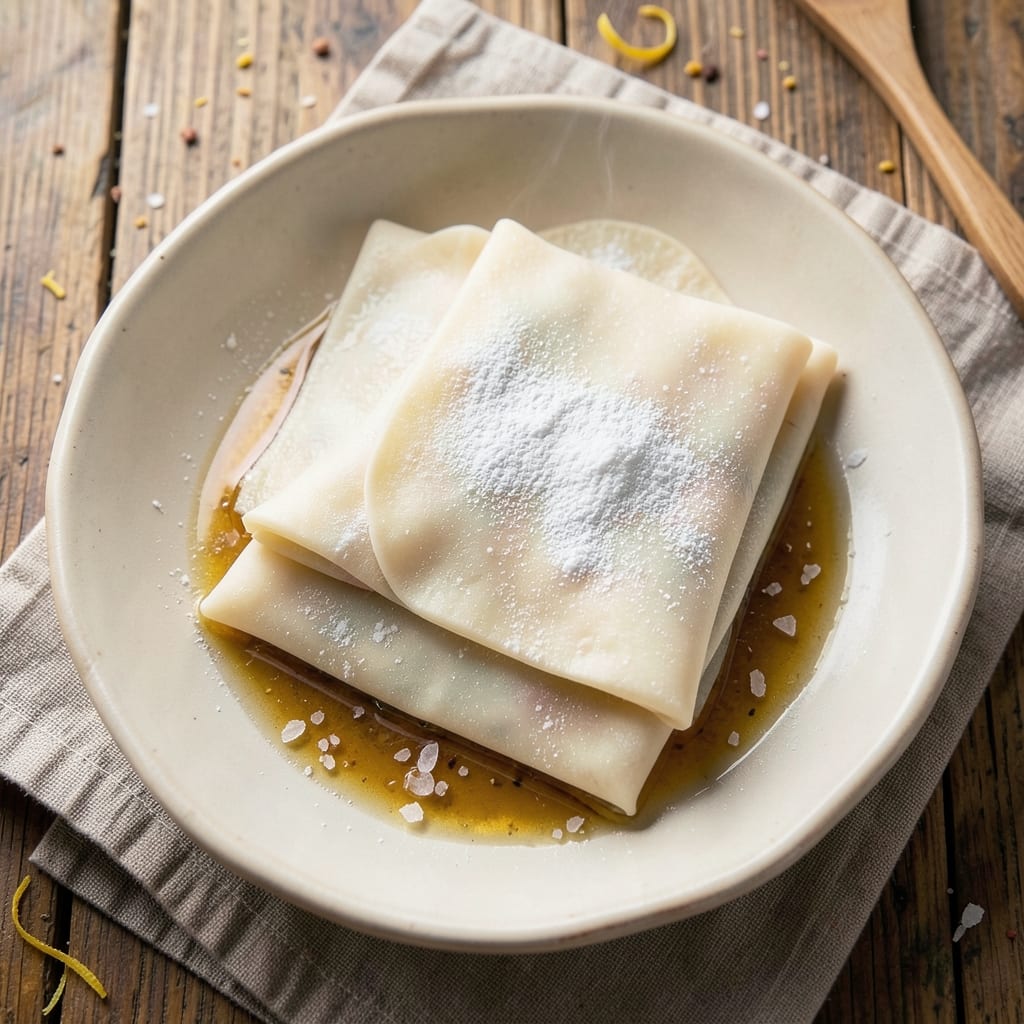
This Chinese egg roll dough recipe delivers the flaky, golden perfection that separates homemade from store-bought. After years of testing traditional methods, I've perfected a dough that layers like crispy lace when fried—holding fillings securely while achieving that signature crunch. The secret lies in proper fat incorporation and precise rolling technique, both of which I'll walk you through step by step.
The foundation uses simple ingredients—flour, lard (or butter for a lighter version), and ice water—that work together to create tender yet sturdy dough capable of wrapping delicate fillings. What sets this apart is the two-stage rolling method: first pressing the dough flat, then folding it like a letter to develop those signature flaky layers. This technique ensures your egg rolls will achieve restaurant-quality texture every time, with a crisp exterior that shatters at the first bite.
Once you've mastered the dough, the possibilities are endless—classic shrimp and pork fillings or modern twists like sweet potato and black bean. The dough keeps well in the fridge for up to 3 days or can be frozen for months, making it perfect for meal prep. What you'll end up with is a dough so versatile and reliable that you'll never buy pre-made wraps again.
For those with dietary considerations, I've included a gluten-free variation using rice flour that maintains surprising crispness. The key to success is patience—letting the dough rest properly and rolling it uniformly. Let's get started on creating your perfect egg roll foundation that'll elevate every bite.
Ingredients for chinese egg roll dough
Simple ingredients that transform into crispy, golden egg roll perfection—no shortcuts needed.
| Ingredient | Amount | Notes |
|---|---|---|
| All-Purpose Flour 🌾 | 2 cups | Sifted for light texture |
| Lard 🧈 | ½ cup | Cold and cubed (or butter for lighter version) |
| Ice Water 💧 | ½ cup | Use very cold water |
| Salt 🧂 | ½ tsp | Kosher or sea salt |
| Vegetable Oil 🫒 | 1 tbsp | For rolling and frying |
| Rice Flour 🌾 | 1 cup | Gluten-free alternative |
| Baking Powder 🍞 | ½ tsp | For gluten-free version |
The lard is non-negotiable for that classic flaky texture, but butter works in a pinch if you prefer a lighter dough. Grab leaf lard from the meat section—it's cheaper than you think and makes all the difference. For the flour, King Arthur or Gold Medal brands are my go-to for consistent results. If you're making the gluten-free version, Bob's Red Mill rice flour is the way to go—it gives surprising crispness. Keep everything cold until you're ready to mix, especially the water and lard.
No lard? Vegetable shortening or coconut oil can replace it, though the flavor won't be identical. Butter gives a richer taste but a slightly softer texture. For the gluten-free version, add 1/4 cup cornstarch to the rice flour for extra crispiness. The dough should be cold and slightly sticky—don't overwork it. If it feels too dry, add a splash more ice water. Pro tip: Use a food processor for the initial mix to avoid over-handling.
Wrap the dough tightly in plastic and refrigerate for up to 3 days—it actually improves with time. For freezing, portion into balls and store for up to 3 months. Thaw overnight in the fridge before using. The gluten-free version keeps best in the fridge for 2 days max. Once rolled, fry immediately for crispiness—don't let the dough sit before frying, or it'll lose its snap.
Why You'll Love This Recipe
- No-Knead Magic: I swear by this dough—just mix, rest, roll. No standing at the counter for ages, no sore hands. The lard keeps it tender without fuss, and the ice water? It’s my secret to a silky texture every time.
- Crispy-Creamy Payoff: That first bite—golden, shatteringly crisp on the outside, pillowy soft inside—is worth the wait. The lard gives it that rich, almost buttery flavor, while the oil in the pan turns it into a crunchy dream.
- Fills the Fridge: Make a big batch once, and you’ve got wrappers for spring rolls, potstickers, or even crispy pancakes for weeks. Honestly, my freezer’s always stocked with these—less decision-making, more takeout vibes at home.
- Budget-Friendly Staple: Flour, lard, and oil? You’re already at the store for these. No fancy ingredients, no markup—just pure, reliable dough that turns cheap fillings into something restaurant-worthy. (Yes, even on a Tuesday night.)
Step-by-step instructions for Chinese egg roll dough
Here's how to create the signature flaky, golden layers that make egg rolls irresistible.
Mix the Dry Ingredients
In a large mixing bowl, combine the 2 cups all-purpose flour and 0.5 tsp salt. If you're making the gluten-free version, add the 1 cup rice flour and 0.5 tsp baking powder to the bowl as well. Sift the dry ingredients together using a fine-mesh sieve to aerate the flour and prevent lumps. This step ensures your dough will develop light, airy layers rather than dense, heavy ones.
Use a wooden spoon or your hands to break up any remaining clumps. I like to press the flour through the sieve a second time to guarantee an even distribution of ingredients. Set this bowl aside for now—it's ready for the next step once your fat is prepped.
Cut and Chill the Lard
Take the 0.5 cup lard and cut it into small, pea-sized cubes using a sharp knife. This is crucial for creating those signature flaky layers. Place the lard cubes in the freezer for 10-15 minutes to firm them up slightly—this makes handling them easier and prevents them from melting too quickly when you add them to the flour.
If you're using butter instead of lard, cut it into similarly sized cubes and chill it alongside the lard. The cold fat will distribute more evenly through the dough, creating those beautiful, crispy layers when fried. Don't skip this chilling step—it's what gives authentic egg roll dough its signature texture.
Incorporate the Fat
Add the chilled lard cubes to the dry ingredients and use your fingers or a pastry cutter to work the fat into the flour. You're looking to create a mixture that resembles coarse crumbs with pea-sized fat pieces still visible. This is called the "rubbing in" method, and it's what creates those flaky layers when the dough is rolled out.
Be gentle but thorough—press the fat pieces into the flour until they're mostly coated. You should still see some white fat peeking through the flour. If the mixture feels too dry, that's normal; we'll add the ice water next. This step is where the magic happens for that signature crispy texture, so don't rush it.
Add Ice Water Gradually
Pour the 0.5 cup ice water into the mixture, 1 tablespoon at a time, while stirring gently with a fork. The water should be very cold—almost icy—to prevent the lard from melting too quickly. Mix just until the dough begins to come together, but don't overwork it. You're aiming for a soft, slightly sticky dough that holds its shape when pressed.
Here's the thing—this dough should be just slightly tacky to the touch. If it feels too dry, add a little more ice water, 1 teaspoon at a time. If it's too sticky, sprinkle in a tiny bit more flour. The goal is a dough that's pliable but not sticky enough to make rolling difficult. This consistency ensures the perfect balance between flakiness and crispiness.
Knead and Rest the Dough
Turn the dough out onto a lightly floured surface and knead it gently for about 2-3 minutes until smooth. You're not trying to develop gluten here—just enough to bring everything together. Shape the dough into a rectangle about ½-inch thick and wrap it tightly in plastic wrap. Refrigerate for at least 30 minutes (or up to 24 hours for best results).
This resting period is crucial. It allows the gluten to relax and the fat to redistribute evenly throughout the dough. When you're ready to roll, the dough should be firm but still pliable. If you've wrapped it properly in plastic, it should keep well in the fridge for up to a day, making it perfect for meal prep. The longer it rests, the more flavor develops and the better the texture becomes.
Pro Tips For Making Chinese Egg Roll Dough
- CHILL THE LARD: Cut the lard into small cubes and refrigerate it for 20 minutes before mixing—this keeps it firm enough to create flaky layers without turning the dough greasy. I used to skip this, and my egg rolls always ended up chewy instead of crisp.
- WEIGH THE FLOUR: Use a kitchen scale for the flour—100g is tighter than a scoop-and-level measurement. Egg roll dough is unforgiving with volume; too much flour makes it tough, and too little makes it sticky and hard to roll.
- WORK FAST WITH ICE WATER: Keep your ice water in a separate bowl and add it gradually—1 tablespoon at a time—while mixing by hand. Dumping it all at once leads to a gummy mess that’s impossible to handle.
- REST THE DOUGH TWICE: Give the dough a 30-minute rest after mixing, then another 15 minutes after rolling it out. This relaxes the gluten so it doesn’t shrink when fried, and your egg rolls stay plump instead of curling into sad little spirals.
Perfect pairings for this chinese egg roll dough
Classic Fillings
Start with the time-honored shrimp and pork combo that defines Chinese egg rolls. Sauté ½ lb ground pork with 1 tbsp oyster sauce, 1 tsp ginger, and 1 minced garlic clove until browned, then mix with ½ lb peeled shrimp and 2 tbsp chopped cilantro. For a vegetarian twist, use shredded cabbage, carrots, and water chestnuts tossed with 1 tbsp soy sauce and 1 tsp sesame oil. 🥢
Modern Twists
Elevate your egg rolls with unexpected fillings like spicy Thai-inspired chicken—mix 1 lb shredded chicken with 1 tbsp fish sauce, 1 tsp chili flakes, and 1 tbsp lime zest. For a hearty option, try black bean and sweet potato: roast 1 cup diced sweet potato with ½ cup black beans, 1 tsp cumin, and 1 tbsp maple syrup. These fillings hold up beautifully during frying while adding bold flavors.
Dipping Sauces
No egg roll is complete without the perfect sauce. Whisk together ¼ cup soy sauce, 2 tbsp rice vinegar, 1 tbsp honey, and 1 tsp sesame oil for a classic sweet-savory dip. For heat lovers, add 1 tsp sriracha and a pinch of red pepper flakes. A creamy option? Mix ¼ cup Greek yogurt with 1 tbsp lime juice and ½ tsp garlic powder. Serve sauces in small bowls for dipping after frying. 🍜
Side Dish Pairings
Balance the richness of fried egg rolls with light, fresh sides. A simple cucumber salad—thinly sliced 2 Persian cucumbers tossed with 2 tbsp rice vinegar and 1 tsp sugar—cuts through the oil beautifully. For warmth, serve with steamed bok choy sautéed with 1 tsp chili oil and 1 minced garlic clove. A miso soup with tofu and scallions adds comfort to the meal.
Drink Pairings
Cool down your meal with a crisp jasmine iced tea—brew 4 tea bags in 4 cups hot water, chill, and serve over ice. For an alcoholic option, a light lager like Tsingtao complements the crispy texture without overpowering. A dry Riesling from China pairs surprisingly well with the savory fillings, offering bright acidity. Avoid heavy beers or sweet cocktails—they’ll weigh down the dish. 🍶
Nutrition facts
Frequently asked questions
Why does the recipe use lard instead of butter?
Lard creates those signature flaky layers in egg roll dough because it has a higher melting point than butter. When fried, it renders slowly, creating steam that separates the dough layers for a crispy texture. Butter works but gives a softer, less authentic result. For a lighter version, use a 50/50 mix of lard and butter.
Can I make this dough ahead of time?
Yes! This dough actually improves with time. Wrap it tightly in plastic and refrigerate for up to 3 days or freeze for 3 months. Thaw overnight in the fridge before using. The gluten relaxes during resting, making rolling easier and the final texture more tender.
What's the best way to roll out the dough?
Use a lightly oiled rolling pin and roll the dough on a floured surface to 1/16-inch thickness for perfect egg rolls. For extra flakiness, fold the dough in thirds like a letter before rolling it out again. Keep the dough cold while working to prevent sticking.
How do I prevent the dough from shrinking when frying?
Chill the rolled dough for 15 minutes before cutting and filling to firm it up. Seal edges tightly with a little water or beaten egg white, then fry in 350°F oil until golden. Don't overcrowd the pan—fry in batches for even cooking.
Can I use this dough for spring rolls instead?
This same dough works perfectly for spring rolls. Just roll it slightly thicker (1/8-inch) and use fresh, crunchy fillings like shrimp, mushrooms, and herbs. The technique is identical—just adjust the filling proportions to account for the thicker dough.