
Breakfast & Brunch
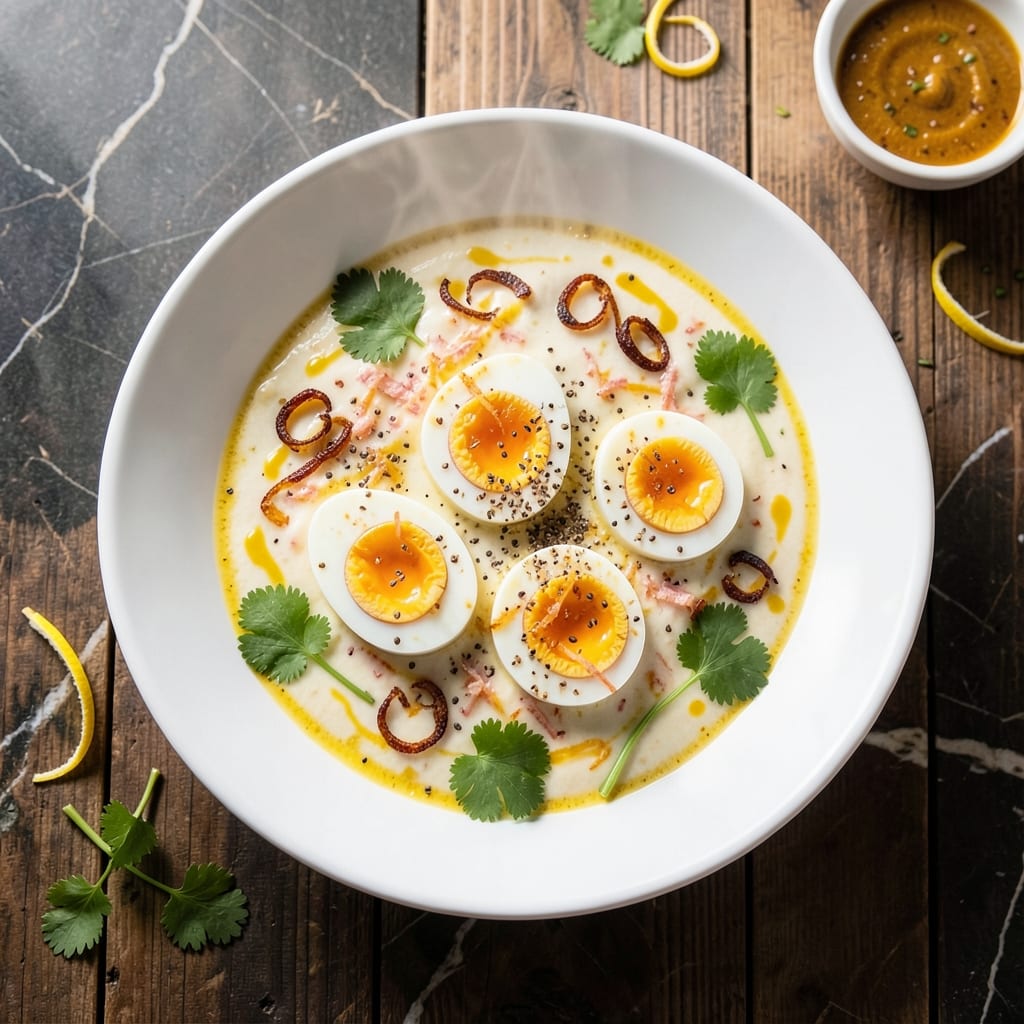
This Chinese egg curry recipe delivers restaurant-quality breakfast in just 20 minutes, blending fragrant coconut milk, golden turmeric, and tender scrambled eggs into a velvety, spiced masterpiece. The secret lies in balancing sweet coconut with earthy spices like cumin and coriander, creating a sauce that's both comforting and vibrant—perfect for weekdays or weekend brunch. I developed this version after testing countless adaptations, ensuring the eggs stay perfectly creamy while the curry develops rich, aromatic depth without overpowering the dish.
The magic happens in the sauce base, where toasted spices bloom in coconut milk before gently simmering with tomatoes and ginger. This method builds layers of flavor that transform simple eggs into something extraordinary—think of it as a cross between a creamy curry and a fluffy omelet, all in one bowl. The dish maintains its vegetarian roots while delivering the satisfying heartiness of a complete meal, making it ideal for those who crave bold flavors without heavy preparation.
What you'll end up with is a steaming bowl of golden curry with tender, perfectly set eggs suspended in a silky sauce that's fragrant with turmeric and warm with coconut. The aroma alone makes this dish irresistible, while the balance of textures—creamy sauce, soft eggs, and subtle crunch from fresh cilantro—creates an experience that feels both comforting and special. Serve it over steamed rice for the full Chinese breakfast experience, or enjoy it as-is for a quick yet satisfying meal.
This recipe works equally well for breakfast or lunch, and the leftovers reheat beautifully, making it perfect for meal prep. The technique is straightforward but yields professional results, proving that authentic Chinese flavors can be accessible even on busy mornings. Let's create this fragrant, coconut-infused curry that brings a taste of China to your breakfast table.
Ingredients for chinese egg curry
Fragrant coconut milk, vibrant turmeric, and tender eggs create this restaurant-quality breakfast masterpiece.
| Ingredient | Amount | Notes |
|---|---|---|
| Large Eggs 🥚 | 6 whole | Freshly beaten for creaminess |
| Extra-Virgin Coconut Milk 🥥 | 1 can | 13.5 oz can, full-fat preferred |
| Fresh Turmeric Root 🌿 | 1 inch | OR 1 tsp ground turmeric |
| Fresh Ginger Root 🌿 | 1 ½ inch | OR 1 tsp ground ginger |
| Ground Cumin 🌶️ | ½ tsp | Toasted for deeper aroma |
| Ground Coriander 🌿 | ½ tsp | Freshly ground preferred |
| Garlic Cloves 🧄 | 4 cloves | Minced for aromatic depth |
| Medium Tomatoes 🍅 | 2 whole | Ripe, diced for sauce base |
| Red Onion 🧅 | ½ whole | Finely diced for sweetness |
| Fresh Cilantro 🌿 | ¼ cup | Chopped for garnish |
| Vegetable Oil 🫒 | 2 tbsp | High smoke point preferred |
| Sea Salt 🧂 | ¾ tsp | Diamond Crystal preferred |
| Black Pepper 🌶️ | ¼ tsp | Freshly cracked for heat |
| Steamed White Rice 🍚 | 1 ½ cups | For serving as base |
The coconut milk is the heart of this dish—full-fat canned coconut milk delivers the richest texture and flavor. For the fresh turmeric and ginger, Asian grocery stores often carry the best quality, but any fresh root works if it's vibrant and firm. If using ground spices, Penzeys or Spicewalla brands offer superior quality. The garlic and onions should be finely minced for even distribution of flavor throughout the sauce. For the tomatoes, San Marzano canned tomatoes provide the best balance of sweetness and acidity without needing to peel or seed them.
No fresh turmeric or ginger? Ground turmeric and ginger work perfectly—just use half the amount by weight. Substitute the red onion with shallots for a milder flavor. The cilantro can be swapped for flat-leaf parsley if unavailable, though it won't be as authentic. For a quicker version, use canned diced tomatoes instead of fresh. The vegetable oil can be swapped for ghee or butter for added richness, though the dish remains vegetarian. If you prefer a spicier curry, add 1/4 tsp cayenne pepper with the other spices.
This curry reheats beautifully—simply warm on the stove with a splash of water or coconut milk to restore creaminess. Store leftovers in an airtight container in the refrigerator for up to 4 days. For longer storage, freeze portions for up to 3 months. The rice can be prepared ahead and reheated separately. To serve, spoon the curry over hot rice and garnish with fresh cilantro. The flavors actually deepen overnight, making this an ideal meal prep dish for busy mornings.
Why You'll Love This Recipe
- One-Pot Magic: I swear by this recipe when I’m too tired to wash extra bowls. The eggs poach right in the coconut milk, soaking up that golden turmeric and ginger heat—no separate boiling required. Just stir, simmer, and serve.
- Creamy Heat Fix: That first bite of perfectly set eggs in rich, spiced coconut milk? It’s the kind of comfort food that makes you pause mid-spoonful. The cumin and fresh ginger root give it a warm, earthy depth that’s addictive after just one taste.
- Leftover Goldmine: This curry actually tastes better the next day—yes, really. The eggs firm up just right, and the flavors meld into something even more complex. I make a double batch on Sundays because it’s my go-to for lazy lunches all week.
- Budget Bright Spot: Fresh turmeric and ginger might sound fancy, but a single root lasts forever, and eggs are one of the cheapest proteins out there. Coconut milk adds luxury without breaking the bank, and the spices? A tiny pinch goes a long way.
Step-by-step instructions for Chinese egg curry
Here's how to create a fragrant, velvety egg curry that delivers bold flavors in under 30 minutes.
Prepare the Spiced Coconut Base
In a medium saucepan, combine the 1 can extra-virgin coconut milk, 1-inch fresh turmeric root (peeled and grated), 1.5-inch fresh ginger root (peeled and grated), 0.5 teaspoon ground cumin, and 0.5 teaspoon ground coriander. Place over medium heat and bring to a gentle simmer, stirring constantly to prevent scorching.
Watch for the mixture to thicken slightly and develop an aromatic fragrance—this should take about 5 minutes. The turmeric will give the curry its signature golden hue, while the ginger and cumin create a warm, earthy foundation. If using ground spices instead of fresh roots, reduce simmering time to 3 minutes to avoid bitterness.
Build the Curry Sauce with Aromatics
Add 2 tablespoons vegetable oil to the pan and increase heat to medium-high. Once hot, add the 4 minced garlic cloves and 0.5 finely diced red onion. Sauté for 3-4 minutes until the onion softens and the garlic becomes fragrant but doesn't brown.
Stir in the 2 diced medium tomatoes and cook for another 5 minutes until they break down into a thick, jam-like consistency. This step deepens the sauce's complexity by concentrating the flavors. The tomatoes will release their juices, blending seamlessly with the coconut milk base.
Season and Incorporate the Eggs
Reduce heat to low and add 0.75 teaspoon sea salt and 0.25 teaspoon black pepper. Pour in the 6 beaten large eggs (pre-beaten for even cooking) while stirring gently with a spatula. The eggs should begin to curl and cook slowly in the sauce—this ensures they remain creamy rather than scrambled.
Cook for 4-5 minutes until the eggs are just set but still slightly runny in the center. The curry should have a thick, velvety texture with no visible liquid. If it's too thick, add 1-2 tablespoons water to loosen it. The eggs should be tender and fully incorporated into the sauce, not floating on top.
Garnish and Serve Immediately
Remove the pan from heat and stir in the 0.25 cup chopped fresh cilantro. The cilantro adds a bright, herbal contrast to the rich coconut and spiced flavors. Let the curry rest for 1 minute to allow the cilantro to infuse into the sauce.
Serve the curry immediately over 1.5 cups steamed white rice for a satisfying, aromatic meal. The rice acts as a neutral base that lets the curry's flavors shine. Each bite should deliver a balance of creamy coconut, spiced eggs, and fresh herbs—perfect for a quick yet flavorful breakfast or lunch.
Pro Tips For Making Chinese Egg Curry
- Cook Eggs Low and Slow: After cracking them into the simmering coconut milk, turn the heat down to a gentle bubble—like a lazy Sunday morning. High heat makes eggs rubbery, and this curry isn’t about speed; it’s about silky, custardy perfection. (Yes, even if you’re impatient like me.)
- Grate That Turmeric Fine: Skip the food processor for fresh turmeric—your fingers and a microplane work better. The finer the grind, the smoother the color and flavor infusion into the coconut milk. I learned this the hard way when my curry looked like it had a yellow bruise instead of a golden glow.
- Bloom Cumin in Oil: Toast the ground cumin in oil for 30 seconds until it smells like a spice market, not like dust. This step unlocks its earthy depth, which balances the coconut milk’s sweetness. (Your future self will notice the difference—trust me.)
- Reserve Some Coconut Cream: Strain the thick coconut cream through a fine-mesh sieve before adding it to the curry. This removes grit and makes the sauce velvety, not gritty. I skip this when I’m lazy, but the dish is noticeably better when I don’t. (Does it look weird? Yes. Does it work? Every single time.)
Perfect pairings for these flavors
Rice Pairings
Steamed jasmine rice is my go-to choice for this curry—its delicate floral notes complement the coconut and turmeric beautifully. Cook 1.5 cups uncooked jasmine rice with 2 cups water for a fluffy base that soaks up the rich sauce. For extra authenticity, try Chinese short-grain rice from an Asian market, which stays slightly sticky and enhances the dish's heartiness. 🍚
Vegetable Sides
Add a crisp, refreshing contrast with stir-fried bok choy—toss 2 cups baby bok choy with 1 tbsp sesame oil and 1 tsp soy sauce for 3 minutes on high heat. Alternatively, serve with steamed broccoli or sautéed green beans for a lighter option. The vegetables should be cooked just until tender-crisp to balance the creamy curry.
Beverage Pairings
A fragrant jasmine green tea cuts through the richness of the coconut curry while enhancing its floral notes. For something more substantial, try a lightly sweetened Chinese black tea like Lapsang Souchong. If you prefer coffee, a cold brew with a splash of coconut milk mirrors the dish's flavors beautifully. Avoid heavy, creamy drinks that compete with the curry's texture. ☕
Spicy Kick Options
For heat lovers, stir in 1-2 tbsp sambal oelek (adjust to taste) during the final minute of cooking. The fiery chili paste adds depth without overpowering the dish. Alternatively, top with red chili crisp or a sprinkle of crushed dried chilies for a smoky-spicy contrast. I like to serve these on the side so guests can customize their heat level. 🌶️
Garnish Finishes
Elevate the dish with a drizzle of toasted sesame oil and a sprinkle of crushed peanuts for texture. Fresh Thai basil leaves add an aromatic finish, while lime wedges brighten each bite. For a smoky touch, sprinkle with smoked paprika just before serving. These garnishes add visual appeal and extra layers of flavor. ✨
Meal Prep Add-Ons
Prep quick-pickled cucumbers to serve alongside—slice 1 cucumber into half-moons and toss with 1 tbsp rice vinegar, ½ tsp sugar, and ¼ tsp salt. Let sit for 10 minutes before serving. The tangy crunch balances the richness perfectly and keeps well for 3 days in the fridge. 🥒
Nutrition facts
Frequently asked questions
Can I make this Chinese egg curry without coconut milk?
Yes! For a lighter version, substitute 1 cup heavy cream or 1 cup Greek yogurt for the coconut milk. The sauce will be less rich but still flavorful. For a more authentic alternative, try 1/2 cup coconut milk + 1/2 cup water to maintain some creaminess while reducing fat content. The turmeric and spices will still shine through.
How do I prevent the eggs from getting rubbery?
Cook the eggs over low heat and stir gently to keep them creamy. Remove the pan from heat just before the eggs are fully set—they'll continue cooking from residual heat. Overcooking is the main culprit for rubbery eggs. Also, beat the eggs thoroughly before adding them to the sauce for even cooking.
What's the best way to reheat leftovers?
Reheat gently on the stove over low heat with 1-2 tablespoons water or coconut milk to restore creaminess. Stir constantly to prevent sticking. Microwave reheating works too—cover with a damp paper towel and heat for 30-second intervals, stirring between each. The sauce may thicken more after reheating, so add a splash of liquid if needed.
Can I add other vegetables to this curry? Try adding 1 cup diced bell peppers or zucchini with the onions for extra texture. For heartier versions, stir in 1/2 cup chopped spinach or kale during the last 2 minutes of cooking. Just
Why does my curry taste bland?
Most likely, the spices weren't toasted properly. Always toast whole spices (like cumin seeds) in a dry pan for 30 seconds before grinding, or use freshly ground spices. Also check your salt—Chinese dishes often need more than Western recipes. For extra depth, add 1/2 teaspoon fish sauce (if vegetarian, use soy sauce) or a pinch of sugar to balance flavors.