
Soups & Stews
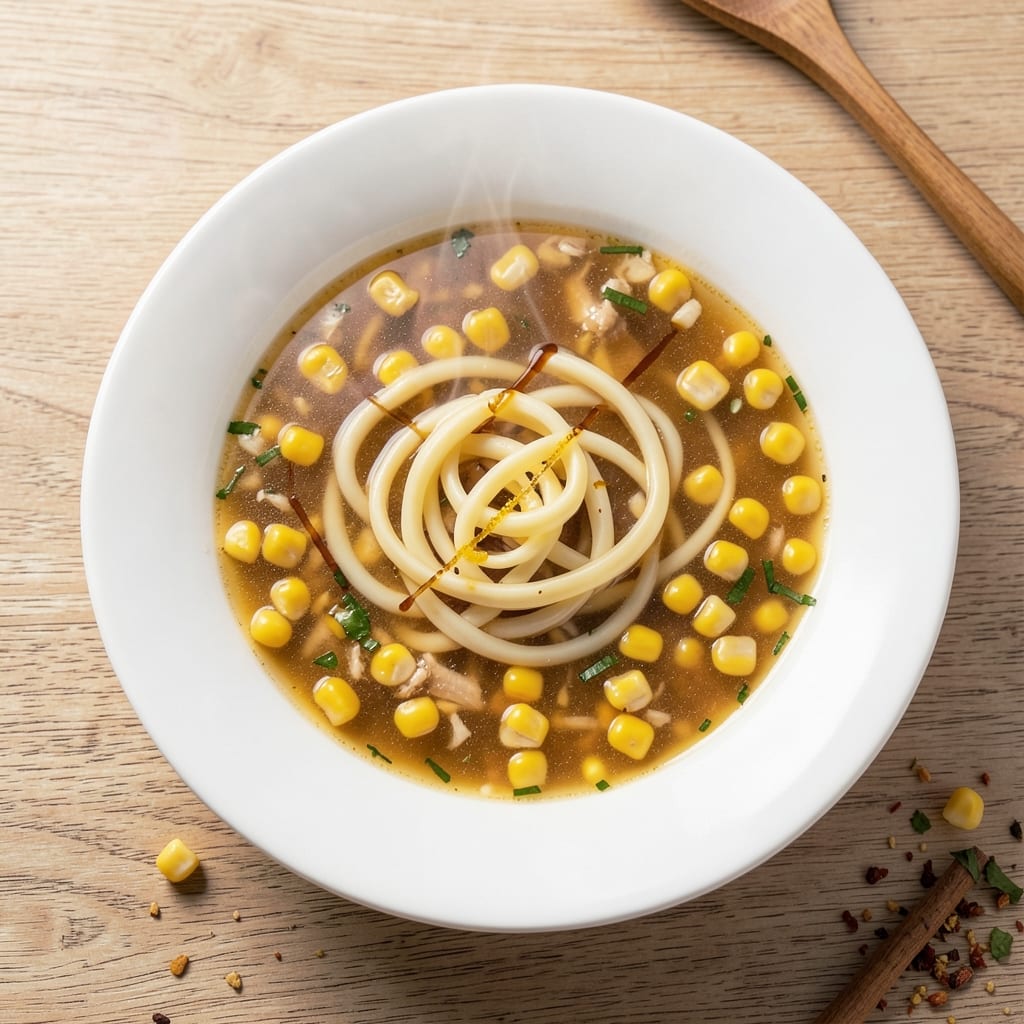
This Chinese corn egg drop soup recipe delivers the perfect balance of silky egg ribbons and fragrant ginger broth—comfort in every spoonful. 💛 The secret lies in the slow-simmered chicken stock infused with fresh ginger, garlic, and a touch of soy sauce, creating a flavorful base that transforms simple ingredients into something extraordinary. Unlike many versions, this recipe incorporates sweet corn kernels that add natural sweetness and texture, while the egg ribbons remain delicate and melt-in-your-mouth tender.
The beauty of this soup is its simplicity—just a handful of ingredients, but each plays a crucial role. The broth simmers gently to develop deep, aromatic flavors, while the egg drop technique ensures those signature ribbons form effortlessly. Scallions and sesame oil add freshness and depth, and optional garnishes like mushrooms or chili oil can customize the dish to your taste. It’s the kind of recipe that feels both nostalgic and refined, perfect for a cozy weeknight dinner or a light lunch.
What sets this apart is the harmony of flavors: the fragrant ginger broth provides warmth, the sweet corn adds a touch of brightness, and the silky egg ribbons tie everything together. The result is a soup that’s light yet satisfying, with every ingredient complementing the others without overpowering. Whether you’re serving it to family or enjoying it solo, this recipe promises a bowl of pure, comforting goodness that’s hard to resist.
Ready in just 30 minutes, this soup is a testament to how a few well-chosen ingredients can create something truly special. The slow simmering ensures the broth is rich and flavorful, while the egg drop technique guarantees those delicate ribbons that make this dish iconic. Serve it steaming hot, garnished with fresh scallions and a drizzle of sesame oil, and prepare to be transported to a bustling Chinese kitchen—one spoonful at a time.
Ingredients for chinese corn egg drop soup
Fragrant ginger broth meets delicate egg ribbons—just 13 ingredients for a restaurant-quality Chinese soup.
| Ingredient | Amount | Notes |
|---|---|---|
| Chicken Stock 🍗 | 4 cups | Homemade or high-quality store-bought |
| Fresh Ginger 🌿 | 1 tbsp | Finely grated, aromatic variety |
| Garlic Cloves 🧄 | 3 cloves | Minced, fresh preferred |
| Light Soy Sauce 🍶 | 1 tbsp | For umami depth |
| Sesame Oil 🫒 | 1 tsp | Toasted, for aroma |
| Large Eggs 🥚 | 4 whole | Fresh, cold for ribbons |
| Sweet Corn Kernels 🌽 | ½ cup | Fresh or frozen, thawed |
| Green Onions 🧅 | 3 whole | Thinly sliced, white and green |
| White Peppercorns 🌶️ | ¼ tsp | Freshly cracked |
| Salt 🧂 | ½ tsp | Diamond Crystal preferred |
| Cornstarch 🌾 | ½ tsp | For egg ribbon clarity |
| Dried Shiitake Mushrooms 🍄 | 2 whole | Optional, rehydrated |
| Chili Oil 🔥 | 1 tsp | Optional, for heat |
The chicken stock is the foundation—homemade is ideal, but high-quality store-bought like Pacific Foods or Kettle & Fire works beautifully. Fresh ginger should be aromatic and plump, not fibrous or shriveled. Look for organic varieties at Whole Foods or Asian markets for maximum flavor. The garlic cloves should be firm and unspoiled, with no green shoots or soft spots. For the corn, frozen works perfectly—just thaw and drain well. If using dried shiitake mushrooms, rehydrate in hot water for 20 minutes before adding to the broth.
No fresh ginger? Ground ginger at half the amount works in a pinch, but the flavor won't be as vibrant. Substitute light soy sauce with coconut aminos for a gluten-free option. For the egg ribbons, cornstarch slurry (mix cornstarch with 1 tbsp cold water) is key—it creates that signature clarity. If you're avoiding gluten, ensure your soy sauce is tamari-based. The sesame oil should be toasted, not flavored—it adds aroma without overpowering. For extra depth, consider adding a pinch of white miso paste to the broth alongside the soy sauce.
Store leftover broth in the fridge for up to 5 days—it only gets more flavorful. The egg ribbons are best made fresh, but you can pre-mix the broth ingredients and store them separately for 3 days before simmering. Garnishes like green onions and chili oil keep for 1 week in the fridge, while dried shiitake mushrooms last 6-12 months in a cool, dark place. For meal prep, assemble the soup just before serving to maintain the delicate texture of the egg ribbons—this soup truly shines when freshly made.
Why You'll Love This Recipe
- No-Chop Needed: I swear, the only prep is grating ginger and mincing garlic—both take less time than boiling water. That fragrant stock and sesame oil do all the heavy lifting while you’re stirring.
- Umami Bomb: The light soy sauce and ginger turn this into a flavor explosion—salty, fresh, and just a hint of heat. Honestly, the first sip makes me forget it’s "just" soup.
- Office Lunch Hero: Pack it cold or reheat it hot—this soup travels like a dream. Between us, it’s my go-to when I need something hearty but still light enough to not weigh me down by 3 PM.
- Pantry Staple Magic: Chicken stock, garlic, and soy sauce? You’re already halfway there. I’ve made this with leftover stock for days, and the sesame oil keeps it tasting fresh every time. Budget-friendly doesn’t get better.
Step-by-step instructions for silky egg ribbons in fragrant broth
Master this classic technique where cold eggs transform into delicate ribbons in your steaming broth.
🍳 Step 1: Build the Fragrant Ginger-Garlic Base
Heat a clean wok or soup pot over medium heat and add the 1 tablespoon sesame oil. Once shimmering, add the 1 tablespoon finely grated fresh ginger and 3 minced garlic cloves, stirring constantly for 30 seconds until fragrant but not browned.
This is where the foundation begins. You'll smell the aroma change from raw to toasted—this is your signal to add the 4 cups chicken stock and bring to a gentle simmer. I use medium heat to prevent boiling, which can make the egg ribbons tough. Add the 1 tablespoon light soy sauce and ½ teaspoon salt now while the broth is hot for even distribution.
🍳 Step 2: Prepare the Shiitake and Corn
While the broth simmers, rehydrate the 2 dried shiitake mushrooms in ½ cup hot water for 10 minutes if using. Drain and slice thinly. In the same pot, add the ½ cup sweet corn kernels and sliced shiitake, cooking for 2-3 minutes until the corn is heated through but still vibrant.
Here's the thing—don't overcook the vegetables. You want them to retain their texture and color. If you notice the broth is reducing too quickly, add ¼ cup hot water to maintain the proper consistency for the egg ribbons.
🍳 Step 3: Create the Cornstarch Egg Mixture
In a small bowl, whisk together the 4 cold large eggs, ½ teaspoon cornstarch, and ¼ teaspoon cracked white peppercorns until completely combined. The cornstarch is crucial—it creates that signature silky texture when the eggs hit the hot broth.
I always use cold eggs for this technique. The temperature contrast creates those beautiful, delicate ribbons rather than scrambled pieces. Keep this mixture covered until you're ready to add it to the broth.
🍳 Step 4: Form Perfect Egg Ribbons
Position your soup pot so it's not directly over the heat source. You want the broth to maintain a gentle simmer, not boil vigorously. Using a small ladle or pour spout, slowly drizzle the egg mixture into the broth in a steady stream while stirring continuously with chopsticks or a spoon.
This is the moment that matters: the egg should immediately form long, silky ribbons as it cooks in the hot broth. If you see the egg forming lumps, your broth isn't hot enough. Adjust the heat to maintain a gentle simmer—you're aiming for small bubbles breaking the surface, not a rolling boil.
🥘 Step 5: Finish and Serve
Once all the egg mixture is incorporated, add the 3 whole thinly sliced green onions and 1 teaspoon chili oil (if using). Let the soup simmer for another 1-2 minutes to meld all the flavors together. Taste and adjust seasoning if needed—you might need a touch more soy sauce for umami depth.
Serve immediately in deep bowls, garnished with additional green onion slices. The contrast of the hot broth against the cold egg ribbons creates the perfect texture experience. Each spoonful should deliver tender corn, earthy shiitake, and delicate egg ribbons in a fragrant ginger broth.
Pro Tips For Making Chinese Corn Egg Drop Soup
- Simmer Stock Low: Bring your chicken stock to a bare simmer—just small, gentle bubbles—before adding corn and eggs. I learned this the hard way when I rushed it and ended up with a soup that looked like a science experiment. Low heat keeps the stock clear and lets the corn cook through without turning mushy.
- Mince Ginger Fine: Use a microplane or knife to mince ginger into a paste, not just chop it. I was skeptical until I tried it—this releases the flavor and blends seamlessly into the stock without floating chunks. Skip the grating, though; you want texture, not pulp.
- Swirl Eggs Fast: Once the stock is hot, pour in the egg mixture in a thin, steady stream while stirring vigorously. The goal is to create ribbons, not scrambled bits. I used to pour too fast and wondered why my soup looked like a cloudy mess—this is the thing that matters most.
- Finish with Sesame Oil: Add sesame oil last, just before serving, and drizzle it lightly over the surface. This isn’t the time to go heavy—too much will overpower the soup’s delicate balance. A few drops (about ½ teaspoon) is all you need to wake up the flavors.
Troubleshooting this recipe
Broth Too Thin?
If your broth seems too thin after simmering, it’s likely because the heat was too high or the stock wasn’t reduced enough. To fix this, reduce the heat to low and let the broth simmer uncovered for 5-10 minutes—this will concentrate the flavors and thicken the consistency naturally. If you need a quicker fix, whisk 1 teaspoon cornstarch with 1 tablespoon cold water and stir it into the broth while simmering until slightly thickened. Just be careful not to overdo it, or the egg ribbons might turn out too dense. 🌡️
Eggs Forming Lumps
Lumpy egg ribbons usually mean the broth wasn’t hot enough or the eggs weren’t cold enough when added. First, ensure your broth is at a gentle simmer (small bubbles breaking the surface) before drizzling in the eggs. Also, always use cold eggs straight from the fridge—room-temperature eggs won’t create those delicate ribbons. If lumps still form, try lowering the heat even further and stirring more gently as you drizzle the egg mixture. Patience is key here! 🥚
Broth Too Salty
Over-salting is a common mistake, especially when using store-bought chicken stock. If your broth tastes too salty, don’t panic—you can dilute it by adding ½ cup hot water and adjusting the seasoning with a splash of light soy sauce or a pinch of white pepper. Alternatively, stir in 1 tablespoon cornstarch slurry to thicken the broth slightly, which can help balance the saltiness. Taste as you go, and remember: it’s easier to add more seasoning later than to fix an overly salty broth. 🧂
Corn Losing Color
If your corn kernels turn gray or mushy, it’s being overcooked. To prevent this, add the corn just 2-3 minutes before incorporating the egg ribbons. If you’re using frozen corn, thaw it thoroughly and drain well before adding—excess moisture can dilute the broth and make the corn soggy. For extra brightness, stir in ½ teaspoon rice vinegar with the corn to preserve its natural sweetness and color. 🌽
Egg Ribbons Too Thick
Thick, dense egg ribbons usually happen when the broth isn’t hot enough or the egg mixture is too concentrated. To fix this, ensure your broth is at a steady simmer (not a rolling boil) and stir continuously as you drizzle in the eggs. If the ribbons still turn out too thick, try thinning the egg mixture slightly by adding 1 teaspoon extra cold water before drizzling. Also, make sure your cornstarch is fully dissolved in the egg mixture—any clumps can make the ribbons uneven. 💫
Broth Too Strongly Flavored
If the ginger or garlic flavors are overpowering, it’s likely because they were cooked too long. To balance this, add the ginger and garlic just until fragrant (about 30 seconds) before pouring in the stock. If the broth still tastes too intense, dilute it with ¼ cup hot water or add a splash of rice vinegar to mellow the flavors. For future batches, reduce the ginger to ½ teaspoon or use ground ginger (½ teaspoon) for a milder taste. 🌿
Nutrition facts
Frequently asked questions
Why do the egg ribbons turn out lumpy?
Lumpy egg ribbons usually happen when the broth isn't hot enough or the eggs aren't cold enough. Always use cold eggs straight from the fridge and maintain a gentle simmer (small bubbles) before drizzling. If lumps still form, try lowering the heat even more and stirring continuously with chopsticks as you add the eggs. Patience is key to getting those perfect silky strands!
Can I make this soup vegetarian?
Replace the chicken stock with vegetable broth and swap the eggs for silken tofu or mushroom "eggs" (blended mushrooms with cornstarch). Use coconut aminos instead of soy sauce for umami depth. The corn and shiitake mushrooms will still provide great texture and flavor.
How long can I store the leftover broth?
The fragrant ginger broth stays delicious in the fridge for up to 5 days in an airtight container. For longer storage, freeze it for up to 3 months. The egg ribbons are best made fresh, but you can pre-mix the broth ingredients (without eggs) and store them separately for 3 days before simmering.
What's the secret to making the broth more flavorful?
For deeper flavor, simmer the broth longer (up to 20 minutes) to concentrate the ginger and garlic aromas. Add a pinch of white miso paste with the soy sauce or include dried shiitake mushrooms in the broth. For extra richness, stir in 1 tablespoon toasted sesame paste at the end. The key is patience—let the flavors meld gradually.
Can I use canned corn instead of fresh?
Yes, but drain and rinse canned corn thoroughly to remove excess liquid. For best results, use frozen corn (thawed and drained) as it retains more natural sweetness. If using canned, stir in ½ teaspoon rice vinegar with the corn to brighten its color and preserve texture. Avoid overcooking—add corn just 2-3 minutes before serving.