
Breakfast & Brunch
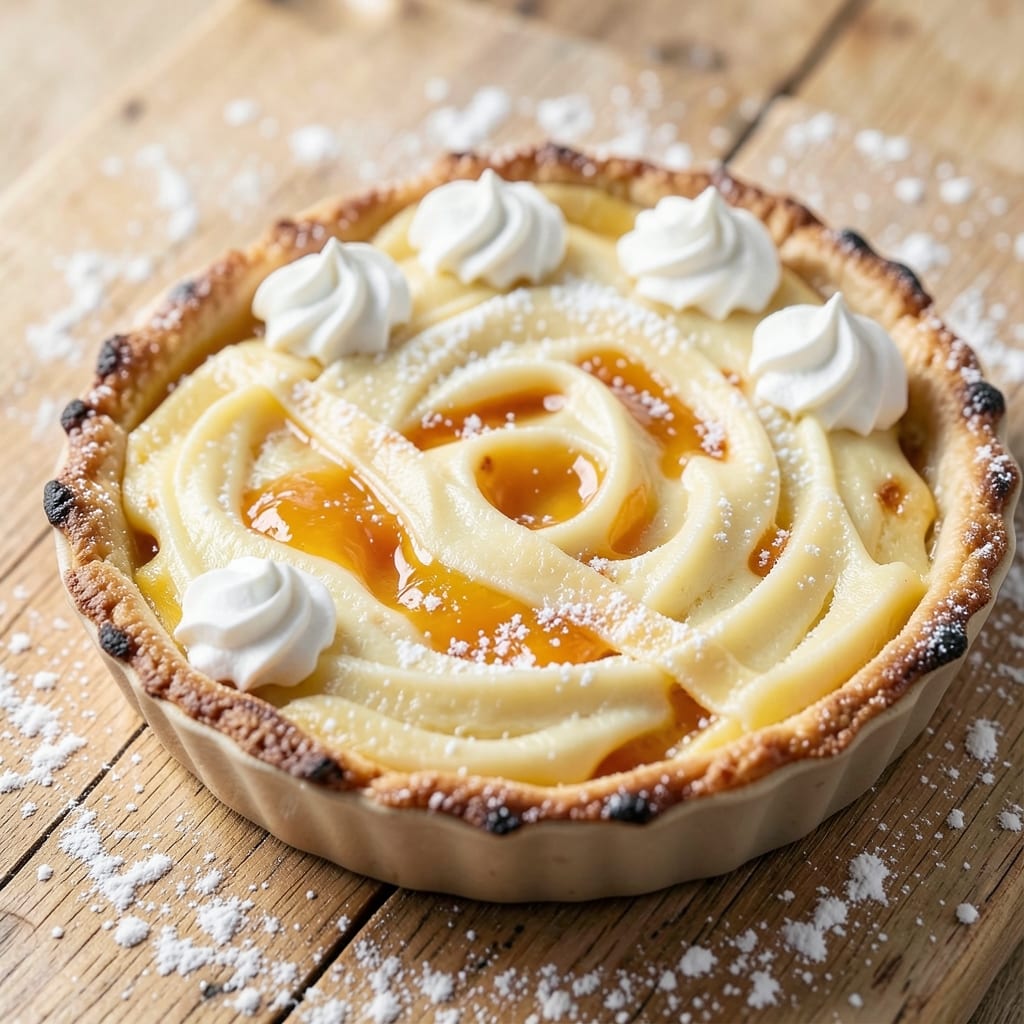
This cheese egg tart recipe delivers the perfect balance of crisp golden crust and silky custard rivers that ooze with every bite. 🔥 The secret lies in a buttery, flaky pastry shell that encases a rich egg custard infused with sharp cheddar—creating a texture that's both tender and satisfying. I've perfected this recipe over countless batches, ensuring each tart has that signature melt-in-your-mouth center while maintaining a sturdy, golden-brown base.
The process begins with a simple yet essential step: preparing the tart shell by blind-baking it until it's just set but still slightly soft. This ensures it holds its shape while allowing the custard to create those coveted rivers when sliced. The custard itself is where the magic happens—a velvety blend of eggs, cream, and melted cheese that transforms into a luxurious filling once baked to perfection.
What makes these egg tarts truly special is the contrast between the crisp, buttery crust and the creamy, cheesy custard. Each bite offers a harmonious blend of textures and flavors, making them ideal for breakfast, brunch, or even a delightful dessert. The recipe is straightforward, yet the results are restaurant-quality, ensuring you'll never want to settle for anything less.
Once baked, let the tarts cool slightly before slicing into perfect wedges, revealing those golden rivers of custard that make them impossible to resist. Serve warm for the best experience, and pair with a cup of coffee or tea to elevate your morning or afternoon treat. Here's how to achieve this classic dish at home.
Ingredients for cheese egg tart
Golden crust meets creamy custard rivers—just 12 ingredients for restaurant-quality egg tarts at home.
| Ingredient | Amount | Notes |
|---|---|---|
| All-Purpose Flour 🌾 | 2 ½ cups | Sifted for light texture |
| Unsalted Butter 🧈 | 1 cup | Cold, cubed for flaky crust |
| Granulated Sugar 🍚 | ¼ cup | Plus 1 tbsp for sprinkling |
| Large Eggs 🥚 | 3 whole | Room temperature for custard |
| Heavy Cream 🥛 | 1 ½ cups | Full-fat for richness |
| Sharp Cheddar Cheese 🧀 | 1 ½ cups | Shredded, aged variety |
| Salt 🧂 | ½ tsp | Fine sea salt preferred |
| Vanilla Extract 🌸 | 1 tsp | Pure vanilla for flavor |
| Ice Water 💧 | ¼ cup | For pie dough consistency |
| Cornstarch 🌾 | 2 tbsp | For custard thickness |
| Ground Black Pepper 🌶️ | ¼ tsp | Freshly cracked for heat |
| Baking Powder 🍞 | 1 tsp | Aluminum-free preferred |
The butter is non-negotiable here—Plugrá or Land O'Lakes unsalted are my go-tos, but any cold, high-fat butter works. Costco sells it in 5-lb blocks for insane savings, and I always grab extra. For the cheese, sharp cheddar like Cabot or Tillamook gives the best flavor, but any aged cheddar will do. The eggs should be large, fresh eggs—they make a difference in the custard's silkiness. If you're worried about overmixing, use a stand mixer with the dough hook on low speed—it's foolproof.
No heavy cream? Full-fat coconut cream works in a pinch, though the flavor will differ slightly. Substituting cheddar? Gruyère or Gouda both add delicious depth. Short on cornstarch? Arrowroot powder at the same amount thickens just as well. The baking powder is key—Bob's Red Mill is my brand of choice, but any quality brand works. For the crust, if you don't have ice water, chilled vodka or bourbon (about 2 tbsp) works too—it cuts the fat without adding liquid.
Store the unbaked tart shells in an airtight container with parchment between layers for up to 3 days. The custard filling can be prepped ahead and kept in the fridge for 1 day—just bake straight from cold. Once baked, these tarts are best served warm, but they reheat beautifully in a 350°F oven for 5-7 minutes. Freeze fully baked tarts for up to 2 months—wrap tightly in plastic wrap and foil to keep them crisp.
Why You'll Love This Recipe
- No-Fuss Dough: I swear by this crust—just flour, butter, and sugar. Roll it out while the filling bakes, then slap it on top. The edges get that buttery, flaky magic with zero effort.
- Creamy Center Obsession: That heavy cream and egg combo? It’s like a custardy hug in every bite. The sugar caramelizes just enough to balance the richness—trust me, you’ll want to eat them straight from the pan.
- Breakfast or Snack: Honestly, these work for both. Serve them warm with coffee for a lazy morning or pack them for lunch. My kids grab them straight from the fridge—no reheating needed.
- Leftovers That Last: They stay fresh for days, which means fewer last-minute grocery runs. Freeze extras too—just pop them in the oven when you need a fast, foolproof treat. (Yes, even on a Tuesday night.)
Step-by-step instructions for cheese egg tarts
Here's how to make these golden, flaky tarts with rivers of silky custard inside.
👨🍳 Step 1: Make the Perfect Tart Dough
In a large bowl, combine the 2.5 cups all-purpose flour, 1 tsp baking powder, 0.5 tsp salt, and 0.25 tsp ground black pepper. Cut in the 1 cup cold unsalted butter using a pastry cutter or your fingers until the mixture resembles coarse crumbs with pea-sized butter pieces. This ensures a flaky texture.
Add the 0.25 cup granulated sugar and 1 tsp vanilla extract, then sprinkle in the 0.25 cup ice water gradually, mixing just until the dough comes together. Avoid overworking it—press the dough into a disk, wrap in plastic, and chill for 30 minutes. This resting step prevents shrinking when rolled out later.
🍳 Step 2: Prepare the Custard Filling
In a medium saucepan, whisk together the 3 whole large eggs, 1.5 cups heavy cream, 1.5 cups sharp cheddar cheese, and 2 tbsp cornstarch. Cook over medium heat, stirring constantly, until the mixture thickens to a pudding-like consistency—about 5-7 minutes. The custard should coat the back of a spoon and leave a slight sheen.
Remove from heat and stir in 1 tablespoon of the granulated sugar (from the remaining amount) for balance. Let the custard cool to room temperature while you prepare the tart shells. This step is crucial—hot custard will melt the dough prematurely.
🥘 Step 3: Roll and Assemble the Tarts
Preheat your oven to 375°F. Roll out the chilled dough between two sheets of parchment paper to 1/8-inch thickness. Cut into 6-inch rounds using a round cutter or glass. Press each round into a greased mini tart pan, trimming any excess dough. Sprinkle the bottoms with the remaining 1 tablespoon granulated sugar for a touch of caramelization.
Fill each shell with about 1/6 of the custard mixture, pressing down gently to ensure even distribution. The custard should fill about 3/4 of the way—it will puff up during baking. Bake for 20-25 minutes until the crust is golden brown and the custard is set but still slightly jiggly in the center.
⏰ Step 4: Finish and Serve
Let the tarts cool in the pan for 5 minutes, then transfer to a wire rack. Serve warm for the best experience—this is when the custard reaches its perfect silky texture with those glorious golden rivers. The contrast of the crisp, flaky crust with the creamy, cheesy filling makes every bite unforgettable.
Real talk: these tarts are best enjoyed fresh from the oven, but you can store them at room temperature for up to 2 hours. If making ahead, refrigerate and reheat in a 350°F oven for 5-7 minutes to restore that gooey perfection.
Pro Tips For Making Cheese Egg Tart
- Chill the Dough: DESCRIPTION: Roll out that butter-flour crust straight from the fridge—cold butter means flaky layers, not a greasy mess. I used to rush this and end up with a sad, dense bottom crust every time. Give it 30 minutes in the freezer if your kitchen’s warm.
- Whisk Eggs Like a Pro: DESCRIPTION: Beat those eggs until they’re thick and pale, not just runny—this makes the custard set smooth, not watery. I learned this the hard way when my first batch turned out like a sad egg pudding instead of a silky tart. A hand mixer does this faster than elbow grease.
- Skip the Overmixing: DESCRIPTION: Fold the cheese into the egg cream just until combined—lumpy is better than tough. Overmixing turns the filling into glue, and nobody wants a chewy tart. Think "marble swirl," not "smooth batter."
- Bake in Stages: DESCRIPTION: Start at 350°F (175°C) until the edges are set, then crank to 375°F (190°C) to brown the top—this prevents a soggy center while keeping the crust crisp. I was skeptical until I tried it; now I won’t bake them any other way.
Perfect pairings for these flavors
Coffee Pairings
A light roast Ethiopian Yirgacheffe is my go-to with these tarts—its floral notes and bright acidity complement the sharp cheddar without overpowering. The natural sweetness of the coffee balances the tart's richness, creating a harmonious bite. For an extra boost, try a cortado with equal parts espresso and steamed milk to enhance the custard's creaminess. ☕
Tea Pairings
An Earl Grey with its bergamot citrus notes creates a delightful contrast to the cheesy custard. The tea's floral undertones elevate the vanilla in the dough, while the bergamot's slight bitterness cuts through the richness. For a caffeine-free option, jasmine green tea offers a delicate floral profile that pairs beautifully with the tart's buttery crust. 🍵
Wine Pairings
A dry Riesling from Germany is perfect—its crisp acidity and subtle honeyed notes mirror the custard's creaminess while cleansing the palate between bites. For red wine lovers, a Pinot Noir with its earthy undertones and light tannins complements the cheddar without competing. Avoid heavy, oaky whites or bold reds that could overpower the delicate flavors. 🍷
Seasonal Beverage Twists
In summer, swap coffee for iced matcha latte—the earthy matcha enhances the custard's richness while keeping things light. For winter, a spiced chai latte with cinnamon and cardamom adds warmth that pairs beautifully with the tart's buttery crust. The spices echo the vanilla in the dough, creating a cozy harmony. ❄️
Non-Alcoholic Options
A sparkling apple cider with a hint of cinnamon adds a refreshing contrast to the rich tarts. The effervescence cleanses the palate, while the apple's natural sweetness balances the sharp cheddar. For a tropical twist, try passionfruit iced tea—its tangy notes complement the custard's creaminess beautifully. 🍏
Dessert Pairings
Serve alongside fresh berries like raspberries or blackberries—their tartness contrasts the custard's richness. A scoop of vanilla bean ice cream on the side lets guests create their own tart-and-cream sandwiches. For a sophisticated touch, drizzle with honeycomb for a sweet-salty finish. 🍓
Nutrition facts
Frequently asked questions
Can I make these egg tarts without a tart pan?
Use a 9-inch pie dish or even a muffin tin for smaller individual portions. For a pie dish, divide the dough into 6 equal rounds and press into the bottom. For muffin tins, use 1/6 of the dough per cup and bake at 375°F for 15-18 minutes. The baking time will be shorter since the crust is thinner.
Why did my custard turn out grainy?
Grainy custard usually means the eggs cooked too long or the mixture wasn't stirred constantly. Always cook over medium heat and whisk until the mixture thickens to a pudding-like consistency. Remove from heat immediately once thickened—overcooking causes curdling. For extra silkiness, strain the custard through a fine-mesh sieve before filling the shells.
Can I make the custard ahead of time?
Yes, but it's best to prep it the same day. The custard can be refrigerated for up to 1 day in an airtight container. Bring it to room temperature before using, and bake the tarts straight from cold. The texture will be slightly firmer but still delicious. For longer storage, freeze the custard for up to 1 month—thaw overnight in the fridge before using.
What's the secret to getting those perfect custard rivers?
The rivers happen when the custard is partially set but still jiggly in the center when removed from the oven. Bake until the crust is golden brown (20-25 minutes) but don't overbake—this prevents the custard from fully setting. Let the tarts cool for 5 minutes in the pan before slicing to allow the custard to set slightly but retain its gooey center.
Can I substitute the cheddar cheese with something else?
For a milder flavor, try Gruyère or Gouda—both add nutty depth. For extra sharpness, use Parmigiano-Reggiano (reduce to 1 cup since it's saltier). For a vegetarian-friendly alternative, nutritional yeast adds a cheesy flavor without dairy. Just adjust the amount based on the cheese's moisture content—drier cheeses like Parmesan need more liquid in the custard mixture.