
Breakfast & Brunch
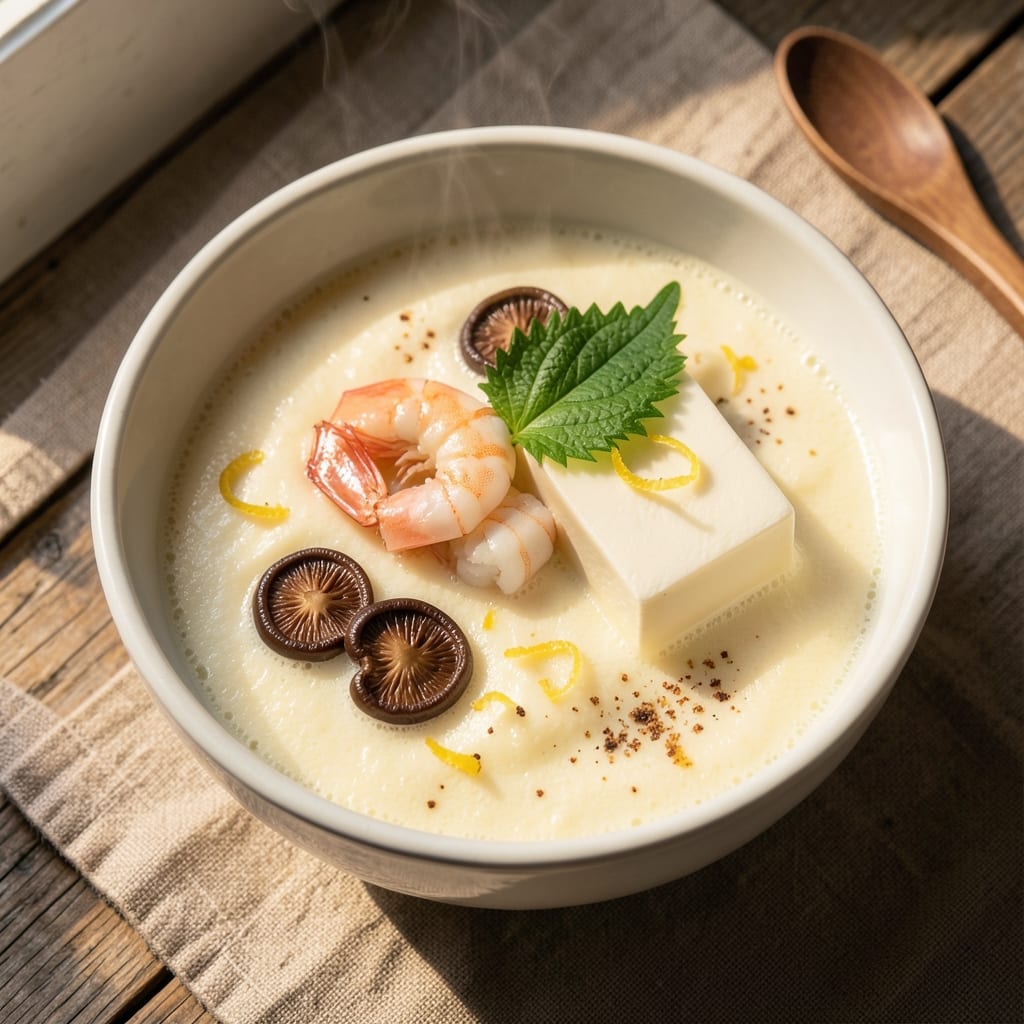
Mastering chawanmushi starts with the water-to-egg ratio—this delicate Japanese custard demands precision for its signature silky broth and tender fillings. A perfect balance of 1:1 ratio (water to eggs) transforms simple ingredients into a restaurant-worthy dish with a velvety texture that melts on your tongue. The secret lies in understanding how this ratio interacts with dashi broth and delicate fillings like shrimp, mushrooms, and tofu to create a harmonious bite every time.
What sets chawanmushi apart is its gentle steaming process, which preserves the custard's smooth, jiggly consistency while cooking fillings to perfect doneness. Unlike traditional custards, this dish relies on the water's evaporation during steaming to achieve its signature wobble—too much water and it becomes soupy; too little and the texture turns rubbery. The key is patience in both preparation and steaming, ensuring each component reaches its ideal state simultaneously.
Once steamed to perfection, chawanmushi reveals its true magic—a creamy, slightly translucent custard that encases tender shrimp, earthy mushrooms, and delicate tofu in every bite. The dish is traditionally served with grated ginger and soy sauce for dipping, adding a bright contrast to the custard's subtle sweetness. This recipe delivers restaurant-quality results at home with just a few simple ingredients and careful technique.
Perfect for breakfast or light lunches, chawanmushi's delicate balance of textures and flavors makes it a standout dish. Whether you're preparing it for a special occasion or a quiet weeknight meal, the attention to the water-to-egg ratio ensures every serving is flawlessly smooth and deeply satisfying. Let's create this Japanese classic together.
Ingredients for chawanmushi recipe water to egg ratio
Four eggs and four tablespoons of water unlock chawanmushi's signature silky texture—this ratio transforms simple ingredients into restaurant-quality custard.
| Ingredient | Amount | Notes |
|---|---|---|
| Large Eggs 🥚 | 4 whole | Freshly laid preferred for silkiness |
| Water 💧 | 4 tbsp | Room temperature for even blending |
| Dashi Broth 🍲 | 1 ½ cups | Homemade or quality instant (Hondashi) |
| Shrimp 🦐 | ½ lb | Peeled, deveined, head-on preferred |
| Shiitake Mushrooms 🍄 | 4 whole | Fresh, stems removed, sliced thin |
| Silken Tofu 🧀 | 6 oz | Firm, not extra-firm, cubed |
| Soy Sauce 🍶 | 1 tbsp | For dipping, use light variety |
| Mirin 🍶 | 1 tbsp | Sweet cooking rice wine |
| Fresh Ginger 🧡 | 1 tbsp | Finely grated, for garnish |
| Kuzu Powder 🌾 | ½ tsp | Kantō-style preferred for clarity |
| Vegetable Oil 🫒 | 1 tbsp | For greasing ramekins |
| Diamond Crystal Kosher Salt 🧂 | ¼ tsp | For seasoning broth |
The eggs are non-negotiable—fresh, room-temperature eggs blend smoother and create that signature velvety texture. Pasture-raised from Trader Joe's or your local farm market deliver the best results, but any good-quality eggs work. The water-to-egg ratio is sacred here: 1:1 by volume (4 tbsp water per 4 eggs) ensures proper evaporation during steaming. For dashi broth, Hondashi instant is a game-changer if you're short on time, but homemade kombu-bonito dashi elevates the dish to Michelin-star level. The shrimp should be head-on—the shells infuse incredible umami into the broth, but peeled shrimp works in a pinch.
No dashi on hand? Vegetable broth with a dash of soy sauce mimics the flavor profile surprisingly well. Can't find kuzu powder? Cornstarch at half the amount works as a thickener, though it won't give the same glossy finish. Fresh shiitake mushrooms are ideal, but cremini mushrooms in a bind deliver similar earthiness. The silken tofu should be firm but still tender—cut it into small cubes so they cook through without turning rubbery. For the ginger, freshly grated adds bright zing, but if you're using dried, reduce to one-third the amount and toast it lightly first for depth of flavor.
This custard is all about timing—prepare everything ahead so you can steam it immediately. The filled ramekins keep 2 days in the fridge, but the texture softens slightly with each passing day. For best results, steam and serve immediately—the custard's magic lies in its freshly steamed wobble. Leftovers reheat beautifully in the microwave (just 30 seconds on high) but lose that signature jiggle. Store the dashi broth separately and reheat gently before adding to cold custard if you're reviving leftovers. The grated ginger garnish should be added right before serving to preserve its fresh, bright flavor.
Why You'll Love This Recipe
- I swear by this 3: 1 water-to-egg ratio—just crack, whisk, and steam. No measuring cups, no guesswork, and the custard turns out silky every single time.
- No-Fuss Ratio: I swear by this 3:1 water-to-egg ratio—just crack, whisk, and steam. No measuring cups, no guesswork, and the custard turns out silky every single time.
- Umami Bomb: That dashi broth? It’s the secret weapon. Pair it with shrimp and shiitake, and you’ve got a flavor punch that makes store-bought soups look sad.
- Weeknight Hero: Steam it, slice it, serve it—done in under 40 minutes. Perfect for when you’re starving but don’t want to slave over the stove.
Step-by-step instructions for silky chawanmushi
Mastering the water-to-egg ratio transforms ordinary custard into restaurant-quality chawanmushi.
Whisk Eggs and Water to Perfect Emulsion
In a heatproof bowl, combine the 4 whole large eggs and 4 tablespoons room-temperature water. Use a whisk to beat vigorously for 3-4 minutes until the mixture becomes pale yellow and completely homogeneous. This step is critical—the water-to-egg ratio of 1:1 by volume creates the ideal balance for silky texture without curdling.
I like to dip my finger in the mixture—it should glide smoothly without any graininess. If you see any streaks of white, keep whisking. The eggs should triple in volume from the incorporated air, which prevents a dense, rubbery texture later. This emulsion is the foundation of your chawanmushi's velvety mouthfeel.
Season the Broth and Prepare Ingredients
In a separate bowl, combine the 1.5 cups dashi broth with 1 tablespoon mirin, 1 tablespoon soy sauce, and 0.25 teaspoon Diamond Crystal kosher salt. Warm this mixture gently until just steaming—no boiling—then set aside. Meanwhile, prepare your fillings: slice the 4 whole shiitake mushrooms thinly, cube the 6 ounces silken tofu, and peel the 0.5 pound shrimp (keeping the heads for extra flavor if desired).
Grate the 1 tablespoon fresh ginger finely—this adds brightness without overpowering. The broth should smell aromatic and slightly sweet from the mirin. If you're using head-on shrimp, crush the heads lightly to release their flavor into the broth. This pre-seasoning ensures every bite of your chawanmushi carries depth.
Assemble and Steam with Precision
Grease four 4-ounce ramekins with 1 tablespoon vegetable oil (just enough to coat the bottom). Divide the egg mixture evenly among them, then arrange the shrimp, mushrooms, and tofu cubes in each ramekin. The fillings should be submerged but not packed tightly—this allows the custard to envelop them perfectly.
Place the ramekins in a steamer basket over 1 inch of simmering water. The water should not touch the ramekins—this prevents the custard from absorbing moisture and becoming watery. Cover with a tight lid and steam over medium-high heat for 12-15 minutes. The custard is done when the edges pull away slightly from the ramekin sides and the center still jiggles gently like gelatin.
Finish with Kuzu Powder for Clarity
While the chawanmushi steams, dissolve the 0.5 teaspoon kuzu powder in 2 tablespoons cold water until smooth. Once the ramekins are removed from the steamer, carefully pour this mixture over the surface of each custard. The kuzu creates a delicate, translucent skin that enhances the visual appeal while adding subtle body.
Let the chawanmushi rest for 5 minutes before serving. This resting period allows the custard to set slightly, making it easier to invert onto plates. The shrimp should be just opaque, the mushrooms tender yet still holding their shape, and the tofu silky. Serve immediately with the soy sauce for dipping—its umami cuts through the custard's richness.
Garnish and Serve with Confidence
Sprinkle each serving with a pinch of the grated fresh ginger and a drizzle of soy sauce for color and flavor contrast. The custard should have a glossy, jelly-like sheen with no visible water separation—a sign of perfect water-to-egg balance. Cut each portion diagonally to showcase the beautifully arranged fillings.
Here's the thing—chawanmushi tastes best when served immediately, but if you must prepare ahead, steam for 10 minutes, cool quickly in an ice bath, then refrigerate. Reheat gently in a 160°F water bath for 8-10 minutes until warm through. The texture will be slightly firmer but still luxurious. This dish is all about precision, but once you nail the ratio, it becomes second nature.
Pro Tips For Making Chawanmushi Recipe Water To Egg Ratio
- Whisk eggs until ribbon stage: Stop when the egg mixture holds a clear, slow-moving ribbon when you lift the whisk—this ensures a silky texture. I learned this the hard way after making a batch that turned out gummy because I rushed it. The dashi broth will thin things out, but don’t skip this step.
- Prep shrimp last minute: Keep shrimp raw and cold until the very last second before folding them into the egg mixture. They’ll cook faster than the mushrooms and eggs, so adding them too early turns them rubbery. I used to add them all at once, and it ruined the texture every time.
- Use 1:2 egg-to-liquid ratio: For 4 large eggs, mix them with 800ml total liquid (water + dashi, roughly 3:1 water to dashi). Too much liquid makes it watery; too little makes it dense. I measured this out after my first batch split unevenly—now I never guess.
- Simmer at 80°C (176°F): Keep the water bath just below a gentle simmer—any hotter and the eggs will set too fast on the edges. I used to crank the heat, and the top would cook while the center stayed runny. A thermometer helps, but even a visual check for tiny bubbles is enough.
Perfect pairings for this recipe
Traditional Dipping Sauces
Start with light soy sauce—the classic choice for chawanmushi—mixed with a splash of mirin for subtle sweetness. Warm 2 tablespoons soy sauce with 1 teaspoon mirin and a pinch of grated ginger until fragrant. This balance enhances the custard’s delicate flavors without overpowering. For extra depth, add a drop of sesame oil—just ¼ teaspoon—right before serving. 🍶
Japanese Tea Pairings
Match chawanmushi’s gentle umami with sencha or genmaicha—both teas complement the dish’s silkiness. A slightly chilled cup of sencha (steeped for 2 minutes) cleanses the palate between bites, while genmaicha’s toasty notes mirror the custard’s warmth. Avoid strong matcha, which can compete with the dish’s delicate profile. I like to serve tea in small kyusu pots for an authentic touch. 🍵
Seasonal Vegetable Sides
Spring brings blanched bok choy with a sprinkle of toasted sesame seeds—its crisp texture contrasts the custard’s softness. For summer, serve cucumber slices drizzled with rice vinegar and a pinch of salt. In fall, roasted shimeji mushrooms with a drizzle of yuzu kosho add earthy depth. Each side should be lightly seasoned to let the chawanmushi shine. 🥬
Rice and Noodle Complements
Pair chawanmushi with steamed Japanese short-grain rice—its sticky texture soaks up any stray custard beautifully. For a heartier meal, serve with udon noodles tossed in a light ponzu sauce (mix 2 tablespoons ponzu with 1 tablespoon mirin). The noodles’ chewiness balances the custard’s smoothness, creating a satisfying contrast. 🍜
Modern Fusion Twists
Add a spicy kick with yuzu kosho or sriracha-infused soy sauce for dipping—just ½ teaspoon sriracha mixed into the soy sauce. For a creamy contrast, serve with wasabi mashed potatoes (mix 1 cup mashed potatoes with 1 teaspoon wasabi paste). These twists keep the dish’s elegance while adding unexpected layers of flavor. 🌶️
Nutrition facts
Frequently asked questions
Why does chawanmushi need a 1:1 water-to-egg ratio?
The 1:1 ratio (4 tbsp water to 4 eggs) creates the perfect balance for silky texture through controlled evaporation during steaming. Too much water makes the custard watery, while too little risks a rubbery finish. This ratio ensures the custard sets gently while maintaining its signature wobble.
Can I substitute water with dashi broth in the egg mixture?
No, use only water in the egg mixture—the dashi broth should be added separately when seasoning the fillings. Mixing broth with eggs can cause curdling and disrupt the delicate custard texture. The water-to-egg ratio must remain precise for that signature silkiness.
What happens if I over-whisk the egg mixture?
Over-whisking incorporates too much air, which can cause the custard to collapse during steaming or develop large bubbles. Whisk just until the mixture is pale yellow and smooth (3-4 minutes). The goal is a fine emulsion, not stiff peaks.
How do I fix a watery chawanmushi?
Watery texture usually means too much liquid or under-steaming. For immediate fixes, chill the ramekins in an ice bath for 10 minutes to firm up, then reheat gently in a 160°F water bath. For future attempts, reduce water by 1 teaspoon or steam 1-2 minutes longer.
Can I make chawanmushi without kuzu powder?
Yes! Replace kuzu with ½ teaspoon cornstarch dissolved in 2 tbsp cold water. While it won't give the same glossy finish, it still adds subtle body. For a more traditional look, use agar powder (⅛ tsp) instead. The texture will be slightly firmer but still delicious.