
Breakfast & Brunch
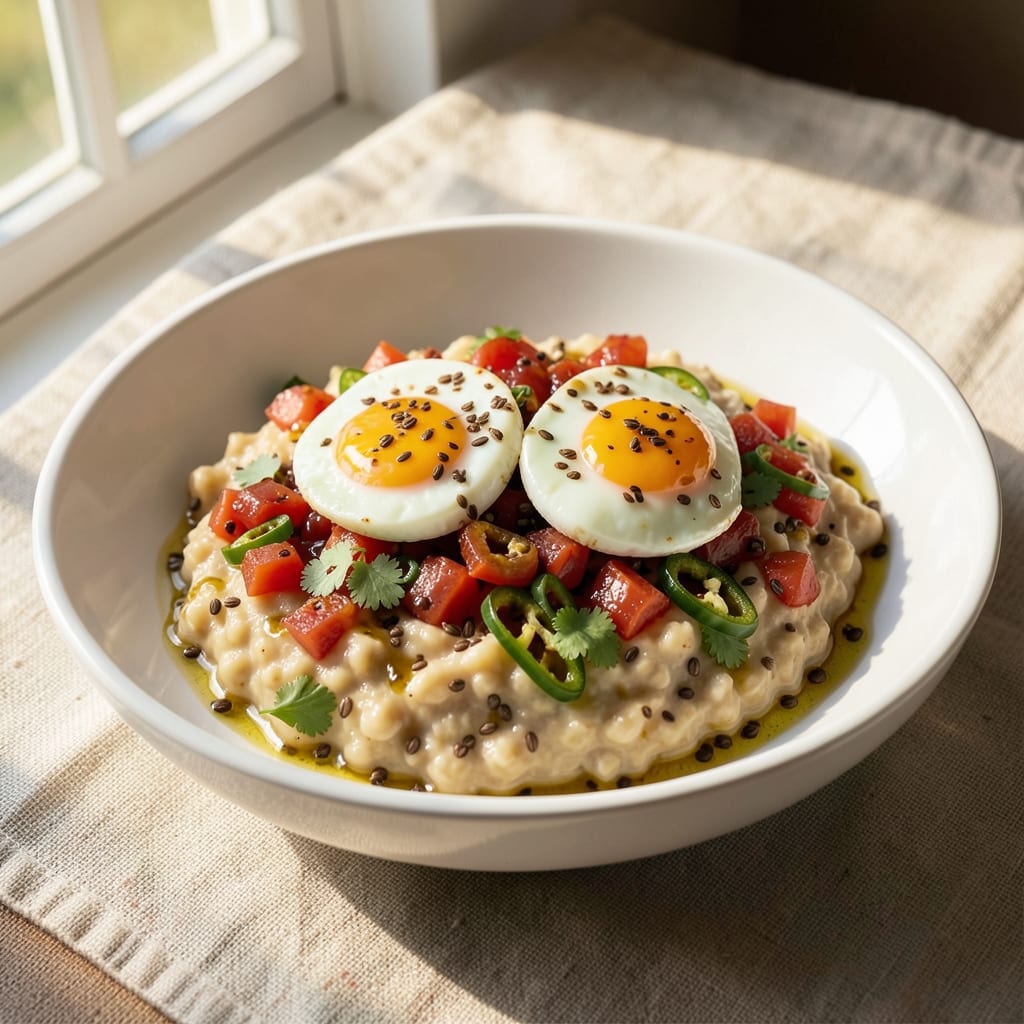
This Chana Dal Egg Tadka recipe transforms simple lentils and eggs into a fragrant, protein-packed breakfast that balances creamy texture with bold, toasted spices. The secret lies in the tadka—slow-frying whole spices in ghee until they release their aromatic oils, which infuse every bite with warmth. I developed this after years of experimenting with Indian home-style breakfasts, where the contrast between soft eggs and spiced lentils creates perfect harmony. What sets this dish apart is the technique: simmering chana dal until tender yet firm, then finishing it with a vibrant tempering of cumin, mustard seeds, and curry leaves. The eggs—scrambled or boiled—are folded in just before serving to maintain their texture while absorbing the spiced dal’s richness. Each spoonful delivers layers of flavor: earthy lentils, nutty spices, and the delicate creaminess of eggs, all coming together in under 30 minutes. The result is a dish that’s both comforting and restaurant-worthy, perfect for breakfast or a light lunch. Serve it with warm rotis, fluffy jeera rice, or a simple cucumber-onion salad to balance the richness. The aroma alone—spices sizzling in ghee, lentils simmering—will have everyone at the table anticipating the first bite. For those new to Indian cooking, don’t skip the tempering step; it’s the soul of the dish. Let the spices bloom in hot ghee for at least 2 minutes before adding them to the dal. The patience pays off in complex, toasty flavors that elevate this humble combination into something extraordinary.
Ingredients for chana dal egg tadka
Simple lentils, eggs, and spices—just what you need for this fragrant Indian breakfast.
| Ingredient | Amount | Notes |
|---|---|---|
| Chana Dal (Split Chickpea Lentils) 🌾 | 1 cup | Rinsed and drained thoroughly |
| Large Eggs 🥚 | 4 whole | Scrambled or boiled, cut into halves |
| Ghee 🧈 | 3 tbsp | Pure clarified butter, unsalted |
| Medium Tomatoes 🍅 | 2 whole | Chopped, skin removed (optional) |
| Green Chilies 🌶️ | 2 whole | Slit lengthwise, seeds removed |
| Cumin Seeds 🌿 | 1 tbsp | Whole, for tempering |
| Mustard Seeds 🌱 | ½ tsp | Lightly crushed |
| Curry Leaves 🌿 | 8 whole | Fresh, torn |
| Asafoetida (Hing) 🌶️ | ⅛ tsp | Pinch for aroma |
| Fresh Coriander Leaves 🌿 | ¼ cup | Chopped, for garnish |
| Salt 🧂 | 1 tsp | Adjust to taste |
| Red Chili Powder 🌶️ | ½ tsp | Adjust for spice preference |
| Turmeric Powder 🌿 | ¼ tsp | Freshly ground preferred |
| Garam Masala Powder 🌶️ | ½ tsp | Freshly ground for best flavor |
| Water 💧 | 2 ½ cups | Filtered preferred |
The chana dal is the foundation, so pick yellow split lentils—they cook faster and stay firm. Patel Brothers or 24 Mantra Organics at Indian grocery stores have the best quality, but any yellow chana dal works. For the eggs, free-range or organic makes a difference in flavor, though regular eggs still work. Mustard seeds can be tricky—lightly crush them before adding to prevent popping. Curry leaves are non-negotiable; they give that authentic South Indian aroma. If you can't find them fresh, dried leaves work at half the amount but lose some flavor.
No green chilies? Red chili powder at double the amount adds heat without moisture. Skip the asafoetida? Extra cumin seeds will help, but the aroma won't be the same. For tomatoes, Roma or vine-ripened hold up better than beefsteak types when chopped. The ghee is crucial—Amul or Gowardhan brands from Indian stores are reliable, but any pure ghee works. If you're short on time, butter works in a pinch, though it burns faster. The tempering spices must bloom in hot ghee for at least 2 minutes—don't rush this step, or the flavors won't develop properly.
Store the dal base (without eggs) for 3 days in the fridge—it reheats beautifully. The eggs should be added fresh when serving. For meal prep, keep the spices and ghee separate until reheating to prevent sogginess. Freeze the dal base (without eggs) for up to 3 months—thaw overnight in the fridge before reheating. The tempering spices can be pre-mixed in a small jar and stored for up to 2 weeks in a cool, dark place.
Why You'll Love This Recipe
- One-Pan Magic: I swear by this—just one pan, no mess. The dal soaks while you chop tomatoes and fry eggs, then everything comes together in the same vessel. My countertop stays cleaner than my last attempt at a 10-step curry.
- Ghee-Glazed Goodness: That rich ghee swirling around the eggs and dal? Pure indulgence without the guilt. The tomatoes soften into a tangy base, while the chilies add just enough kick to make it ridiculously satisfying—even on a lazy afternoon.
- Meal Prep MVP: Between us, this is my go-to for lunches. Cook a big batch on Sunday, and you’ve got protein-packed leftovers that taste fresh for days. My kids grab it straight from the fridge—no reheating drama, just good food.
- Budget Breakthrough: Chana dal and eggs are my wallet’s best friends. A handful of lentils and a few eggs stretch to feed four, and the ghee adds luxury without breaking the bank. Honestly, it’s the kind of recipe that makes grocery day less stressful.
Step-by-step instructions for chana dal egg tadka
Master this comforting dish with perfectly spiced lentils and tender eggs infused with aromatic tadka.
Prepare the Chana Dal Base
In a heavy-bottomed pot, combine the 1 cup chana dal with the 2.5 cups water. Bring to a rolling boil over medium-high heat, then reduce to a gentle simmer. Add the 1 teaspoon salt, 0.25 teaspoon turmeric powder, and 0.5 teaspoon red chili powder, stirring well to distribute evenly.
Cook uncovered for 15 minutes, stirring occasionally to prevent sticking. The dal should soften but maintain a slight bite. Taste and adjust salt if needed—this foundational seasoning will carry through the entire dish. Keep the heat at medium-low to maintain a steady simmer without boiling over.
Create the Flavorful Tadka
In a separate small pan, heat 2 tablespoons of the 3 tablespoons ghee over medium heat until it shimmers but doesn't smoke. Add the 1 tablespoon cumin seeds and 0.5 teaspoon mustard seeds, stirring constantly until they pop and release their aroma—about 30 seconds. This is your flavor base.
Immediately add the 8 curry leaves and 2 slit green chilies, stirring for 10 seconds until the leaves darken and the chilies soften slightly. Sprinkle in the 0.125 teaspoon asafoetida (hing) and stir for another 5 seconds—this tiny ingredient will transform your dish with its umami depth. Remove from heat and set aside.
Combine and Finish the Dal
Return the tadka mixture to the simmering dal pot and stir vigorously for 1 minute, allowing the spices to bloom and infuse the lentils. Add the chopped 2 medium tomatoes and cook for 5 minutes until they soften and break down into the dal, deepening its color and flavor profile.
Stir in the remaining 1 tablespoon ghee, then reduce heat to low. Cover and let the dal cook for another 10 minutes, allowing all the flavors to meld together. The texture should be creamy but not watery—this is your perfect base for the eggs.
Incorporate the Eggs
Prepare the 4 large eggs by either scrambling them lightly (for a softer texture) or boiling them and cutting into halves (for a firmer bite). When the dal reaches a thick, creamy consistency, gently fold in the eggs using a spatula, being careful not to overmix. The eggs should be warm but still hold their shape slightly.
Add the 0.5 teaspoon garam masala powder and stir well. Taste and adjust seasoning if needed—this is where you can balance the flavors. The dish should be aromatic, slightly spicy, and perfectly seasoned. Remove from heat immediately to prevent the eggs from overcooking.
Garnish and Serve
Transfer the chana dal egg tadka to serving bowls. Garnish generously with the chopped 0.25 cup fresh coriander leaves, which will add a bright, fresh contrast to the rich, spiced lentils and eggs. The coriander should be evenly distributed for both visual appeal and flavor balance.
Serve immediately with traditional accompaniments like warm roti or steamed rice. The contrast of textures—creamy dal, tender eggs, and fresh garnish—makes this dish truly satisfying. Each bite should deliver layers of spice, aroma, and hearty comfort.
Pro Tips For Making Chana Dal Egg Tadka
- Temper the Ghee: Heat the ghee low and slow—no need to rush. I learned this the hard way after burning the first batch; split chickpeas don’t need aggressive heat, and ghee releases its nutty aroma properly only when coaxed. Once it shimmers (not smokes), add your spices. That golden hue is your cue.
- Soak the Dal: Give the chana dal a 15-minute soak in warm water before cooking. Sounds small, but it cuts the cooking time by half and prevents a mushy texture. Drain well afterward—waterlogged lentils turn the dish into a paste, not a tadka.
- Crack Eggs Separately: Beat the eggs in a separate bowl and add them to the dal after the tomatoes and chilies have softened. If you mix them too early, the eggs scramble into rubbery bits instead of silky ribbons. A splash of warm dal into the egg bowl first helps them blend smoother.
- Toast the Tomatoes: Roast the chopped tomatoes in a dry pan for 2 minutes before adding them to the dal. The caramelized edges deepen the flavor—no need for extra oil, just the residual heat from the pan. Skipping this means your tadka tastes flat, like it’s missing something.
Regional styles of this dish
South Indian Style
In South India, this dish often includes a touch of coconut milk—add ¼ cup to the dal base after tempering for a creamier texture. I like to use grated coconut from brands like Sapphire or Nutiva for authentic flavor. Serve with steamed idli or dosa instead of roti, as it's more common in South Indian breakfasts. The coconut adds a subtle sweetness that balances the spice. 🥥
Punjabi Twist
For a Punjabi-inspired version, substitute ½ cup of the chana dal with moong dal (split yellow lentils) for extra creaminess. Add 1 tsp ginger-garlic paste during the tempering stage and finish with a sprinkle of kasuri methi (dried fenugreek leaves)—about ½ tsp. Serve with makki ki roti (corn flatbread) for a regional touch. The moong dal adds a delicate sweetness that pairs beautifully with the eggs. 🌾
Maharashtrian Adaptation
In Maharashtra, this dish often includes kokum for a tangy kick. After tempering, add 1 tbsp kokum juice (or ½ tsp kokum powder) and a pinch of sugar to balance the acidity. Garnish with sev (gram flour noodles) and extra green chilies. Serve with bhatura (deep-fried puffed bread) instead of roti. The kokum adds a unique sourness that brightens the dish. 🌶️
Bengali Variation
Bengali cooks often add mustard oil for a bold flavor. Replace 1 tbsp of ghee with mustard oil during tempering, but add it only after the spices pop to avoid bitterness. Include panch phoron (five-spice blend)—mix ½ tsp each of cumin, mustard, fenugreek, fennel, and nigella seeds. Serve with steamed bhat (rice) and luchi (deep-fried bread). The mustard oil gives a distinct, pungent aroma. 🌿
Gujarati Fusion
Gujarati households often add dhokla batter (fermented chickpea flour) for a lighter texture. Mix ¼ cup dhokla batter into the dal base before adding eggs. Garnish with grated coconut and sweetened curd. Serve with thepla (spiced flatbread). The fermentation adds a subtle tang that complements the eggs perfectly. 🥛
Modern Fusion Idea
For a contemporary twist, add crispy fried onions and crumbled feta cheese on top before serving. Swap garam masala for smoked paprika and finish with a drizzle of chili oil. This fusion keeps the traditional flavors while adding a Western touch. Perfect for brunch with avocado toast! 🥑
Nutrition facts
Frequently asked questions
Can I use toor dal instead of chana dal in this recipe?
Yes, but the texture will differ slightly. Toor dal (split pigeon peas) takes longer to cook—simmer for 20-25 minutes until tender. It has a creamier consistency than chana dal, so you may need to add ½ cup extra water initially. The flavor works well, but chana dal's firmer bite is traditional for this dish.
How do I prevent the eggs from turning rubbery when mixed with the dal?
Add the eggs just before serving and keep the heat at low-medium. Overcooking is the main culprit—remove the dal from heat immediately after adding eggs. For extra tenderness, use room-temperature eggs and fold them gently with a spatula. The dal should be hot but not boiling when eggs are added.
What's the secret to making the tadka spices pop perfectly?
Heat the ghee until it shimmers but doesn't smoke (medium heat), then add mustard seeds first—they need 30 seconds to pop before adding curry leaves. Keep stirring constantly to prevent burning. The key is patience: let spices bloom for 2 minutes total before adding to the dal. This releases their full aroma.
Can I make this dish ahead of time?
Yes, but keep the eggs separate. Cook the dal base (with tadka) up to 2 days ahead and store in the fridge. Reheat gently, then add fresh eggs when serving. For longer storage, freeze the dal base (without eggs) for 3 months. Thaw overnight in the fridge before reheating.
What's the best way to adjust spice levels?
For milder heat, reduce green chilies to 1 and skip red chili powder. For extra spice, add ½ tsp extra red chili powder or include ½ tsp cayenne pepper during tempering. Always taste the dal before adding eggs—you can't adjust spice levels after they're mixed in.