
Soups & Stews
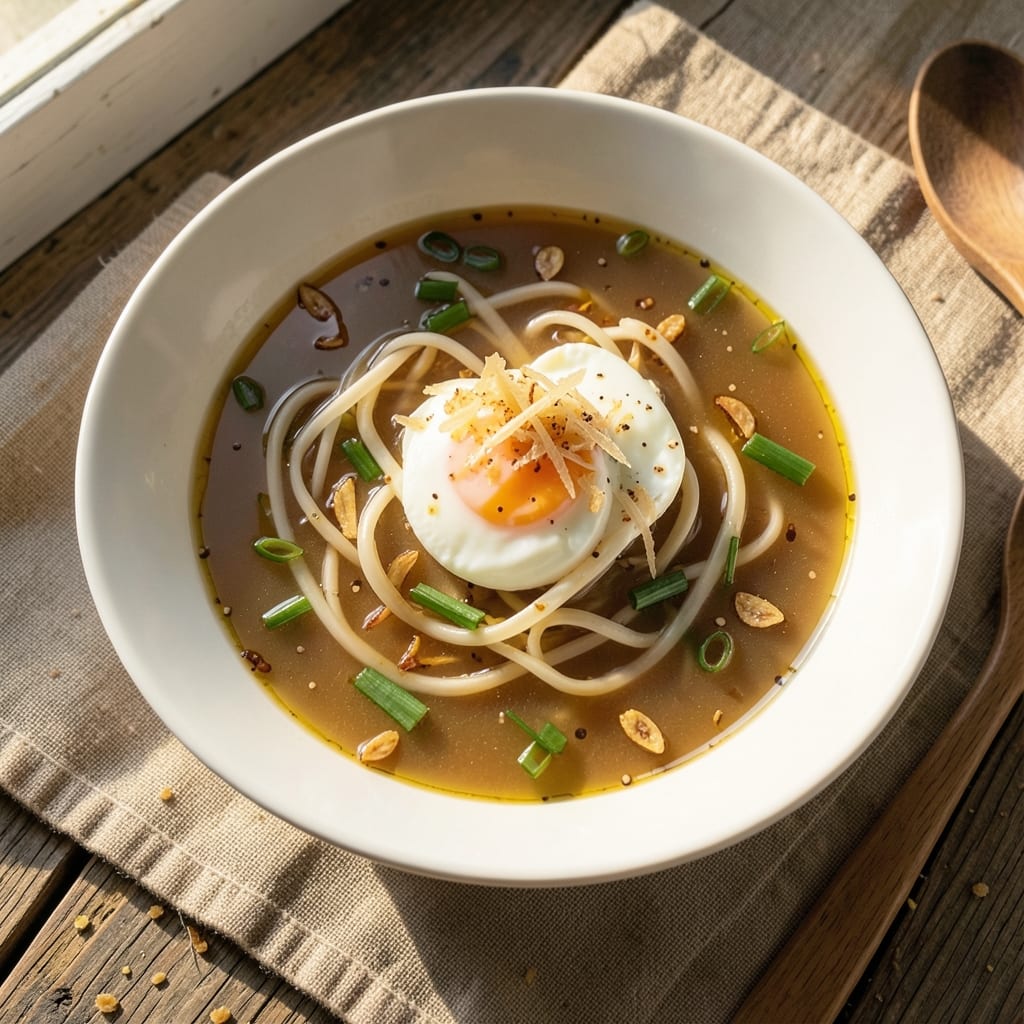
The Cassie egg drop soup recipe transforms simple ingredients into a velvety masterpiece where delicate egg ribbons swirl through fragrant ginger broth. 🌟 The secret lies in slow simmering and precise egg technique—no lumps, just silky strands that melt on your tongue. I developed this version after years of perfecting the balance between traditional flavors and modern convenience.
What sets this soup apart is the aromatic broth, built with fresh ginger, garlic, and a touch of soy sauce for depth. The egg ribbon technique requires patience—whisking eggs to ribbons as they hit the simmering broth creates that signature restaurant-quality texture. Every spoonful delivers a harmonious blend of savory, umami, and subtle heat.
This recipe delivers restaurant-quality results at home with minimal effort—just 20 minutes of active time and 30 minutes of simmering. The broth remains rich and flavorful even after reheating, making it perfect for meal prep. Whether you're serving a family dinner or a quick lunch, this soup brings comfort and elegance to your table.
Customize it with optional proteins like shrimp or chicken, or keep it vegetarian for a lighter version. Garnish with green onions and sesame oil for freshness and depth. The technique is foolproof once you master the egg ribbon method, and the broth's versatility makes it a staple for any occasion.
Ingredients for cassie egg drop soup
Simple ingredients that transform into a restaurant-worthy egg drop soup experience.
| Ingredient | Amount | Notes |
|---|---|---|
| Chicken Broth 🍲 | 4 cups | Low-sodium, homemade preferred |
| Large Eggs 🥚 | 4 whole | Room temperature for best results |
| Fresh Ginger 🧄 | 1 ½ tbsp | Finely grated, aromatic variety |
| Green Onions 🧅 | 3 whole | White and green parts separated |
| Light Soy Sauce 🥢 | 1 tbsp | Kikkoman preferred for balance |
| Sesame Oil 🫒 | ½ tbsp | Toasted, for aroma |
| White Pepper 🌶️ | ¼ tsp | Freshly ground for subtle heat |
| Cornstarch 🌾 | ½ tsp | For broth thickening |
| Water 💧 | 2 tbsp | For cornstarch slurry |
| Salt 🧂 | ½ tsp | Adjust to taste |
| Optional Shrimp 🦐 | ½ lb | Peeled, deveined, for protein |
| Optional Chicken Breast 🍗 | ½ lb | Diced, for meaty texture |
The broth is everything here. Homemade chicken broth gives you that clean, aromatic base—store-bought works in a pinch, but low-sodium is key so you can control the seasoning. Fresh ginger should smell vibrant, not stale; look for firm, bumpy roots at the market. Green onions need both white and green parts—white for flavor, green for color. Kikkoman soy sauce is my go-to for that classic umami balance, but any light soy will do. Sesame oil adds depth, so grab the toasted kind (not the flavored kind). For optional protein, shrimp cooks in 2 minutes, chicken takes 5—time them separately.
No fresh ginger? Powdered works at half the amount, but it lacks that bright punch. Swap soy sauce for coconut aminos if gluten-free, though the flavor will differ slightly. The cornstarch slurry is non-negotiable—it's what creates that signature silky texture. Arrowroot powder works too if you're avoiding gluten. Eggs must be room temperature; cold eggs create lumpy strands. For a vegetarian version, skip the protein entirely or add shiitake mushrooms for umami. The white pepper is subtle but essential—it adds warmth without overpowering the delicate flavors. If you're using optional protein, cook it separately and add it to individual bowls at serving time to keep it warm.
Broth reheats beautifully—simmer gently to avoid cloudiness. Store leftovers in the fridge for 3-4 days or freeze for up to 3 months. The eggs cook instantly, so reheat without them and add fresh strands when serving. For extra flavor, toast the sesame seeds and sprinkle on top just before serving. This soup tastes even better the second day as the flavors meld. Double the batch—it disappears fast, especially when you're perfecting those egg ribbons.
Why You'll Love This Recipe
- No-Chop Needed: I swear by this—just slice the ginger thin and toss in the whole green onions. The broth does all the work while you sip your tea.
- Silky Egg Magic: That slow drizzle of raw egg into simmering broth? Pure satisfaction. The result is tender, ribbon-like strands that vanish in seconds—no overcooking, no fuss.
- Leftover Goldmine: Make a double batch on Sunday; it reheats like a dream. The flavors even deepen overnight, and I’ve sent this home with coworkers for lunch—always a hit.
- Budget Warmth: Chicken broth, eggs, and a little soy sauce? This is comfort food for under $5. Honestly, I make it when I’m broke or when I’m celebrating—same delicious result.
Step-by-step instructions for Cassie's egg drop soup
This method delivers restaurant-quality silkiness with perfectly tempered eggs and fragrant ginger broth.
🍳 Step 1: Build the Ginger-Soy Broth Base
In a medium saucepan, combine the 4 cups chicken broth with the 1.5 tbsp finely grated fresh ginger and 0.5 tsp salt. Bring to a gentle simmer over medium heat, then reduce to a low boil. You'll see the broth begin to bubble softly—this is where the ginger's aromatic oils infuse into the liquid.
Let it simmer uncovered for 5 minutes to allow the flavors to meld. The broth should smell vibrant and slightly spicy. If you're using the 0.5 lb optional shrimp or 0.5 lb optional chicken breast, add them now and cook until fully done (3-5 minutes for shrimp, 8-10 minutes for chicken). Remove the protein with a slotted spoon and set aside.
🍳 Step 2: Create the Cornstarch Slurry
In a small bowl, whisk together the 0.5 tsp cornstarch with the 2 tbsp water until completely dissolved. This slurry will gently thicken the broth just enough to create that signature egg drop soup body without making it gluey. The mixture should be smooth with no lumps—strain through a fine-mesh sieve if needed.
Keep this slurry nearby as you'll add it in the next step. The timing matters here—you want to add it just before the eggs go in to maintain that silky texture. If you add it too early, the broth will thicken too much before the eggs are ready.
🥘 Step 3: Temper and Stream the Eggs
Crack the 4 whole large eggs into a separate bowl. The eggs should be at room temperature for best results. While the broth simmers gently, slowly drizzle about ½ cup of the hot broth into the eggs while whisking constantly. This tempering process prevents the eggs from scrambling when they hit the hot broth.
Once the egg mixture reaches 160°F (it should look slightly thickened but still pourable), slowly pour it back into the simmering broth while stirring gently with a wooden spoon. The key is to create long, silky ribbons of egg that dissolve into the broth rather than forming curds. Maintain a gentle simmer—if it boils vigorously, the eggs will break apart.
🍳 Step 4: Finish with Aromatics and Garnish
Add the 1 tbsp light soy sauce and 0.5 tbsp sesame oil to the broth. Stir gently to combine, letting the sesame oil's nutty aroma waft through the soup. The soy sauce should deepen the broth's color to a rich amber while adding umami balance.
Finally, sprinkle in the 0.25 tsp white pepper and the separated white and green parts of 3 whole green onions. The white parts should be chopped into ¼-inch pieces while the greens can remain whole for garnish. Taste and adjust seasoning—you might need a touch more soy sauce or salt depending on your broth's saltiness.
⏰ Step 5: Serve Immediately with Perfect Technique
Ladle the soup into bowls while the heat is still gentle. The eggs should continue to ribbon out slightly as they cool. Serve with the reserved protein on top if using, and garnish with additional green onion tops. For the best experience, eat immediately while the broth is still steaming and the egg ribbons are at their most luxurious.
This soup is all about the contrast—hot broth against delicate egg ribbons, fragrant ginger against savory soy, and the subtle heat of white pepper cutting through the richness. The secret lies in the gentle heat and precise timing at every step.
Pro Tips For Making Cassie Egg Drop Soup
- Heat the Broth Fast: Bring your chicken broth to a full rolling boil before adding eggs—no simmering, no hesitation. Cold broth makes the egg curdle into rubbery strands instead of silky ribbons, and I’ve learned this the hard way after serving soup that looked like overcooked linguine.
- Mince Ginger Fine: Use a microplane or knife to shred ginger into a paste, not just tiny slivers. Finely minced ginger dissolves into the broth without leaving texture, and it releases flavor more evenly—no one wants to bite into a surprise ginger chunk.
- Whisk Eggs Cold: Crack eggs into a bowl first, then whisk them while still cold with a splash of broth. Warm eggs scramble before they hit the pot, and you’ll end up with clumpy soup instead of those delicate, wispy egg threads Cassie’s version is famous for.
- Salt the Broth Last: Wait until the broth is hot and the eggs are swirled in before adding soy sauce or salt. If you salt early, the egg whites tighten prematurely, and your ribbons turn into dense, unappealing blobs—trust me, timing matters here.
Troubleshooting perfect results
Eggs Curdling?
Cold eggs are the #1 cause of lumpy strands. Always use room-temperature eggs—let them sit in warm water for 5 minutes if needed. Temper them properly by whisking in ½ cup hot broth gradually until they reach 160°F. If you see curds forming, whisk vigorously and keep the heat low. 🥚
Broth Too Thin?
Your cornstarch slurry should be added just before the eggs—never earlier. For extra body, mix 1 tsp additional cornstarch with 1 tbsp water and stir in slowly. If the broth still feels watery, simmer uncovered for 2-3 minutes to reduce it slightly. Avoid boiling, which can break the egg ribbons.
Ginger Flavor Weak?
Fresh ginger is non-negotiable—powdered lacks depth. Use 1.5 tbsp finely grated ginger (about 1-inch piece) and simmer uncovered for 5 minutes to release maximum aroma. For extra punch, add ½ tsp grated ginger directly to each bowl before serving. If your ginger tastes bland, try a different variety like galangal for a citrusy twist.
Egg Ribbons Breaking?
Heat control is everything. Maintain a gentle simmer (small bubbles) when adding eggs—boiling broth will shatter them. Use a wooden spoon to stir slowly in one direction, creating long strands. If your broth is too hot, remove it from heat for 30 seconds before adding eggs. Patience is key—rushing ruins the texture.
Protein Overcooking?
Shrimp and chicken should be cooked separately before adding to the broth. For shrimp, cook for 2 minutes in a separate pan, then set aside. Chicken should reach 165°F (about 8-10 minutes in broth). Reheat protein gently in the microwave with a splash of water to maintain moisture. Add to bowls just before serving to keep it warm.
Broth Cloudy After Reheating?
Cloudiness happens when broth cools too quickly. Reheat on low heat with the lid slightly ajar. For extra clarity, strain through a fine-mesh sieve before reheating. If cloudiness persists, add 1 tsp fresh cornstarch mixed with 1 tbsp cold water and stir in gently. Never boil—just warm through to 160°F.
Nutrition facts
Frequently asked questions
Why does the egg ribbon technique matter in egg drop soup?
The ribbon technique creates that signature silky texture that makes this soup special. When you pour tempered eggs into gently simmering broth and stir slowly, you create long, delicate strands that dissolve into the liquid. This contrasts beautifully with the rich broth and gives each spoonful that luxurious mouthfeel. The key is maintaining a gentle simmer—boiling will break the ribbons into curds instead.
Can I make this soup vegetarian?
Skip the shrimp or chicken and add shiitake mushrooms or tofu for umami. For extra depth, stir in 1 tbsp vegetarian oyster sauce with the soy sauce. The broth will still be rich and flavorful without meat. Just remember that mushrooms take longer to cook—add them with the ginger and simmer for 8-10 minutes before adding the eggs.
How do I store and reheat leftovers?
Store the soup (without eggs) in an airtight container in the fridge for 3-4 days or freeze for up to 3 months. To reheat, warm gently on low heat with the lid slightly ajar—never boil. Add fresh egg ribbons when serving since they cook instantly. For extra clarity, strain through a fine-mesh sieve before reheating. The broth reheats beautifully and tastes even better the next day as flavors meld!
What's the best way to adjust the spice level?
Start with the white pepper as written for subtle heat. For more spice, add ½ tsp chili oil or ¼ tsp red pepper flakes when serving. If you love ginger's kick, use 2 tbsp fresh ginger instead of 1.5. For a milder version, reduce ginger to 1 tbsp and omit the white pepper entirely. Always taste the broth before adding eggs to adjust seasoning!
Can I make this soup in an Instant Pot?
Yes, but with adjustments! Sauté the ginger in 1 tbsp oil for 1 minute, then add broth and protein (if using). Pressure cook for 3 minutes (high pressure), then quick-release. For the eggs, temper them normally and add to the pot on low heat (not pressure cook mode) to create ribbons. The Instant Pot speeds up broth prep but requires careful heat control for the egg technique.