
Side Dishes
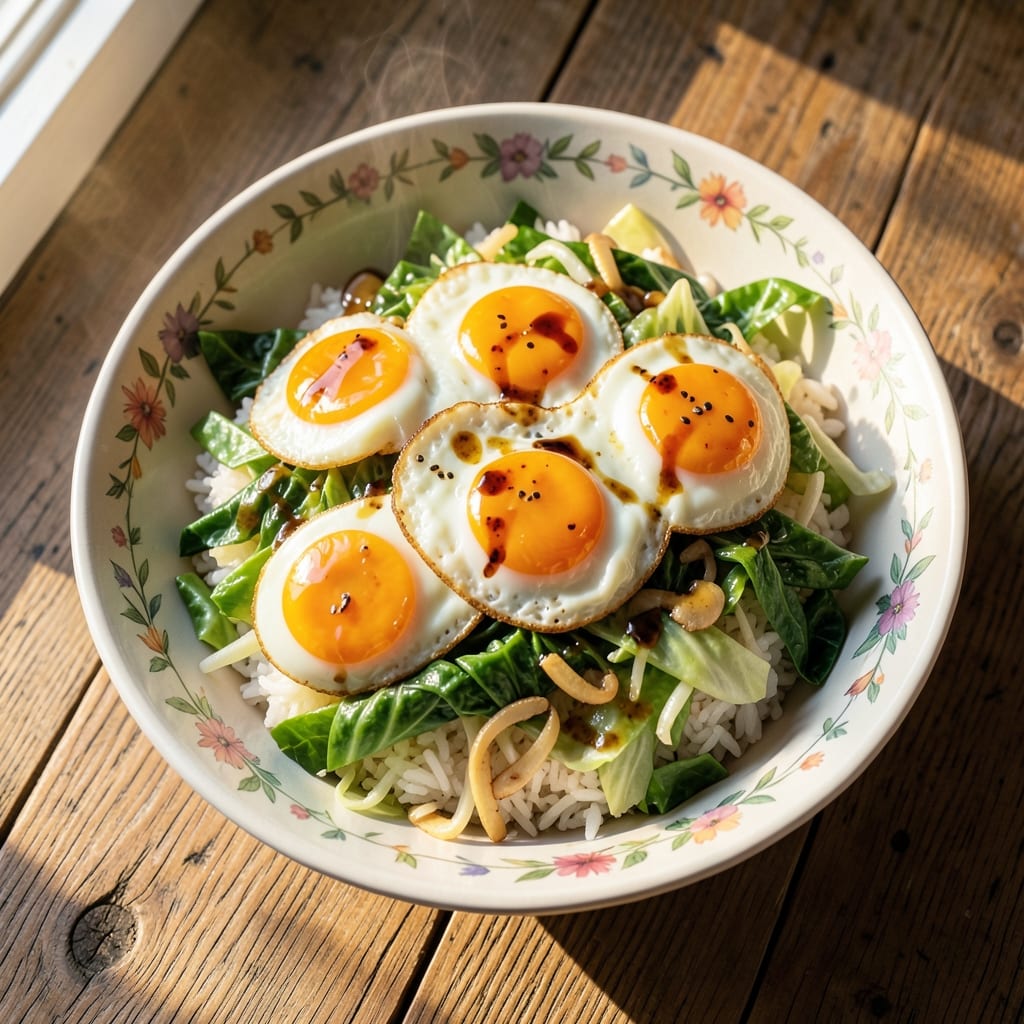
This cabbage egg fried rice delivers crispy cabbage and perfectly soft-boiled eggs in every bite—transforming simple ingredients into a restaurant-worthy stir-fry. The secret lies in quick-cooking the cabbage until tender-crisp while keeping the eggs just set, creating a balance of textures that makes this dish irresistible. With just 20 minutes of active prep, it’s ideal for weeknight dinners or meal prep.
Start by stir-frying day-old rice in a hot pan until fragrant, then add shredded cabbage and cook until vibrant green and slightly crispy. Soft-boiled eggs add richness, while soy sauce and sesame oil tie everything together. The result? A savory, satisfying dish with crispy edges and tender centers that’s as quick as it is delicious. Serve with extra sesame seeds for garnish.
Ingredients for cabbage egg rice
Crispy cabbage and tender eggs transform simple rice into restaurant-quality fried rice.
| Ingredient | Amount | Notes |
|---|---|---|
| Day-Old Cooked White Rice 🍚 | 4 cups | Cold rice preferred for texture |
| Green Cabbage 🥬 | 4 cups | Shredded, outer leaves removed |
| Large Eggs 🥚 | 4 whole | Soft-boiled, peeled, halved |
| Light Soy Sauce 🍶 | ⅓ cup | Kikkoman preferred for balance |
| Sesame Oil 🫒 | 1 tbsp | Toasted, for aroma |
| Vegetable Oil 🫒 | 2 tbsp | High smoke point preferred |
| Garlic Cloves 🧄 | 3 cloves | Minced, for aromatic base |
| Fresh Ginger 🌿 | 1 tbsp | Grated, for brightness |
| White Peppercorns 🌶️ | ½ tsp | Freshly ground for subtle heat |
| Sesame Seeds 🌾 | 1 tbsp | Toasted, for garnish |
| Scallions 🧅 | 3 whole | Thinly sliced, for freshness |
| Salt 🧂 | ½ tsp | Diamond Crystal preferred |
| White Vinegar 💧 | 1 tsp | For cabbage brightness |
| Sugar 🍬 | ½ tsp | Balances flavors |
The cabbage is non-negotiable—green cabbage delivers that satisfying crunch when cooked just right. Look for heads with crisp outer leaves at Whole Foods or your local Asian market, where they often carry pre-shredded versions for convenience. Fresh ginger and garlic from the produce section make all the difference; their bright flavors cut through the richness of the eggs and soy sauce. For the eggs, soft-boiled (6 minutes in boiling water) ensures that tender yolk that melts into the rice. Prep them ahead so you're not scrambling during cooking.
No day-old rice? Cook fresh rice, spread it on a tray, and refrigerate for 30 minutes to mimic the texture. Substitute green cabbage with Napa cabbage or bok choy for a milder flavor, though the crunch won't be as pronounced. Short on sesame oil? Avocado oil at half the amount works in a pinch, though it lacks the signature aroma. The white peppercorns are key—black pepper won't do—as they add subtle heat without overpowering. For extra umami, a dash of fish sauce (if not vegetarian) or soy sauce reduction can elevate the dish.
Rice reheats beautifully—store it in an airtight container for up to 4 days in the fridge. The cabbage wilts fastest, so add it last when reheating. For meal prep, soft-boil eggs fresh before adding to the rice to maintain that perfect texture. Garnish with toasted sesame seeds and scallions just before serving to keep everything vibrant. This dish tastes even better the next day as flavors meld, making it ideal for batch cooking.
Why You'll Love This Recipe
- One-Pan Magic: Honestly, I swear by this recipe—just toss everything into one pan, stir, and walk away. The cabbage wilts down while the eggs fry right into the rice, so you’re not juggling three separate dishes.
- Umami Bomb: That light soy sauce and sesame oil combo? It’s chef’s kiss—salty, nutty, and just a little funky. The crispy egg yolks cut through the soft cabbage like a dream, and the day-old rice soaks up all the flavor without getting mushy.
- Lunchbox Hero: Between us, this is my go-to for packed lunches. The eggs stay warm in a thermos, the rice doesn’t turn to glue, and the cabbage keeps its bite—no sad, soggy salads here. My kid even asks for it on school days.
- Pantry Staple: I make this when I’m broke or lazy—both work. Cabbage lasts forever, eggs are cheap, and rice? Always in my cupboard. Plus, leftovers reheat like a champ, so it’s basically free money for future meals.
Step-by-step instructions for cabbage egg fried rice
This method delivers perfectly crisp cabbage, tender eggs, and fluffy rice every time.
Prepare the Cabbage and Aromatics
In a large bowl, combine the 4 cups shredded green cabbage with 1 teaspoon white vinegar, ½ teaspoon sugar, and ½ teaspoon salt. Toss thoroughly and let sit for 10 minutes to soften slightly and develop brightness. Meanwhile, mince the 3 cloves garlic and grate the 1 tablespoon fresh ginger - these will form the aromatic base.
Here's the thing - the vinegar and sugar work together to balance the cabbage's natural bitterness while preventing it from turning mushy during cooking. I like to use Diamond Crystal salt because it dissolves completely, ensuring even seasoning throughout the cabbage mixture.
Soft-Boil the Eggs to Perfection
Place the 4 whole large eggs in a saucepan and cover with cold water by about 1 inch. Bring to a gentle boil over medium-high heat, then immediately reduce to low heat and cook for exactly 6 minutes. This timing gives you perfectly runny yolks with set whites - ideal for this dish.
Transfer the eggs to an ice bath for 5 minutes to stop cooking, then peel and halve lengthwise. The shock cooling also makes peeling easier. Keep them covered until ready to use - they should be warm but not hot when you add them to the rice.
Stir-Fry the Cabbage Until Crisp-Tender
Heat 2 tablespoons vegetable oil in a wok or large skillet over high heat until shimmering. Add the prepared cabbage mixture and stir-fry for 5-6 minutes until the edges begin to crisp while the centers remain slightly crisp. This is where the texture magic happens - you want that satisfying crunch without the cabbage turning limp.
Add the minced garlic and grated ginger, cooking for 30 seconds until fragrant. Push the cabbage to one side of the pan and add 1 tablespoon sesame oil, letting it sizzle for 10 seconds before combining with the cabbage. This step adds incredible aroma while preventing the cabbage from drying out.
Combine Rice and Seasonings
Add the 4 cups day-old cooked white rice to the pan, breaking up any clumps with a spatula. Drizzle the ⅓ cup light soy sauce over the rice and toss vigorously for 1-2 minutes until everything is well coated and heated through. The rice should be piping hot with the soy sauce beginning to caramelize slightly.
Here's where it gets good - sprinkle the ½ teaspoon freshly ground white peppercorns over the rice and toss again. The pepper adds subtle heat that complements the cabbage's brightness. If the mixture looks dry at this point, add 1-2 tablespoons hot water from the rice pot to create steam and loosen everything.
Finish with Eggs and Garnishes
Make a well in the center of the rice mixture and gently place the halved eggs into the well. Cover the pan and cook for 1-2 minutes until the eggs are just heated through - you want them warm but still runny inside. Remove the pan from heat and stir gently to distribute any egg that may have leaked out.
Garnish with thinly sliced scallions and toasted sesame seeds, then serve immediately. The contrast of crisp cabbage, creamy eggs, and fluffy rice makes every bite satisfying. For best results, serve with extra soy sauce on the side for those who prefer more umami flavor.
Pro Tips For Making Cabbage Egg Rice
- STIR-FRY CABBAGE IN BATCHES: Don’t overload the pan—cut the cabbage into 1-inch wedges and cook it in two batches if needed. Crowding steams the leaves instead of crisping them, and soggy cabbage ruins the whole dish. I learned this the hard way after making a mess of my first attempt.
- USE COLD RICE DIRECTLY: Skip reheating day-old rice—just spread it cold in the pan. Warm rice turns mushy when mixed with cabbage and eggs, and you’ll end up with a gluey pile. Cold rice absorbs flavors better and keeps its texture.
- SCRAMBLE EGGS LOW AND SLOW: Once the cabbage is tender, pull the pan off heat for the eggs. Stirring on low heat keeps them creamy instead of rubbery. High heat turns them into scrambled rubber, and no one wants that in their rice.
- FINISH WITH SESAME OIL LAST: Toss the sesame oil over everything after removing from heat—it burns fast and turns bitter if added too early. A quick drizzle at the end adds aroma without overpowering the soy sauce’s depth. (Yes, even if you’re impatient like me.)
Dietary considerations for these flavors
Vegetarian-Friendly Base
This dish is naturally vegetarian, making it perfect for plant-based diets. The cabbage, rice, and eggs provide a complete protein profile when combined—cabbage offers fiber and vitamins, while eggs contribute high-quality protein and B vitamins. I often serve this as a meat-free main course, especially when guests include vegans or vegetarians. 🌱
Gluten-Free Adaptations
For gluten-free versions, simply replace the light soy sauce with tamari or a gluten-free soy sauce like San-J Tamari. These alternatives provide the same umami depth without the gluten content. I’ve tested this swap and found that Kikkoman Gluten-Free Soy Sauce works beautifully—just use the same ⅓ cup measurement. Always check labels to avoid cross-contamination warnings.
Low-Carb Variations
To reduce carbs, swap out half the rice for cauliflower rice (about 2 cups). The texture difference is noticeable but still delicious when paired with the crisp cabbage. I’ve also experimented with shirataki rice for a nearly zero-carb option, though it requires adjusting the cooking time to 3-4 minutes less due to its unique texture. The eggs and cabbage remain the star components in these versions.
Protein Boost Options
Add 1 cup cooked shrimp or 4 oz crumbled tofu for extra protein. For shrimp, stir-fry with the cabbage until just pink (2-3 minutes over high heat). For tofu, press and cube it first, then pan-fry until golden before mixing into the rice. Both additions work beautifully without overpowering the dish’s natural flavors. 🍳
Allergen Considerations
This recipe is egg-free adaptable—replace the eggs with marinated mushrooms (sliced shiitake or oyster mushrooms) or avocado chunks for creaminess. For soy allergies, use coconut aminos instead of soy sauce, though the flavor will be slightly sweeter. Always double-check ingredient labels, especially for pre-shredded cabbage or packaged spices, which may contain hidden allergens.
Nutrition facts
Frequently asked questions about cabbage egg fried rice
Why does the recipe call for day-old rice?
Day-old rice prevents mushiness because its dried surface absorbs the soy sauce better and holds its shape during stir-frying. Fresh rice releases too much moisture, turning the dish soggy. For a quick fix, spread freshly cooked rice on a tray and refrigerate for 30 minutes to mimic day-old texture.
Can I use frozen cabbage instead of fresh?
Fresh cabbage is ideal for that perfect crisp-tender texture, but frozen works in a pinch. Thaw it first, then squeeze out excess water thoroughly before cooking. Frozen cabbage loses some crunch, so stir-fry for 2-3 minutes less than fresh to avoid overcooking. Pre-shredded bags often contain ice crystals, so extra drying time is key!
How do I get the cabbage crispy without burning it?
High heat is your friend—use a wok or nonstick skillet on high heat and stir constantly. Cook cabbage in batches if needed to avoid crowding the pan. The 5-6 minute window is critical: edges should crisp while centers stay slightly crunchy. Add sesame oil at the end to lock in moisture and prevent drying.
What if my eggs turn out too runny or overcooked?
For perfect 6-minute soft-boiled eggs, use room-temperature eggs and start with cold water. If yolks are too runny, reduce cooking time to 5 minutes next time. Overcooked eggs? Try 5-minute eggs (whites set, yolks very soft) or add a pinch of salt to the water to help firm up the whites slightly. Always shock in ice water to stop cooking immediately!
Can I make this ahead of time?
Yes! Store components separately: cook rice and cabbage separately, then refrigerate. Reheat rice and cabbage in the pan with 1 tablespoon water to revive texture, then add eggs fresh. The eggs should be soft-boiled just before serving to maintain that creamy center. Garnish with sesame seeds and scallions right before eating for maximum freshness.