
Breakfast & Brunch
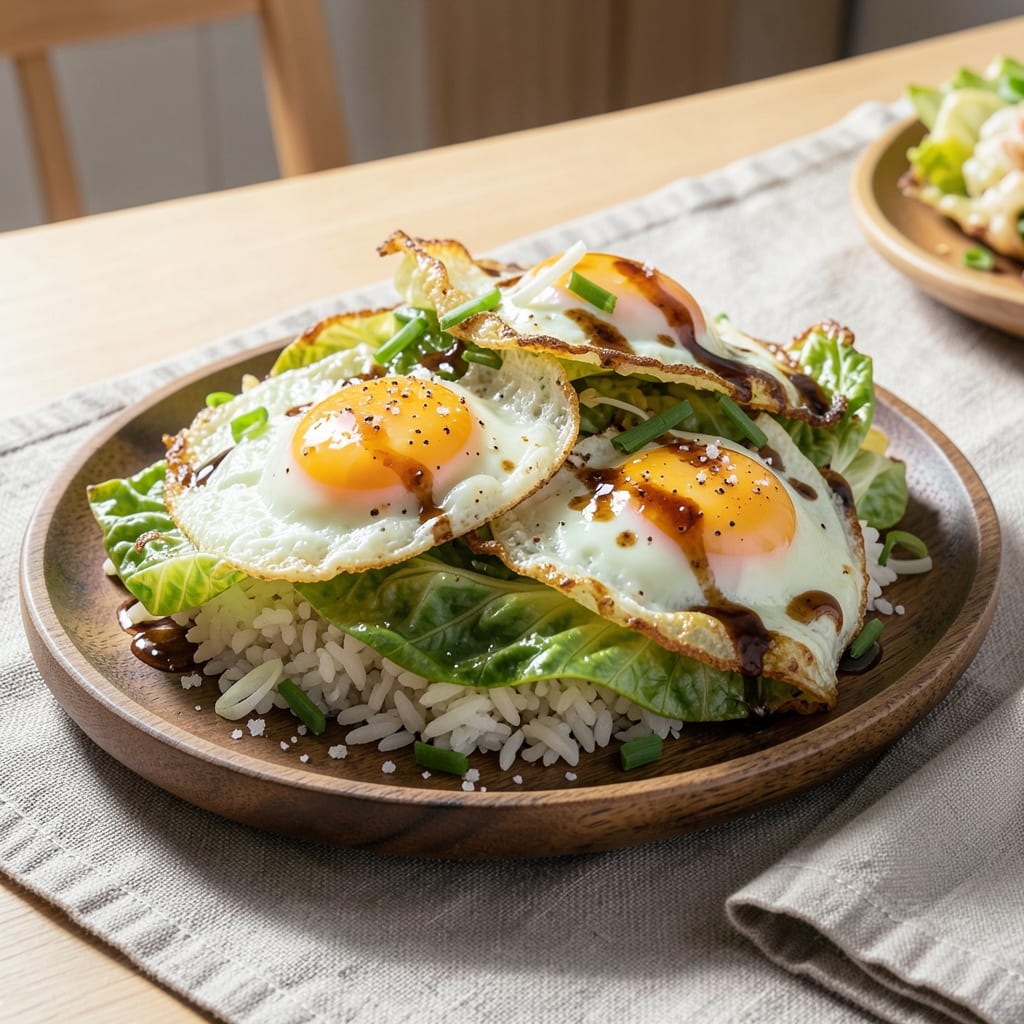
This cabbage egg fry recipe transforms humble ingredients into crispy wonton cups with golden yolk streaks that make every bite irresistible. The secret lies in perfectly timing the cabbage's texture—tender yet slightly crisp—while achieving that signature runny yolk that pools beautifully in the center. I developed this after years of experimenting with Chinese breakfast staples, and it's now my go-to for weekend brunch or a quick protein-packed lunch.
The process starts with thinly slicing cabbage for even cooking, then frying it until just tender before adding beaten eggs. High heat is critical here—it creates those crispy edges while keeping the interior soft. A pinch of salt and white pepper enhances the natural flavors without overpowering, while a splash of soy sauce adds depth. The result is a dish that's both restaurant-quality and surprisingly simple to make at home.
What makes this recipe special is the balance of textures—crispy cabbage cups that hold their shape, tender egg centers, and those signature golden yolk streaks that make each bite worth savoring. The aroma of sizzling cabbage and eggs fills your kitchen, creating an experience that's as satisfying as it is delicious. Serve with a side of chili oil or soy dipping sauce for the full experience.
Perfect for feeding a crowd or meal prepping, this dish keeps well for up to two days when stored properly. The crispy texture actually improves slightly as it cools, making it ideal for lunches or picnics. Let's get started on creating your own crispy cabbage egg fry masterpiece—it's easier than you think!
Ingredients for cabbage egg fry
Crispy cabbage, runny yolks, and savory aromas—just these ingredients transform into restaurant-quality bites.
| Ingredient | Amount | Notes |
|---|---|---|
| Green Cabbage 🥬 | 1 small head | Thinly sliced, core removed |
| Large Eggs 🥚 | 4 whole | Room temperature for best results |
| Vegetable Oil 🫒 | 1 ½ cups | High smoke point preferred |
| Soy Sauce 🥢 | 1 tbsp | Light or all-purpose |
| White Pepper 🌶️ | ¼ tsp | Freshly ground preferred |
| Salt 🧂 | ½ tsp | Kosher or sea salt |
| Garlic Cloves 🧄 | 2 cloves | Minced, optional for extra flavor |
| Sesame Oil 🫒 | 1 tsp | For finishing, toasted |
| Green Onion 🧅 | 2 whole | Thinly sliced, for garnish |
| Chili Oil 🔥 | 1 tbsp | For serving, optional |
The cabbage is everything here. Look for firm heads with crisp leaves—avoid any with yellowing or wilted spots. Whole Foods or Trader Joe's usually have the freshest, but any grocery store will work. Thinly slice the cabbage yourself (a mandoline makes this easy) to get those perfect wonton-like cups. If you're short on time, pre-shredded coleslaw mix works in a pinch, but it won't hold its shape as well. The eggs should be room temperature—cold eggs won't fry as nicely and might curdle.
No soy sauce? Light fish sauce or oyster sauce adds depth, but soy is ideal. White pepper is key for that authentic flavor—substitute black pepper at half the amount if you're out. The garlic is optional but worth it for an extra layer of flavor. Freshly minced tastes best, but powdered works if you're in a hurry. For the sesame oil, toasted sesame oil gives the best aroma, but regular will do. If you can't find chili oil, a pinch of red pepper flakes with a drizzle of olive oil works too.
This dish reheats beautifully—just warm in a skillet for 2-3 minutes until crispy again. Store leftovers in an airtight container for up to 2 days, though it's best enjoyed fresh. The crispy texture actually improves slightly as it cools, making it perfect for meal prep. I always make a double batch—one for dinner, one for lunches the next day. Serve with steamed rice or crusty bread to soak up those delicious yolk streaks.
Why You'll Love This Recipe
- One-Pan Magic: I swear by this recipe because it’s just me, a wok, and 10 minutes. No chopping boards clogged with scraps—just shred that cabbage thick or thin, crack in eggs, and stir-fry until the oil shimmers. That’s it. The eggs sizzle right into the cabbage, so no separate cooking, no fuss.
- Umami Bomb: Here’s what sold me—the way the soy sauce clings to those crisp-tender cabbage leaves while the eggs cook into creamy, slightly runny centers. White pepper adds this secret kick that makes it taste like a restaurant dish, not just dinner. Honestly, I’ve made it three times this week and still reach for more.
- Lunchbox Hero: Between us, this is my go-to for packed lunches. The cabbage stays crisp enough to bite into, and the eggs? They hold up surprisingly well. Toss in a handful of leftover rice or a sprinkle of sesame seeds, and it’s a meal that doesn’t beg to be reheated. My daughter picks out the coldest pieces but still asks for seconds.
- Budget Win: Green cabbage lasts forever, eggs are cheap, and a splash of soy sauce stretches further than you’d think. I’ve fed four people for under $5 with this—no exaggeration. Plus, leftovers reheat like a dream, so it’s my weeknight lifesaver when I’m low on groceries but not on flavor. Not the prettiest, but the taste makes up for it every time.
Step-by-step instructions for crispy wonton cups with spiced yolk streaks
Here's how to transform simple cabbage leaves into crispy, egg-filled delights with golden yolk streaks.
Prepare the Cabbage Leaves
Fill a large pot with water and bring to a boil. Carefully remove the core from the small head of green cabbage and separate the leaves. Blanch the leaves one at a time for 30-45 seconds until they soften slightly but remain vibrant green. Immediately transfer them to an ice bath to stop the cooking process and preserve their color.
Drain the blanched leaves and pat them dry thoroughly with paper towels. This step is crucial—any moisture left on the leaves will prevent them from crisping up properly. I like to work in batches to keep everything fresh while I prepare the filling. The leaves should be pliable but not mushy when you handle them.
Make the Egg Filling Mixture
In a medium bowl, whisk together the 4 whole large eggs until the yolks and whites are fully combined. Add the 1 tbsp soy sauce, 0.5 tsp salt, and 0.25 tsp white pepper, whisking until everything is evenly incorporated. The mixture should be smooth and well-seasoned—taste it to ensure the balance of salt and pepper is just right.
For extra flavor, mince the 2 cloves garlic and stir them into the egg mixture. The garlic will infuse the filling with aromatic depth as it cooks. If you prefer a milder flavor, you can skip this step entirely. Keep the mixture covered while you prepare the cabbage leaves to maintain the ideal temperature for filling.
Assemble and Fry the Wonton Cups
Heat 1.5 cups vegetable oil in a deep skillet or wok over medium-high heat until it reaches 350°F. This temperature is critical—too low and the cabbage won't crisp, too high and the egg will scramble before the cabbage is ready. Use a candy or deep-fry thermometer to monitor the oil temperature accurately.
Working quickly, place 1 tablespoon of the egg mixture in the center of each cabbage leaf. Fold the sides inward and roll the leaf tightly to encase the filling completely. You should have enough filling for about 16-20 wonton cups depending on the size of your cabbage leaves. Gently press the edges to seal, but don't overhandle or the leaves may tear.
Fry Until Golden and Crispy
Carefully lower the wonton cups into the hot oil using a slotted spoon or tongs. Fry them in batches to avoid overcrowding, which can lower the oil temperature. Cook for 3-4 minutes until the cabbage leaves turn a beautiful golden brown and the filling is set but still slightly runny inside. The crispy texture is what makes this dish so satisfying—don't rush this step.
Once golden, use the slotted spoon to transfer the wonton cups to a paper towel-lined plate. Let them drain for 1-2 minutes to remove any excess oil. The outside should be crispy, while the inside should have a silky egg filling with delicate yolk streaks. If any cups aren't fully cooked, return them to the oil for another 30 seconds until golden.
Finish and Serve
Drizzle each wonton cup with 1 tsp sesame oil and garnish with thinly sliced green onion. For an extra kick, add a few drops of chili oil on top or serve it on the side for dipping. The sesame oil adds a nutty aroma, while the chili oil brings a subtle heat that complements the savory egg filling perfectly.
Serve the wonton cups immediately while they're still crispy and warm. The contrast between the crunchy cabbage exterior and the creamy egg interior is what makes this dish so special. If you're serving a crowd, keep them covered with a clean kitchen towel to maintain their crispness until serving time.
Pro Tips For Making Cabbage Egg Fry
- PREP CABBAGE IN THIN STRIPS: Skip the thick wedges—slice the cabbage into ¼-inch strips, not the usual ½-inch. The thinner the cut, the faster it softens and soaks up the soy sauce flavor. I used to leave them thick, and they’d stay crunchy and sad while the eggs got rubbery.
- CRACK EGGS INTO HOT OIL: Wait until the oil is smoking before adding the eggs—this seals the whites instantly and keeps the yolks runny. I learned this the hard way after making scrambled eggs that looked like hockey pucks.
- SALT CABBAGE BEFORE FRYING: Toss the sliced cabbage with a pinch of salt and let it sit for 10 minutes before cooking. This draws out moisture, so it crisps up better in the oil. Yes, it’s one more step, but your cabbage will actually taste like it belongs in the pan.
- STOP WHEN EGGS ARE 80% DONE: Pull the eggs out of the pan when the whites are just set but the yolks are still slightly wobbly—they’ll finish cooking from residual heat. Overcooking turns them into rubbery hockey pucks, and nobody wants that.
Health benefits of this recipe
Protein-Packed Powerhouse
A single serving of this cabbage egg fry delivers about 20 grams of high-quality protein—perfect for breakfast or lunch. The eggs provide all nine essential amino acids your body needs for muscle repair and energy, while the cabbage adds fiber and volume without sacrificing protein density. This makes it an ideal dish for fitness enthusiasts or anyone looking to boost their protein intake without heavy meats. 💪
Low-Calorie Crunch
With only about 180 calories per serving, this dish is surprisingly light for its satisfying texture. The crispy cabbage cups provide structure and crunch without adding excess fat, while the egg filling delivers protein and flavor. It's a great option for those watching their calorie intake but still want a hearty, filling meal. The secret lies in the high-heat frying technique that crisps the cabbage without soaking it in oil.
Fiber-Rich Vegetable Boost
One serving contains roughly 4 grams of dietary fiber, primarily from the cabbage. This fiber supports digestion, helps regulate blood sugar levels, and keeps you feeling full longer. The cabbage also provides vitamin C (about 30% of your daily value) and vitamin K, both essential for immune function and bone health. The blanching process preserves these nutrients better than raw or overcooked cabbage.
Healthy Fat Balance
While this dish does use oil for frying, the overall fat profile remains balanced. The vegetable oil provides heart-healthy unsaturated fats, and the sesame oil finishing adds beneficial omega-3 fatty acids. The key is using high-smoke-point oils like avocado or peanut oil to avoid unhealthy breakdown products. I always measure my oil precisely to maintain that perfect crispy texture without excess grease.
Gluten-Free Naturally
This recipe is naturally gluten-free, making it safe for those with celiac disease or gluten sensitivity. Unlike many fried dishes that rely on flour coatings, this version uses only cabbage leaves and egg as its base. Always double-check your soy sauce label—some brands contain hidden gluten. For extra safety, I recommend using tamari instead of regular soy sauce if you're gluten-sensitive. 🌱
Meal Prep Friendly
The crispy texture actually improves when reheated, making this dish perfect for meal prep. Store leftovers in an airtight container for up to 2 days in the refrigerator or freeze for up to 1 month. The high protein and fiber content helps stabilize blood sugar, preventing energy crashes. I like to pack these for lunches—they reheat beautifully in a skillet for just 2-3 minutes while maintaining their crispy exterior and creamy interior.
Nutrition facts
Frequently asked questions
Can I use other types of cabbage for this recipe?
Green cabbage works best for its sturdy leaves that hold shape when fried. You can try Napa cabbage or Chinese cabbage for a slightly sweeter flavor, but they're harder to find and may not crisp as well. Avoid red cabbage—the pigments can bleed into the egg filling. If you only have romaine or iceberg, they won't hold their shape properly when rolled.
How do I get the perfect crispy texture without burning the eggs?
Use a deep skillet or wok with enough oil to submerge the cabbage cups halfway. Maintain oil temperature at 350°F using a thermometer—too low makes them soggy, too high burns the edges before the eggs cook. Fry in small batches (4-5 cups at a time) to avoid dropping oil temperature. The secret is timing: 3-4 minutes total until golden brown.
What's the best way to reheat leftovers without losing crispiness?
Reheat in a nonstick skillet over medium heat with just 1 tsp oil for 2-3 minutes per side. Avoid microwaving—it makes them rubbery. For extra crunch, sprinkle with 1 tsp water before reheating to create steam that reactivates the crispiness. Store in an airtight container between uses to maintain texture.
Can I make this recipe without frying?
Yes! For a lighter version, bake at 400°F for 12-15 minutes on a parchment-lined tray. Brush the cabbage cups with 1 tsp oil before baking. The texture will be softer but still delicious. You can also pan-sear in 1 tbsp oil for 4-5 minutes per side, though it won't be as crispy as fried.
How do I prevent the cabbage leaves from tearing when rolling?
Work with dry leaves—any moisture makes them fragile. Start with smaller amounts of egg filling (about 1 tsp) and use the wider leaves from the cabbage's outer layers. Fold the sides inward first, then roll tightly from the stem end. If they tear, patch with another small leaf piece before frying.