
Soups & Stews
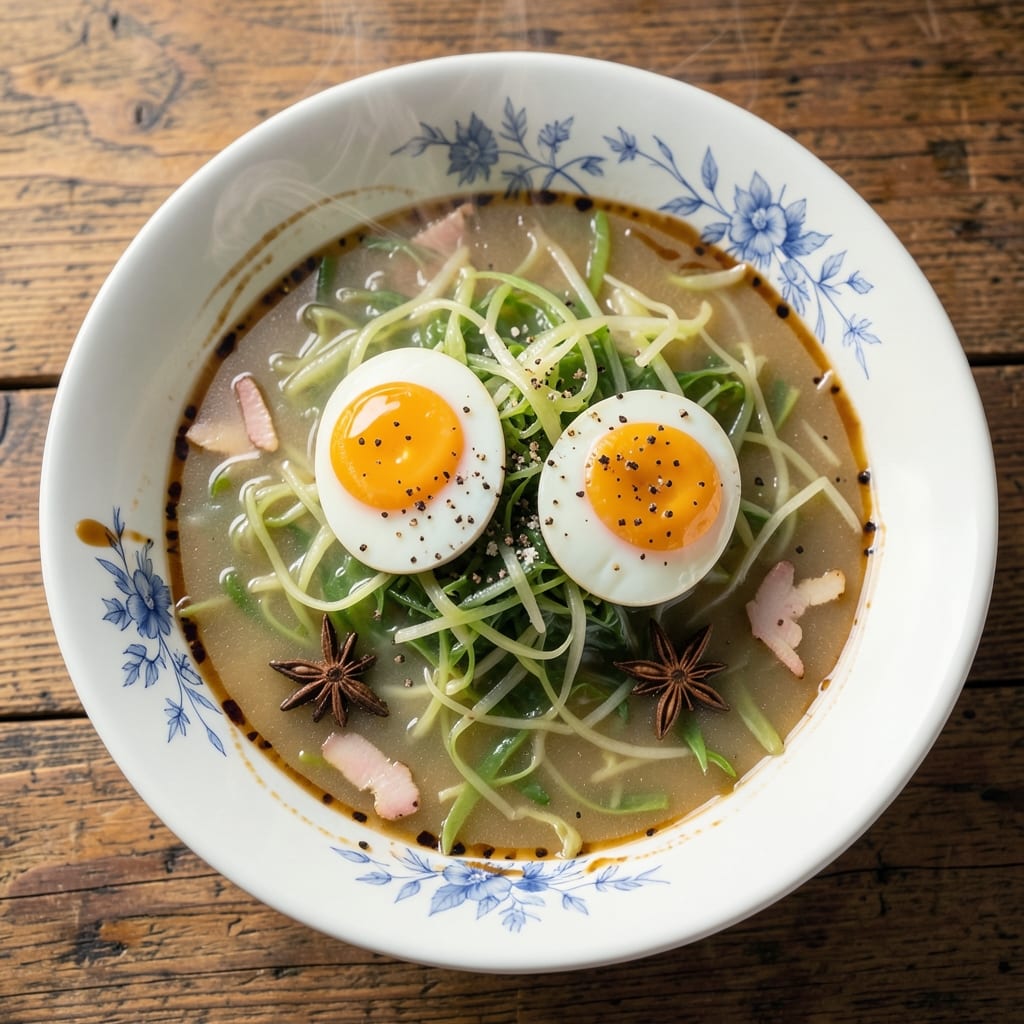
This cabbage egg drop soup recipe delivers the perfect balance of silky egg ribbons and fragrant ginger broth, a comforting bowl that warms the soul. 💛 The secret lies in slow-simmered broth infused with star anise and ginger, while the egg drop technique transforms ordinary eggs into delicate, melt-in-your-mouth strands that swirl through every spoonful.
What sets this recipe apart is the traditional approach combined with modern convenience—using cabbage for subtle earthiness while keeping the process simple enough for weeknight dinners. The broth builds flavor gradually, with each ingredient playing its part: ginger for warmth, star anise for depth, and a touch of soy sauce for umami richness.
By the time you're done, you'll have a steaming bowl where tender cabbage pieces float alongside delicate egg ribbons, all nestled in a fragrant, well-balanced broth. The aroma alone will have everyone gathered around the table, while the first sip delivers that perfect harmony of textures and flavors.
Serve with steamed rice for a complete meal, or enjoy it as-is with a sprinkle of scallions and a drizzle of chili oil for added depth. This soup is equally at home as a light lunch or comforting dinner—perfect for any occasion when you crave something both nourishing and elegant.
Ingredients for cabbage egg drop soup
Simple ingredients that transform into a bowl of pure comfort and elegance.
| Ingredient | Amount | Notes |
|---|---|---|
| Green Cabbage 🥬 | 4 cups | Shredded, small pieces preferred |
| Large Eggs 🥚 | 4 whole | Freshly beaten for ribbons |
| Fresh Ginger 🌿 | 1 ½ tbsp | Grated, aromatic variety |
| Star Anise 🌟 | 2 whole | Whole pods for infusion |
| Vegetable Broth 💧 | 6 cups | Low-sodium preferred |
| Light Soy Sauce 🍶 | 1 tbsp | For umami depth |
| Sesame Oil 🫒 | 1 tsp | Toasted, for finishing |
| Cornstarch 🌾 | 1 tsp | For broth thickening |
| Scallions 🧅 | 2 whole | Thinly sliced, for garnish |
| Chili Oil 🌶️ | 1 tbsp | Optional, for heat |
| White Pepper 🌶️ | ¼ tsp | Freshly ground preferred |
| Salt 🧂 | 1 tsp | Adjust to taste |
The star anise and ginger are non-negotiable for that fragrant depth. Whole pods of star anise are best—crush them slightly before adding to release their magic. For ginger, fresh is a must, but if you're in a pinch, a teaspoon of ground ginger (half the amount) works. The cabbage should be green and crisp—avoid any with yellowing leaves. I grab mine from the produce section of Whole Foods or the local Asian market, where they keep it extra fresh. The vegetable broth? Low-sodium is key—you'll be adding soy sauce anyway, so don't double up on salt.
No star anise? 1/4 tsp cinnamon plus 1/4 tsp cloves mimics the warmth, though it won't be identical. Running out of sesame oil? Toasted peanut oil works in a pinch. The eggs need to be freshly beaten—old eggs won't ribbon properly. For extra richness, add a splash of vegetable stock to the beaten eggs before dropping them in. The cabbage can be pre-shredded to save time, but small pieces cook faster and stay tender. If you're feeling adventurous, swap half the cabbage for bok choy—it adds a slightly sweeter note.
This soup tastes even better the next day as flavors meld. Store leftovers in the fridge for 3-4 days, covered tightly. For the best texture, reheat gently on the stove—never microwave, or the egg ribbons will turn rubbery. The broth freezes beautifully for up to 3 months, but skip freezing if you've added the eggs. Garnish with scallions and a drizzle of chili oil right before serving—that's when it shines. Double the batch and freeze half for lazy nights when you crave comfort.
Why You'll Love This Recipe
- No Chopping Needed: I swear, this soup only asks for a handful of ingredients—and the cabbage is the only thing you’ll slice. Just shred the leaves, toss them in, and let the broth do the work. My lazy Sundays now include this.
- Ginger-Star Anise Magic: That little star anise pod and thumb of ginger? They’re the secret weapons. The broth gets this warm, earthy depth that makes the egg ribbons taste like a hug in a bowl. Honestly, I’ve made it without star anise, and it’s just… missing something.
- Leftover Superhero: This soup actually improves the next day. The cabbage softens into tender strands, the broth gets richer, and the eggs? They’re even more silky. I keep a pot in the fridge for when I’m too tired to cook—just reheat and add a splash of water.
- Budget Meal for Crowds: A head of cabbage, a dozen eggs, and a ginger root last me weeks. Star anise? One pod stretches across three batches. It’s the kind of soup where I can feed my book club or my family’s bottomless appetites without breaking the bank. (Yes, even on a Tuesday night.)
Step-by-step instructions for cabbage egg drop soup
Here's how to craft silky egg ribbons and fragrant ginger broth that dance together perfectly.
🍳 Step 1: Infuse the Broth with Aromatics
In a medium pot, combine the 6 cups vegetable broth, 1.5 tbsp grated fresh ginger, and 2 whole star anise pods. Bring to a gentle boil over medium-high heat, then immediately reduce to a simmer. You'll see the broth develop a delicate aroma within 5 minutes—this is when the star anise releases its licorice-like essence and the ginger infuses warmth.
Keep the broth simmering gently for 10 minutes total. The star anise should float to the surface, and you'll notice the broth develop a pale golden hue. This infusion creates the aromatic foundation of your soup. Strain the broth through a fine-mesh sieve into a clean pot, pressing gently on the aromatics to extract every last bit of flavor. Discard the solids—no need to waste them.
👨🍳 Step 2: Prepare the Cabbage and Season the Broth
While the broth infuses, shred the 4 cups green cabbage into small, even pieces—think rice-sized rather than shredded lettuce. Set aside. To the strained broth, add 1 tbsp light soy sauce, 1 tsp salt, and 0.25 tsp white pepper. Stir gently to combine, then bring back to a simmer over medium heat. The broth should now taste balanced—savory from the soy, bright from the ginger, and subtly peppery.
Add the shredded cabbage to the broth and let it cook for 3-4 minutes until just tender but still with a slight bite. You want it to soften enough to blend into the soup but retain some texture. If the cabbage softens too quickly, reduce the heat slightly—we want it to hold its shape just enough to contrast with the silky egg ribbons.
🍳 Step 3: Thicken and Finish the Broth
In a small bowl, whisk together 1 tsp cornstarch with 2 tablespoons of cold water from the broth (not tap water—this maintains temperature consistency). Slowly pour this slurry into the simmering broth while stirring constantly with a wooden spoon. The broth will thicken noticeably within 1-2 minutes—this creates that perfect silky consistency that coats the back of your throat.
Taste and adjust seasoning if needed. The broth should be harmonious—ginger-forward with a touch of saltiness and umami from the soy. If you're using 1 tbsp chili oil, now's the time to drizzle it in. The oil will float on top, adding a subtle heat that dissipates with each sip. Keep the broth at a gentle simmer—low heat—so it doesn't break or separate.
🥘 Step 4: Create Silky Egg Ribbons
Beat the 4 whole large eggs in a bowl until just combined—no need to overbeat, just enough to blend yolks and whites evenly. Here's the trick: position the bowl over the simmering broth (not touching), so the heat from below gently warms the eggs to body temperature. This prevents the eggs from cooking too quickly when they hit the broth.
Using a fine-mesh strainer or a small ladle, slowly drizzle the eggs into the broth while stirring gently in one direction with a pair of chopsticks or long spoon. The movement creates those signature ribbons—think of it like painting with liquid gold. Work quickly but steadily; the eggs should cook into delicate strands within 30-45 seconds. If they cook too fast, reduce the heat slightly next time.
🍽️ Step 5: Assemble and Serve Immediately
Once the egg ribbons are fully set (they should be silky but not scrambled), turn off the heat. The residual heat will keep everything warm while you finish. Stir in the 2 whole scallions, sliced thinly, and a final drizzle of 1 tsp sesame oil. Ladle the soup into bowls immediately—this dish tastes best piping hot, with the egg ribbons still glistening.
Garnish each serving with an extra drizzle of chili oil if desired, and a sprinkle of freshly cracked white pepper. The contrast of temperatures—hot broth, cool egg ribbons, and the slight bite of scallions—is what makes this soup so satisfying. Serve with steamed rice to soak up every last drop of that fragrant ginger broth.
Pro Tips For Making Cabbage Egg Drop Soup
- Blanch Cabbage First: Toss shredded cabbage into boiling water for 30 seconds before adding to the soup—this softens it faster and keeps it from turning to mush. I learned this the hard way when my cabbage stayed crunchy and sad, no matter how long I simmered it.
- Crack Eggs Cold: Whisk eggs with a splash of broth first, then let them sit in the fridge for 5 minutes before adding to the simmering pot. Cold eggs create those silky ribbons instead of breaking into clumps—trust me, your soup will look (and taste) like it’s from a restaurant.
- Toast Star Anise: Dry-toast the star anise in a pan for 30 seconds before dropping it into the broth—this deepens its aroma and prevents bitterness. My grandmother swore by this, and she was right: the soup smells like it’s been simmering for hours, even if it’s just 20 minutes.
- Simmer, Don’t Boil: Keep the broth at a gentle simmer, not a rolling boil, once the eggs are in—this stops them from scrambling into a sad, grainy mess. I was skeptical until I tried it, and now I resist the urge to crank the heat, even when I’m impatient.
Regional styles of this cabbage egg drop soup
Chinese Home-Style
This version keeps it classic with a focus on simplicity and balance. The broth is infused with whole star anise pods and fresh ginger for that signature aromatic warmth, while the egg ribbons are delicate and silky. I like to add a touch of light soy sauce and white pepper to enhance the umami depth. The cabbage is cooked just until tender, so it holds its shape and provides a subtle crunch. This style is all about harmony—each ingredient plays its part without overpowering the others. 🌿
Japanese-Inspired
For a Japanese twist, swap the star anise for 1-inch piece of kombu seaweed and a pinch of shichimi togarashi (Japanese chili flakes) instead of chili oil. Use dashi broth instead of vegetable broth for that quintessential umami base. The egg ribbons remain the star, but the broth takes on a lighter, more delicate character. Garnish with thinly sliced green onions and a sprinkle of sesame seeds for a finishing touch. This version feels lighter yet equally comforting. 🍜
Korean Variation
Give this soup a Korean flair by adding 1 tbsp gochujang (Korean chili paste) to the broth for a mild heat and depth. Use kimchi broth instead of vegetable broth—it adds a tangy, fermented complexity. Top with thinly sliced radish and a drizzle of perilla oil for a fresh, slightly nutty finish. The egg ribbons still shine, but the broth becomes more vibrant and slightly spicy. This version is bold and flavorful, perfect for those who love a little kick. 🌶️
Modern Fusion
For a contemporary take, blend the broth with ½ cup coconut milk for a creamy texture, then finish with a swirl of lime zest and a sprinkle of toasted coconut flakes. Swap the cabbage for shredded purple cabbage for visual appeal. The egg ribbons remain the same, but the broth gains a tropical twist. This version works beautifully as a light lunch or a refreshing starter. It’s unexpected yet still comforting—just like the best fusion dishes. 🌺
Vegetarian Adaptation
This version keeps all the original flavors but adds ½ cup mushrooms (shiitake or oyster) for extra depth and a meaty texture. The broth remains the same, but the mushrooms soak up the aromatic flavors beautifully. The cabbage and egg ribbons stay as the stars, but the mushrooms add a satisfying chew. Perfect for those who love hearty vegetarian soups without sacrificing texture or flavor. 🍄
Nutrition facts
Frequently asked questions
Can I make this soup without star anise?
Star anise adds depth, but you can substitute with ¼ tsp cinnamon plus ¼ tsp ground cloves for warmth. For a completely different flavor, try 1-inch piece of kombu seaweed (Japanese style) or ½ tsp five-spice powder. The broth will still be aromatic—just with a different profile.
Why did my egg ribbons turn out scrambled instead of silky?
This usually happens when the broth is too hot or the eggs are added too quickly. First, reduce the heat to low-medium before adding eggs. Second, warm the beaten eggs to body temperature by placing the bowl over (not in) the simmering broth for 1-2 minutes before drizzling. Stir gently in one direction with chopsticks to create ribbons.
How can I make this soup spicier?
Add ½ tsp red pepper flakes or 1 tsp chili crisp to the broth while simmering. For heat with depth, stir in 1 tbsp gochujang (Korean chili paste) when adding soy sauce. Garnish with extra chili oil or a sprinkle of Sichuan peppercorns for a numbing-spicy kick. Adjust to taste—start with less and add more!
Can I use frozen cabbage instead of fresh?
Fresh cabbage gives the best texture, but frozen works in a pinch. Thaw and drain excess water first, then pat dry with a towel. Since frozen cabbage may release more liquid, reduce cooking time to 2 minutes to avoid mushiness. For extra flavor, add ½ tsp garlic powder to the broth when using frozen cabbage.
Is this soup gluten-free?
The base recipe is gluten-free, but check your vegetable broth and soy sauce labels—many contain wheat. Use tamari or coconut aminos instead of soy sauce, and ensure broth is certified gluten-free. The egg ribbons and cabbage are naturally gluten-free, so the only potential sources are the broth and seasonings. Always verify packaging!