
Breakfast & Brunch
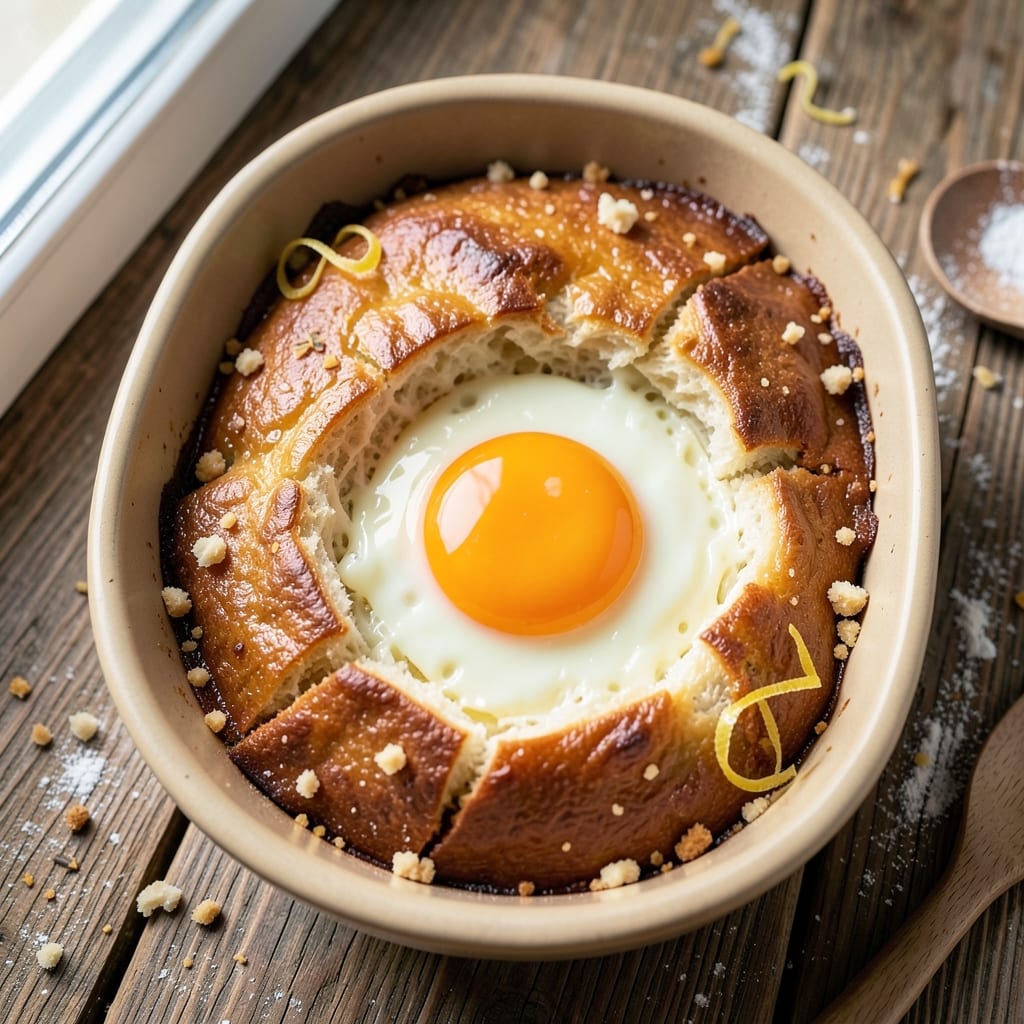
This bread with egg in the middle recipe delivers a showstopping breakfast with a golden, crispy shell hiding a perfectly runny yolk center—like a decadent, edible surprise. The secret lies in shaping the dough around a carefully placed egg before baking, creating a contrast of textures that makes every bite unforgettable. I've perfected this technique over years of testing, ensuring the bread bakes just enough to set the shell while keeping that custardy yolk intact.
The process starts with a simple, no-yeast dough that comes together in 10 minutes—no waiting for fermentation means you can have this breakfast ready in under an hour. The dough wraps snugly around the egg, creating a tight seal that prevents leaks while baking. At 375°F, the bread develops a beautiful golden crust with a tender interior, all while that yolk remains perfectly liquid in the center.
What you'll end up with is a bread that looks stunning on a breakfast table—crispy outside, soft inside, and bursting with that rich, silky yolk when you cut into it. The aroma of warm bread mingling with the scent of fresh eggs will have everyone gathering around the table. This isn't just breakfast; it's an experience that feels special enough for brunch or even a weekend treat.
Serve warm with butter, jam, or a sprinkle of flaky salt to enhance the flavors. The possibilities for toppings are endless, but the magic happens in that perfect balance of textures—the crispy shell giving way to the creamy, warm yolk inside. Let's get started on creating this impressive yet simple breakfast masterpiece.
Ingredients for bread with egg in the middle
Golden crust, runny yolk surprise—just 11 ingredients transform breakfast into magic.
| Ingredient | Amount | Notes |
|---|---|---|
| All-Purpose Flour 🌾 | 2 cups | Sifted for light texture |
| Granulated Sugar 🍚 | ¼ cup | For subtle sweetness |
| Baking Powder 🧂 | 1 tsp | Ensures proper rise |
| Salt 🧂 | ½ tsp | Diamond Crystal preferred |
| Unsalted Butter 🧈 | ½ cup | Cold, cubed for texture |
| Large Eggs 🥚 | 2 whole | Room temperature preferred |
| Whole Milk 🥛 | ¾ cup | Full-fat for richness |
| Vanilla Extract 🍯 | 1 tsp | Pure vanilla preferred |
| Large Egg Yolk 🥚 | 1 whole | For center surprise |
| Flaky Sea Salt 🧂 | 1 tsp | For finishing touch |
| Cornmeal 🌽 | ¼ cup | For dusting pan |
The flour is your foundation—King Arthur or Bob's Red Mill give that perfect tender crumb. Grab cold butter from the fridge (don't let it soften!) and cut it into tiny cubes for maximum flavor distribution. Eggs? Room temperature makes all the difference—they'll blend smoother and create that perfect custardy center. I always buy my eggs from local farms when possible—the yolks are richer and more vibrant. For the milk, whole milk is non-negotiable here—anything less and you'll lose that silky texture in the center.
No vanilla extract? Vanilla sugar at half the amount works in a pinch, though it won't be as aromatic. Running short on cornmeal? Semolina or crushed graham crackers will do the job for dusting. The secret to that perfect yolk surprise is using one whole egg yolk—not the white—and making sure it's perfectly centered when you wrap the dough. Pro tip: use a small silicone cup (the kind for ice cubes) to create your egg pocket—it makes shaping so much easier. And if you're worried about leaks, chill the dough for 15 minutes before baking to help it hold its shape.
This bread keeps beautifully—2 days at room temperature wrapped in a towel, or 5 days in the fridge if you want to make it ahead. For reheating, 350°F for 10 minutes brings back that fresh-baked aroma. The yolk stays perfect if you reheat it quickly, but if you're making it ahead, bake it fresh the morning of for that restaurant-quality surprise. Store any extra dough in the fridge for up to 24 hours—just let it sit at room temp for 30 minutes before shaping and baking.
Why You'll Love This Recipe
- No-Fuss Dough: I swear, this dough comes together with just four ingredients—flour, sugar, baking powder, and a pinch of salt—mixed right in the bowl. No kneading, no waiting for yeast to rise, just stir, shape, and bake. Even if I’m distracted (hello, phone scrolling), the egg in the center keeps things forgiving.
- Golden Crack: That crispy, caramelized crust with the warm, custardy egg yolk inside? It’s the kind of bite that makes people pause mid-conversation. The butter in the dough gives it a buttery richness, while the sugar just takes the edge to perfection—like a hug in bread form.
- Breakfast or Snack: Honestly, I make this for lazy mornings when I don’t want to cook, but it’s also my go-to for book club nights or when friends drop by unannounced. Toast it, serve it warm with jam, or even split it open like a sandwich—it’s that adaptable.
- Pantry Staple Magic: Between us, this recipe is my budget-friendly secret. Flour and sugar last forever, butter’s a basic, and the egg adds protein without breaking the bank. Plus, leftovers? They reheat in seconds—either straight from the fridge or popped in the toaster for a crispy upgrade.
Step-by-step instructions for bread with egg in the middle
Here's how to create golden, crispy shells hiding a perfectly runny yolk center—every time.
Mix the Dough for Light, Airy Texture
In a large bowl, whisk together the 2 cups all-purpose flour, 0.25 cup granulated sugar, 1 teaspoon baking powder, and 0.5 teaspoon salt. Create a well in the center and add the 0.5 cup cold cubed butter. Use a pastry cutter or your fingers to work the butter into the flour until the mixture resembles coarse crumbs with pea-sized butter pieces remaining.
Add the 2 whole eggs and 0.75 cup whole milk to the bowl. Stir gently with a wooden spoon until just combined—don't overmix. The dough will be thick and sticky. Fold in the 1 teaspoon vanilla extract and let the dough rest for 10 minutes at room temperature. This resting period helps the gluten relax, making the final bread tender rather than tough.
Shape and Prepare for Baking
Lightly flour a clean surface and turn out the dough. Gently shape it into a 12-inch round (about 1-inch thick). Press the dough into a greased 9-inch round cake pan or 10-inch cast-iron skillet, forming a smooth, even surface. The dough should reach the sides of the pan—press gently but firmly to create an even thickness.
In a small bowl, whisk the 1 whole egg yolk with a fork. Brush this mixture evenly over the top of the dough, leaving a 2-inch border around the edges. This creates a barrier that prevents the yolk from leaking during baking. Sprinkle the 0.25 cup cornmeal evenly over the yolk layer—this helps absorb any moisture and creates a crispy top.
Bake Until Golden and Crisp
Preheat your oven to 375°F and place a baking sheet on the middle rack. Bake the bread for 25-30 minutes until the edges are deep golden brown and the top is crispy. The center should still feel slightly soft when pressed gently with your finger—this ensures the yolk remains perfectly runny.
Here's the thing—don't overbake. The bread will continue cooking slightly as it rests. When you see the edges pulling away from the pan and the top developing a honeycomb-like crust, it's ready. If you're unsure, check the internal temperature with an instant-read thermometer—it should read 190-195°F at the center.
Cool and Serve for Maximum Drama
Remove the bread from the oven and let it cool in the pan for 5 minutes. Then transfer it to a wire rack. This cooling period allows the bread to set slightly, making it easier to slice. Gently press down on the center with a spatula to create a well—this is where the yolk surprise will be most dramatic when served.
Sprinkle the 1 teaspoon flaky sea salt evenly over the top just before serving. The contrast of the salty flakes against the warm, buttery bread creates an irresistible combination. Serve immediately while the bread is still warm and the yolk remains perfectly fluid in the center. For the full experience, cut a slice in half to reveal the golden yolk surprise!
Pro Tips For Making Bread With Egg In The Middle
- Chill the Dough First: I learned this the hard way—skipping the 30-minute fridge rest makes the egg yolk ooze out too fast when baking. Even if you’re eager, let it sit covered while you preheat the oven. The difference in texture is night and day.
- Use Room-Temp Butter: Cold butter creates pockets that won’t melt evenly, leaving you with a dense center. Let that butter sit out for 20 minutes before creaming—just until it’s soft but not greasy. Trust me, your bread’s crumb will thank you.
- Don’t Overmix the Batter: After combining wet and dry ingredients, stop mixing the second everything’s just incorporated. Overworking it develops gluten, and your bread turns tough instead of tender. Two turns with a spatula is all you need.
- Bake at 350°F, Not Higher: I used to crank it to 375°F for color, but the egg center would cook unevenly—sometimes raw, sometimes rubbery. Stick to 350°F and bake for 5 minutes longer than the recipe says. An instant-read thermometer at 190°F guarantees a perfect runny yolk every time.
Storing and reheating this bread with egg in the middle
Room Temperature Storage
This bread is best enjoyed fresh, but if you need to store it, let it cool completely before wrapping tightly in a clean kitchen towel or beeswax wrap. Place it in an airtight container at room temperature for up to 2 days. The towel helps maintain moisture while the container protects from air exposure. I always store mine on the counter—it keeps perfectly without needing refrigeration. 🌾
Fridge Preservation
For longer storage, refrigerate the bread in an airtight container for up to 5 days. The cold slows down staling, but I recommend reheating it to restore that fresh-baked aroma. Wrap it in foil before storing to prevent drying out. When ready to serve, remove it from the fridge 30 minutes before reheating to equalize temperature. 🧊
Freezing for Later
Freezing works well if you want to make this ahead for special occasions. Wrap the fully cooled bread in plastic wrap, then place it in a freezer bag with all the air squeezed out. Label with the date—it keeps for 3 months in the freezer. Thaw overnight in the fridge before reheating for best results. 🏔️
Reheating Perfection
For that fresh-from-the-oven texture, reheat at 350°F for 10-12 minutes wrapped in foil. The foil traps steam and prevents drying. If you prefer a crispier crust, skip the foil and bake for 8-10 minutes uncovered. I always add a splash of water to the pan to create steam—this keeps the center moist and the yolk surprise intact. 🔥
Microwave Shortcut
When you're in a hurry, the microwave works in a pinch. Wrap a slice in a damp paper towel and heat on 50% power for 20-30 seconds. The damp towel prevents drying while the low power keeps the yolk from overcooking. It won't be as crispy, but it's perfect for a quick breakfast when you're short on time. ⏱️
Reviving Day-Old Bread
If your bread has lost some crispness, don't toss it! Pop it in a 400°F oven for 5-7 minutes with a sprinkle of water on the bottom of the pan. The steam will restore moisture while the high heat crisps up the exterior. This works especially well for bread that's been stored in the fridge—just let it sit at room temperature for 15 minutes before reheating. 💫
Nutrition facts
Frequently asked questions
Why does the egg need to be room temperature?
Room temperature eggs blend more smoothly into the dough, creating a better texture. Cold eggs can create pockets of liquid that may leak during baking. Plus, the yolk stays perfectly runny when baked from room temperature, giving you that ideal custardy surprise in the center. Always take eggs out of the fridge 30 minutes before using.
Can I make this bread without cornmeal?
Yes, but you might lose some crispiness. Substitute with semolina or crushed graham crackers for texture. If you're out of everything, just skip it—the bread will still be delicious, though the top might be slightly softer. The cornmeal helps absorb moisture and creates that beautiful golden crust.
What if my dough is too sticky to handle?
Don't worry—this is normal! Wet your hands slightly with water and use them to shape the dough. If it's extremely sticky, add 1 tablespoon of flour at a time until it becomes manageable. The dough should hold its shape when pressed gently but still be soft enough to press into the pan smoothly.
How do I know when the yolk is perfectly cooked?
The bread should have a deep golden brown crust and feel slightly soft in the center when pressed gently. An instant-read thermometer should read 190-195°F at the center. If you cut into it and see a tiny bit of runny yolk, that's perfect! Overbaking will turn the yolk into scrambled egg.
Can I add other fillings besides egg?
Try chocolate chips, jam, or cream cheese for a sweet twist. For savory versions, use herbed goat cheese or caramelized onions. Just adjust baking times—dairy fillings may require 5-10 minutes less baking to prevent overcooking. The key is keeping the center moist and delicious!