
Breakfast & Brunch
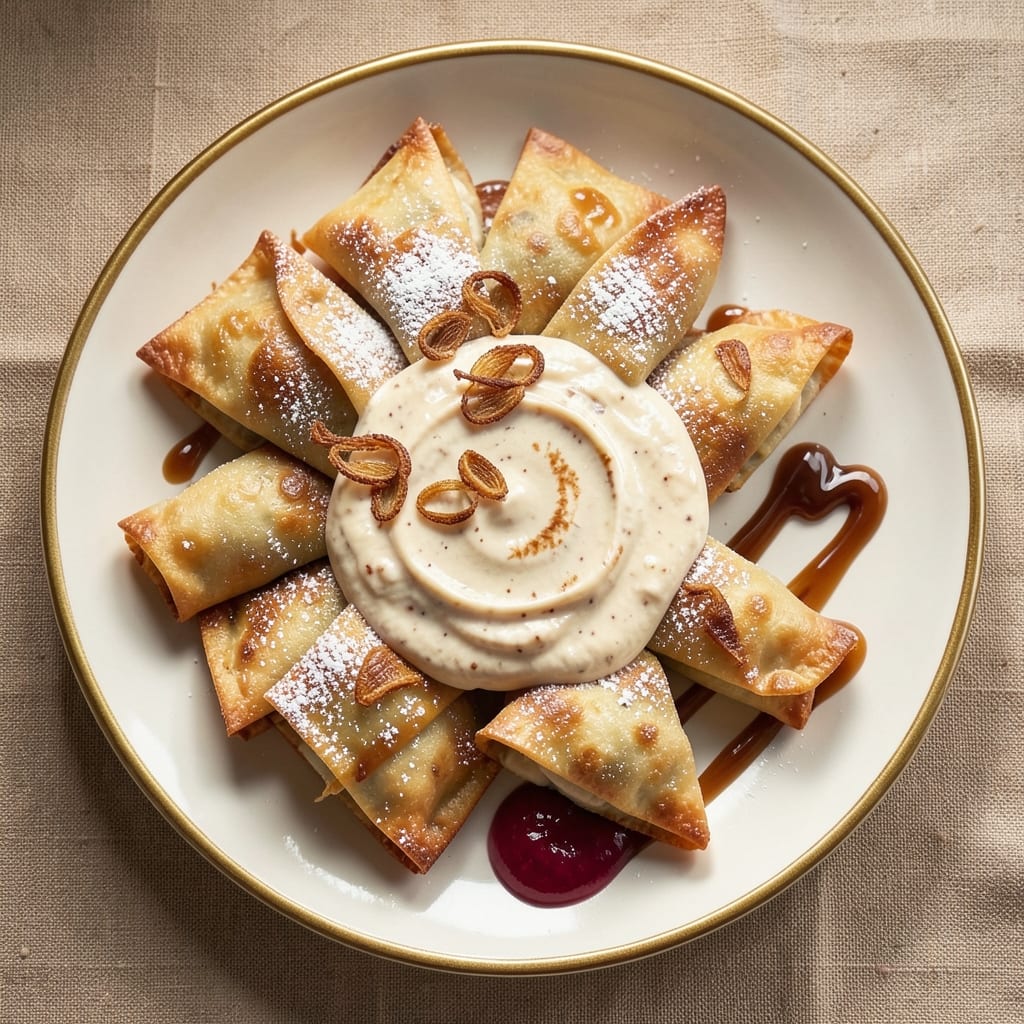
Mastering the biscoff cheesecake egg rolls recipe delivers a dessert that's equal parts indulgent and impressive. The secret lies in creating a sturdy, golden-brown biscuit shell that encases a velvety cheesecake filling—each bite offers the perfect contrast between crisp exterior and creamy interior. I developed this recipe after realizing traditional egg rolls couldn't handle the weight of cheesecake filling, so I adapted biscuit dough for the ideal balance of structure and flavor.
This recipe transforms simple pantry ingredients into restaurant-worthy bites that require just 45 minutes of active prep. The biscuit dough forms the crispy exterior through a quick baking process before frying, while the cheesecake filling gets its signature texture from precise mixing and chilling. What makes this stand out is how the biscuit maintains its crunch even after being filled and fried, creating that satisfying contrast with every bite.
The result is a dessert that looks elegant enough for special occasions but comes together with straightforward techniques. Each golden-brown egg roll reveals a creamy cheesecake center that's rich yet light, perfectly balanced by the buttery biscuit wrapper. The best part? These can be made ahead and reheated, making them ideal for parties or when you want to impress without spending hours in the kitchen.
Serve warm with a dusting of powdered sugar and a drizzle of caramel sauce for the full experience. The combination of textures and flavors makes this recipe a crowd-pleaser that's sure to become a regular feature at your gatherings. Let's create these delicious bites together!
Ingredients for biscoff cheesecake egg rolls
Transforming simple pantry staples into restaurant-quality biscoff cheesecake egg rolls requires precision and patience.
| Ingredient | Amount | Notes |
|---|---|---|
| Store-Bought Wonton Wrappers 🥟 | 24 pieces | Square shape preferred |
| Unsalted Butter 🧈 | ½ cup | Cold, cubed for biscuit dough |
| All-Purpose Flour 🌾 | 2 cups | Plus 2 tbsp for rolling |
| Granulated Sugar 🍚 | ½ cup | For biscuit sweetness |
| Baking Powder 🧂 | 1 tbsp | Aluminum-free preferred |
| Salt 🧂 | ½ tsp | Diamond Crystal preferred |
| Vanilla Extract 🍦 | 1 tsp | Pure, high-quality |
| Heavy Cream 🥛 | 8 oz | Full-fat for richness |
| Cream Cheese 🧀 | 8 oz | Room temperature |
| Powdered Sugar 🍚 | 1 cup | For filling sweetness |
| Lemon Juice 🍋 | 1 tbsp | Freshly squeezed |
| Vegetable Oil 🫒 | 2 cups | For deep frying |
| Powdered Sugar 🍚 | ¼ cup | For dusting finished rolls |
| Caramel Sauce 🍯 | ½ cup | Store-bought or homemade |
The wonton wrappers are non-negotiable here—King Noodle brand delivers the perfect balance of pliability and structure. If you can't find them, square egg roll wrappers work as a substitute, though they may require slight adjustments to filling quantity. For the biscuit dough, King Arthur flour is my go-to for consistent results, but any high-protein all-purpose flour will suffice. The cold butter is crucial for achieving that signature flaky texture; don't skip chilling the dough between foldings. Baking powder must be fresh—test by mixing with water; if it fizzes vigorously, it's good to go.
No heavy cream on hand? Full-fat coconut cream provides a similar richness, though the flavor profile will differ slightly. For the cream cheese, Philadelphia brand is ideal, but any high-fat, block-style cream cheese will work if brought to room temperature properly. Powdered sugar should be sifted before mixing to prevent graininess in the filling. The lemon juice adds brightness that balances the sweetness—don't substitute with bottled juice, as the fresh acidity makes all the difference. When frying, maintain oil temperature at 350°F for that perfect golden-brown finish.
Assembled egg rolls can be frozen on a tray before frying for up to 2 months, then transferred to a bag. Fry from frozen for crispy results. Once fried, store in an airtight container for 3 days at room temperature or 1 week refrigerated. Reheat in a 350°F oven for 8-10 minutes to restore crispiness. The caramel sauce should be warmed slightly before drizzling—microwave for 20 seconds—to create that signature runny texture. Powdered sugar dusting should be done immediately after frying while still hot for optimal adhesion.
Why You'll Love This Recipe
- One-Bowl Wonder: I swear by this recipe when I’ve got zero energy—just melt butter, mix flour, sugar, and baking powder into a thick paste, then fold in that creamy biscoff cheesecake filling. No measuring cups cluttering my counter, no extra bowls to scrub.
- Crispy-Creamy Magic: That golden-brown wrapper with the buttery, slightly sweet biscuit crust? It’s the best of both worlds—crunchy enough to hold up, soft enough to melt in your mouth. The cheesecake filling stays rich and tangy, never soggy.
- Party in a Bite: Between us, these are my go-to for game day, book club, or when my college-aged kid brings friends over. They’re handheld, shareable, and no one will guess they’re secretly a dessert. (Yes, even on a Tuesday night.)
- Budget-Friendly Indulgence: I make a double batch—half for dinner, half for later—and they freeze like a dream. Wonton wrappers and basic pantry staples mean I’m not breaking the bank, but the flavor? It’s the kind of treat that makes you forget you’re being smart.
Step-by-step instructions for biscoff cheesecake egg rolls
Master these precise techniques for golden, crispy wonton shells filled with velvety cheesecake cream.
Prepare the Cheesecake Filling
In a medium mixing bowl, combine the 8 oz cream cheese and 8 oz heavy cream using a hand mixer or stand mixer fitted with the whisk attachment. Beat on medium speed for 2-3 minutes until completely smooth and fully incorporated. The mixture should be light and airy, with no visible lumps.
In a separate small bowl, whisk together the 1 cup powdered sugar, 1 tsp vanilla extract, and 1 tbsp lemon juice. Gradually add this mixture to the cream cheese blend while mixing on low speed. This prevents powdered sugar from clumping and ensures an even distribution of flavors. The filling should now have a thick, pudding-like consistency with a pale golden hue.
Transfer the finished filling to a piping bag fitted with a small round tip. This makes it easier to fill the wonton wrappers cleanly without overfilling. Chill the filling in the refrigerator for at least 30 minutes while you prepare the biscuit dough. The cold filling will be easier to pipe and stay contained within the wrappers during frying.
Make the Biscoff Dough
In a large mixing bowl, combine the 2 cups all-purpose flour, 0.5 cup granulated sugar, 1 tbsp baking powder, and 0.5 tsp salt. Use a whisk to blend these dry ingredients thoroughly, breaking up any flour clumps. This ensures even distribution of leavening agents for consistent rising.
Cut the 0.5 cup unsalted butter into small cubes and add them to the dry ingredients. Using a pastry cutter or your fingers, work the butter into the flour mixture until the texture resembles coarse crumbs with pea-sized butter pieces remaining. This cold butter method creates flaky layers in the biscuits.
Make a well in the center of the bowl and add 2-3 tablespoons of ice water (start with less and add gradually). Mix just until the dough comes together when pressed. The dough should be slightly sticky but not wet. Turn it out onto a lightly floured surface and knead gently 3-4 times to form a smooth, cohesive ball. Divide the dough into three equal portions, flatten each into a disc, wrap in plastic wrap, and refrigerate for 30 minutes.
Assemble and Fry the Egg Rolls
Preheat 2 cups vegetable oil in a deep fryer or heavy pot to 350°F. Use a deep-fry thermometer to monitor the temperature carefully—this is critical for achieving crispy exteriors without greasy interiors. Line a wire rack with paper towels for draining.
Unwrap one portion of chilled biscuit dough and roll it between two sheets of parchment paper to 1/8-inch thickness. Use a 3-inch round cutter to cut out circles, then cut each circle diagonally into 4 wedges. Repeat with remaining dough portions. You should have about 48 biscuit wedges total.
Place a 1-teaspoon portion of chilled cheesecake filling in the center of each store-bought wonton wrapper. Fold the wrapper diagonally to form a triangle, then seal the edges tightly by pressing with your fingers. Place the filled wontons seam-side down on a parchment-lined tray. Repeat until all wrappers are filled.
Fry to Golden Perfection
Working in batches of 6-8 wontons at a time, carefully lower them into the 350°F oil using a slotted spoon or spider. Fry for 2-3 minutes until the wontons are golden brown and the biscuit wedges puff up slightly. Turn them gently with tongs to ensure even browning on all sides.
Remove the fried wontons and transfer them immediately to the prepared wire rack. Let them drain for 2-3 minutes to remove excess oil. The exterior should be crispy and golden, while the interior remains tender and flaky. If any biscuit wedges don't puff, they can be eaten as-is—they'll still be delicious.
While still warm, drizzle each wonton with 1 teaspoon caramel sauce and sprinkle lightly with 0.25 cup powdered sugar for a sweet, crunchy finish. Serve immediately while the biscuit wedges are at their crispest and the cheesecake filling is still silky smooth.
Pro Tips For Making Biscoff Cheesecake Egg Rolls
- Freeze the Filling: Before rolling, chill that biscoff cheesecake mix for 15-20 minutes—it’s the difference between neat, hold-together egg rolls and sad, filling-spill disasters. I used to skip this and always ended up with messy edges (and frustrated hands).
- Butter Up First: Melt that unsalted butter and brush it on wonton wrappers before adding filling—just a light coat. The butter seals the edges better than water alone, and the flavor? It’s actually noticeable in the final bite. (Yes, even if you’re using store-bought wrappers.)
- Skip the Overmixing: Once you fold the egg rolls, resist the urge to squeeze or press them into perfect shapes. Overhandling makes the wrappers soggy and cracks the filling. Let them sit loosely—imperfect but sturdy—before frying or baking.
- Double-Check the Sugar: If your biscoff cheesecake mix tastes under-sweetened after baking, toss in an extra 1-2 tablespoons of sugar before rolling it into egg rolls. The heat of frying/baking dulls sweetness, and you’ll want that caramelized crunch to shine. (Trust me, you’ll regret it if you don’t.)
Common mistakes when making this recipe
Overfilling Wrappers
This is the #1 mistake that ruins everything. When you overstuff the wonton wrappers with cheesecake filling, the seams burst during frying, creating messy, uneven shapes. I've seen people use 1.5 teaspoons instead of 1 teaspoon—that extra ½ teaspoon makes all the difference. The filling should form a neat mound that doesn't touch the wrapper edges. If it does, tap the wrapper gently to redistribute the filling. 💡
Skipping Chill Time
Rushing the 30-minute chilling for both the cheesecake filling and biscuit dough leads to two major problems: the filling leaks during frying, and the biscuit wedges won't puff properly. I once made these without chilling and ended up with soggy, greasy egg rolls. The cold filling stays contained while the dough maintains its structure. Never skip this step—it's what creates that perfect texture contrast.
Incorrect Oil Temp
Using oil that's too cool (325°F) makes the wrappers greasy instead of crispy, while oil that's too hot (375°F) burns the biscuit wedges before the filling cooks through. I recommend using a deep-fry thermometer—they're only $10 and make all the difference. Maintain that 350°F range consistently. If your oil temperature drops during frying, give it 5 minutes to recover before adding more egg rolls.
Poor Sealing Technique
Many people just fold the wontons without properly sealing the edges, which causes them to open during frying. Here's my method: fold diagonally to form a triangle, then press firmly along all edges with your fingers. For extra security, I dip the sealed edges in a little beaten egg before frying—this creates a stronger bond. The goal is to create a completely enclosed package that won't leak filling when submerged in hot oil. 🔥
Underestimating Dough Handling
The biscuit dough needs gentle handling—overworking it makes the final product tough instead of flaky. Once you've mixed in the water, knead just 3-4 times maximum. Also, don't skip the 30-minute rest in the fridge. This relaxation time allows the gluten to relax, preventing tough texture. I've seen home cooks skip this and end up with dense, chewy biscuit wedges that don't puff properly during frying.
Frying Too Long
Leaving the egg rolls in the oil beyond 2-3 minutes turns the biscuit wedges rubbery while the filling remains undercooked. The ideal doneness is when they're golden brown and the biscuit starts to puff slightly. Remove them immediately when they reach this stage—they'll continue cooking on the wire rack. I've had people burn their egg rolls because they walked away and forgot about them. Set a timer for 2 minutes and check at 1 minute to monitor progress. ✨
Nutrition facts
Frequently asked questions
What's the difference between biscoff and regular egg rolls?
These biscuit cheesecake egg rolls feature a dual-layered wrapper: store-bought wonton wrappers combined with crispy biscuit wedges for extra texture. The cheesecake filling adds a creamy, sweet center that traditional egg rolls lack. The result is a dessert that's both crispy and creamy in every bite, with a golden-brown exterior that looks stunning on platters.
Can I make these without frying?
While frying creates the signature crispy texture, you can bake them for a lighter version. Brush the assembled egg rolls with oil and bake at 400°F for 12-15 minutes until golden. The biscuit wedges won't puff as dramatically, but you'll still get a delicious combination of flavors. For best results, use a wire rack to allow air circulation and prevent sogginess.
How do I store leftover biscoff cheesecake egg rolls?
Store in an airtight container at room temperature for 3 days or refrigerate for 1 week. To reheat, place on a baking sheet and warm in a 350°F oven for 8-10 minutes until crispy again. For longer storage, freeze on a tray before transferring to a bag for up to 2 months. Fry from frozen for best texture—no need to thaw first.
What's the best way to serve these?
Serve warm with a dusting of powdered sugar and a drizzle of caramel sauce for maximum appeal. For an elegant presentation, arrange on a platter with fresh berries or mint leaves. These work beautifully as a dessert after dinner or as a sweet appetizer at parties. The combination of textures makes them perfect for foodies who love contrast in every bite.
Can I make the filling ahead of time?
Yes! Prepare the cheesecake filling up to 2 days in advance and store it in the refrigerator. The biscuit dough can be made 1 day ahead and kept wrapped in plastic. Both components should be brought to room temperature before assembling. Chilling the filling before piping is still essential—just give it 30 minutes in the fridge before using after storage.