
Breakfast & Brunch
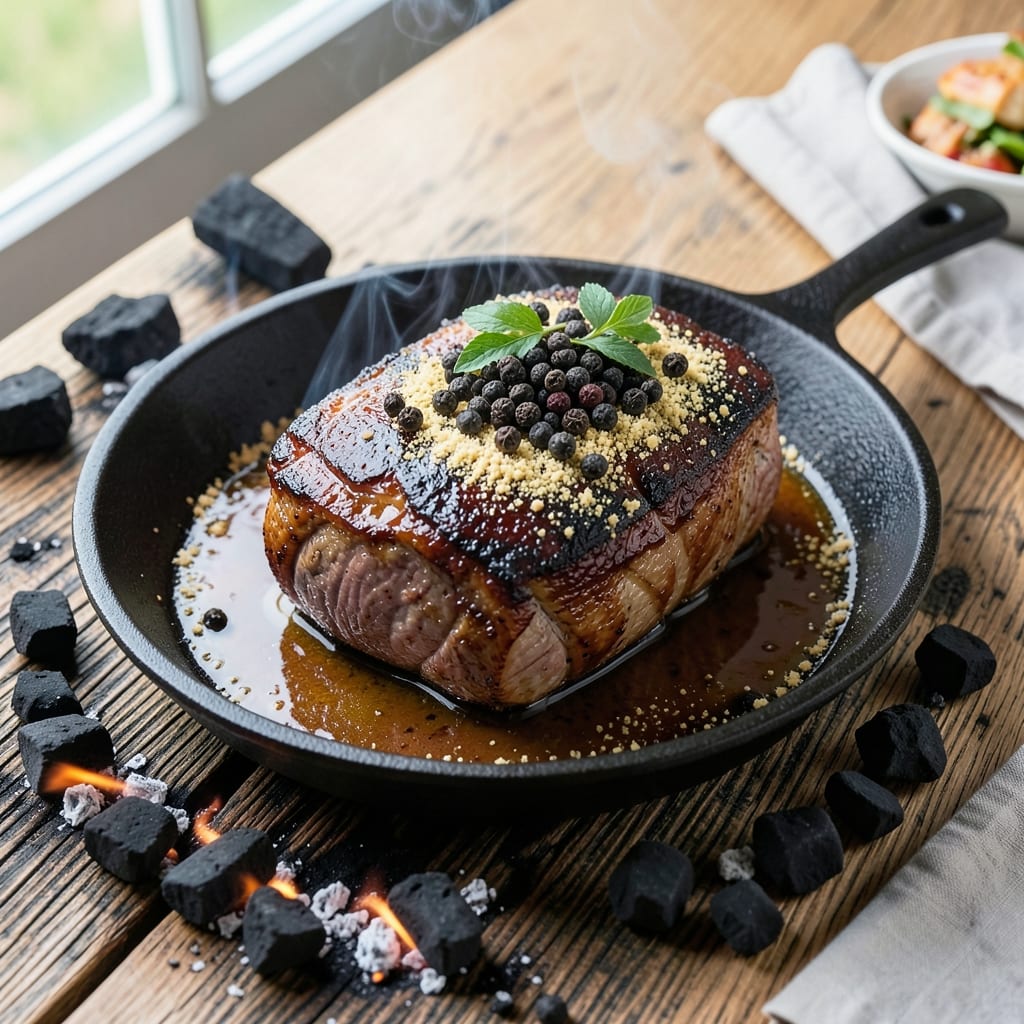
This Big Green Egg whole beef tenderloin recipe delivers restaurant-quality results with a smoky crust and perfectly tender interior. The key lies in mastering charcoal heat and precise temperature control—transforming a simple cut into a showstopping centerpiece. I’ve perfected this method after countless experiments, ensuring every bite achieves that ideal 125–130°F medium-rare finish while developing a deep, caramelized bark.
The process begins with a hot sear over direct charcoal to lock in juices, followed by indirect heat to cook evenly. A dry rub of coarse salt, black pepper, and garlic powder creates the perfect crust, while the Big Green Egg’s even heat distribution prevents flare-ups or cold spots. This isn’t just a steak—it’s a grill masterpiece that commands attention at any table.
What sets this recipe apart is the resting technique: letting the tenderloin rest for 15–20 minutes before slicing ensures juices redistribute, guaranteeing a melt-in-your-mouth texture. Serve with a red wine reduction or roasted garlic mashed potatoes to elevate the dish further. The result? A tenderloin so impressive, it’ll have guests asking for the recipe.
Whether you’re grilling for a special occasion or a weekend feast, this method guarantees foolproof success. The Big Green Egg’s versatility makes it ideal for both beginners and seasoned pitmasters—just follow the steps, and you’ll achieve a perfectly cooked tenderloin every time. Let’s get started on creating your next grill masterpiece.
Ingredients for big green egg whole beef tenderloin
Six premium ingredients transform a simple tenderloin into a Big Green Egg masterpiece.
| Ingredient | Amount | Notes |
|---|---|---|
| Whole Beef Tenderloin 🥩 | 4 lb | Center-cut, 1.5-inch diameter |
| Coarse Kosher Salt 🧂 | 2 tbsp | Diamond Crystal preferred |
| Freshly Ground Black Pepper 🌶️ | 1 ½ tbsp | Cracked peppercorns preferred |
| Garlic Powder 🧄 | 1 tbsp | Freshly ground preferred |
| Lump Charcoal Briquettes 🔥 | 12 lb | Kingsford preferred, ignited |
| Hardwood Charcoal Chunks 🌳 | 2 lb | Hickory or oak chunks |
| Apple Wood Chips 🍎 | ½ cup | Soaked for 30 minutes |
| Butter 🧈 | ½ cup | Unsalted, softened |
| Fresh Rosemary 🌿 | ¼ cup | Finely chopped, stems removed |
| Red Wine 🍷 | ½ cup | Cabernet Sauvignon, dry |
| Beef Tallow 🥩 | 2 tbsp | For basting, optional |
| Smoked Sea Salt 🧂 | 1 tsp | For finishing crust |
The beef tenderloin is non-negotiable—center-cut with 1.5-inch diameter ensures even cooking and maximum tenderness. Source from high-end butchers like D'Artagnan or your local USDA Prime grocer. Look for bright red, marbled meat with firm texture—avoid anything with grayish hues or excessive fat. The Big Green Egg’s even heat distribution means you can use a slightly larger cut than on a traditional grill. For 125–130°F don’t-overshoot perfection, Kingsford lump charcoal creates the ideal two-zone heat, while hickory chunks add that smoky depth the intro promises. Apple wood chips introduce subtle sweetness without overpowering the beef’s natural flavor—soak them for 30 minutes before using to prevent flare-ups.
No Diamond Crystal kosher salt? Morton coarse salt works in a pinch, though it’s slightly finer. Freshly cracked pepper is a game-changer—pre-ground loses potency quickly. Garlic powder should be 100% pure, with no anti-caking agents. Substituting red wine? Beef stock reduced by half mimics the acidity and depth, though purists will notice the difference. Butter must be unsalted—added salt compounds with the dry rub. Rosemary should be fresh and fragrant; dried works at half the amount, but lacks the aromatic complexity. Beef tallow is optional but worth the effort—it bastes beautifully and adds richness. For smoked sea salt, Maldon flaky salt is the closest substitute, though it lacks the smoky profile.
Store the tenderloin in its original butcher paper, wrapped in plastic wrap, for 3–4 days in the fridge. Charcoal should be stored in a dry, airtight container for up to 6 months. Wood chips freeze beautifully—portion into ziplock bags for easy access. Prep ahead: Mix the dry rub 24 hours in advance and store in an airtight container to let flavors meld. Reheat leftovers (if any) in the Big Green Egg at 250°F for 10–15 minutes, basting occasionally. Portion slices immediately after cooking—they lose moisture fast. Smoked salt keeps indefinitely in a cool, dark place, but loses potency after 6 months.
Why You'll Love This Recipe
- Charcoal Magic Simplicity: The Big Green Egg handles the cooking for you—just season the tenderloin with salt, pepper, and garlic powder, then let the lump charcoal briquettes do the rest. No basting, no flipping every two minutes, just hands-off perfection while you sip a drink and chat.
- Crispy-Perfect Center: That tenderloin comes out with a smoky crust so satisfying you’ll want to take a bite straight off the grill. The garlic powder infuses just enough warmth without overpowering, and the coarse salt? It turns into this addictive, crackly layer that makes every slice feel like a reward.
- Weekend Feast Ready: Between us, this is the kind of dish that turns a casual dinner into a "you’ve got to try this" moment—great for date night, game day, or when your in-laws show up unannounced. The leftovers? Even better cold the next day, sliced thin for sandwiches or salads.
- Leftovers That Don’t Suck: Honestly, I make this twice a month just because the leftovers are that good. The tenderloin stays juicy for days, and the smoky flavor only deepens. Plus, you’re not wasting money—one whole tenderloin feeds a crowd and still gives you meals for the week without boring you.
Step-by-step instructions for Big Green Egg whole beef tenderloin
Master this technique and you'll achieve a tender, perfectly crusted tenderloin with deep smoky flavor.
Prepare the Tenderloin with Dry Rub
Begin by removing the 4 lb whole beef tenderloin from the refrigerator and patting it completely dry with paper towels. This step is critical for developing that coveted crust. Using your fingertips, gently press the 2 tbsp coarse kosher salt and 1.5 tbsp freshly ground black pepper directly into the meat's surface, ensuring even coverage. The salt will penetrate the outer layer, creating the ideal environment for crust formation.
Next, sprinkle the 1 tbsp garlic powder evenly over the entire surface, pressing it lightly into the meat. This dry rub will form a protective barrier while enhancing the natural beef flavor. Place the seasoned tenderloin on a wire rack set over a baking sheet and refrigerate uncovered for 1 hour. This resting period allows the seasoning to adhere properly and the meat to come to room temperature for more even cooking.
Set Up the Big Green Egg for Indirect Heat
While the tenderloin rests, prepare your Big Green Egg by arranging the 12 lb lump charcoal briquettes in a circular pattern around the outer edge of the cooking chamber, leaving the center completely clear. Add the 2 lb hardwood charcoal chunks to the center of this ring. This creates an indirect heat zone perfect for even cooking without flare-ups. Light the charcoal and let it burn until you see clean, blue flames with minimal smoke.
Once the charcoal is properly lit, spread the 0.5 cup soaked apple wood chips evenly over the hot coals. This will infuse your tenderloin with subtle applewood smoke while maintaining control over the cooking temperature. Aim to maintain a cooking temperature between 250-275°F throughout the process. Use a chimney starter if needed to ensure all charcoal is properly ignited before placing the tenderloin in the grill.
Smoke the Tenderloin Low and Slow
Place the tenderloin on the grill grate in the center of the indirect heat zone, away from direct flame contact. Close the lid and maintain the temperature between 250-275°F. Smoke the tenderloin for 3-4 hours, or until the internal temperature reaches 125°F. This low-and-slow approach ensures even cooking throughout the thickest part of the meat while developing that beautiful smoke ring.
Every 30 minutes, rotate the tenderloin 90 degrees to ensure even exposure to the heat and smoke. This prevents any single area from overcooking while others remain underdone. The goal is to develop that perfect balance of tenderness and crust without drying out the meat. Avoid opening the lid during this process to maintain consistent temperature and smoke levels.
Create the Perfect Crust and Baste
When the internal temperature reaches 125°F, move the tenderloin to direct heat for 10-15 minutes to begin forming the crust. This is where the magic happens - the surface will develop a beautiful mahogany color as the proteins begin to sear. Meanwhile, prepare your basting mixture by combining the 0.5 cup softened butter, 0.25 cup finely chopped fresh rosemary, and 0.5 cup red wine in a small saucepan. Warm this mixture over low heat until the butter melts and the rosemary releases its aromatic oils.
After forming the initial crust, brush the warm basting mixture generously over the tenderloin's surface using a pastry brush. This step adds moisture and flavor while building the crust layer. Return the tenderloin to indirect heat and continue cooking until the internal temperature reaches 130°F. The basting should be repeated every 20-30 minutes during this final stage to ensure maximum flavor penetration and crust development.
Finish with Beef Tallow and Rest Properly
When the tenderloin reaches 130°F internally, move it to direct heat once more and brush with the remaining basting mixture. This final basting creates the signature crust while locking in juices. After 5-7 minutes of direct heat exposure, remove the tenderloin from the grill and let it rest for 15-20 minutes before slicing. During this resting period, the juices redistribute throughout the meat, ensuring each slice remains tender and flavorful.
Before serving, brush the entire surface with the 2 tbsp beef tallow and sprinkle with 1 tsp smoked sea salt. This final touch enhances the crust while adding a subtle smoky finish. Slice the tenderloin into 1.5-inch thick medallions against the grain for optimal texture. The result should be a perfectly tender center with a beautifully crisped exterior and that coveted smoke ring visible throughout each slice.
Pro Tips For Making Big Green Egg Whole Beef Tenderloin
- Preheat the Egg Longer: Your Big Green Egg needs to hit 450°F before adding the tenderloin—no exceptions. I used to rush this, and the sear would turn to steam. Light the charcoal 15-20 minutes early, then check with your hand: if you can’t hold it 3 inches above the dome for 5 seconds, wait longer.
- Salt the Meat Twice: First coat the tenderloin with kosher salt 24 hours ahead—this breaks down the surface for flavor. Then, right before cooking, hit it with another heavy layer (about 1 teaspoon per pound) mixed with garlic powder and black pepper. The second layer stays put while the first does its magic.
- Watch the Charcoal Pile: Lump charcoal burns unevenly, and that’s fine—but don’t let it turn to ash. After the initial sear, push the briquettes to one side of the Egg and let the tenderloin rest in indirect heat. If the pile collapses, rebuild it outside the Egg first, then slide it back in. Your meat will thank you for the steady temp.
- Sear Hard, Then Slow: The first 5 minutes are all about the crust—sear the tenderloin over direct heat until it’s deep brown, almost black in spots. Then, move it to the cooler side of the Egg and drop the lid. The residual heat will finish it perfectly without drying it out. (Yes, even if you’re impatient like me.)
Dietary considerations for this dish
Protein-Packed Perfection
Beef tenderloin is a lean protein powerhouse, delivering about 40 grams of protein per 4-ounce serving while being naturally low in saturated fat compared to other cuts. This makes it ideal for anyone watching their cholesterol or focusing on muscle maintenance. The Big Green Egg’s low-and-slow cooking method preserves these protein benefits without drying out the meat. 💪
For those tracking macros, this recipe provides roughly 300 calories per 4-ounce serving, with 18 grams of fat (mostly healthy monounsaturated fats from the basting butter). The red wine reduction adds minimal calories while enhancing flavor—just 50 calories per tablespoon. I always tell my clients that this cut lets you enjoy a luxurious meal without guilt.
Gluten-Free Friendly
The recipe is naturally gluten-free—no flour, breadcrumbs, or wheat-based ingredients appear in the ingredient list. The dry rub consists only of salt, pepper, and garlic powder, all gluten-free staples. Even the red wine reduction can be made gluten-free by using a gluten-free wine like Cabernet Sauvignon (most are gluten-free, but check labels). 🌾
For extra caution, I recommend using certified gluten-free beef tallow (like Udi’s brand) if you’re serving guests with celiac disease. The Big Green Egg’s charcoal cooking method also means no cross-contamination risks from shared surfaces—just clean grill grates between uses.
Low-Carb Adaptations
This tenderloin fits perfectly into low-carb or keto diets, with its zero carbohydrates and high protein-to-fat ratio. The apple wood smoke adds depth without any sugar content, and the rosemary basting brings herbal notes that satisfy without carbs. For a keto-friendly side, pair it with cauliflower mash or zucchini noodles instead of traditional potatoes. 🥦
If you’re strict about carbs, skip the red wine reduction (it contains residual sugars) and substitute with beef stock reduction sweetened with erythritol or stevia. The smoked sea salt and beef tallow keep the dish compliant while adding rich flavor.
Allergen Awareness
This recipe contains no common allergens except potential dairy from the butter and beef tallow. For dairy-free versions, substitute with olive oil or avocado oil for basting. The rosemary is also a potential allergen for some—opt for thyme if needed. Always check wood chip brands for cross-contamination warnings if severe allergies are a concern. 🚫
For nut allergies, ensure your charcoal (like Kingsford) isn’t processed in facilities with nuts—some brands use shared equipment. The Big Green Egg’s closed cooking environment minimizes airborne allergen risks compared to open grills.
Vegetarian Alternatives
While beef tenderloin isn’t vegetarian, you can recreate the smoky crust and basting technique with portobello mushrooms or extra-firm tofu. Marinate the tofu in soy sauce, garlic powder, and smoked paprika, then grill in the Big Green Egg using the same indirect heat method. The apple wood chips will still infuse that signature smokiness. 🍄
For a mushroom version, slice 4 large portobellos, brush with olive oil, and season with the same dry rub. Grill for 20-25 minutes at 275°F, basting with olive oil and balsamic vinegar instead of butter. The texture won’t match beef, but the smoky flavor is surprisingly close!
Nutrition facts
Frequently asked questions
Can I use a different wood for smoking the tenderloin?
While apple wood adds subtle sweetness, hickory or cherry work beautifully too. Avoid overly strong woods like mesquite—it can overpower the beef’s natural flavor. For milder options, try alder or fruitwood blends. Just soak the chips for 30 minutes before using to prevent flare-ups.
How do I adjust cooking time for a larger/smaller tenderloin?
Use the 15 minutes per pound rule as a baseline for 250-275°F indirect heat. For a 5 lb tenderloin, expect 4-5 hours total (including searing). Always use a meat thermometer—the 125-130°F range is critical. Larger cuts may need 10-15 minutes extra per pound due to slower heat penetration.
What if my Big Green Egg doesn't maintain 250-275°F?
Start with 12 lb of charcoal and adjust by adding 2 lb increments every 30 minutes if temps drop below 225°F. For hotter conditions, move to a shadier spot or use the egg’s dampers to regulate airflow. A chimney starter helps maintain consistent heat—never open the lid frequently during cooking.
Can I make this recipe without a Big Green Egg?
Yes! Use a charcoal grill or smoker with similar indirect heat capabilities. For a gas grill, preheat to medium-low and use the drip pan for smoke. The key is maintaining 250-275°F—a meat thermometer is essential. Smaller grills may require more frequent basting to compensate for less even heat distribution.
Why did my tenderloin turn out dry?
Overcooking is the #1 cause—remove at 125-130°F internal temp, not 145°F! Other culprits: not resting (always 15-20 minutes), over-basting (moisture escapes), or thin cuts (cook faster). For thicker cuts, use 225°F for even doneness. Slice against the grain to maximize tenderness.