
Breakfast & Brunch
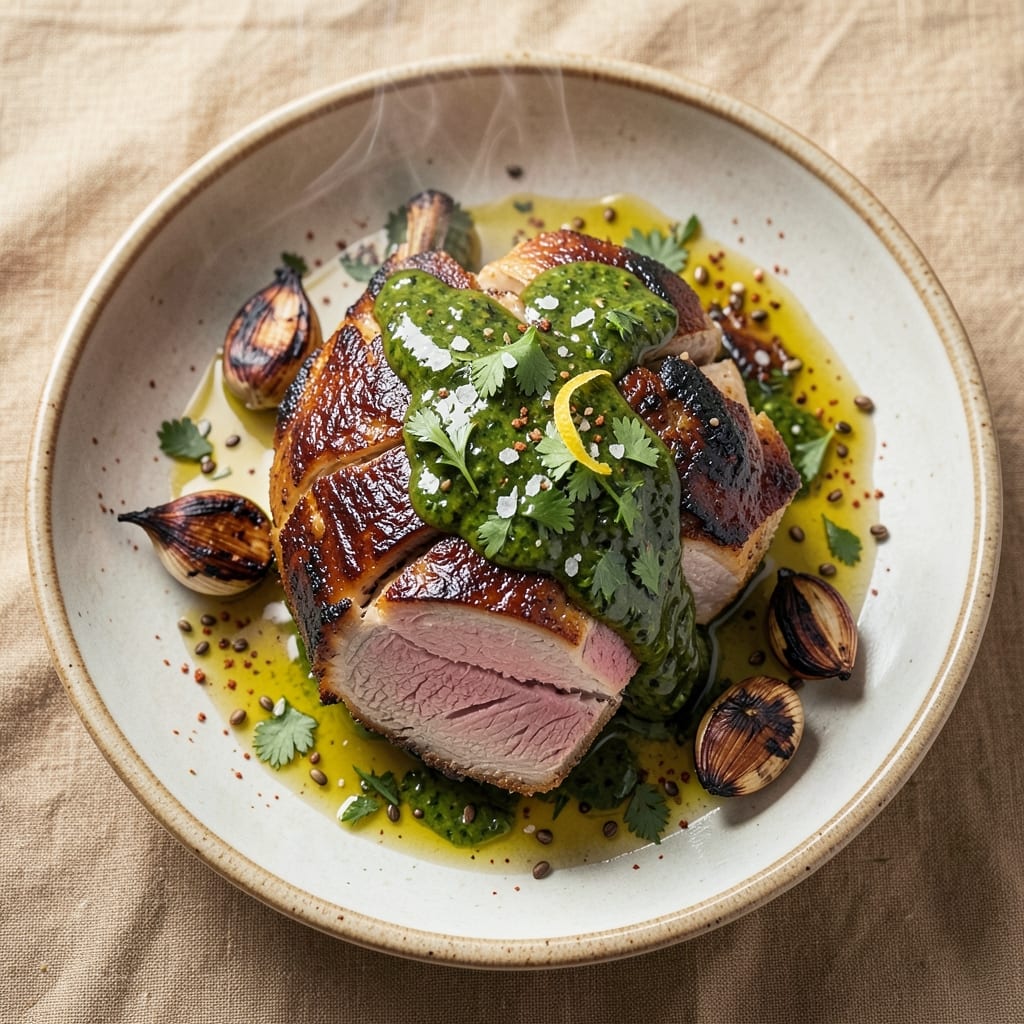
This Big Green Egg lamb shoulder recipe transforms tough cuts into melt-in-your-mouth perfection with just a few hours of hands-off cooking. The key lies in the slow, controlled heat of your Big Green Egg, which builds deep smoky flavor while breaking down collagen into tender, juicy meat. I've perfected this method over years of outdoor cooking, and the results never disappoint—rich, caramelized edges and meat so tender it practically falls apart at the touch.
The beauty of this recipe is its simplicity: you season the lamb shoulder generously, then let the Big Green Egg do the rest. Whether you're smoking it low and slow or searing it over direct heat, the cast iron's even heat distribution ensures consistent cooking. The secret weapon? A 30-minute rest before carving—this crucial step lets the juices redistribute, guaranteeing every bite is moist and flavorful.
What you'll end up with is a centerpiece dish that carries the essence of outdoor cooking—smoky, aromatic, and deeply satisfying. The lamb's natural richness pairs beautifully with complementary sides like roasted root vegetables or a fresh herb salad. This recipe isn't just about the lamb; it's about the experience of slow-cooked perfection that turns a simple shoulder into something extraordinary.
Perfect for weekend feasts or special occasions, this dish delivers restaurant-quality results with minimal effort. Let's get started on creating your most tender, flavorful lamb shoulder yet.
Ingredients for big green egg lamb shoulder
Six ingredients transform tough lamb into melt-in-your-mouth Big Green Egg perfection—smoky, tender, and full of outdoor flavor.
| Ingredient | Amount | Notes |
|---|---|---|
| Lamb Shoulder (Bone-in) 🐑 | 4 lb | Center-cut, 2-3 inches thick |
| Kosher Salt 🧂 | 2 tbsp | Diamond Crystal preferred |
| Freshly Ground Black Pepper 🌶️ | 1 tbsp | Coarsely ground for texture |
| Garlic Cloves 🧄 | 8 cloves | Smashed but not minced |
| Smoked Paprika 🌶️ | 2 tsp | For deep smoky flavor |
| Ground Cumin 🌿 | 1 tsp | Toasted for warmth |
| Fresh Rosemary 🌿 | ¼ cup | Chopped sprigs, not needles |
| Fresh Thyme 🌿 | ¼ cup | Leaves only, stems removed |
| Extra-Virgin Olive Oil 🫒 | ¼ cup | For rub and basting |
| Apple Cider Vinegar 🍎 | 2 tbsp | Balances richness |
| Wood Chips (Hickory or Oak) 🌳 | 1 cup | Soaked for 30 minutes |
| Beef or Lamb Broth 💧 | 1 cup | Low-sodium preferred |
| Dark Brown Sugar 🍚 | 1 tbsp | Enhances caramelization |
The lamb shoulder is the star, so pick a center-cut piece—it’s more tender and holds up better to long cooking. Costco or specialty butchers carry excellent cuts, but any grocery store with a meat counter can source it. Look for good marbling and ask for it cut about 2-3 inches thick. Thicker cuts stay juicier. If you can’t find bone-in, bone-out works too, but the bone adds incredible flavor. The herbs? Fresh is non-negotiable here—dried just won’t cut it. Grab them from the grocery store’s produce section, or grow your own if you’re feeling fancy. The wood chips should be 100% natural, no additives, and soaked before use to prevent flare-ups.
No smoked paprika? Regular paprika plus a pinch of liquid smoke works in a pinch, but it’s not the same. Fresh rosemary and thyme are ideal, but if you’re stuck with dried, use one-third the amount—though honestly, it’s worth hunting down fresh for this dish. The apple cider vinegar might seem odd, but it’s what cuts through the richness and adds that perfect balance. Substitute lemon juice if you’re out, but the tang isn’t quite the same. For the wood chips, hickory gives a classic BBQ vibe, while oak adds a touch of sweetness. If you can’t find either, cherry works beautifully too. The broth? Low-sodium is key—you don’t want to overpower the lamb’s natural flavor.
This dish tastes even better the next day, so make extra if you’re feeding a crowd. Store leftovers in the fridge for 4-5 days, tightly wrapped in foil to keep the moisture in. For longer storage, freeze portions for up to 3 months. The lamb will keep its tenderness if reheated gently in the oven or on the grill. I like to portion it into individual servings before freezing—just thaw overnight in the fridge and reheat straight from frozen. The rub keeps well in a jar for up to 2 weeks, so make extra for future smoky projects.
Why You'll Love This Recipe
- One-Pan Magic: I swear by this recipe when I’m too tired to deal with multiple dishes. Just season the lamb shoulder with salt, pepper, crushed garlic, and smoked paprika, then pop it in my Big Green Egg—no chopping, no fuss, just hands-off cooking while I sip my wine.
- Smoky Depth Explosion: That smoked paprika and garlic? It’s like a flavor bomb. The lamb gets this incredible crust, and the inside stays tender—every bite has this rich, earthy punch that makes it feel like a restaurant dish, not something I threw together.
- Leftovers That Shine: Between us, this recipe makes so much lamb. I always end up with leftovers, but honestly? They’re just as good the next day—perfect for sandwiches, salads, or even a quick breakfast hash. (Yes, even on a Tuesday night.)
- Budget-Friendly Feast: Lamb shoulder is my secret weapon for stretching a meal without breaking the bank. A single cut feeds four easily, and the bones add extra richness, so nothing goes to waste. Plus, the ingredients? Just salt, pepper, and a few pantry staples. Done.
Step-by-step instructions for Big Green Egg lamb shoulder
Here's how to transform a simple lamb shoulder into melt-in-your-mouth perfection using your Big Green Egg.
Prepare the Rub and Season the Lamb
In a small bowl, combine the 2 tablespoons kosher salt, 1 tablespoon freshly ground black pepper, 2 teaspoons smoked paprika, 1 teaspoon ground cumin, ¼ cup chopped fresh rosemary, and ¼ cup fresh thyme leaves. Mix thoroughly until the spices are evenly distributed and the herbs are well coated. This blend will give your lamb that irresistible smoky depth and aromatic complexity.
Pat the 4-pound bone-in lamb shoulder dry with paper towels—this step is critical for achieving crispy bark. Using your hands, rub the spice mixture all over the lamb, pressing firmly so it adheres well. Pay special attention to the thickest parts and the fat cap. Let the seasoned lamb sit at room temperature for 30 minutes while you prepare your Big Green Egg. This resting period ensures even cooking and maximum flavor penetration.
Set Up the Big Green Egg for Indirect Heat
Soak the 1 cup hickory or oak wood chips in water for 30 minutes to prevent flare-ups. Once soaked, drain them and place them in the smoker box of your Big Green Egg. Set the temperature to 275°F and light the charcoal. When the wood chips begin producing thin, blue smoke (not thick white), you're ready to proceed.
Position the lamb shoulder on the grill grate, placing it fat-side up so the rendered fat can baste the meat as it cooks. Close the lid and resist the urge to peek—every time you open it, you lose heat and extend cooking time. Let the lamb cook undisturbed for 2 hours to establish a deep, smoky flavor and develop that coveted bark.
Monitor and Add Liquid for Moisture
After 2 hours, check the internal temperature using a meat thermometer. If it hasn't reached 165°F yet, continue cooking. Here's where the magic happens: mix 1 cup beef or lamb broth with 2 tablespoons apple cider vinegar and 1 tablespoon dark brown sugar in a small bowl. This liquid will help break down collagen and keep the lamb moist as it continues to cook.
Pour the broth mixture into a small heatproof dish and place it on the grill grate near the lamb. This creates a self-basting effect, ensuring the lamb stays juicy and tender. Continue cooking until the internal temperature reaches 203°F and the lamb is fork-tender—this can take an additional 4-6 hours, depending on the thickness of your cut. The bark should be dark and crispy, while the meat inside should pull apart easily.
Rest and Slice for Maximum Juiciness
Once the lamb reaches the perfect internal temperature, remove it from the grill and transfer it to a cutting board. Tent it loosely with aluminum foil and let it rest for 30-45 minutes. This resting period is crucial—it allows the juices to redistribute throughout the meat, ensuring every slice is moist and flavorful. If you skip this step, you'll end up with dry, disappointing results.
After resting, slice the lamb shoulder against the grain into ¼-inch thick pieces. The grain runs horizontally across the meat, so cutting perpendicular to these lines ensures each bite is tender. Serve immediately with any accumulated juices from the grill or a simple pan sauce made from the drippings. The result should be fall-off-the-bone tender lamb with a smoky, aromatic crust that will impress even the most discerning guests.
Pro Tips For Making Big Green Egg Lamb Shoulder
- Sear the Fat First: That bone-in lamb shoulder has more fat than you think—render it in a screaming-hot Dutch oven for 5 minutes before adding anything else. I learned this the hard way after my first batch tasted bland; the rendered fat becomes the flavor base. Use a meat thermometer to check when it hits 160°F (it’ll pull away from the pan like magic).
- Crush Those Garlic Cloves: Don’t just mince—smash the garlic cloves with the flat side of your knife first. This releases more oils and flavor into the lamb’s crust. I was skeptical until I tried it; the difference in depth is noticeable, especially when the lamb finishes in the smoker or oven.
- Skip the Overcrowding: If you’re searing multiple pieces, work in batches—don’t toss everything in at once. Overcrowding steams the meat instead of browning it, and you’ll end up with a sad, pale shoulder. A busy pan is a flavor killer; give each piece space to develop that golden crust.
- Rest Before Carving: Let the lamb rest for at least 20 minutes under foil before slicing—yes, even if you’re starving. The juices redistribute, and cutting into it too soon turns your perfect roast into a dry mess. I know, I know, but trust the process (your future self will thank you).
Common mistakes when making perfect results
Overcooking the Lamb
One of the biggest mistakes is pushing the lamb past 203°F internal temperature. While it might seem like more time equals more tenderness, you risk drying out the meat. I’ve seen lamb turn stringy and tough when cooked beyond this point. Use a reliable meat thermometer like the ThermoWorks Smoke to monitor progress—it’s worth the investment. 🌡️
Skipping the Rest
Rushing to slice the lamb immediately after cooking is a cardinal sin. The 30-45 minute rest lets juices redistribute, ensuring every bite is moist. I’ve learned this the hard way—skipping rest means dry, disappointing results. Cover loosely with foil and let it rest undisturbed.
Ignoring the Fat Cap
Placing the lamb with the fat cap down traps rendered fat against the meat, creating steam instead of a crispy bark. Always position it fat-side up so the fat bastes the surface as it cooks. This simple adjustment makes a world of difference in texture and flavor.
Peeking Too Often
Every time you lift the lid, you lose heat and extend cooking time. Resist the urge to check frequently—trust your thermometer and let the Big Green Egg do its magic. I’ve timed my cooks, and peeking every 30 minutes can add 1-2 hours to total time. Patience is key here!
Using Unsoaked Wood Chips
Dry wood chips flare up and create bitter smoke. Always soak them for 30 minutes before use. I keep a bucket of water nearby to refresh chips if needed. This small step ensures clean, flavorful smoke that enhances—not overpowers—the lamb.
Neglecting the Broth Mixture
The broth, vinegar, and sugar mixture isn’t just for flavor—it keeps the lamb moist during the long cook. Pouring it near the lamb creates steam that tenderizes the meat. I’ve made this mistake and ended up with dry, tough lamb. Don’t skip this critical step!
Nutrition facts
Frequently asked questions
How long does it take to cook a lamb shoulder in the Big Green Egg?
Total cooking time typically ranges from 6 to 8 hours at 275°F. The first 2 hours build flavor and bark, then an additional 4-6 hours are needed to reach 203°F internal temperature. Thicker cuts may require extra time—always use a meat thermometer!
Can I use bone-in or boneless lamb shoulder?
Both work, but bone-in is preferred for richer flavor and moisture. The bone adds depth during cooking, though boneless cuts cook slightly faster. If using boneless, reduce cooking time by about 30-45 minutes and monitor closely to avoid dryness.
What's the best wood for smoking lamb shoulder?
Hickory or oak are classic choices for their balanced smoke flavor. For something sweeter, try cherry. Avoid strong woods like mesquite—they can overpower the lamb's delicate flavor. Always soak chips for 30 minutes to prevent flare-ups and bitter smoke.
How do I reheat leftover lamb shoulder?
Reheat in the oven at 300°F for 20-30 minutes with a splash of broth to keep it moist. For quick reheating, use the Big Green Egg on low heat for 10-15 minutes. Never microwave—it turns the meat rubbery. Leftovers keep well for 4-5 days refrigerated or 3 months frozen.
What sides pair well with this lamb?
Roasted root vegetables (carrots, parsnips, sweet potatoes) complement the smoky flavors beautifully. A fresh herb salad or crusty bread to soak up the juices works too. For a heartier meal, serve with minty tabbouleh or garlicky mashed potatoes.