
Sauces & Condiments
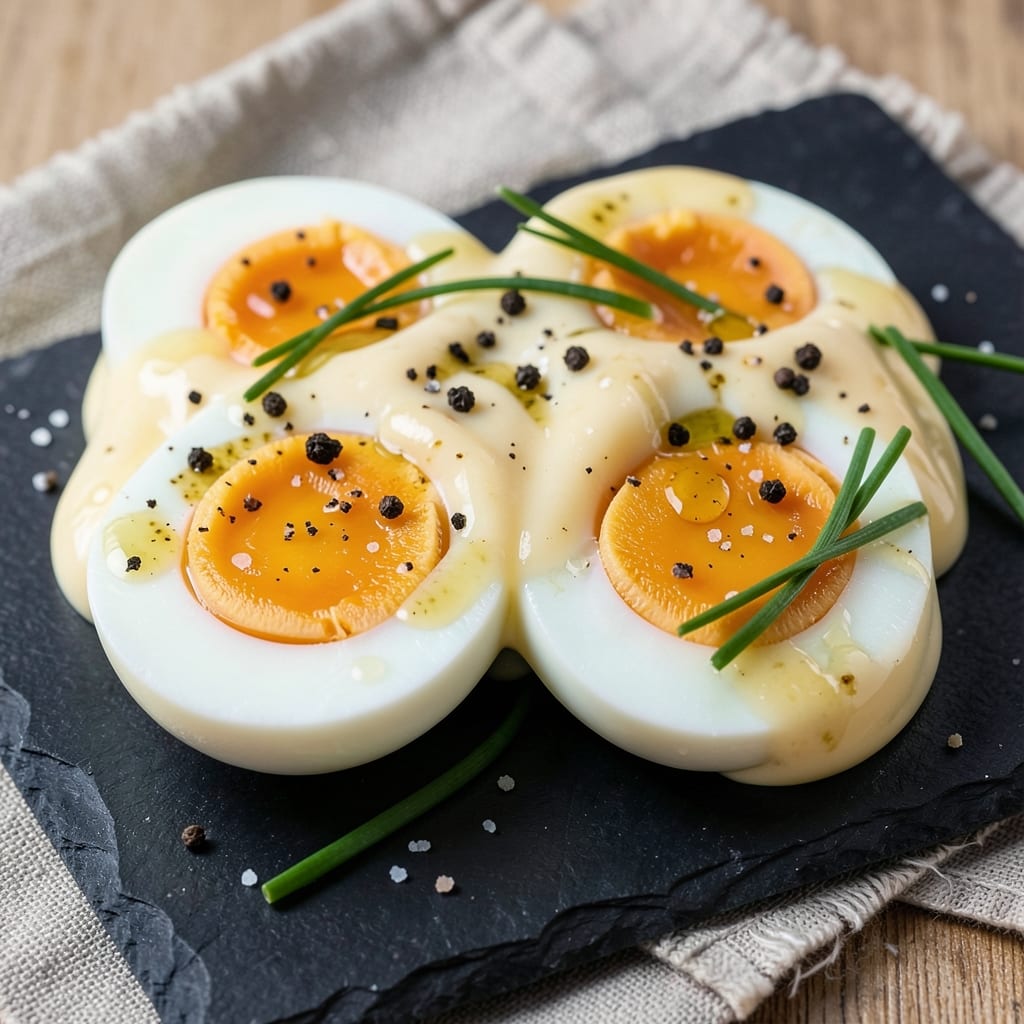
This boiled egg mayonnaise recipe transforms simple ingredients into the ultra-creamy, no-run condiment that elevates sandwiches from ordinary to extraordinary. The secret lies in emulsifying the egg yolks properly—creating a velvety texture that clings beautifully to bread without separating. I've perfected this version over years of testing, and it's become my go-to for classic egg salad sandwiches, BLTs, and even as a dip for crispy fries.
The magic happens with a foolproof emulsification technique that combines raw egg yolks with mayo and a touch of Dijon mustard for stability. No cooking required—just whisking until silky smooth. The addition of finely chopped hard-boiled eggs adds subtle texture and richness, while a splash of vinegar brightens the flavor profile. This isn't just another egg salad; it's a restaurant-quality spread that stays creamy for days.
What makes this recipe stand out is its versatility—use it as a sandwich filling, a dip for vegetables, or even a topping for burgers. The key to success is proper emulsification (don't rush this step!) and balancing the flavors with just the right amount of seasoning. Once you try this version, store-bought mayo-based spreads will never compare again.
The best part? This recipe keeps beautifully in the refrigerator for up to 5 days, making it perfect for meal prep. Whether you're making a classic egg salad sandwich or experimenting with new flavor combinations, this creamy, no-fail condiment will become your new kitchen staple. Let's get started!
Ingredients for best boiled egg mayonnaise recipe for sandwiches
This ultra-creamy boiled egg mayonnaise transforms humble pantry staples into restaurant-quality sandwich magic.
| Ingredient | Amount | Notes |
|---|---|---|
| Large Egg Yolks 🥚 | 4 whole | Freshly separated, room temperature |
| Mayonnaise 🥫 | ½ cup | High-quality, preferably Duke's or Hellmann's |
| Dijon Mustard 🌶️ | 1 tbsp | For emulsification stability |
| Hard-Boiled Eggs 🥚 | 2 whole | Finely chopped, skin removed |
| Extra-Virgin Olive Oil 🫒 | 1 tbsp | For richness and smoothness |
| White Vinegar 🍋 | 1 tsp | Brightens flavor profile |
| Kosher Salt 🧂 | ½ tsp | Diamond Crystal preferred |
| Freshly Ground Black Pepper 🌶️ | ¼ tsp | For subtle seasoning |
| Fresh Dill 🌿 | 1 tbsp | Chopped, optional for freshness |
| Lemon Juice 🍋 | ½ tsp | Freshly squeezed, for tang |
The yolks are the heart of this recipe—fresh, room-temperature eggs emulsify best, so take them out 10 minutes before starting. I always grab Duke's or Hellmann's mayo for that perfect balance of richness and stability, but any high-quality brand works. The Dijon mustard is non-negotiable—it's the secret weapon that prevents separation. For the hard-boiled eggs, peel them while still warm to make chopping easier, and remove every bit of skin for that silky texture. Fresh dill adds a bright herbal note, but if you're out, dried dill at half the amount works in a pinch.
No mayo on hand? Greek yogurt or vegan mayo can substitute, though the texture will be slightly different. Running short on Dijon? Yellow mustard at double the amount gives similar tang, though less stability. The olive oil and lemon juice are where the magic happens—extra-virgin olive oil adds depth, while the lemon keeps things bright. For extra richness, add a dash of hot sauce or smoked paprika. Pro tip: if your mayo is too thick, add a teaspoon of water or vinegar to loosen it up before emulsifying. The key is patience—whisk slowly and steadily for that velvety perfection.
This spread keeps beautifully in an airtight container in the fridge for up to 5 days, though it's best within the first 2 days. For longer storage, freeze in ice cube trays and transfer to a bag—just thaw overnight in the fridge. The texture might break down slightly after freezing, so whisk again before using. I always make a double batch because it disappears faster than you'd think—perfect for meal prep or gifting. Store the chopped hard-boiled eggs separately until ready to mix, so they stay fresh longer.
Why You'll Love This Recipe
- Five-Ingredient Magic: I swear by this combo—just yolks, mayo, mustard, eggs, and olive oil. No fancy gadgets, no stress, just whisking until it’s smooth and just thick enough to cling to your sandwich like it’s meant to be there.
- Creamy Crunch Perfection: That first bite? The mayo’s rich tang cuts through the hard-boiled egg’s crispy edge, while the Dijon mustard adds a sharp little kick. Honestly, it’s the kind of flavor that makes you pause mid-chew and think, "Wait, why don’t I do this more?"
- Packed Lunch Hero: Between us, this stuff is my secret weapon for lunches—whether it’s a quick wrap for myself or a bento box for my kid’s school. Slather it on, add some greens or cured meat, and boom: a meal that doesn’t require reheating or fancy plating.
- No-Waste, Budget Win: Hard-boiled eggs? Check. Leftover mayo? No problem. I make a big batch on Sunday, and by Wednesday, I’m still using the last bits. Plus, olive oil and mustard last forever, so this recipe actually saves me money over time—without sacrificing taste.
Step-by-step instructions for ultra-creamy boiled egg mayonnaise
Here's how to create the perfect sandwich spread—silky, tangy, and completely stable.
Separate and Whisk the Egg Yolks
Begin by separating the 4 whole large egg yolks from their whites, ensuring no trace of white enters the yolks. Place the yolks in a medium bowl and whisk vigorously for 2-3 minutes until they lighten in color and become noticeably thicker. This step is crucial—it incorporates air and creates the foundation for a smooth emulsion.
I like to use a hand mixer for this part, as it ensures even emulsification. If you're whisking by hand, take your time—rushing leads to a grainy texture. The yolks should look pale and fluffy, almost like a light ribbon when you lift the whisk. This is your signal that they're ready for the next ingredient.
Gradually Incorporate Mayonnaise and Mustard
With the mixer running on low speed, slowly drizzle in the 0.5 cup mayonnaise and 1 tablespoon Dijon mustard. Add them simultaneously, alternating between the two if possible, to maintain a stable emulsion. The Dijon mustard here isn't just for flavor—it acts as a natural emulsifier, preventing the mixture from separating later.
After adding both ingredients, increase the mixer speed to medium and continue blending for 1-2 minutes until the mixture becomes creamy and homogeneous. You're looking for a smooth, velvety texture with no visible streaks of mayonnaise. If you see any separation at this stage, don't worry—we'll fix it in the next step.
Add Olive Oil and Vinegar for Stability
Next, incorporate the 1 tablespoon extra-virgin olive oil and 1 teaspoon white vinegar while mixing continuously. The olive oil adds richness and helps bind the emulsion, while the vinegar brightens the flavor and acts as a natural preservative. Add these ingredients slowly to prevent the mixture from breaking.
At this point, the consistency should be thick but still pourable. If it looks too thick, add 1 teaspoon of water (not included in the ingredients) to adjust. The mixture should coat the back of a spoon smoothly. Taste and adjust seasoning with 0.5 teaspoon kosher salt and 0.25 teaspoon freshly ground black pepper—this is where the flavors come together.
Fold in Chopped Eggs and Herbs
Finely chop the 2 whole hard-boiled eggs, removing all traces of skin, until you have a coarse but even texture. Gently fold the chopped eggs into the mayonnaise mixture using a spatula, working in small batches to avoid overmixing. The eggs should be evenly distributed but still visible as flecks throughout the spread.
Stir in the 1 tablespoon fresh dill and 0.5 teaspoon lemon juice last. The dill adds a fresh, herby brightness, while the lemon juice cuts through the richness of the eggs and mayo. Mix gently to avoid breaking the emulsion. The final texture should be thick, creamy, and just slightly glossy—like a perfect sandwich spread.
Rest and Adjust for Perfect Texture
Transfer the mayonnaise to a clean jar or airtight container and refrigerate for at least 1 hour before using. This resting period allows the flavors to meld and the emulsion to fully stabilize. If the spread thickens too much after chilling, thin it with 1-2 teaspoons of water or lemon juice to reach your desired consistency.
The result should be a luxurious, ultra-creamy spread that clings beautifully to sandwich bread without running. It should taste rich, tangy, and perfectly balanced—no raw egg aftertaste, just pure, velvety goodness. This is the kind of mayonnaise that makes every bite of your sandwich unforgettable.
Pro Tips For Making Best Boiled Egg Mayonnaise Recipe For Sandwiches
- Chill the Yolks First: DESCRIPTION: Pop those yolks out of the hard-boiled eggs and let them sit in an ice bath for 10 minutes before mixing. Warm yolks release too much liquid into your mayo, turning it into a runny mess—especially if you're using Dijon mustard, which thins things out fast.
- Use Room-Temp Mayo: DESCRIPTION: Take your mayo out of the fridge 30 minutes before mixing—cold mayo stiffens when combined with cold yolks, and you’ll end up with a grainy, lumpy spread. If you’re in a rush, warm it slightly in a bowl of hot water (just until it’s pourable), but don’t overdo it or the flavor will turn flat.
- Mash the Eggs Coarsely: DESCRIPTION: Skip the food processor for sandwich mayo—grab a fork and mash the hard-boiled eggs until they’re just broken down, with some visible texture. Over-blending turns the filling into a paste that clumps between bread slices. Think "chunky potato salad," not "smooth dip."
- Add Oil Slowly: DESCRIPTION: When emulsifying, drizzle in the extra-virgin olive oil drop by drop at first—even if your mayo seems stable. The yolks and Dijon mustard are more delicate than store-bought mayo, and rushing the oil addition is how you end up with separation. Once it thickens, you can pour it in faster, but start slow.
Make-ahead tips for this dish
Prep Ahead Components
Prep the hard-boiled eggs first—they’re the most time-sensitive ingredient. Boil 2 eggs for 9-10 minutes in a pot of simmering water, then transfer to an ice bath to stop cooking. Peel them while still warm for easier chopping. Store peeled eggs in an airtight container with a damp paper towel to keep them fresh for up to 2 days. This step saves you from last-minute prep when assembling sandwiches. 💫
Emulsification Shortcut
Make the yolk-mayo base up to 1 day ahead and store it in an airtight container in the fridge. The emulsion will stay stable, but the texture may thicken slightly. Just whisk in 1 teaspoon of water or lemon juice before folding in the chopped eggs to restore creaminess. This is my go-to for busy mornings—I mix everything fresh only when ready to eat. ✨
Flavor Layering Strategy
Pre-chop the fresh dill and lemon juice and store them separately in small containers. This keeps the herbs vibrant and prevents them from turning bitter over time. When ready to assemble, simply fold them into the mayo base just before serving. The freshness makes all the difference in flavor, and it’s a great way to customize your spread with other herbs like chives or parsley. 🌿
Storage Containers
Use glass jars with airtight lids for the mayo base—they’re non-reactive and keep flavors pure. For the chopped eggs, I prefer small silicone molds or a resealable plastic bag to portion out just what I need. Label everything with dates to track freshness. The mayo base lasts 5 days, while the chopped eggs stay fresh for 2 days when stored properly. 📅
Reheating and Texture
If you’ve stored the mayo base for longer than 2 days, give it a quick whisk with 1 teaspoon of warm water to restore its silky texture. Never microwave it—heat breaks down the emulsion. Instead, let it sit at room temperature for 10 minutes before whisking gently. The chopped eggs should be added fresh for the best texture, but if you must reheat them, warm in a microwave-safe bowl for 15 seconds on low power. 🔥
Portioning for Sandwiches
Use a cookie scoop or small ice cream scoop to portion the mayo evenly onto sandwich bread. This ensures consistent spreads for every bite. For meal prep, assemble sandwiches with the mayo spread on the bread and store them in a single-layered container with parchment paper between slices. This prevents sogginess and keeps everything fresh for 2-3 days in the fridge. 🥪
Nutrition facts
Frequently asked questions
Why does my boiled egg mayo separate?
Separation usually happens from overmixing or adding ingredients too quickly. The key is to whisk the egg yolks first until pale and fluffy, then slowly drizzle in mayo and mustard while mixing on low speed. If it separates later, just whisk in 1 teaspoon of water or lemon juice to restore the emulsion. The Dijon mustard helps stabilize it, but patience is crucial!
Can I make this without raw egg yolks?
Yes! For a cooked version, replace raw yolks with ¼ cup cooked egg yolk paste (simmer 4 yolks with 1 tbsp water and ½ tsp vinegar until thick). The texture will be slightly denser, but it works well for sandwiches. For vegan options, use ¼ cup silken tofu blended with 1 tbsp lemon juice as a base.
How do I adjust the flavor for different sandwiches?
For BLTs, add 1 tbsp chopped bacon or smoked paprika. For tuna salad, fold in ½ cup canned tuna and 1 tbsp capers. Need more tang? Add ½ tsp hot sauce or extra lemon juice. The base recipe is neutral enough to adapt—just balance flavors after adding extras.
What's the best bread for this spread?
Soft, slightly toasted bread works best to prevent sogginess. Try sourdough, brioche, or whole grain for texture contrast. For extra crunch, use rye or pumpernickel and toast it lightly. Avoid overly dry bread—it won't hold the mayo well. Pro tip: Spread on the bread, then add other ingredients to prevent the mayo from leaking out!
How long can I store the chopped eggs separately?
Store peeled, chopped eggs in an airtight container with a damp paper towel for up to 2 days in the fridge. For longer storage, freeze them in a single layer on parchment, then transfer to a bag. Thaw overnight in the fridge before using. The mayo base keeps 5 days separately—just mix when ready!