
Breakfast & Brunch
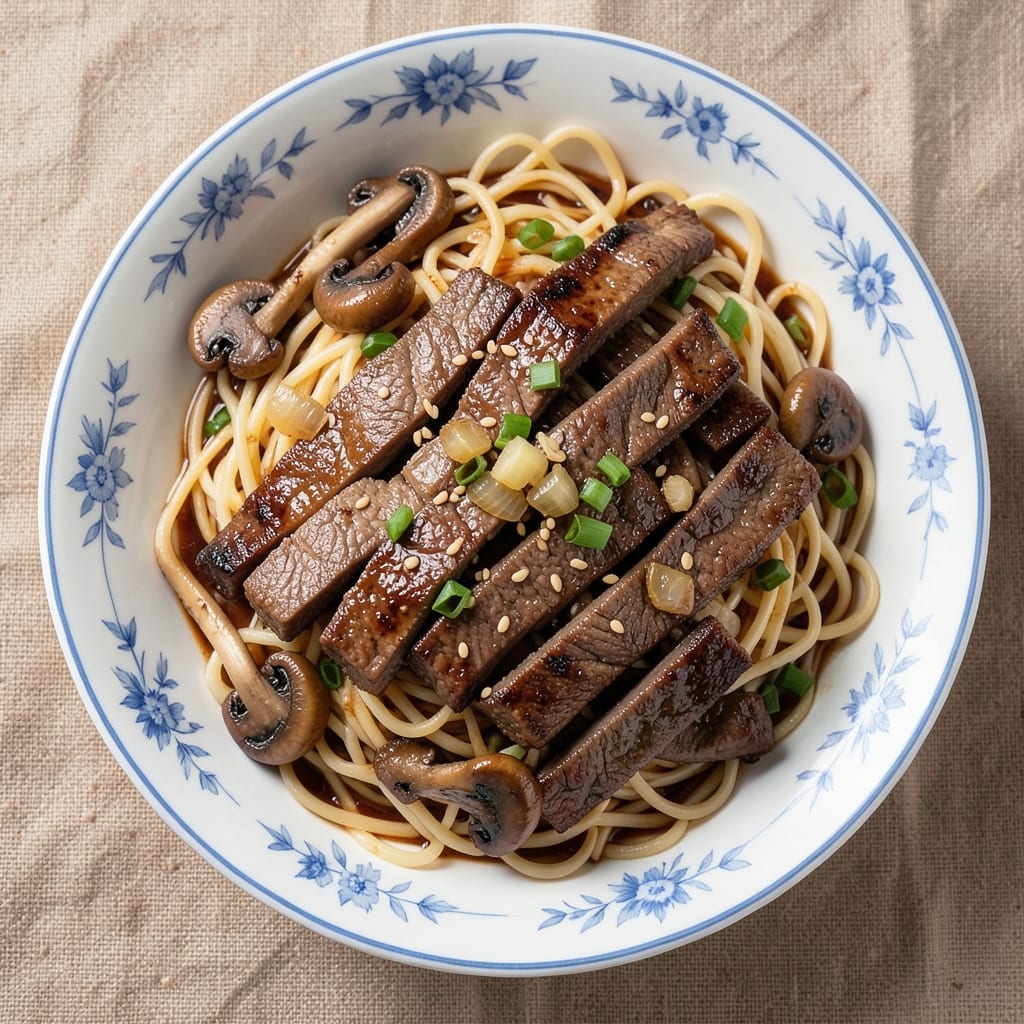
This beef mushroom egg noodles recipe delivers restaurant-quality wok-fried comfort in just 20 minutes, transforming simple ingredients into a savory, umami-packed meal that feels like a home-cooked hug. The secret lies in high-heat stir-frying that creates caramelized beef and mushrooms while keeping the egg noodles tender and coated in a rich, aromatic sauce. I've perfected this technique over years of weeknight cooking, ensuring every bite delivers that perfect balance of smoky, savory, and slightly sweet flavors.
What sets this dish apart is the layered flavor development: searing the beef until deeply browned unlocks its natural richness, while sautéing the mushrooms until they release their earthy juices builds depth. The egg noodles absorb the savory sauce beautifully, creating a dish that's both hearty and light enough for any meal. This recipe is designed to be your go-to weeknight solution—minimal prep, maximum flavor, and a cooking process that won't overwhelm even busy schedules.
By the time you're done, you'll have a steaming plate of golden-brown beef, tender mushrooms, and perfectly cooked egg noodles bathed in a glossy sauce that clings to every strand. The aroma alone will have everyone gathering around the table, and the first bite delivers that satisfying combination of textures—crisp edges on the beef, tender mushrooms, and chewy yet tender noodles. This is comfort food at its finest, with the added bonus of being ready in under half an hour.
The beauty of this recipe lies in its versatility—it works equally well as a main dish or a side for larger meals, and the leftovers reheat beautifully, making it perfect for meal prep. Whether you're feeding a family or treating yourself to a quick but satisfying dinner, this beef mushroom egg noodles recipe delivers professional-quality results with home-cook simplicity. Let's get cooking!
Ingredients for beef mushroom egg noodles
Restaurant-quality wok-fried comfort starts with these 14 simple yet powerful ingredients.
| Ingredient | Amount | Notes |
|---|---|---|
| Flank Steak 🥩 | 1 lb | Thinly sliced against grain |
| Egg Noodles 🍜 | 8 oz | Fresh or dried, cooked al dente |
| Shiitake Mushrooms 🍄 | 8 whole | Stems removed, sliced |
| Yellow Onion 🧅 | 1 whole | Thinly sliced |
| Garlic Cloves 🧄 | 4 cloves | Minced |
| Soy Sauce 🍶 | 3 tbsp | Low-sodium preferred |
| Oyster Sauce 🍶 | 2 tbsp | For umami depth |
| Sesame Oil 🫒 | 1 tbsp | Toasted for aroma |
| Vegetable Oil 🫒 | 2 tbsp | High smoke point |
| Honey 🍯 | 1 tsp | For subtle sweetness |
| Ginger Root 🌿 | 1 tbsp | Freshly grated |
| Green Onions 🧅 | 2 whole | Sliced, for garnish |
| Salt 🧂 | 1 tsp | Kosher preferred |
| Black Pepper 🌶️ | ½ tsp | Freshly ground |
The beef is non-negotiable for texture—flank steak delivers that perfect chew and caramelization when sliced thin against the grain. Most butchers will slice it for you if you ask, but a sharp knife and steady hand work too. Costco or Whole Foods carry excellent cuts, and look for marbling to ensure juiciness. Shiitake mushrooms add earthy depth, but cremini or white mushrooms work in a pinch. The egg noodles? Fresh is ideal (they cook faster and hold sauce better), but dried works if you've got 8 oz—just cook them al dente.
No oyster sauce? Soy sauce plus a dash of sugar mimics the umami, though you'll lose some richness. Sesame oil can be skipped if you're sensitive to its flavor, but toasted sesame seeds sprinkled at the end add a nice crunch. The honey and soy sauce combo balances the savory flavors beautifully—agave nectar works if you're avoiding honey. Fresh ginger is a must for that bright, zesty kick, but ground ginger at half the amount gets you close. Green onions add freshness, but cilantro or chives brighten things up too if that's what you've got.
Prep everything before turning on the heat—this dish moves fast. Store leftover noodles in an airtight container for 3-4 days, but the sauce and beef flavor meld even better the next day. Freeze portions for up to 3 months—just reheat gently with a splash of water to revive the texture. The beef and mushrooms reheat beautifully, though the noodles may soften further. Double the batch and freeze half for lazy weeknights.
Why You'll Love This Recipe
- One-Pan Magic: I swear by this—just sear the flank steak, toss in sliced shiitakes and onions, then dump the noodles on top. The same pan does all the work, and honestly? That rich beef-mushroom sauce clinging to everything? Chef’s kiss.
- Umami Bomb: The combo of shiitake mushrooms and garlic transforms this into something deeply savory. I’ll be real: the first time I made it, I ate straight from the pan because it’s that good—no sauce needed, just pure flavor.
- Lunchbox Hero: Between us, this is my go-to for meal prep. Cook a big batch, and those egg noodles hold up perfectly for lunch. My coworker’s been asking for the recipe after I brought it in three days in a row—yes, even on a Tuesday night.
- Budget Beef Boost: Flank steak stretches far here, and shiitakes add luxury without breaking the bank. I’ve made this for date nights, family dinners, and solo cravings—it’s unfussy but feels special, and leftovers? They’re just as good reheated.
Step-by-step instructions for beef mushroom egg noodles
This recipe delivers restaurant-quality wok-fried noodles in record time—bold flavors and perfect texture every time.
Prepare the Flank Steak for Maximum Tender Bites
Slice the 1 lb flank steak thinly against the grain into ¼-inch strips. This is critical—thin slices ensure tender bites that cook quickly in the wok. Place the sliced steak in a bowl and season immediately with 1 tsp salt and 0.5 tsp black pepper. Let it sit for 10 minutes while you prep the remaining ingredients. This resting period helps the seasoning penetrate and prevents the steak from curling during cooking.
While the steak marinates, remove stems from the 8 whole shiitake mushrooms and slice them into ¼-inch pieces. Thinly slice the 1 whole yellow onion and mince the 4 cloves garlic cloves. Grate the 1 tbsp ginger root using a microplane for maximum freshness. Keep all prepped ingredients within easy reach—you'll need them in quick succession.
Cook the Aromatics and Mushrooms
Heat a 14-inch wok or large skillet over high heat until smoking. Add 2 tbsp vegetable oil and swirl to coat the entire surface. Add the sliced shiitake mushrooms and stir-fry for 2-3 minutes until they release their moisture and begin to brown. Push the mushrooms to one side of the wok and add the sliced yellow onion, minced garlic, and grated ginger. Stir-fry for 1-2 minutes until the onions soften and the garlic turns golden—this is where the foundational flavors develop.
Here's the thing—don't overcrowd the wok. If your pan isn't large enough, cook the mushrooms in batches. Overcrowding steams the ingredients instead of searing them, which dulls the final flavor. You're aiming for a sizzle that fills your kitchen—this means your heat is perfect.
Sear the Beef and Combine Sauces
Add the seasoned flank steak strips to the wok in a single layer. Let them sear undisturbed for 30-45 seconds until they develop a deep brown crust. This initial sear locks in juices and creates that wok-fried texture. Stir-fry for another 1-2 minutes until the steak is 80% cooked—it'll finish in the sauce.
Pour in 3 tbsp soy sauce, 2 tbsp oyster sauce, and 1 tsp honey. Immediately add 1 tbsp sesame oil and toss everything vigorously for 1 minute. The sesame oil should infuse instantly, adding that signature nutty aroma. Taste the sauce—it should be salty, umami-rich, and slightly sweet. If needed, adjust with a pinch more soy sauce or honey.
Cook the Noodles to Al Dente Perfection
While the beef cooks, prepare the 8 oz egg noodles according to package instructions for al dente texture. Drain and rinse briefly under cold water to stop the cooking process and prevent sticking. Add the drained noodles to the wok with the beef mixture and toss everything together for 2-3 minutes until the noodles are fully coated and heated through.
This is where the magic happens—the noodles absorb the flavorful sauce while maintaining their bite. If the mixture looks dry, add 1-2 tablespoons of noodle cooking water to loosen it. The goal is a glossy, well-coated dish that clings to every strand of noodle. Real talk: don't skip the rinse—unrinsed noodles will turn mushy when combined with the hot wok contents.
Garnish and Serve Immediately
Transfer the beef mushroom noodles to serving bowls. Garnish each portion with sliced green onions and an extra drizzle of sesame oil for that final aromatic punch. Serve immediately while steaming hot—this dish doesn't wait. The noodles should be tender yet firm, the beef perfectly cooked with a slight char, and the mushrooms tender with a meaty texture. Every bite delivers that perfect balance of savory, umami, and subtle sweetness.
For maximum comfort, pair with a side of steamed bok choy or a simple cucumber salad. The contrast of crisp vegetables against the rich noodles makes this dish even more satisfying. Leftovers? Store in an airtight container for up to 3 days, but honestly, they won't last that long.
Pro Tips For Making Beef Mushroom Egg Noodles
- Slice Thin, Cook Fast: Flank steak’s best when it’s ¼-inch thick slices—any thicker and you’ll end up with chewy beef. Use a sharp knife and cut against the grain, then sear in a screaming-hot pan for 2-3 minutes per side. I learned this the hard way after serving up rubbery strips that needed a fork.
- Soak Mushrooms, Not Noodles: Shiitake mushrooms dry out fast when cooked. Give them a quick 10-minute soak in warm water to plump them up, then pat dry before sautéing. The noodles? Skip the soak—egg noodles absorb sauce better when they’re dry at first.
- Don’t Crowd the Pan: If you pile sliced onions and mushrooms into the same pan, they’ll steam instead of caramelize. Cook them in batches—start with onions on medium heat until golden, then move them aside and add mushrooms. Crowding turns this dish soggy.
- Finish with a Splash: Right before tossing everything with the noodles, deglaze the pan with 2 tablespoons of beef broth or soy sauce. This scrapes up all the browned bits (flavor gold) and keeps the sauce from drying out. I skip this step half the time, and the dish still works—but it’s noticeably better when I don’t.
Creative variations of these flavors
Spicy Sichuan Twist
Transform this dish into a fiery Sichuan sensation by adding 1 tbsp chili bean paste and ½ tsp Sichuan peppercorns (toasted and crushed) when searing the beef. The peppercorns add a numbing, citrusy heat that pairs perfectly with the umami flavors. Finish with 1 tsp chili oil and extra green onions for color. Serve with pickled cucumbers to balance the heat. 🌶️
Creamy Mushroom Upgrade
For a richer texture, stir in ¼ cup heavy cream or coconut milk during the final toss with the noodles. Add ½ tsp nutmeg and 1 tbsp butter when combining sauces for an Italian-inspired twist. This version works beautifully with wild rice noodles instead of egg noodles for extra heartiness.
Vegetarian Swap
Replace the beef with 1 lb extra-firm tofu (pressed and cubed) or shiitake mushrooms (doubled to 16 oz). Marinate the tofu in 2 tbsp soy sauce, 1 tbsp cornstarch, and 1 tsp sesame oil for 15 minutes before cooking. The mushrooms will soak up all the savory sauce, creating a satisfying meaty texture. Add 1 tbsp miso paste to the sauce for extra depth.
Breakfast Noodle Fusion
Turn this into a breakfast dish by adding 2 scrambled eggs (cooked sunny-side-up) to each serving. Stir-fry ½ cup diced bell peppers and ¼ cup corn kernels with the aromatics for a sweet, crunchy contrast. Top with crumbled bacon or fried shallots for a smoky finish. Serve with a side of hot sauce for dipping. ⚡
Korean-Inspired Kimchi Boost
Add ½ cup chopped kimchi (drained) when combining the sauce with the beef. The tangy, spicy kimchi cuts through the richness while adding probiotic benefits. Finish with 1 tbsp gochujang (Korean chili paste) and a sprinkle of toasted sesame seeds. Serve with steamed rice on the side for a complete Korean-inspired meal.
Gluten-Free Adaptation
Use tamari (gluten-free soy sauce) and ensure all sauces (like oyster sauce) are certified gluten-free. Swap egg noodles for rice noodles or buckwheat noodles**. The flavor profile remains rich and savory while accommodating gluten sensitivities. Double-check labels on sesame oil and oyster sauce to avoid hidden gluten.
Nutrition facts
Frequently asked questions
Can I use dried shiitake mushrooms instead of fresh?
Rehydrate 8 dried shiitake mushrooms in 1 cup hot water for 20 minutes before slicing. Use the soaking liquid (strained) to replace 1-2 tablespoons of water in your sauce for extra umami depth. The texture will be slightly firmer than fresh, but the flavor concentrates beautifully.
What's the best way to keep the noodles from getting mushy?
Cook the noodles al dente (1 minute less than package instructions), then rinse briefly under cold water to stop cooking. Toss them immediately with the hot beef mixture and add just 1-2 tablespoons of noodle cooking water if needed to loosen the sauce. Overcooking or skipping the rinse are the #1 causes of mushy noodles!
How do I make this dish spicier without chili flakes?
Add ½ teaspoon crushed red pepper flakes when searing the beef, or stir in 1 teaspoon sriracha with the sauces. For heat with depth, blend 1 tablespoon gochujang (Korean chili paste) into the soy sauce mixture. Start with half the amount and adjust to taste—you can always add more!
Can I make this recipe in a regular skillet instead of a wok?
Yes! Use a 12-inch cast iron skillet or heavy-bottomed pan. Work in two batches if needed—cook half the beef and mushrooms first, remove, then finish the remaining ingredients before combining. The key is maintaining high heat to get that caramelized flavor, even without a wok's sloped sides.
What's the secret to perfectly tender beef every time?
Slice the steak thinly against the grain (¼-inch strips) and let it sit seasoned for 10 minutes before cooking. High heat and quick cooking (just 1-2 minutes total) prevent toughness. For extra tenderness, marinate the beef for 30 minutes in 1 tbsp soy sauce + 1 tsp cornstarch before cooking.