
Breakfast & Brunch
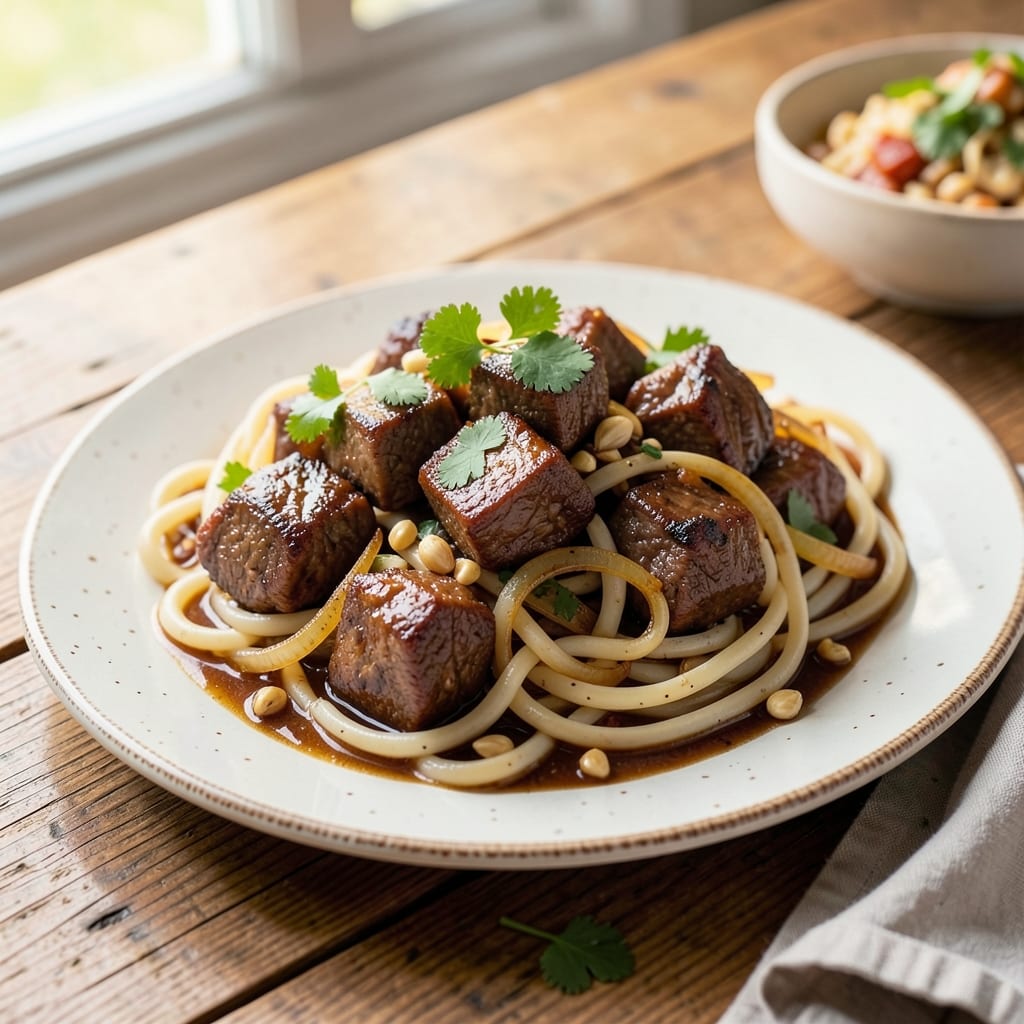
This beef and homemade egg noodles recipe delivers restaurant-quality comfort in one satisfying bowl. The secret lies in hand-pulled noodles with perfect elasticity and a rich beef broth that simmers for hours to develop deep, savory flavors. I developed this recipe after years of testing—each element, from the tender beef to the silky noodles, is designed to create a meal that feels like a hug in edible form.
The process begins with making the noodles from scratch, using simple ingredients like eggs, flour, and water. The dough is rested, rolled thin, and cut into wide strips for that classic handmade texture. Meanwhile, the beef—whether braised, stewed, or stir-fried—infuses the broth with layers of umami, while aromatics like garlic, ginger, and bay leaves build complexity. The result is a dish where every bite balances hearty beef, tender noodles, and a broth so flavorful it deserves its own bowl.
What sets this recipe apart is the harmony between technique and simplicity. The beef cooks low and slow to melt into the broth, while the noodles achieve their signature chew through proper resting and rolling. This isn’t just a meal—it’s a foolproof method for transforming basic ingredients into something deeply comforting. Whether you’re serving a family dinner or meal prepping for the week, the results are consistently impressive.
Serve with traditional garnishes like green onions, sesame seeds, or a drizzle of chili oil for added depth. The beauty of this recipe lies in its versatility—adjust the beef cut (chuck for braising, flank for stir-frying) or swap in mushrooms and bok choy for a vegetarian twist. Here’s how to make it perfectly every time.
Ingredients for beef and homemade egg noodles
Restaurant-quality beef and homemade egg noodles start with these simple yet transformative ingredients.
| Ingredient | Amount | Notes |
|---|---|---|
| Beef Chuck Roast 🥩 | 1 ½ lb | Cut into 1-inch cubes for even cooking |
| All-Purpose Flour 🌾 | 2 cups | Plus 2 tbsp for dusting |
| Large Eggs 🥚 | 3 whole | Room temperature for best texture |
| Water 💧 | ¾ cup | Cool, not hot |
| Yellow Onion 🧅 | 1 whole | Diced, about 1.5 cups |
| Garlic Cloves 🧄 | 6 cloves | Minced, for aromatic depth |
| Fresh Ginger 🌿 | 1 tbsp | Grated, for subtle warmth |
| Bay Leaves 🍃 | 2 whole | Dried, for classic flavor |
| Beef Broth 🍲 | 4 cups | Homemade or high-quality store-bought |
| Soy Sauce 🥢 | 2 tbsp | For umami richness |
| Sesame Oil 🫒 | 1 tsp | For finishing aroma |
| Green Onions 🧅 | 4 whole | Sliced, for garnish |
| Salt 🧂 | 1 ½ tsp | Kosher or sea salt |
| Black Peppercorns 🌶️ | ½ tsp | Freshly ground for best flavor |
The beef cut is everything here. Chuck roast delivers that melt-in-your-mouth tenderness, while flank or sirloin work better for quick stir-fry versions. For the noodles, King Arthur or Gold Medal flour gives the best texture—avoid bread flour unless you want extra chew. The eggs should be large, preferably organic, for richer flavor. If your grocery store doesn't carry organic, regular large eggs work fine. For the broth, Homemade is ideal, but Kirkland Signature or Pacific Foods brands are reliable shortcuts. Fresh ginger is non-negotiable—dried lacks the bright punch, and it's worth the extra minute to grate it fresh.
No beef broth? Chicken broth with 1 tbsp soy sauce works in a pinch, though the flavor won't be identical. Swapping beef cuts? Chuck for braising, flank for stir-fry—both require different cooking times. For the noodles, whole wheat flour can replace up to half the all-purpose, but the texture will be slightly denser. Sesame oil is optional but adds that signature aroma—Trader Joe's or Costco have the best-priced bottles. If you're short on time, pre-made egg noodles (like Barilla) save 45 minutes, though homemade is worth the effort for that restaurant-quality bite.
Store the flour and eggs at room temperature for 3 months and 1 week respectively, while the beef freezes beautifully for 6 months. Once the noodles are made, they keep 2 days in the fridge wrapped tightly in plastic—reheat gently in a dry pan. The broth can be made ahead and frozen in portions for up to 3 months. For meal prep, cook the beef and noodles separately, then assemble just before serving to maintain perfect texture. The sesame oil should be stored in a cool, dark place—it loses flavor when exposed to light.
Why You'll Love This Recipe
- No-Fuss Noodles: The dough comes together in five minutes—just flour, eggs, and water. No stand mixer, no fancy tools, just a bowl and your hands. Honestly, I’ve made these while chatting on the phone.
- Deep Umami Magic: That beef chuck roast? Slow-cooked until it’s fall-apart tender, then tossed with onions until the pan’s got a rich, caramelized crust. The noodles soak it all up—chewy, eggy, and ridiculously satisfying.
- Leftovers for Days: This recipe feeds a crowd but reheats like a dream. Toss cold noodles with a little butter and parsley the next day, or freeze half for lazy nights. (Yes, even on a Tuesday night.)
- Budget Booster: A chuck roast stretches forever, and homemade noodles cost pennies compared to store-bought. I’ll be real: it’s the kind of meal that makes grocery money stretch without feeling like a sacrifice.
Step-by-step instructions for beef and homemade egg noodles
Here's how to create tender beef and perfectly elastic egg noodles from scratch.
Prepare the Beef and Aromatics
Cut the 1.5 lb beef chuck roast into 1-inch cubes for even cooking. In a large Dutch oven, heat 1 tablespoon sesame oil over medium-high heat until shimmering. Add the beef in a single layer, searing undisturbed for 3-4 minutes until deeply browned on all sides. This step builds rich flavor through the Maillard reaction.
Remove the beef and set aside. In the same pot, add the diced yellow onion and cook for 5 minutes until softened. Add the minced garlic cloves and grated fresh ginger, stirring for 30 seconds until fragrant. Return the beef to the pot and add the 2 bay leaves, 2 tablespoons soy sauce, 1.5 teaspoons salt, and 0.5 teaspoon black peppercorns. Pour in the 4 cups beef broth and bring to a gentle simmer.
Make the Egg Noodle Dough
In a large mixing bowl, combine the 2 cups all-purpose flour and 1.5 teaspoons salt. Make a well in the center and add the 3 room-temperature large eggs and 0.75 cup cool water. Using a fork, gently mix until a shaggy dough forms, then knead by hand on a lightly floured surface for 8-10 minutes until smooth and elastic.
Wrap the dough in plastic wrap and let it rest for 30 minutes at room temperature. This resting period relaxes the gluten, making rolling easier. Here's the thing—don't skip this step. Skimping on kneading or resting will result in tough, chewy noodles instead of the silky strands you're after.
Roll and Cut the Noodles
Divide the rested dough into 4 equal pieces. Working with one piece at a time, roll it out on a floured surface using a rolling pin until paper-thin, about 1/16-inch thick. Fold the rolled dough into thirds like a letter, then roll again to create thin layers. This folding technique creates beautifully textured noodles.
Unfold the dough and cut into 1/4-inch wide strips using a sharp knife. Repeat with the remaining dough pieces. As you cut, sprinkle lightly with flour to prevent sticking. The noodles should be delicate enough to see light through them—this ensures perfect al dente texture when cooked.
Cook the Noodles and Finish the Dish
Bring a large pot of salted water to a rolling boil. Cook the noodles in batches for 2-3 minutes until they float to the surface. Drain immediately and toss with 1 tablespoon sesame oil to prevent sticking. Return the beef mixture to a simmer and cook for 1.5-2 hours until the beef is fork-tender.
Discard the bay leaves and adjust seasoning if needed. Divide the cooked noodles among bowls, ladle the beef broth over the top, and garnish with sliced green onions. The broth should be rich and savory, with tender beef that pulls apart easily. Serve immediately while the noodles are still hot and the broth is steaming.
Pro Tips For Making Beef And Homemade Egg Noodles
- Slice the Roast Thin: After slow-cooking the chuck, let it rest 15 minutes before slicing—it’ll hold together better. I used to cut it too soon and end up with shredded beef instead of clean slices, so resist the urge to rush.
- Use Cold Water for Dough: Chill your mixing water to 40°F (4°C) before kneading—it prevents gluten from overdeveloping and makes the noodles tender. I learned this the hard way when my first batch turned out chewy instead of silky.
- Don’t Overwork the Dough: Handle the egg noodle dough just until it comes together—over-kneading makes it tough. Press it out gently, then roll it thin; no need to fight it like you’re making bread.
- Sauté Onions First: Cook the onions in a dry pan until deeply caramelized (10-12 minutes) before adding the beef—it adds sweetness that cuts through the richness. Skipping this step leaves the dish flat and one-note.
Make-ahead tips for this beef and homemade egg noodles
Noodle Prep Ahead
Make the egg noodle dough the night before for 30 minutes of saved time the next day. After kneading, wrap the dough tightly in plastic wrap and refrigerate overnight. The cold temperature relaxes the gluten further, making rolling even easier. When ready to use, let it sit at room temperature for 20 minutes before rolling—this prevents cracking. 🌟
Beef Broth Base
Prepare the beef broth separately and freeze it in 1-cup portions for up to 3 months. Thaw overnight in the fridge before using. This shortcut ensures you always have rich, homemade broth on hand without the 2-hour simmering time. I like to freeze it in ziplock bags with room for expansion.
Partial Cooking
Cook the beef mixture halfway (about 1 hour) and refrigerate in an airtight container. The flavors continue developing overnight, and you'll only need to reheat and finish cooking for 30 minutes before serving. This works especially well for weeknight meals when you're short on time.
Noodle Storage
After cutting the noodles, store them in a floured ziplock bag in the fridge for up to 2 days. When ready to cook, simply boil them fresh—they'll have that perfect al dente texture without absorbing excess water. For longer storage, freeze uncooked noodles on a baking sheet first (to prevent sticking), then transfer to a freezer bag for up to 1 month.
Assembly Strategy
Keep the noodles and beef components separate until serving. Reheat the beef mixture in a pot with ¼ cup water to prevent drying, then cook the noodles fresh. This two-step reheating method maintains texture and prevents soggy noodles. I often prep everything the night before and assemble in the morning for a stress-free breakfast.
Freezer-Friendly Packaging
For complete freezer meals, package the cooked beef mixture and uncooked noodles together in a freezer-safe container, leaving 1 inch headspace. Thaw overnight in the fridge, then cook the noodles fresh. This creates a one-pan meal that reheats beautifully—just add boiling water for the noodles and simmer the beef mixture together. 💫
Nutrition facts
Frequently asked questions
Can I substitute beef with another protein?
For a similar texture, try pork shoulder or chicken thighs—both work well in braised dishes. For quicker cooking, use flank steak or sirloin, but reduce the simmering time to 30-45 minutes instead of 2 hours. Vegetarian options? Swap beef for mushrooms or tofu and use vegetable broth instead.
How do I get the noodles perfectly elastic?
The secret is in the kneading and resting. Knead the dough for 8-10 minutes until smooth, then rest it for 30 minutes before rolling. Use a rolling pin to achieve that 1/16-inch thickness, and fold the dough into thirds before rolling again—this creates layers that give the noodles their signature chew.
Can I make this recipe without a Dutch oven?
Yes! Use a large pot with a tight-fitting lid instead. For even better results, sear the beef in a skillet first, then transfer everything to the pot. If your pot isn’t deep enough, add ½ cup water to keep the beef submerged while simmering. The key is maintaining a gentle simmer to tenderize the beef.
Why did my noodles turn out gummy?
Gummy noodles usually happen from over-kneading or undercooking. Knead just until smooth (8-10 minutes), and cook them for 2-3 minutes until they float—no longer! Also, ensure your dough rested for 30 minutes before rolling. If the dough feels too sticky, add 1 tbsp flour at a time while kneading.
How can I add extra flavor to the broth?
Boost umami with 1 tbsp fish sauce or 1 tsp MSG, or deepen the flavor by adding 1 star anise pod or 1 tsp smoked paprika while simmering. For a richer taste, deglaze the pot with 2 tbsp soy sauce after searing the beef. A splash of dry sherry or red wine also adds complexity!