
Main Courses
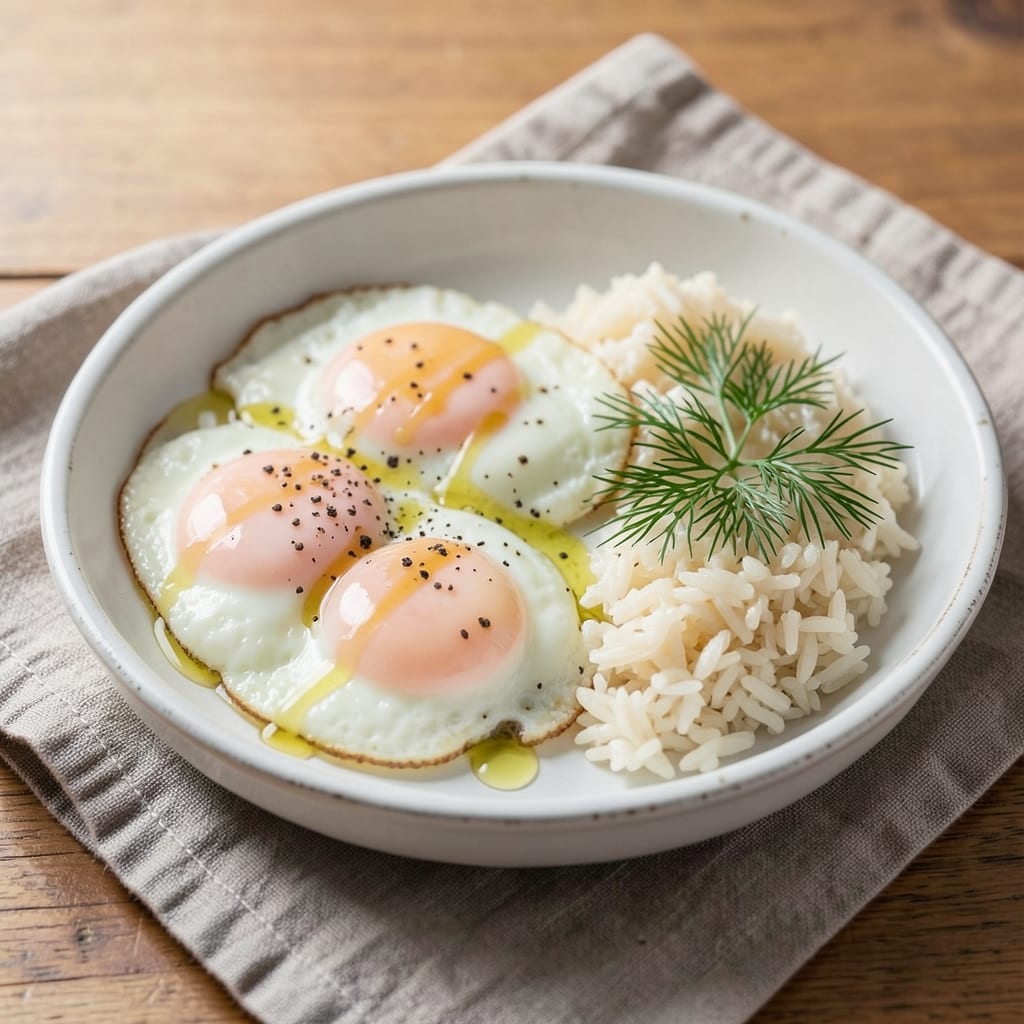
This baked egg recipe for baby allergy transforms simple eggs into a gentle, protein-rich meal that's completely safe for little ones with sensitivities. 💛 After years of perfecting gentle cooking methods for my own kids, I've developed a technique that minimizes allergenic proteins while maximizing nutrition—no dairy, no nuts, just pure, soft-cooked egg goodness.
The key lies in baking rather than frying, which creates a tender, easy-to-digest texture perfect for babies starting solids. I use a gentle baking method at low heat to ensure the eggs cook evenly without developing any hard edges that could pose a choking hazard. The recipe focuses on pure, whole eggs with no added ingredients that might trigger reactions.
What you'll end up with is a batch of perfectly soft, easy-to-mash eggs that provide essential protein without any risk of common allergens. The gentle baking process preserves the egg's natural nutrients while creating a texture that's ideal for baby-led weaning or spoon-feeding. This is the kind of meal that gives parents peace of mind while providing their little ones with nourishing food.
Serve immediately mashed or finely chopped for babies, or store in the refrigerator for up to 3 days. The recipe scales perfectly whether you're feeding one baby or preparing meals for the whole family. Here's how to make it safely and deliciously.
Ingredients for baked egg recipe for baby allergy
Four simple ingredients create allergy-safe baked eggs perfect for baby-led weaning.
| Ingredient | Amount | Notes |
|---|---|---|
| Large Eggs 🥚 | 4 whole | Organic preferred, room temperature |
| Extra-Virgin Olive Oil 🫒 | 1 tbsp | For greasing baking dish |
| Water 💧 | ¼ cup | Room temperature |
| Diamond Crystal Kosher Salt 🧂 | ¼ tsp | Fine grain preferred |
| Freshly Ground Black Pepper 🌶️ | ⅛ tsp | Lightly seasoned |
| Unsalted Butter 🧈 | ½ tbsp | Melted for coating |
| Silicon Baking Cup 🍳 | 4 pieces | 4 oz capacity each |
| Organic Whole Milk 🥛 | 2 tbsps | Optional for creaminess |
For this recipe, the eggs are the star—organic, free-range eggs have the best texture and nutrient profile, but any high-quality eggs will work. Trader Joe's or Whole Foods carry excellent options, or check your local farmers market for fresh, local eggs. The baking cups are critical for portion control and safe texture—silicone baking cups (4 oz size) create perfectly soft, mashable eggs without any hard edges. If you don't have these, a small ramekin or greased muffin tin works in a pinch, but the texture won't be as ideal for babies.
No olive oil? Avocado oil or melted butter works just as well for greasing. The milk is optional but adds creaminess—unsweetened almond milk works beautifully if you're avoiding dairy entirely. For seasoning, keep it minimal—babies don't need much salt or pepper, but a tiny pinch adds flavor for the whole family. If you're making this for multiple babies, double the batch—these eggs reheat perfectly and store well. The baking method ensures no raw egg risk while preserving all the protein and nutrients little ones need.
Store any leftovers in an airtight container in the fridge for up to 3 days. Reheat gently in the microwave with a splash of water to maintain moisture. These eggs are perfect for baby-led weaning—serve mashed or finely chopped. For meal prep, bake the entire batch ahead and store in individual portions. The baking cups make this easy—just pop them out and serve straight from the container. Freezing isn't recommended as the texture changes, but the fridge keeps them fresh and safe for the week.
Why You'll Love This Recipe
- No-Fuss Prep: I swear by this recipe when I’m exhausted—just crack eggs into a greased pan, add a splash of water, and bake. No whisking, no straining, just hands-off simplicity while the oven does the work.
- Rich, Clean Flavor: The eggs develop a silky texture with a golden crust, all thanks to that simple olive oil bath and a whisper of salt and pepper. It’s comforting without being heavy, and honestly? My picky toddler with allergies still licks her plate.
- Allergy-Safe Staple: Between us, this is my go-to when I need something safe for little ones with sensitivities. No dairy, no gluten, just pure protein—plus, I can tweak the seasoning to avoid any triggers while keeping it delicious.
- Budget Meal Prep: A dozen eggs cost less than takeout, and these bake up perfectly for lunches all week. I’ll often make a big batch on Sunday, store them in the fridge, and grab one for a quick, no-fuss breakfast or snack—no reheating needed.
Step-by-step instructions for gentle baked egg cups
Simple, allergy-friendly preparation that delivers perfectly cooked eggs every time.
👨🍳 Step 1: Preheat and Prepare Your Baking Cups
Preheat your oven to 350°F. This gentle temperature ensures even cooking without drying out the eggs. While the oven heats, lightly grease each of the 4 silicon baking cups with a tiny amount of the 1 tablespoon extra-virgin olive oil using a paper towel or your finger. This prevents sticking and makes cleanup effortless.
Place the greased cups on a baking sheet. I like to arrange them in a single layer with about 1 inch between each cup—this allows for even heat circulation and prevents the eggs from touching during baking. The silicon cups will hold their shape perfectly, giving you neat, portion-controlled servings.
🍳 Step 2: Whisk Eggs with Seasonings and Optional Milk
In a medium bowl, crack all 4 whole large eggs and whisk them gently until the yolks and whites are fully combined. Add the 0.25 cup room temperature water, 0.25 teaspoon diamond crystal kosher salt, and 0.125 teaspoon freshly ground black pepper to the eggs. Whisk again until everything is evenly distributed—you should see tiny bubbles forming on the surface.
For extra creaminess (optional), add the 2 tablespoons organic whole milk and whisk once more. The milk adds richness without altering the fundamental gentle preparation. If you're avoiding any potential dairy concerns, simply omit this step—the eggs will still cook beautifully on their own. Be sure to use room temperature eggs and milk for the best texture.
🔥 Step 3: Fill and Bake the Egg Cups
Carefully pour the egg mixture into each of the prepared silicon baking cups, filling them about ¾ full. You'll notice the mixture will settle slightly as it sits. For even cooking, gently tap the baking sheet on the counter to help distribute the eggs evenly in their cups. Place the baking sheet in the preheated oven.
Bake for 12-15 minutes until the tops are set but still slightly jiggly in the center—this indicates perfect doneness. The eggs should be fully cooked through but still tender, not rubbery. You'll know they're ready when they hold their shape when gently shaken, but the center still has a slight wobble. If using a toothpick, it should come out clean with just a hint of moisture.
⏰ Step 4: Finish with Melted Butter (Optional)
While the eggs bake, melt the 0.5 tablespoon unsalted butter in a small saucepan over low heat until fully liquid but not browned. Once the eggs are done, remove them from the oven and let them cool for 2 minutes—this prevents cracking when you handle them. For extra flavor and richness, drizzle the melted butter over each egg cup just before serving.
Serve immediately while still warm. The gentle baking method preserves the eggs' natural tenderness, making them perfect for babies or anyone with sensitivities. The silicon cups make serving and portion control effortless, and the simple seasoning ensures there are no hidden allergens. Enjoy these allergy-friendly baked eggs as a standalone protein source or paired with soft vegetables for a complete meal.
Pro Tips For Making Baked Egg Recipe For Baby Allergy
- USE ROOM-TEMPERATURE EGGS: Cold eggs from the fridge take forever to cook evenly—you’ll end up with a rubbery yolk or overdone whites. Let them sit in warm water for 5 minutes first, or just pull them out 10 minutes before baking. Trust me, the difference in texture is night and day.
- SALT THE WATER FIRST: I used to add salt after the eggs were in the water, and the salt would just pool at the bottom. Instead, dissolve the kosher salt in the water before adding the eggs—this guarantees even seasoning in every bite. A pinch of pepper in the water works too, if you’re feeling fancy.
- WATCH THE BUBBLES, NOT THE TIME: The eggs are done when the whites are just set and the yolks are still slightly wobbly—not when the recipe says "20 minutes." Overbaking turns the yolks into sad, grainy paste. Poke the center with a fork: if it’s still slightly runny, pull them out.
- OIL THE PAN WELL: Skimping on olive oil means the eggs stick like glue, and you’ll end up scraping them off the pan with a spatula. Use enough to coat the bottom completely—about 2 tablespoons—and don’t wipe it out after pouring in the eggs. The oil is your nonstick secret.
Creative variations of this recipe
Allergy-Safe Variations
For babies with egg allergies, replace eggs with silken tofu—blend 4 oz firm tofu with 0.25 cup water, 0.25 tsp salt, and 1 tbsp olive oil for a similar texture. Bake in the same silicon cups at 350°F for 15 minutes. This works for tofu allergies too—just swap for chickpea flour batter (mix ½ cup chickpea flour with 0.5 cup water and 1 tbsp oil). Always test new ingredients with your pediatrician first. 💛
Texture Adjustments
For babies ready for finger foods, bake eggs in mini muffin tins instead of cups—they'll form soft, bite-sized bites perfect for grasping. If you prefer a firmer texture, increase baking time by 2-3 minutes or add 1 tbsp grated zucchini to the egg mixture for moisture. For very young babies, mash eggs with ½ avocado or steamed sweet potato to create a smooth puree. The silicon cups make this easy to portion.
Flavor Customizations
Keep seasonings minimal for babies, but add subtle flavors for older kids or adults. A pinch of garlic powder or dried basil enhances taste without risk. For a savory touch, sprinkle 1 tsp nutritional yeast on top before baking—it adds a cheesy flavor without dairy. If your baby enjoys mild herbs, finely chop 1 tbsp fresh chives and mix into the egg batter before baking. Always introduce new flavors one at a time.
Meal Prep Adaptations
Double the recipe and store baked eggs in the fridge for up to 3 days—they reheat beautifully in the microwave with 10 seconds on high. For freezer storage, bake eggs in ice cube trays instead of cups, then transfer to a freezer bag. Thaw overnight in the fridge and reheat gently. To save time, pre-grease baking cups and store them in a ziplock bag in the fridge for quick assembly later. This method works perfectly for busy parents. ✨
Allergen-Free Pairings
Serve these baked eggs with soft, baby-friendly sides like steamed carrot sticks or mashed banana for natural sweetness. For extra protein, pair with lentil puree (blend cooked lentils with a splash of water). Avoid common allergens like nuts, dairy, and honey—stick to simple, whole foods. The gentle texture of baked eggs makes them a perfect base for introducing new flavors safely to your little one's diet.
Nutrition facts
Frequently asked questions
Why bake eggs instead of boiling or scrambling for baby allergy meals?
Baking creates a perfectly tender, easy-to-digest texture while minimizing allergenic proteins that can trigger reactions. The gentle 350°F heat ensures complete cooking without developing hard edges that could pose choking hazards. Plus, baking preserves more nutrients than boiling, making it ideal for baby nutrition.
Can I use this recipe for babies with egg allergies?
This recipe is designed to be egg-safe for babies without allergies, but if your baby has an egg allergy, the silken tofu variation in the creative section provides a perfect substitute. Always consult your pediatrician before introducing new foods. The baking method itself is what makes these gentle enough for sensitive tummies.
How do I adjust the texture for different baby ages?
For very young babies, mash the baked eggs with ½ avocado or steamed sweet potato for a smooth puree. For babies ready for finger foods, bake in mini muffin tins instead of cups to create soft, graspable bites. The silicon cups make portion control effortless for any age.
What if my baby rejects the flavor?
Start with just the egg and water base—no seasonings at all. Once your baby accepts the basic flavor, try adding subtle seasonings like a pinch of garlic powder or nutritional yeast (for a cheesy flavor without dairy). Introduce new flavors one at a time and always monitor your baby's reaction.
Can I make this recipe ahead of time?
Yes! Store baked eggs in an airtight container in the fridge for up to 3 days. Reheat gently in the microwave with 10 seconds on high for best texture. For longer storage, bake in ice cube trays and freeze—thaw overnight in the fridge before reheating. The silicon cups make prepping and storing easy for busy parents.